
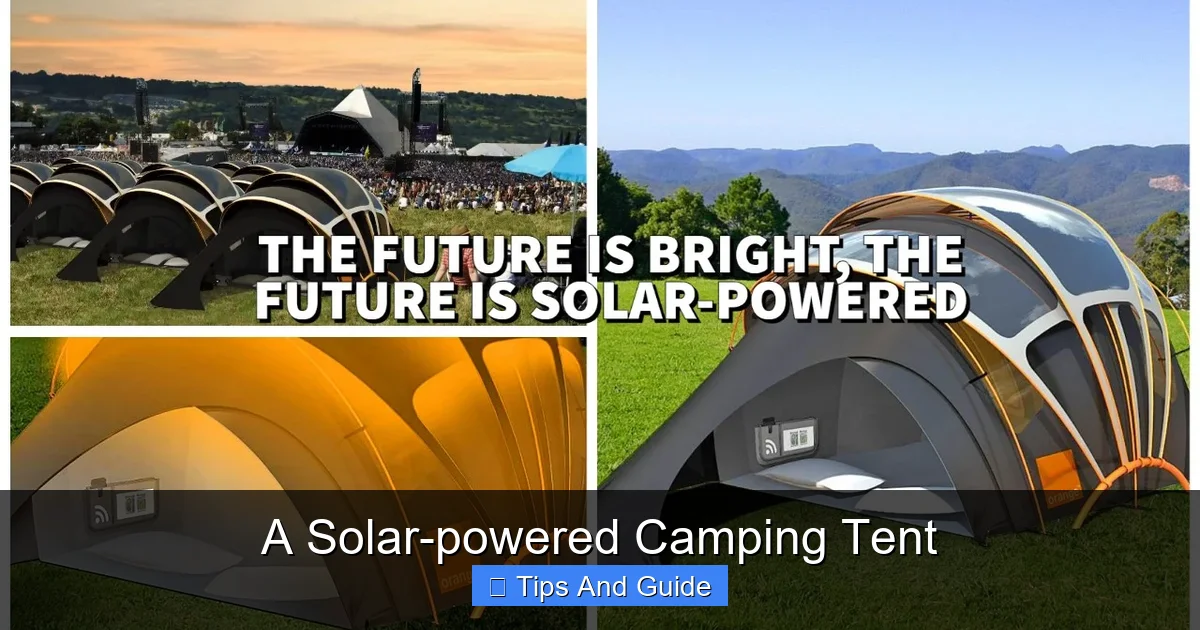
Embrace sustainable adventures with a solar-powered camping tent! These innovative shelters harness the sun’s energy to power your devices and provide essential amenities, revolutionizing your outdoor experience. Discover the future of eco-friendly camping.
A Solar-powered Camping Tent
Imagine this: you’re deep in the wilderness, surrounded by the serene beauty of nature. The sun is setting, casting a warm glow over your campsite. Instead of fumbling for a dying phone or worrying about powering your headlamp, you effortlessly plug in your device to a charging port right on your tent. This isn’t a futuristic dream; it’s the reality offered by a solar-powered camping tent. These innovative shelters are changing the way we experience the outdoors, blending cutting-edge technology with the timeless appeal of camping.
For many, camping is about disconnecting from the hustle and bustle of modern life. However, in today’s world, staying connected, even for a little while, can enhance the experience. Whether it’s capturing stunning photos, navigating with GPS, or simply letting loved ones know you’re safe, having power on the go is a game-changer. A solar-powered tent provides this crucial convenience without compromising the eco-friendly spirit of camping. It’s a brilliant fusion of sustainability and functionality, making your outdoor adventures more enjoyable and responsible.
This guide will dive deep into the world of solar-powered camping tents. We’ll explore how they work, what benefits they offer, what features to look for, and how to make the most of this exciting camping innovation. Get ready to embrace a brighter, more sustainable way to camp!
Key Takeaways
- Harnessing the Sun: Solar-powered camping tents integrate photovoltaic panels to convert sunlight into usable electricity for charging devices and powering small appliances.
- Convenience and Comfort: They offer a sustainable way to stay connected and comfortable, eliminating the need for noisy generators or relying solely on power banks.
- Eco-Friendly Choice: Opting for a solar tent reduces your carbon footprint and promotes a more environmentally conscious approach to outdoor recreation.
- Key Features to Consider: When choosing, look at panel size and efficiency, battery storage capacity, power output (wattage), durability, and tent construction.
- Powering Your Gear: These tents can typically charge phones, tablets, cameras, and sometimes even run low-power lights or fans.
- Setup and Maintenance: Setup is usually straightforward, similar to a traditional tent, with the added step of positioning panels for optimal sun exposure.
- Potential and Limitations: While offering significant advantages, understand their limitations in cloudy weather and for powering high-draw electronics.
📑 Table of Contents
The Magic of Solar Power in Your Tent
At its core, a solar-powered camping tent is a traditional tent enhanced with integrated photovoltaic (PV) technology. These tents aren’t just shelters; they are portable power stations, designed to capture sunlight and convert it into electricity. This electricity can then be used to charge your essential electronic devices, power small appliances, and even provide ambient lighting. It’s a clever and eco-friendly solution to a common camping challenge: staying powered up.
How Solar Tents Generate Electricity
The magic begins with flexible, lightweight solar panels that are often incorporated into the tent’s fabric or as detachable components. These panels are made of photovoltaic cells, which are materials that absorb sunlight and release electrons, creating an electric current. When sunlight hits these cells, a direct current (DC) electricity is generated. This DC power can then be used directly to charge compatible devices or stored in a built-in or external battery pack for later use. Some advanced solar tents may also include an inverter to convert DC power to alternating current (AC) power, allowing you to run devices that typically use wall outlets.
Understanding the Components
A typical solar-powered camping tent setup usually includes:
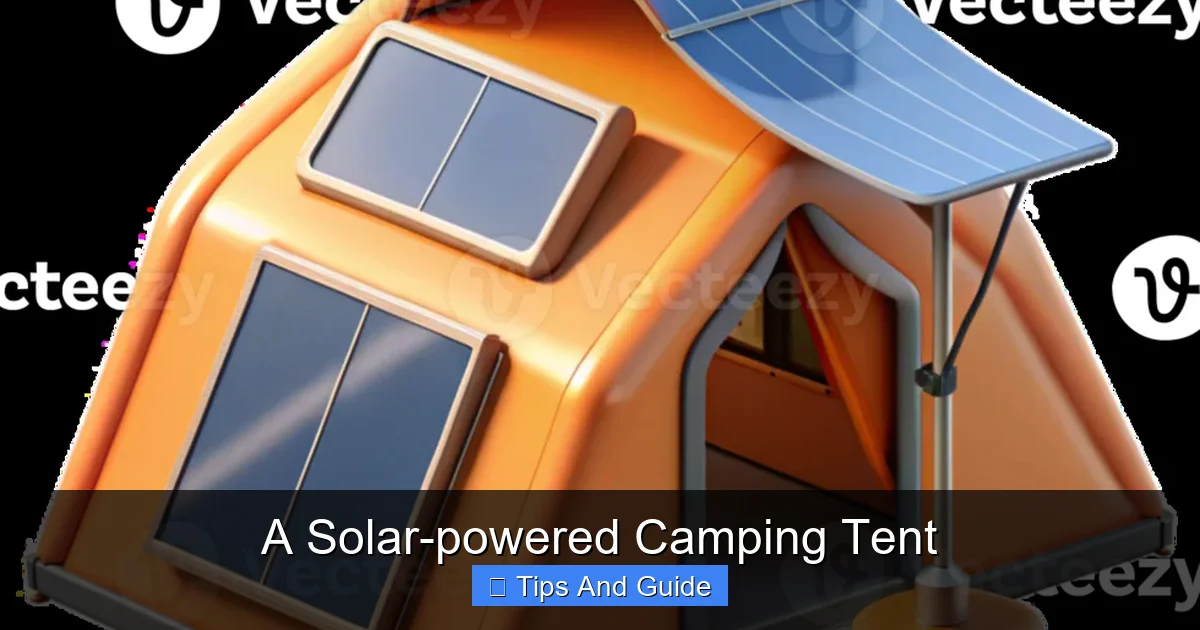
* Solar Panels: These are the heart of the system, designed to be durable and weather-resistant. Their size and efficiency determine how much power can be generated.
* Charge Controller: This crucial component regulates the flow of electricity from the solar panels to the battery, preventing overcharging and protecting the battery’s lifespan.
* Battery Storage: Many solar tents come with an integrated battery or have a port to connect an external power bank. This allows you to store energy generated during the day for use at night or during cloudy periods.
* Power Outputs: These are typically USB ports, allowing you to easily plug in and charge your smartphones, tablets, cameras, and other USB-powered devices. Some higher-end models might offer AC outlets.
Benefits of Going Solar While Camping
Visual guide about A Solar-powered Camping Tent
Image source: static.vecteezy.com
The appeal of a solar-powered camping tent goes far beyond just having a charged phone. It’s about embracing a lifestyle that is both convenient and conscious. These tents offer a range of advantages that can significantly enhance your outdoor experience.
Sustainable and Eco-Friendly Adventures
One of the most significant benefits is the environmental advantage. By harnessing solar energy, you are using a clean, renewable power source. This means you’re reducing your reliance on fossil fuels and minimizing your carbon footprint. Camping is often about appreciating nature, and choosing a solar tent aligns perfectly with this ethos, allowing you to enjoy the great outdoors with a lighter impact on the planet.
Unparalleled Convenience and Independence
Imagine never having to ration your battery life again. A solar tent ensures you have a consistent power source, as long as the sun is shining. This means you can stay connected, navigate with confidence using GPS, keep your camera charged to capture every moment, and even power small comfort items like a fan. It liberates you from the need for bulky power banks or noisy, polluting generators. For longer trips, this independence is invaluable.
Silent and Clean Power
Unlike traditional generators that produce noise and exhaust fumes, solar power is completely silent and emissions-free. This means you can enjoy the peace and tranquility of nature without disturbance. It also contributes to a cleaner campsite and a healthier environment for everyone.
Cost Savings in the Long Run
While the initial investment in a solar-powered camping tent might be higher than a conventional tent, it can lead to cost savings over time. You won’t need to purchase disposable batteries or pay for fuel for a generator. The sun provides free energy, making your ongoing camping expenses lower.
Choosing the Right Solar-Powered Camping Tent
Visual guide about A Solar-powered Camping Tent
Image source: i.pinimg.com
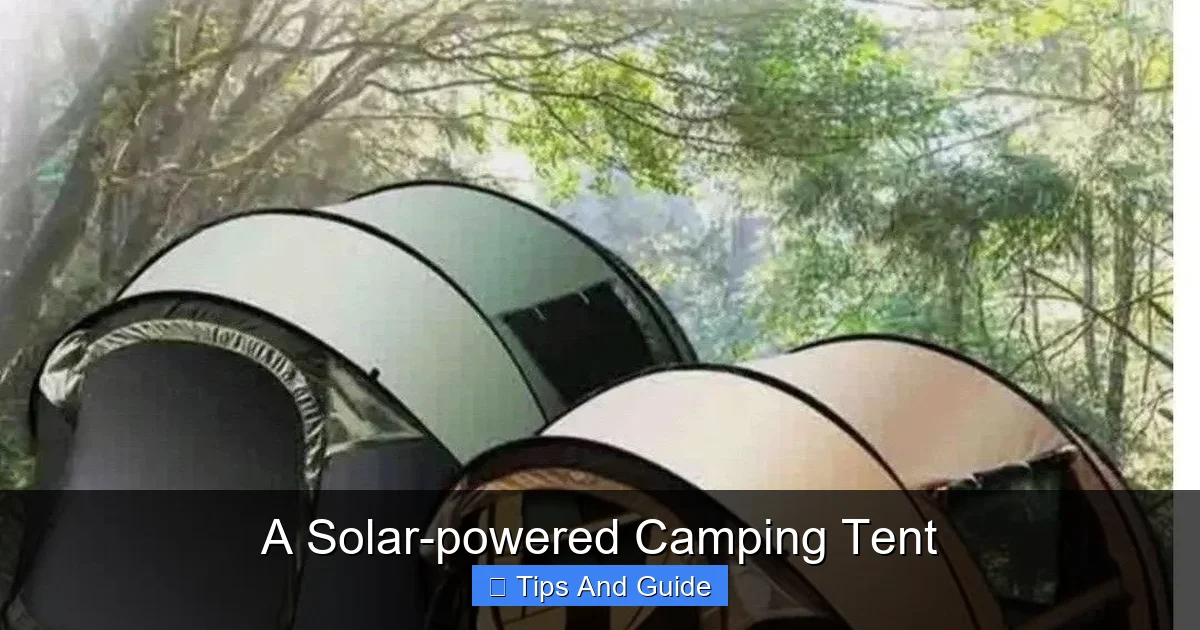
With the growing popularity of solar camping gear, the market offers a variety of options. To find the best solar-powered tent for your needs, consider these key factors:
Solar Panel Capacity and Efficiency
The wattage of the solar panels directly indicates their power-generating capacity. Higher wattage means faster charging and the ability to power more devices. Look for panels that are also highly efficient, meaning they can convert a larger percentage of sunlight into electricity. Detachable panels offer flexibility in positioning them for optimal sun exposure while keeping the tent shaded.
Battery Storage and Power Output
Consider the battery’s capacity (measured in milliampere-hours or watt-hours). A larger capacity battery will store more energy, providing power for longer periods, especially when the sun isn’t cooperating. Check the available power outputs (e.g., USB-A, USB-C) and their amperage to ensure they can adequately charge your devices. Some tents may also offer AC outlets for standard electronics.
Tent Durability and Weather Resistance
Just like any tent, the construction and materials are paramount. Ensure the tent is made from robust, waterproof, and UV-resistant fabrics. The seams should be sealed, and the zippers durable. The integrated solar panels should also be designed to withstand the elements, being waterproof and resistant to abrasion. You don’t want your power source compromised by a sudden rain shower.
Size and Capacity
Think about how many people will be using the tent and what gear you typically bring. Solar tents come in various sizes, from solo backpacking models to larger family tents. Ensure there’s enough interior space for sleeping and gear, and that the solar setup doesn’t significantly compromise this.
Portability and Setup
Consider the weight and packed size of the tent, especially if you plan on backpacking or hiking to your campsite. The setup process should be as straightforward as possible. Detachable solar panels add an extra step but offer much greater flexibility in their placement to maximize sunlight absorption.
Powering Your Camping Essentials
A solar-powered camping tent can significantly enhance your comfort and connectivity. Here’s a look at what you can realistically power and how to maximize its potential.
Charging Your Devices
The most common use for the power generated is charging personal electronic devices. Smartphones, tablets, e-readers, GPS units, and digital cameras can all be kept powered up. This is invaluable for communication, navigation, entertainment, and documenting your adventures. For those who want to keep their phones charged for emergencies or to stay connected to loved ones, this is a game-changer.
Illuminating Your Campsite
Many solar tents come with built-in LED lighting systems or have easy-to-integrate options. This provides soft, energy-efficient lighting inside and around your tent, eliminating the need for battery-powered lanterns. Having reliable lighting makes navigating your campsite at night much easier and safer. You can find great camping lights for tents to complement your solar setup if your tent’s integrated lighting isn’t sufficient.
Running Small Appliances
Depending on the wattage of the solar panels and the battery capacity, you might be able to run very low-power appliances. This could include small portable fans to keep you cool on warm nights (consider checking out camping fans for tents) or a portable speaker for some ambient music. High-draw items like portable refrigerators or coffee makers are generally beyond the capabilities of most integrated solar tent systems.
Maximizing Power Generation
To get the most out of your solar tent, positioning is key.
* Angle Towards the Sun: Whenever possible, orient the solar panels directly towards the sun. In the morning, you might need to reposition them as the sun moves across the sky.
* Avoid Shade: Even partial shade can significantly reduce the power output of solar panels. Ensure there are no trees, branches, or other obstructions blocking the sunlight.
* Clean Panels: Dust, dirt, and debris can accumulate on the panels, reducing their efficiency. Wipe them down with a damp cloth periodically.
* Check Battery Status: Monitor your battery’s charge level. If you have a lot of cloudy days, you might need to conserve power more carefully.
Setting Up and Maintaining Your Solar Tent
The setup and maintenance of a solar-powered camping tent are generally similar to traditional tents, with a few solar-specific considerations.
Pitching Your Tent
The process of pitching the tent itself is usually very similar to any standard tent. You’ll follow the instructions for inserting poles, attaching the fly, and staking it down. The main addition is managing the solar panels. If they are integrated, they are part of the tent fabric. If they are detachable, you’ll have a separate step to connect them and position them optimally.
Connecting the Solar Components
This typically involves plugging a cable from the solar panel array into a charge controller, which is often built into the tent or a separate unit. From the charge controller, power is directed to the internal battery or directly to the power output ports. Ensure all connections are secure and protected from the elements.
Maintenance for Longevity
* Panel Care: As mentioned, keep the solar panels clean. A soft cloth and water are usually sufficient. Avoid abrasive cleaners.
* Battery Health: Follow the manufacturer’s recommendations for battery care. This might involve ensuring the battery is not left fully discharged for extended periods.
* Fabric Care: Store the tent clean and dry to prevent mildew. Treat the fabric with water-repellent sprays as needed, similar to any high-quality tent.
* Check Connections: Periodically inspect the electrical connections for any signs of corrosion or damage.
The Future of Camping: Solar Integration
Solar-powered camping tents are more than just a novelty; they represent a significant step towards more sustainable and convenient outdoor adventures. As technology advances, we can expect even more integrated and efficient solar solutions in camping gear. Imagine tents that can power small refrigerators, or even charge electric bikes!
While the technology is still evolving, and current solar tents are best suited for charging small electronics and running low-power lights, their potential is immense. They offer a glimpse into a future where we can enjoy the natural world without leaving a heavy technological or environmental footprint. Whether you’re a seasoned camper or new to the outdoors, a solar-powered tent is an exciting innovation worth considering for your next adventure. It’s about embracing the sun, staying connected, and camping smarter.
Frequently Asked Questions
What kind of devices can I charge with a solar-powered camping tent?
Typically, you can charge smartphones, tablets, e-readers, GPS devices, and digital cameras. Some more powerful systems might also be able to run low-wattage items like portable USB fans or LED lights.
How much power can a solar camping tent generate?
The power output varies greatly depending on the size and efficiency of the solar panels, as well as the amount of direct sunlight. Smaller panels might generate enough to trickle-charge a phone, while larger, more advanced systems can provide a more substantial charge or even power small appliances.
What happens on cloudy days or at night?
On cloudy days, the power generation will be significantly reduced. At night, you will rely on the energy stored in the tent’s battery from previous sunny days. It’s important to manage your power usage accordingly during periods of low sunlight.
Are solar-powered camping tents durable?
Yes, reputable solar tents are designed to be durable and weather-resistant, often using robust, waterproof materials. The solar panels themselves are usually made to withstand outdoor conditions, but it’s still wise to protect them from extreme weather or physical damage when possible.
Is a solar-powered tent more expensive than a regular tent?
Generally, solar-powered camping tents have a higher upfront cost compared to traditional tents due to the integrated technology. However, the long-term savings from not needing external power sources or batteries can offset this initial investment for frequent campers.
How do I set up a solar-powered camping tent?
Setting up is similar to a standard tent, with the added step of positioning the solar panels to face the sun for maximum energy capture. If the panels are detachable, you’ll connect them to the tent or battery unit via cables. Always refer to the specific manufacturer’s instructions.
