

A-frame tents are a classic choice for camping, offering straightforward setup and robust weather protection. Their triangular design sheds rain and snow effectively, making them a reliable shelter for various conditions. This guide explores the benefits, drawbacks, and essential tips for choosing and using an A-frame tent for your next adventure.
Hey there, fellow adventurers! Thinking about your next camping trip and wondering about the perfect shelter? If you’re picturing that iconic, triangular shape that immediately screams “camping,” then you’re likely thinking about an A-frame tent. These tents have been a staple in the camping world for decades, and for good reason. They’re simple, dependable, and have a timeless charm that many campers absolutely adore.
In this guide, we’re going to dive deep into the world of A-frame tents for camping. We’ll explore what makes them so popular, where they shine, and where they might not be the best fit for your specific needs. Whether you’re a seasoned camper or just starting out, understanding the nuances of different tent types is key to a comfortable and enjoyable outdoor experience. Let’s get started on unraveling the magic of the A-frame tent!
Key Takeaways
- Simplicity and Stability: A-frame tents are known for their easy setup, usually requiring just two poles to create a stable structure.
- Excellent Weather Resistance: The steep, angled walls are highly effective at shedding rain and snow, providing superior protection against the elements.
- Durability: Generally constructed with strong materials, A-frame tents can withstand wind and wear, offering long-lasting performance.
- Ventilation Challenges: Some designs can have limited ventilation, potentially leading to condensation inside the tent.
- Interior Space: While stable, the angled walls can reduce usable headroom and floor space compared to other tent styles.
- Portability: Most A-frame tents are relatively lightweight and pack down compactly, making them easy to transport.
- Ideal for Solo or Pairs: Best suited for solo campers or couples, though larger models can accommodate small families.
📑 Table of Contents
The Enduring Appeal of the A-Frame Tent
There’s something incredibly nostalgic and reassuring about an A-frame tent. Its design is wonderfully straightforward: two poles, a fabric body, and a shape that strongly resembles the letter ‘A’. This simplicity is one of its biggest selling points. Unlike some of the more complex modern tents that can feel like an engineering project to set up, an A-frame tent is usually a breeze. You can often get it up and ready for occupancy in just a few minutes, which is a huge plus after a long hike or a day of driving.
Why Campers Love the A-Frame
The enduring appeal of the A-frame tent isn’t just about ease of setup, though that’s a big part of it. It’s also about its inherent stability and excellent weather resistance. The steep, angled walls are incredibly effective at shedding rain and snow. Imagine a heavy downpour or a surprise snowfall – an A-frame tent is designed to let that precipitation slide right off, keeping you dry and your shelter intact. This makes them a reliable choice for camping in unpredictable weather conditions.
Beyond functionality, there’s a certain aesthetic to the A-frame. It’s a classic look that evokes images of traditional camping trips, campfires, and starry nights. For many, this design represents a connection to the roots of outdoor recreation, a reminder of simpler times and a pure enjoyment of nature.
Understanding the A-Frame Design
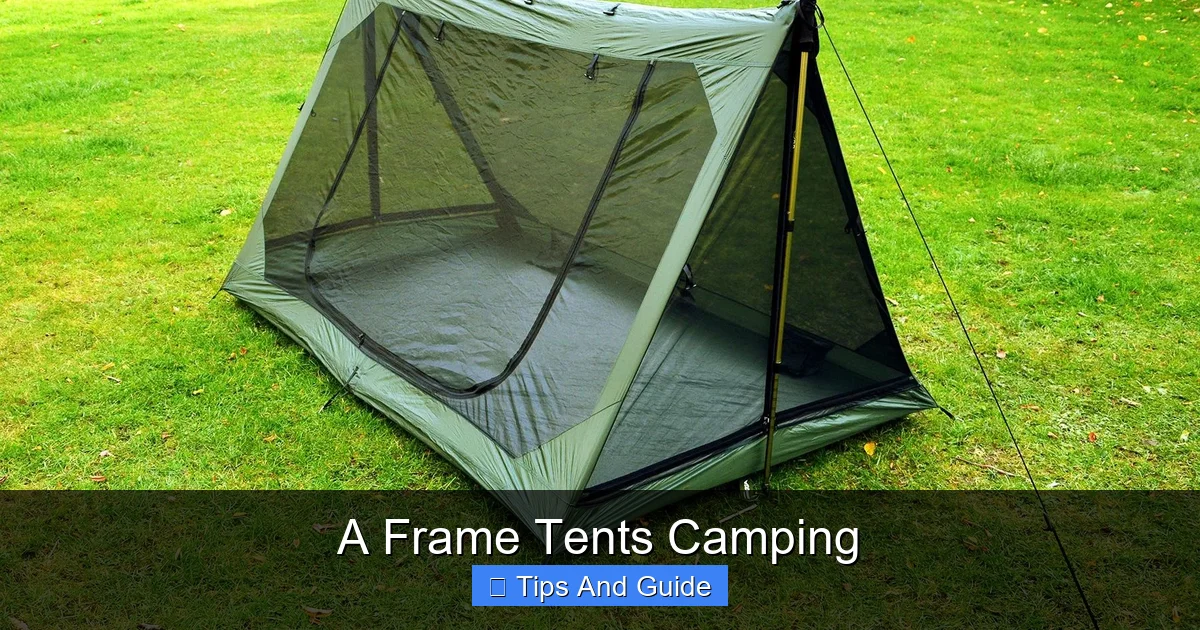
The fundamental design of an A-frame tent is what gives it its unique characteristics. It’s characterized by a central ridge pole or two main upright poles supporting a triangular structure. The fabric then drapes over this frame, creating two sloping sides that meet at the ground. This geometry is not only visually distinctive but also highly functional for dealing with the elements.
Key Structural Elements
The main components of an A-frame tent are typically:
Visual guide about A Frame Tents Camping
Image source: militarymart.co.uk
- Poles: Usually two main poles that form the ‘A’ shape. These can be external or internal to the tent fabric.
- Fabric: The tent body, often made from durable, waterproof materials like polyester or nylon.
- Guy Lines: Essential for stability, these ropes connect the tent to stakes in the ground, helping it withstand wind.
- Stakes: Used to secure the tent and guy lines to the ground.
The simplicity of this structure means fewer things can go wrong. Fewer poles mean less weight and fewer pieces to keep track of, making packing and unpacking a simpler affair.
Pros and Cons of A-Frame Tents for Camping
Like any piece of gear, A-frame tents have their strengths and weaknesses. Understanding these will help you decide if an A-frame is the right tent for your next outdoor adventure.
The Advantages
Excellent Weather Protection: As mentioned, the steep walls are superb at shedding rain and snow. This is perhaps their most significant advantage. Even in a strong storm, an A-frame tent is likely to keep you dry and safe inside.
Visual guide about A Frame Tents Camping
Image source: clickamericana.com
Simple Setup: For most A-frame tents, setting them up is incredibly intuitive and fast. This is a massive benefit, especially if you’re arriving at your campsite late or dealing with challenging weather conditions.
Durability: The robust design and often sturdy construction mean A-frame tents can be very durable. They tend to withstand wind well due to their stable shape and the ability to be securely guyed out.
Lightweight and Packable: Many A-frame tents are designed to be lightweight and pack down relatively small, making them easy to carry on backpacking trips or store in your gear closet.
Affordability: Often, A-frame tents are more budget-friendly than some of their more complex counterparts, making them a great entry-level option for new campers.
The Disadvantages
Limited Headroom: The steeply sloped walls, while great for rain, mean that the usable space inside is often limited, especially around the edges. You might find yourself stooping or crawling in certain areas.
Condensation Issues: Some A-frame tent designs can have limited ventilation. This can lead to condensation building up inside, especially in cooler or humid conditions. Proper ventilation management is key.
Awkward Interior Layout: The triangular shape can sometimes make it tricky to arrange sleeping pads and gear efficiently. You might have a lot of wasted space at the very corners.
Not Ideal for Large Groups: While there are larger A-frame models, they are generally best suited for solo campers or couples. Fitting more than two people comfortably can be a squeeze.
Choosing the Right A-Frame Tent for You
When you’re on the hunt for an A-frame tent, consider a few key factors to ensure you pick the one that best suits your camping style.
Size Matters
Think about who will be using the tent. For solo adventures or romantic getaways, a 1-2 person A-frame is perfect. If you’re camping with a partner and want a bit more space for gear, consider a 2-3 person model. For families, A-frame tents might become less practical due to the space limitations, and you might want to explore options like best cabin tents for family camping.
Material and Durability
Look for tents made from high-quality, waterproof, and breathable fabrics like ripstop polyester or nylon. Check the denier count – a higher number generally indicates a more durable fabric. Also, inspect the poles; aluminum poles are generally lighter and stronger than fiberglass.
Ventilation Features
Even with the potential for condensation, look for A-frame tents that incorporate some ventilation. This might include mesh windows, vents at the peak of the tent, or vestibules that allow for airflow when the main doors are closed. Good ventilation is crucial for a comfortable camping experience.
Ease of Setup
While most A-frames are easy to set up, some might have slightly more complex pole designs or require more stakes and guy lines. If you prioritize speed and simplicity above all else, read reviews and look for models specifically praised for their quick setup.
Tips for Camping with Your A-Frame Tent
Once you’ve got your A-frame tent, here are some tips to make your camping experience even better.
Site Selection
Choose a flat, level spot for your tent. This will maximize your usable floor space and prevent you from rolling onto your neighbor (or out of the tent!). Avoid pitching your tent in depressions where water might collect if it rains.
Proper Pitching
Take your time to pitch the tent correctly. Ensure the fabric is taut and all guy lines are secured. This will not only make the tent more stable in wind but also improve its ability to shed water effectively. Properly tensioned fabric prevents sagging, which can cause water to pool.
Managing Condensation
To combat condensation, try to ventilate the tent as much as possible. Open vents, leave the rainfly slightly unzipped if weather permits, or consider a small, battery-powered camping fan. Bringing a microfiber towel to wipe down any interior moisture can also be helpful. You might also consider the best camping pads for tents or camping mats for tents to add a layer of insulation from the ground, which can sometimes help reduce internal condensation.
Gear Organization
Be mindful of your interior space. Use vertical storage solutions if possible, like hanging organizers. Keep your sleeping area clear and store gear in the vestibule if your tent has one. This helps maintain a sense of order and makes it easier to move around.
Weather Preparedness
While A-frames are great in bad weather, it’s always wise to be prepared. Pack appropriate clothing, and consider bringing a ground tarp for extra protection under the tent. For colder nights, a reliable battery-powered camping heater can make a significant difference.
Beyond the A-Frame: Other Tent Options
While the A-frame tent holds a special place in many campers’ hearts, it’s worth knowing that other tent designs are available, each with its own set of advantages. If you’re looking for something incredibly easy to set up, perhaps for car camping or festivals, you might be interested in best pop-up tents for camping or the best camping pop-up tents. These tents practically set themselves up. For larger groups or those prioritizing standing room, cabin tents, like the best cabin tents for camping, offer more vertical space and often multiple rooms.
Considering Your Camping Style
Your choice of tent should align with your camping activities. If you’re a minimalist backpacker, a lightweight A-frame or a specialized backpacking tent might be ideal. For family car camping, a spacious cabin tent or a larger dome tent might be more suitable. If you’re after quick setup for short trips or events, pop-up tents are hard to beat. Understanding these differences ensures you invest in a tent that truly enhances your outdoor adventures, rather than detracting from them.
Conclusion: The Timeless A-Frame
The A-frame tent is more than just a shelter; it’s a classic piece of camping heritage. Its straightforward design, robust weather resistance, and enduring simplicity make it a fantastic choice for many campers, especially those who value reliability and ease of use. While it might have limitations in headroom and interior space compared to some modern designs, its core strengths often outweigh these drawbacks for many outdoor enthusiasts.
Whether you’re heading out for a solo weekend escape or a cozy trip with a partner, an A-frame tent can provide a secure and comfortable home base from which to explore the great outdoors. So next time you’re planning a camping trip, consider the timeless appeal and practical benefits of the A-frame tent. It might just be the perfect companion for your adventures.
Frequently Asked Questions
What is the main advantage of an A-frame tent?
The primary advantage of an A-frame tent is its exceptional ability to shed rain and snow due to its steep, angled walls. This design offers superior weather protection compared to many other tent styles.
Are A-frame tents easy to set up?
Yes, generally A-frame tents are known for their simple and quick setup. They typically require only a few poles and can often be pitched in just a few minutes.
What are the main disadvantages of A-frame tents?
The main disadvantages include limited headroom and usable floor space due to the sloped walls, and potential issues with condensation if ventilation is poor.
Are A-frame tents good for windy conditions?
Yes, A-frame tents are typically very stable, especially when properly guyed out. Their aerodynamic shape and strong frame help them withstand windy conditions effectively.
Who are A-frame tents best suited for?
A-frame tents are best suited for solo campers, couples, or small groups who prioritize ease of setup and excellent weather protection and don’t mind the slightly reduced interior space.
Can I use an A-frame tent for car camping?
Absolutely! A-frame tents are great for car camping as their weight and size are usually manageable. Their quick setup is also a bonus after a drive to the campsite.
