
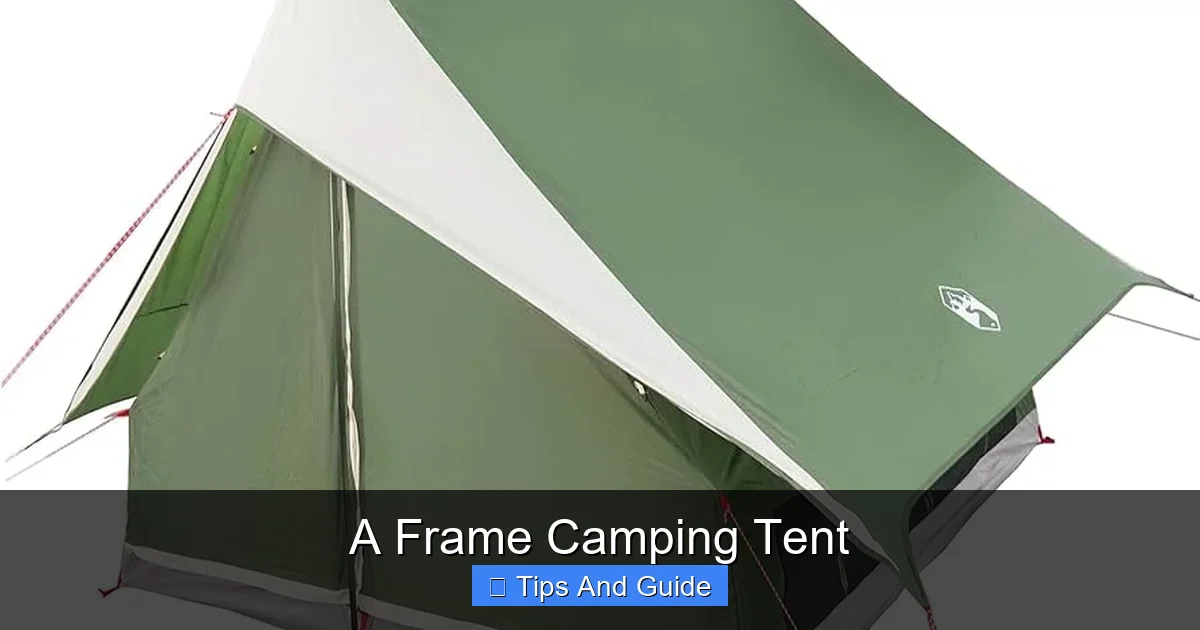
The A-frame camping tent, a timeless design, offers simplicity and reliability for outdoor enthusiasts. Known for its distinct triangular shape, it provides excellent stability and weather resistance, making it a popular choice for various camping trips. Understanding its features and benefits is key to selecting the right A-frame for your needs.
# A Frame Camping Tent
There’s something incredibly nostalgic about the classic A-frame camping tent. Its simple, iconic shape evokes images of campfire stories, starlit skies, and the pure joy of being outdoors. For generations, the A-frame has been a reliable companion for adventurers, offering a straightforward and dependable shelter. Whether you’re a seasoned camper or just starting your journey into the wilderness, understanding the A-frame tent is a great way to appreciate a fundamental piece of camping gear.
This guide is all about the A-frame camping tent. We’ll dive into what makes it special, its advantages and disadvantages, and what to look for when you’re ready to buy one. We’ll cover everything from its historical roots to practical tips for setting it up and using it in the wild. Get ready to explore the charm and practicality of this beloved camping shelter.
## The Timeless Appeal of the A-Frame Design
The A-frame tent design is one of the oldest and most recognizable tent styles. Its name comes from its shape, which resembles the uppercase letter “A.” This simple geometric form is inherently strong. Think of a classic triangle; it’s a very stable shape. This stability is a huge benefit when you’re camping, especially if the weather decides to throw a curveball your way.
### A History of Stability
The A-frame’s design likely evolved from early canvas shelters and pup tents used by explorers and military personnel. Its simplicity meant it was relatively easy to manufacture and transport. The design prioritizes structural integrity with minimal components. Two poles are typically all that’s needed to prop up the tent, creating the characteristic pitched roof. This straightforward construction has made it a favorite for decades, especially for car camping where weight might not be the primary concern.
### How it Works: Structure and Function
The magic of the A-frame lies in its simplicity. You usually have two main poles, one for each end of the tent, which are inserted into sleeves or attach to grommets at the top corners. Guy lines are then attached to the sides and secured with stakes to provide tension and stability. The fabric stretches between these points, creating the sloped walls. These walls are crucial for shedding rain and snow efficiently, preventing pooling and potential leaks. The steep pitch means water runs off quickly, keeping the interior dry.
## Advantages of Choosing an A-Frame Tent
When you’re deciding on a tent, you have many options. But the A-frame camping tent offers some distinct advantages that make it a compelling choice for many campers. Its straightforward design translates into practical benefits that can enhance your outdoor experience.
### Simplicity in Setup
One of the biggest wins for the A-frame is its ease of setup. For many models, you’ll find it’s a breeze to get your shelter ready. Typically, it involves just a couple of poles and some stakes. You insert the poles, stake it out, and you’re done. This is fantastic if you’re arriving at the campsite late, or if you’re not a seasoned gear-head. There aren’t complicated pole structures or multiple layers to wrestle with. It’s a quick and efficient way to get your home away from home established.
### Excellent Weather Resistance
The sloped sides of an A-frame tent are its secret weapon against the elements. Rain, snow, and even wind tend to slide right off. This is because the steep angle of the fabric doesn’t give water or snow much of a chance to accumulate. This design is far more effective at shedding precipitation than tents with flatter surfaces. For campers who frequently face unpredictable weather, this inherent resistance is a major plus. It means you’re more likely to stay dry and comfortable, no matter what Mother Nature throws at you.
### Durability and Longevity
A-frame tents are often built with robust materials. Because their design is so fundamental and has been around for so long, manufacturers tend to use time-tested, durable fabrics and sturdy poles. When cared for properly, an A-frame tent can last for many camping seasons. Unlike some more complex designs that might have more points of failure, the A-frame’s simplicity often translates to greater longevity. They are tough and can withstand the rigors of regular use.
### Natural Ventilation
While not always the primary focus, A-frame tents often offer decent natural ventilation. The openings at the front and back, along with the space between the flysheet and the inner tent (if it’s a double-wall design), allow for airflow. This helps to reduce condensation buildup inside the tent. Good ventilation is key to a comfortable camping experience, preventing that stuffy, damp feeling. For cooler weather camping, this airflow is particularly beneficial.
## Potential Downsides of A-Frame Tents
While the A-frame camping tent is a classic for good reason, it’s not without its drawbacks. Understanding these limitations will help you make an informed decision about whether it’s the right tent for your specific needs and camping style.
### Interior Space and Headroom Limitations
The signature sloped walls of the A-frame, while great for shedding rain, do impact interior space. The usable floor area can feel smaller than that of a dome tent with vertical walls. As you move towards the edges of the tent, the ceiling height drops significantly. This means you might find yourself crouching or sitting rather than standing up fully inside. This can be a bit confining, especially for taller individuals or if you plan to spend a lot of time inside your tent during bad weather.
### Ventilation in Hot Weather
While A-frames can offer good natural ventilation, this can sometimes be a double-edged sword, especially in very hot and humid conditions. If the design doesn’t allow for ample cross-breezes or if you can’t fully open both ends, the tent can heat up. Unlike modern dome tents with mesh panels and multiple vents, some A-frames might rely more on the entry doors for airflow. This can make them feel stuffy and less comfortable when temperatures soar. However, many newer A-frame models do incorporate better ventilation features.
### Weight and Bulk for Backpacking
Traditional A-frame tents, especially those made with heavier canvas or designed for family car camping, can be quite heavy and bulky. This makes them less ideal for backpacking, where every ounce counts. While smaller, lighter synthetic versions exist, they might not always compete with the ultra-lightweight backpacking tents designed specifically for off-trail adventures. If your primary camping style involves hiking long distances with all your gear, a lighter, more compact tent might be a better fit.
### Limited Features Compared to Modern Designs
Some of the older A-frame designs might lack the modern amenities found in other tent types. You might not find extensive mesh panels for bug protection, multiple interior pockets for organization, or advanced vestibule designs for gear storage. While this simplicity can be part of the charm, it’s worth considering if you value these extra features in your camping setup. Newer A-frame models are incorporating more of these conveniences, so it’s important to check the specific features of any tent you consider.
## Choosing the Right A-Frame Camping Tent for You
When you’re ready to buy an A-frame camping tent, think about a few key things. Your choice will depend on your camping style, the number of people you need to accommodate, and the conditions you expect to face.
### Consider the Size and Capacity
A-frame tents are often described by their capacity, like 2-person, 4-person, or even larger family sizes. However, remember that the advertised capacity is often a tight fit. For comfort, especially if you’re bringing gear inside or want a bit more elbow room, it’s usually best to go up one size from what you think you’ll need. For instance, if you’re a couple, a 3-person or 4-person A-frame might be more comfortable. Think about sleeping arrangements and whether you plan to store extra gear inside the tent.
### Material Matters: Durability vs. Weight
A-frame tents come in various materials. Traditional canvas tents are incredibly durable, water-resistant, and breathable, but they are also heavy and can take longer to dry. Modern synthetic materials like polyester or nylon are lighter, more compact, and often cheaper. However, they might not offer the same level of breathability or long-term durability as canvas. Consider your priorities: if you’re car camping and prioritize ruggedness, canvas might be appealing. If you need something lighter and easier to pack, synthetics are the way to go.
### Pole Material and Design
The poles are the backbone of your A-frame tent. Aluminum poles are a good balance of strength, lightness, and durability. Fiberglass poles are generally less expensive but can be more prone to breaking or splintering. Steel poles are very strong but also very heavy, making them best suited for large, stationary car camping tents. Ensure the pole design is intuitive and easy to assemble. Many good A-frame tents use simple, interlocking pole sections that make setup a breeze.
### Weatherproofing Features
Even within the A-frame category, look for tents with good weatherproofing features. Check the hydrostatic head rating of the fabric (higher numbers mean better waterproofing). Ensure the seams are taped or sealed to prevent leaks. Consider if the tent has a rainfly that extends close to the ground for maximum protection. Look for features like adjustable vents and sturdy zippers that can withstand wind and rain. A well-designed rainfly is crucial for keeping the interior dry.
### Ease of Setup and Portability
As mentioned, A-frames are generally easy to set up, but some are easier than others. Look for clear instructions, color-coded poles, or intuitive sleeve designs. If portability is a concern, check the packed weight and dimensions. A smaller, lighter A-frame might be manageable for short hikes from the car to the campsite, but it won’t replace a dedicated backpacking tent. For car camping, most A-frames offer a good balance of space and portability.
## Practical Tips for Using Your A-Frame Tent
Once you’ve chosen your A-frame camping tent, there are a few things you can do to make your camping experience even better and ensure your tent lasts as long as possible.
### Site Selection is Key
When setting up your A-frame, choose your campsite wisely. Look for a level spot that’s free of rocks and roots that could puncture the tent floor or make sleeping uncomfortable. Position your tent so the doors face away from the prevailing wind if possible. This will prevent wind from blowing directly into your tent. Also, consider drainage; avoid setting up in a dip where water might collect if it rains. A good location makes a huge difference to your comfort and the tent’s performance.
### Ventilation Management
Even with good natural ventilation, managing airflow is important. Open the vents or the doors strategically to create a cross-breeze. In cooler weather, you might want to keep one door partially or fully closed to retain heat, but ensure some air can still get in to prevent condensation. In warmer weather, open up as much as you can to let the air circulate. If you’re concerned about bugs, you can use a fine mesh screen or a small tent fan to help with air circulation without letting critters in. For more on keeping your tent comfortable, check out our guide on best camping fans for tents.
### Ground Protection and Comfort
To protect your tent floor from abrasion and punctures, consider using a footprint or a ground tarp. This layer goes underneath your tent and adds an extra barrier. For sleeping comfort, a good sleeping pad is essential. Whether you opt for a foam pad, an inflatable air mattress, or a cot, it will insulate you from the cold ground and provide cushioning. For some great options, explore our reviews on the best camping mats for tents and the best camping mattresses for tents.
### Maintaining Your Tent
Proper maintenance will extend the life of your A-frame tent. After each trip, let your tent dry completely before storing it. This prevents mildew and mold, which can damage the fabric and create unpleasant odors. Clean off any dirt or debris. Store your tent in a cool, dry place. If you notice any small tears or seam leaks, repair them promptly. Regularly checking and tightening guy lines will also help maintain the tent’s structure and stability.
## Is an A-Frame Tent Right for You?
The A-frame camping tent remains a solid choice for many types of campers. Its enduring popularity isn’t just about nostalgia; it’s about its proven effectiveness, simplicity, and reliability. If you value ease of setup, robust weather resistance, and a classic camping experience, an A-frame is definitely worth considering.
It’s perfect for car campers who want a straightforward shelter that can handle a bit of weather. Families might appreciate the larger sizes for their spaciousness, although the sloped walls mean less standing room than some modern designs. If you’re a beginner camper, the simplicity of an A-frame can make your first few trips much more enjoyable.
However, if your adventures involve long-distance backpacking or if you need maximum interior space and headroom for extended stays in hot climates, you might want to explore other tent types, like dome tents or cabin tents. But for many, the A-frame camping tent offers the ideal blend of tradition, functionality, and affordability. It’s a testament to good design that it continues to be a favored option for getting out and enjoying the great outdoors.
- Iconic Shape: The A-frame tent’s triangular structure offers inherent stability, making it resilient against wind.
- Ease of Setup: Generally simple to pitch, often requiring just two poles and stakes.
- Weather Protection: Its sloped sides effectively shed rain and snow, providing good protection.
- Ventilation: While generally good, ventilation can sometimes be a trade-off, especially in warmer climates.
- Interior Space: Tapers towards the ends, which can limit usable floor space and headroom compared to dome tents.
- Durability: Often constructed with robust materials, leading to a long lifespan if cared for properly.
- Portability: Varies by size and material, but generally manageable for car camping.
Frequently Asked Questions
What is the main advantage of an A-frame tent?
The primary advantage of an A-frame tent is its exceptional stability and weather resistance due to its inherent triangular shape. This design effectively sheds rain and snow, making it a reliable shelter in various conditions.
Are A-frame tents easy to set up?
Yes, A-frame tents are generally very easy to set up. Most models require only two main poles and a few stakes, making them quick to pitch, even for novice campers.
How much interior space can I expect in an A-frame tent?
While A-frame tents are stable, their sloped walls can limit interior headroom and usable floor space, especially towards the edges, compared to tents with more vertical walls.
Are A-frame tents good for hot weather camping?
Ventilation can be a mixed bag. While they offer natural airflow, some A-frame designs might become stuffy in very hot and humid conditions if they lack sufficient cross-ventilation features compared to modern tents.
What kind of camping is an A-frame tent best suited for?
A-frame tents are ideally suited for car camping, where their weight and bulk are less of an issue. They are also great for beginners and for those who prioritize simplicity and weather protection.
How do I maintain my A-frame tent to ensure its longevity?
To maintain your A-frame tent, always ensure it is completely dry before storing, clean off dirt, and make any necessary repairs promptly. Proper storage in a cool, dry place will prevent damage like mildew and prolong its lifespan.
