
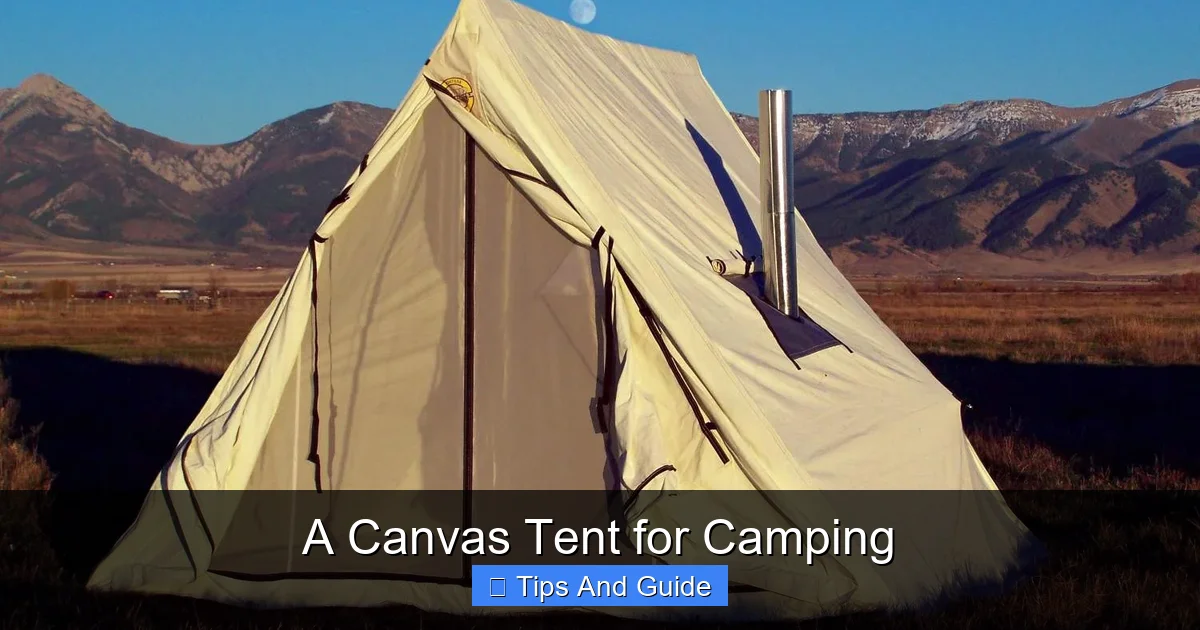
A canvas tent for camping offers unmatched durability, breathability, and a classic camping experience. While heavier, these tents provide superior weather protection and comfort, making them a worthwhile investment for serious campers. Learn all about their benefits, types, setup, and care to make an informed decision for your outdoor adventures.
There’s a certain magic to camping, isn’t there? The smell of pine needles, the crackling campfire, and the vast expanse of stars overhead. For many, the quintessential camping experience involves a sturdy, reliable shelter that feels as much a part of nature as the surroundings themselves. This is where a canvas tent for camping truly shines. Forget the flimsy, brightly colored nylon that might flap and tear in a stiff breeze. A canvas tent is a commitment to a more traditional, and arguably more rewarding, way of experiencing the great outdoors.
If you’re looking for a camping shelter that offers durability, comfort, and a touch of timeless style, a canvas tent might be your perfect match. These tents have been a trusted companion for adventurers for generations, and for good reason. They’re built to last, offer superior protection from the elements, and create a cozy, breathable haven amidst nature. Let’s dive into why a canvas tent for camping could be the best decision you make for your outdoor excursions.
## The Enduring Appeal of Canvas: Why Choose It?
When you think of camping, what comes to mind? For many, it’s the classic image of a sturdy tent that can withstand the elements. Canvas tents embody this ideal. Made from densely woven cotton or a cotton-polyester blend, canvas is a natural material that offers a unique set of advantages over synthetic alternatives.
### Durability That Stands the Test of Time
One of the most compelling reasons to choose a canvas tent is its sheer durability. Unlike many synthetic fabrics that can degrade over time due to UV exposure or become brittle in cold weather, a well-maintained canvas tent can last for decades. The thick weave of the fabric is resistant to tears and punctures, making it a much more robust option for camping in varied conditions. Imagine passing down your favorite tent through the years – that’s the kind of longevity a canvas tent offers. This makes it a sound investment for anyone who camps regularly and wants a shelter they can rely on year after year.
### Superior Breathability and Climate Control
This is where canvas really differentiates itself. Synthetic tents, while lighter, can often trap moisture, leading to condensation buildup inside. This can make your tent feel damp and uncomfortable, especially during cooler or humid weather. Canvas, on the other hand, is naturally breathable. It allows air to circulate, which helps to reduce condensation and maintain a more stable internal temperature. This means a cooler tent on a hot day and a drier, more comfortable environment during damp weather. It creates a living space that feels more like a room and less like a plastic bag.
### Natural Weather Protection
Canvas, especially when treated, provides excellent protection against a range of weather conditions. It’s inherently water-resistant, and with proper proofing, it can be completely waterproof, keeping you dry even during heavy downpours. The dense weave also acts as a natural barrier against wind, offering a more stable shelter than many lighter tents. Additionally, canvas offers excellent UV protection, providing shade and preventing the interior from becoming an oven on sunny days.
### The Aesthetic and Sensory Experience
There’s an undeniable charm and classic aesthetic to a canvas tent. The natural, earthy tones blend beautifully with the outdoor environment. Many campers find the muted colors and the tactile feel of canvas contribute to a more immersive and authentic camping experience. It’s a step away from the high-tech gear and back towards a simpler, more connected way of enjoying the outdoors.
## Types of Canvas Tents for Your Camping Style
Canvas tents come in various styles, each suited to different camping needs and preferences. Understanding these types can help you choose the perfect canvas companion for your adventures.
### Bell Tents: The Iconic Choice
Bell tents are perhaps the most recognizable style of canvas tent. Characterized by their single central pole and sloping walls that extend to the ground, they offer a spacious, open interior.
* **Pros:** Extremely spacious, easy to set up for their size, excellent ventilation, and a beautiful, distinctive look. They are often large enough to stand up in and move around comfortably.
* **Cons:** Can be heavy and bulky to transport, and the central pole can sometimes be a minor obstruction.
* **Ideal for:** Family camping, glamping, base camps, or longer stays where comfort and space are priorities.
### Safari Tents and Wall Tents: For the Serious Outdoorsperson
Safari tents, often referred to as wall tents, are designed for durability and ample living space. They typically feature vertical walls and a more angular roof design, providing maximum headroom and usable floor space.
* **Pros:** Offer vast interior space, excellent stability in high winds, and can be set up with a stove for year-round use. They often have multiple windows for ventilation and light.
* **Cons:** Heavier and more complex to set up than bell tents, often requiring multiple poles and a frame.
* **Ideal for:** Extended camping trips, hunting expeditions, backcountry base camps, or anyone who wants a robust, home-like structure in the wilderness.
### Pyramid Tents and Tipi Tents: Simplicity and Efficiency
Pyramid tents and tipis are characterized by their conical shape, supported by a single central pole or a series of poles. They are known for their structural integrity and efficient use of space.
* **Pros:** Excellent wind resistance due to their aerodynamic shape, relatively simple setup, and good interior space for their footprint.
* **Cons:** Limited headroom near the edges, and the shape might not appeal to everyone.
* **Ideal for:** Backpackers who prioritize a durable, lightweight (for canvas) shelter, or those who appreciate a minimalist, traditional design.
### Cabin Tents: Maximizing Interior Space
Similar to wall tents but often with a more straightforward design, cabin tents prioritize vertical walls and a rectangular floor plan to maximize interior living space.
* **Pros:** Offer excellent headroom and a “room-like” feel, making them comfortable for extended stays.
* **Cons:** Can be heavier and require more space for setup compared to smaller tents.
* **Ideal for:** Family camping, car camping, and anyone who wants a spacious and comfortable living area.
## Setting Up Your Canvas Tent for Success
Setting up a canvas tent might take a little more effort than popping up a modern synthetic tent, but with a bit of practice, it becomes a straightforward and rewarding process. The key is understanding the pole structure and guy lines.
### Pre-Camp Preparation
Before you even head out, it’s a good idea to set up your canvas tent in your backyard or a local park. This allows you to familiarize yourself with the setup process, identify any missing parts, and check for any defects. It also gives you a chance to practice staking it out properly and tensioning the fabric. This practice run will save you time and frustration at the campsite, especially if you arrive late or in less-than-ideal weather.
### The Setup Process: A Step-by-Step Guide
1. **Clear and Level Your Site:** Choose a flat, level spot away from potential hazards like dead trees or water run-off areas. Clear the ground of rocks and debris that could damage the tent floor or make sleeping uncomfortable.
2. **Lay Out the Tent:** Unpack your tent and lay it flat on the ground. Orient it in the direction you want the door to face.
3. **Assemble the Poles:** Most canvas tents use a system of poles that either connect together or slide into sleeves. Assemble these according to the manufacturer’s instructions.
4. **Insert Poles and Raise the Tent:** Carefully insert the poles into their designated sleeves or attachment points. This is often the most crucial step. For tents with a central pole, you’ll typically attach the pole to the tent and then raise it, securing it with a base. For framed tents, you’ll erect the frame and then drape the canvas over it.
5. **Stake Down the Base:** Once the tent is standing, begin staking down the base of the tent. Use all the provided stakes and ensure they are driven into the ground at a 45-degree angle for maximum holding power.
6. **Tension the Guy Lines:** This is vital for stability and proper water runoff. Attach the guy lines to the designated loops on the tent and stake them out away from the tent, creating tension. You want the canvas to be taut but not so tight that it strains the seams. Ensure all guy lines are tensioned evenly.
7. **Ventilation Check:** Open any windows or vents to allow for airflow, especially if the weather is warm or humid.
### Tips for Easier Setup
* **Two People Make it Easier:** Setting up a canvas tent is significantly easier with a second person to help manage poles and fabric.
* **Work with the Wind:** If it’s windy, try to position the tent so the wind is hitting a less vulnerable side first.
* **Use a Ground Tarp:** While many canvas tents have durable floors, an extra ground tarp underneath can add an extra layer of protection and insulation. When considering comfort, a good camping mat for tent or a camping mattress for tent can make a world of difference inside.
## Caring for Your Canvas Tent: Ensuring Longevity
A canvas tent is an investment, and like any quality gear, it requires proper care to ensure it lasts for years to come. The primary goal of canvas tent care is to keep the fabric clean, dry, and treated.
### Cleaning Your Canvas Tent
* **Spot Clean First:** For minor dirt and debris, try to brush it off with a soft brush or cloth while the tent is dry.
* **Gentle Washing:** If a deeper clean is needed, use cool water and a mild, non-detergent soap (like a specialized canvas cleaner or a very mild dish soap). Avoid harsh chemicals, bleach, or abrasive scrubbers, as these can damage the fabric and its waterproofing treatment.
* **Rinse Thoroughly:** Make sure to rinse all soap residue from the canvas. Lingering soap can attract dirt and compromise the fabric’s performance.
* **Never Machine Wash:** Machine washing can damage the fabric and its coatings.
### Drying is Crucial
This is perhaps the most important aspect of canvas tent care. **Always ensure your canvas tent is completely dry before storing it.** Storing a damp tent will almost certainly lead to mildew and mold, which can permanently damage the fabric and create a foul odor.
* **Air Dry:** The best way to dry a canvas tent is to set it up outdoors on a sunny, breezy day. Allow it to air dry completely.
* **Inside and Out:** Make sure to dry both the inside and outside of the tent, including the floor.
* **Check Seams and Corners:** Pay attention to seams, corners, and any areas where water might pool.
### Waterproofing and Treatment
Over time, the original waterproofing treatment on your canvas tent can wear off. You’ll notice this if water starts to bead up less on the fabric.
* **Reapply Treatment:** Most canvas tents benefit from a reapplication of a waterproofing treatment every few years, or as needed. Use a spray-on or paint-on treatment specifically designed for canvas. Follow the product instructions carefully.
* **UV Protection:** Some treatments also offer UV protection, which can help extend the life of your tent by preventing sun damage.
### Proper Storage
* **Cool, Dry Place:** Store your thoroughly dried canvas tent in a cool, dry place, away from direct sunlight and extreme temperatures. A basement, attic, or garage can work well, provided they are not damp.
* **Loose Fold:** Avoid tightly packing or rolling the tent, which can stress the fabric. Fold it loosely.
* **Rodent Protection:** Consider storing the tent in a sturdy plastic bin or a rodent-proof bag to protect it from pests.
## Canvas Tents vs. Synthetic Tents: Making the Right Choice
The decision between a canvas tent and a synthetic tent often comes down to your priorities and camping style.
### When to Choose Canvas:
* You prioritize durability and longevity.
* You camp frequently and want a shelter that lasts for many years.
* You value comfort, breathability, and reduced condensation.
* You prefer a classic, aesthetically pleasing camping experience.
* You are primarily car camping or base camping, and weight is less of a concern.
* You appreciate excellent weather protection, especially against wind and sun.
### When to Choose Synthetic:
* Weight and portability are your absolute top priorities (e.g., for backpacking).
* You are on a tighter budget, as synthetic tents are often less expensive upfront.
* You need a tent that is very quick and easy to set up with minimal fuss.
* You camp infrequently or are just starting out and want a less significant initial investment.
* You need a very compact and lightweight tent for situations like motorcycle camping, where space is limited. You might consider one of the best pop up tent for motorcycle camping options in this case.
Ultimately, both types of tents have their place. However, for those who dream of a more immersive and enduring outdoor experience, a canvas tent for camping offers unparalleled benefits that are hard to ignore. It’s an investment in comfort, durability, and a connection to the traditions of camping.
## Enhancing Your Canvas Tent Experience
Once you have your canvas tent, you can enhance your comfort and convenience with a few strategic additions.
### Sleeping Comfort
A comfortable night’s sleep is essential for enjoying your camping trip. While a canvas tent itself provides a great environment, the right sleeping setup makes all the difference. Consider a good camping bed for tent or a high-quality camping mattress for tent. For a more budget-friendly option that still offers great comfort, explore the best camping mat for tent selections.
### Lighting Your Space
Good lighting can transform the ambiance of your tent, especially in the evenings. For a canvas tent, where you might spend more time inside, a reliable lighting solution is key. Explore options like portable LED lanterns or battery-powered string lights for a cozy atmosphere. Check out our guide on the best camping lights for tent to find the perfect fit.
### Heating and Cooling
Depending on the climate, you might consider heating or cooling options. For colder weather, a camping wood stove for tent (ensure proper ventilation and safety protocols are followed!) or a portable propane heater can be effective. For warmer months, a battery-powered fan, like those found in our guide to the best camping fan for tent, can help circulate air.
### Furniture and Organization
Canvas tents often have ample space, making them ideal for adding some comfort items. Consider bringing a small camp table, comfortable chairs, or even storage shelves to keep your gear organized and create a more home-like feel. A good camping furniture for tents guide can offer inspiration.
## Conclusion: Embracing the Canvas Camping Lifestyle
Choosing a canvas tent for your camping adventures is a decision to embrace durability, comfort, and a timeless connection with nature. While they may require a bit more care and commitment in terms of weight and setup, the rewards are immense. You’ll have a reliable, breathable, and aesthetically pleasing shelter that enhances every outdoor experience. From the spacious bell tent for family glamping to the robust wall tent for serious adventurers, there’s a canvas tent to suit almost every need. Invest in a canvas tent, and you’re investing in countless memorable camping trips to come, creating a cozy haven that feels like a home away from home under the stars.
- Durability and Longevity: Canvas tents are incredibly robust and can last for many years, often outperforming synthetic materials.
- Breathability and Comfort: The natural fibers of canvas allow for excellent airflow, reducing condensation and creating a more comfortable interior environment.
- Weather Resistance: Properly treated canvas offers excellent protection against rain, wind, and UV rays, keeping you dry and shaded.
- Weight and Portability: Be prepared for the heavier weight of canvas tents; they are best suited for car camping or base camps rather than backpacking.
- Setup and Maintenance: While setup can be more involved than modern pop-up tents, regular care ensures the longevity of your canvas tent.
- Aesthetic Appeal: Many campers are drawn to the natural look and feel of canvas, adding to the overall camping experience.
Frequently Asked Questions
What are the main advantages of using a canvas tent for camping?
The main advantages include exceptional durability, superior breathability that reduces condensation, natural water and UV resistance, and a classic aesthetic. Canvas tents are known for lasting for many years with proper care.
Are canvas tents heavy and difficult to set up?
Canvas tents are generally heavier than their synthetic counterparts due to the fabric’s density. While setup can require a bit more effort and potentially two people, they are designed to be manageable, especially for car camping and base camps.
How do I clean and maintain my canvas tent?
Cleaning involves spot brushing and, if necessary, gentle washing with mild soap and cool water. Crucially, the tent must be dried completely before storage to prevent mildew. Regular reapplication of waterproofing treatment is also recommended.
Are canvas tents suitable for all weather conditions?
Yes, canvas tents are excellent for various weather conditions. They provide robust protection against rain, wind, and sun. With appropriate accessories like a camping heater for tent, they can even be used in colder temperatures.
How long can a canvas tent last?
With proper care, cleaning, and maintenance, a high-quality canvas tent can last for several decades, often significantly outlasting synthetic tents.
Are canvas tents a good choice for backpacking?
Generally, canvas tents are not ideal for backpacking due to their weight and bulk. They are best suited for car camping, RV camping, or situations where portability is not the primary concern, such as glamping or base camping.
