
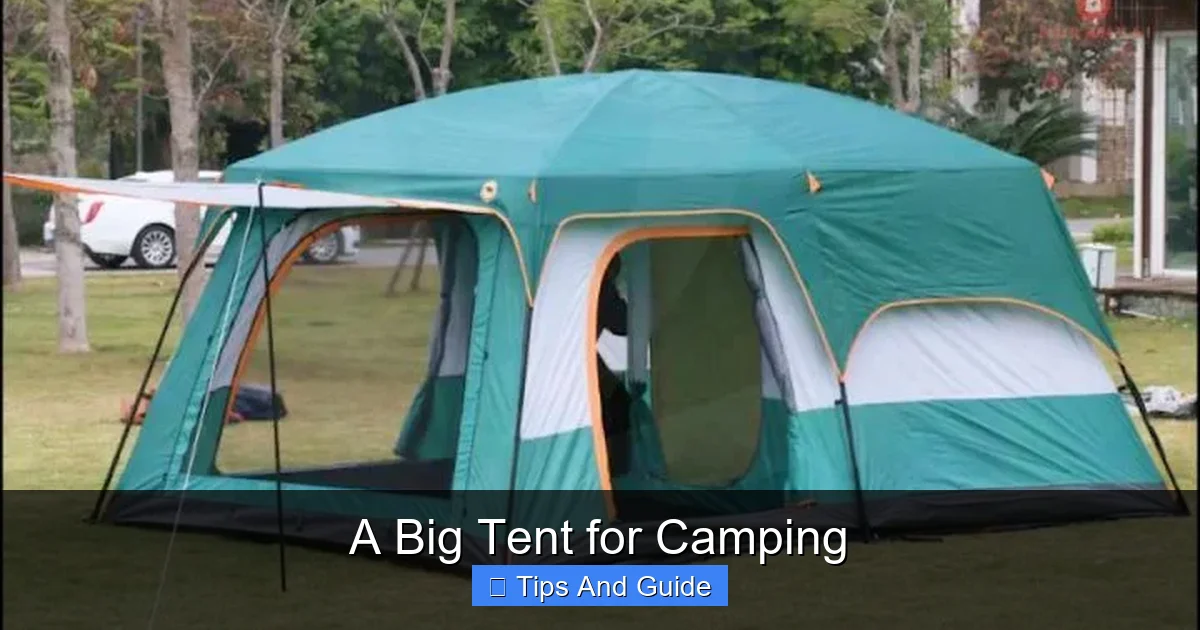
Opting for a big tent for camping unlocks unparalleled comfort and versatility for your outdoor excursions. Enjoy more living space, better gear storage, and a more enjoyable experience for families and groups. This guide covers everything you need to know to make the most of your spacious shelter.
A Big Tent for Camping
When you picture camping, what comes to mind? For many, it’s a cozy, albeit sometimes cramped, little tent nestled amongst trees. But what if you’re heading out with the whole family, a group of friends, or simply want a bit more room to stretch out after a long day of hiking? That’s where a big tent for camping comes in. It’s not just about sleeping; it’s about creating a comfortable, functional home away from home in the great outdoors.
Forget about playing Tetris with your sleeping bags and cooler inside a tiny shelter. A big tent transforms your camping experience from a survival mission into a truly enjoyable getaway. Think of it as your portable basecamp, offering space for everyone to relax, play games, prepare meals, and store all your essential gear without tripping over each other. If you’re looking to upgrade your camping comfort, a spacious tent might be exactly what you need.
- Spacious Living: Big tents offer significantly more interior room for sleeping, playing, and simply relaxing, making camping more comfortable.
- Gear Storage: Ample space means you can easily store all your camping equipment, keeping the sleeping areas clear and organized.
- Versatility: These tents are perfect for families, groups of friends, or longer trips where extra space is a premium.
- Weather Protection: Larger tents often come with robust features designed to withstand various weather conditions, offering reliable shelter.
- Setup Considerations: While larger, many modern big tents are designed for relatively straightforward setup, though practice is recommended.
- Choosing the Right Size: It’s crucial to select a tent based on the number of people and intended use, going slightly larger than the minimum requirement.
📑 Table of Contents
Why Choose a Big Tent for Camping?
The benefits of opting for a larger tent are numerous, especially for certain types of campers and trips. It’s more than just a shelter; it’s about enhancing your entire outdoor experience. Let’s dive into why a big tent can be a game-changer.
More Room to Breathe
This is the most obvious advantage. A big tent provides ample interior space. This means you can easily fit multiple sleeping pads or beds, allowing everyone to sleep comfortably without feeling like sardines. For families with young children, it offers a safe and contained space for them to play, even if the weather outside isn’t cooperating. It’s like having a living room outdoors.
Effortless Gear Storage
One of the biggest challenges of camping is managing all your gear. With a smaller tent, you often end up with bags, backpacks, and camping equipment cluttering your sleeping area. A big tent often comes with multiple vestibules or a dedicated gear loft, giving you dedicated space to store everything. This keeps your sleeping quarters clean, dry, and free from trip hazards. You can even dedicate a section as a “mudroom” for dirty boots and wet gear.
Comfort for Families and Groups
If you’re camping with more than two people, a big tent becomes almost essential for comfort. Families with kids, groups of friends, or even couples who just enjoy having extra elbow room will appreciate the added space. It allows for more relaxed evenings, easier meal preparation, and a more communal feel to your campsite.
All-Weather Versatility
Larger tents are often built with durability and weather resistance in mind. They tend to have stronger poles, more robust fabrics, and better ventilation systems to handle wind, rain, and even cooler temperatures. This means your spacious abode can serve you well across different seasons and conditions, providing a reliable and comfortable shelter.
Choosing the Right Size Tent
So, you’re convinced a big tent is the way to go. But how big is “big” enough? This is a crucial step in ensuring your purchase meets your needs.
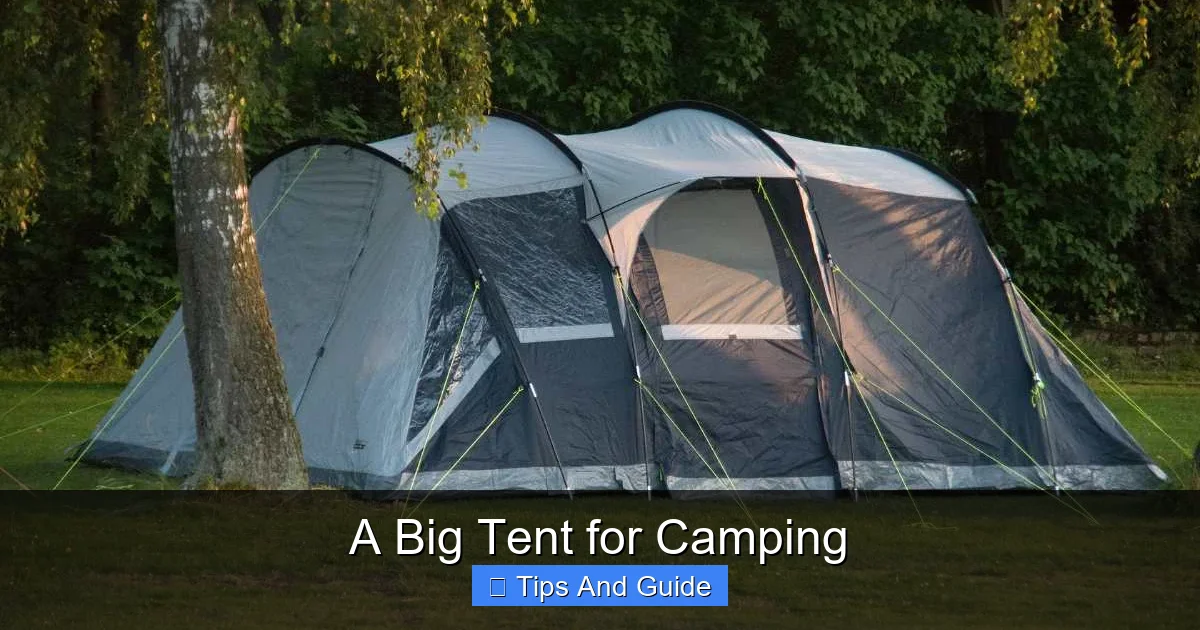
Visual guide about A Big Tent for Camping
Image source: sunwaterdirt.com
Understanding Tent Capacity Ratings
Tent manufacturers usually rate their tents by the number of people they can sleep. A “4-person tent” is designed to fit four sleeping pads side-by-side. However, this is often a snug fit. For true comfort, especially with gear, it’s generally recommended to “upsize.” If you have four people, consider a 6-person tent. If it’s two people and you want extra room, a 4-person tent might be perfect.
Consider Your Activities
Think about what you’ll be doing in your tent. Will it just be for sleeping, or will you also be using it as a hangout spot during rainy days? Do you plan on bringing air mattresses or cots? These considerations will influence the amount of floor space you need. For activities like board games or simply reading a book, more standing room is a definite plus.
The Importance of Vestibules
Vestibules are covered areas outside the main tent door. They are invaluable for storing muddy boots, wet rain gear, or backpacks, keeping the interior of your tent clean and dry. A big tent often comes with multiple large vestibules, offering excellent storage solutions.
Headroom Matters
When you’re in a big tent, you want to be able to stand up comfortably. Look for tents with good peak height. This makes a huge difference in how spacious and livable the tent feels. You won’t feel like you’re constantly ducking, which adds to the overall comfort and enjoyment.
Setting Up Your Big Tent
Setting up a larger tent might seem more daunting than a small one, but modern designs have made it much easier. A little preparation goes a long way.
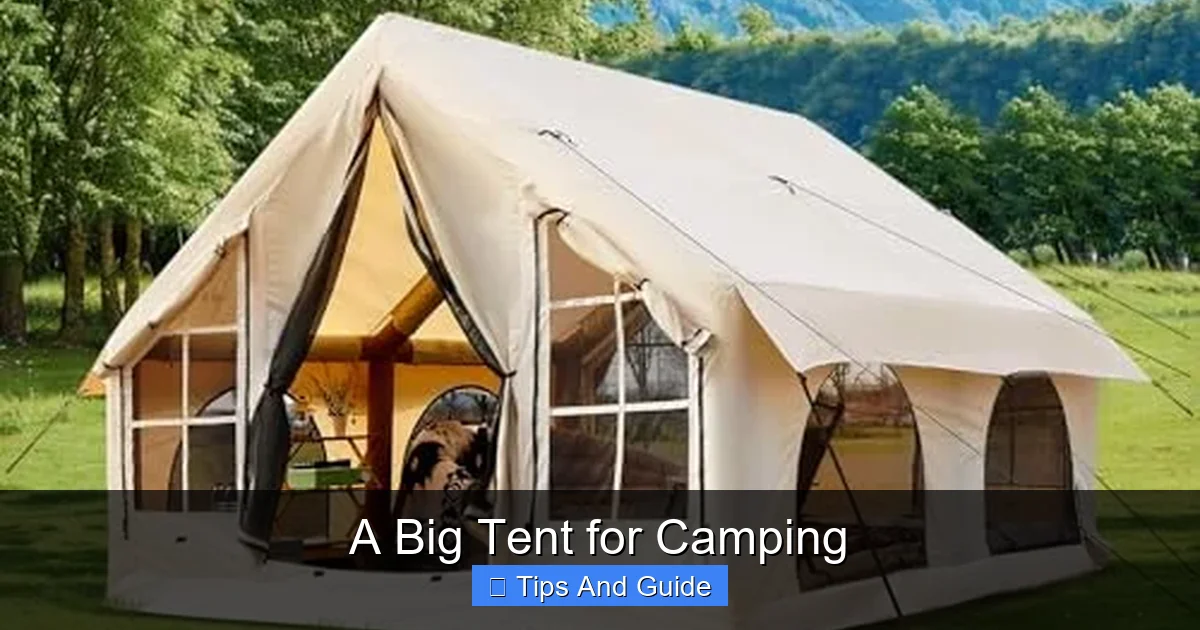
Visual guide about A Big Tent for Camping
Image source: m.media-amazon.com
Practice Makes Perfect
Before your first trip, it’s highly recommended to set up your big tent in your backyard or a local park. This allows you to familiarize yourself with the process, identify all the parts, and troubleshoot any issues without the pressure of doing it at a campsite. You’ll be surprised how quickly you get the hang of it.
Choose Your Campsite Wisely
When selecting a spot for your big tent, look for a level area that is free of rocks, roots, and debris. You’ll want enough space around the tent for the guylines to be staked out properly. Proper staking is crucial for stability, especially in windy conditions.
The Pole System
Most large tents use a color-coded pole system. The poles are typically inserted into sleeves on the tent fabric or attached via clips. Follow the instructions carefully, ensuring the poles are fully seated and correctly aligned. The main frame of the tent is usually erected first, followed by attaching the rainfly.
Stake it Down Securely
Once the tent is up, it’s essential to stake it down securely. Use all the available guy points and stakes. For added stability in windy conditions, consider using extra stakes or tying guylines to sturdy objects like trees. Properly tensioned guylines will keep your tent taut and prevent it from flapping excessively.
Features to Look for in a Big Tent
Beyond size, several features can significantly enhance your experience with a big tent.
Ventilation is Key
Larger tents can trap a lot of heat and moisture. Look for tents with ample mesh panels, multiple vents, and adjustable vents that can be opened or closed depending on the weather. Good ventilation prevents condensation buildup, which can make your tent feel damp and uncomfortable.
Durability and Weatherproofing
A big tent is an investment. Ensure it’s made from durable, high-quality materials. Check the waterproof rating of the fabric (often measured in millimeters) and the seam-taped construction. A robust pole system made from strong aluminum or fiberglass is also important for wind resistance. If you plan on camping in varied weather, look for a tent designed for 3-season or even 4-season use.
Multiple Doors and Windows
For a big tent, multiple doors are a huge convenience. They allow easier entry and exit for everyone, especially if the tent is fully occupied. Windows can provide additional light and ventilation. Some larger tents even feature “room dividers” so you can create separate sleeping areas or a private changing space.
Ease of Pack-Up
While setup is important, so is packing it all back up. Look for tents that come with a large, well-designed stuff sack or carry bag. Some manufacturers include instructions printed on a small tag or bag, which can be a lifesaver when you’re packing up at the end of a trip.
Making Your Big Tent Comfortable
Once your big tent is set up, you can focus on making it a truly inviting space.
Sleeping Comfort
The foundation of a comfortable night’s sleep is your sleeping surface. Consider a quality camping mattress or a comfortable camping mat. For larger groups, a couple of camping beds for tents can elevate your sleeping experience significantly.
Lighting the Way
Good lighting is essential in a big tent. Don’t rely on just one dim lantern. Bring a combination of overhead lights and task lighting. Explore options like battery-powered camping lights for tent or even rechargeable LED lanterns. Having camping lights for tents strategically placed can make navigating your spacious home much easier.
Climate Control
Depending on the season and your location, you might need to consider heating or cooling. A safe camping wood stove for tent can provide warmth on cold nights, while a camping fan for tent or a more powerful camping fan for large tent can circulate air and keep you cool when it’s warm. For extreme heat, a portable camping AC unit for tent might be an option, though these are typically more power-intensive.
Organization and Furnishings
Bring small folding tables, camp chairs, and storage bins to keep things organized. Many tents have interior pockets, but these are often insufficient for larger setups. Consider bringing some basic camping furniture for tents to make your space feel more like a living room.
Where to Use Your Big Tent
A big tent is perfect for a variety of camping scenarios and locations. It’s ideal for family vacations to popular campgrounds like those found in best campgrounds near Santa Cruz for tent camping or general best campgrounds for tent camping. Car camping is where big tents truly shine, as you don’t have to worry about carrying them long distances. They are also fantastic for festivals, group camping trips, or even as a temporary guest accommodation in your backyard. If you’re heading to specific natural areas, checking out spots like the best campground near Bear Lake for tent camping can offer stunning backdrops for your spacious shelter.
Whether you’re a seasoned camper looking to upgrade or a newcomer wanting to start with maximum comfort, a big tent for camping offers an accessible and enjoyable way to experience the outdoors. It provides the space, comfort, and functionality needed for memorable adventures with your loved ones.
Frequently Asked Questions
What is the minimum number of people that can benefit from a big tent?
Even a couple can benefit from a big tent if they prioritize space for gear or desire a more luxurious feel. For families or groups, the benefits are even more pronounced, making a large tent a necessity for comfort.
How do I ensure my big tent is stable in windy conditions?
Always use all the provided stakes and guylines, ensuring they are firmly anchored. Consider bringing extra stakes, especially for varied terrain, and position your tent to take advantage of natural windbreaks like trees or hills.
Are big tents harder to pack up than smaller ones?
While they take up more space, modern big tents are often designed for relatively easy packing. The key is to ensure the tent is completely dry before packing, and practice the setup and takedown process beforehand.
What is the difference between a 4-person and a 6-person tent?
A 4-person tent is designed to fit four sleeping pads snugly, while a 6-person tent offers more generous space for sleeping, gear, and movement within the tent.
Can I use a big tent for backpacking?
Generally, no. Big tents are typically too heavy and bulky for backpacking. They are best suited for car camping or situations where weight and packed size are not primary concerns.
How important is ventilation in a big tent?
Ventilation is crucial in any tent, but especially in a big one. Good airflow prevents condensation, keeps the tent cooler in warm weather, and ensures a more comfortable and healthy environment inside.
