Best Way to Light a Tent
Illuminate your campsite with our comprehensive guide to the best way to light a tent. We explore various lighting options, power solutions, and essential tips to ensure you have the perfect ambiance and practical light for any camping adventure.
Camping is all about disconnecting from the everyday hustle and reconnecting with nature. But even in the wilderness, a little light can go a long way. Whether you’re setting up camp after dark, rummaging through your gear, reading a book, or simply enjoying the evening ambiance, having the right lighting in your tent is crucial for both comfort and safety. The “best way to light a tent” isn’t a one-size-fits-all answer; it depends on your camping style, the size of your tent, and your personal preferences.
Navigating your tent in complete darkness can be a recipe for stubbed toes and fumbled essentials. Proper tent lighting transforms a dark, potentially inconvenient space into a cozy, functional haven. Imagine being able to easily find your snacks, read that gripping novel, or even prepare a late-night meal without relying solely on the moon. This guide will walk you through everything you need to know to achieve optimal tent illumination, ensuring your outdoor adventures are always well-lit.
## Understanding Your Lighting Needs
Before you start browsing for shiny gadgets, take a moment to think about how you’ll actually use the light in your tent. Are you a minimalist backpacker who needs something lightweight and portable? Or do you prefer car camping with more space and the option for brighter, more extensive lighting? Your answers will guide you toward the best choices.
### General Illumination vs. Task Lighting
Most campers need a combination of lighting. General illumination is for lighting up the entire tent space, making it easy to move around, find items, and avoid tripping. Think of a bright lantern hanging from the ceiling. Task lighting is more focused, for specific activities. This could be a headlamp for reading or a small, directional light for preparing food. Understanding this distinction helps you choose a mix of lights, rather than just one.
### Size and Type of Tent
The size of your tent plays a significant role. A small backpacking tent might only need a single compact light, whereas a large family tent or a spacious camping dome tent might benefit from multiple light sources spread around. If you have a pop-up tent, like a popular pop-up tent, consider how you’ll mount or place lights within its structure. For example, some pop-up tents are designed with specific hanging points.
### Duration of Use and Power Requirements
How long do you anticipate needing light each day? If you plan on extended evenings reading or playing games, you’ll need a reliable power source. This is where considering battery life or rechargeable options becomes paramount. For shorter trips or occasional use, simpler battery-operated lights might suffice.
## Types of Tent Lights to Consider
The market offers a dazzling array of lighting solutions for your tent. Each type has its own advantages and is suited for different purposes.
Lanterns: The Workhorses of Tent Lighting
Lanterns are perhaps the most classic tent light. They typically provide diffused, 360-degree light, making them ideal for general illumination.
Battery-Powered Lanterns
These are incredibly common and easy to use. You simply pop in some batteries, and you’re good to go. They come in various sizes and brightness levels. Some modern battery-powered lanterns are surprisingly bright and can last for many hours.
Rechargeable LED Lanterns
A more sustainable and cost-effective option in the long run, rechargeable lanterns can be powered up at home before your trip or even via a portable power bank at the campsite. Many also offer adjustable brightness settings, allowing you to conserve power when needed.
Propane or Fuel-Powered Lanterns
While these provide a warm, bright light and a classic camping ambiance, they produce heat and can emit fumes. They are generally best used in well-ventilated areas outside the tent, especially if you’re using a camping heater for tent. For safety, it’s best to stick with LED options for internal tent lighting.
Headlamps: Hands-Free Convenience
A headlamp is an absolute must-have for any camper. It frees up your hands for any task, whether it’s setting up your tent in the dark, cooking, or navigating the campground.
Adjustable Straps and Comfort
Look for a headlamp with comfortable, adjustable straps that fit snugly without being too tight. You’ll be wearing it for extended periods, so comfort is key.
Beam Focus and Brightness
Many headlamps offer adjustable beam focus, allowing you to switch between a wide floodlight and a narrow spotlight. Brightness, measured in lumens, is also important. For general use, 100-300 lumens is usually sufficient, but more powerful options are available if you need to see long distances.
Strip Lights and String Lights: Creating Ambiance
For a softer, more ambient glow, consider LED strip lights or string lights. These are excellent for creating a cozy atmosphere within your tent.
Versatility and Placement
LED strips often come with adhesive backing, allowing you to stick them along the tent walls or ceiling. String lights can be draped around the tent’s interior for a whimsical feel. They are not typically as bright as lanterns but provide a pleasant background light.
Low Power Consumption
These lights are known for their low power draw, meaning they can often run for a long time on a small battery pack. They are perfect for late-night conversations or creating a relaxing environment.
Glow Sticks and Chemical Lights: Emergency and Fun
While not a primary light source, glow sticks are useful for quick, temporary illumination. They can be used as markers for tent stakes, hung inside for a fun glow, or even given to kids. They are a good addition to your camping essentials for emergencies.
Key Takeaways
- Choose the right type of light: From lanterns to headlamps, select based on your needs – general illumination, task lighting, or personal use.
- Consider power sources: Battery-powered, rechargeable, and solar options offer different levels of convenience and sustainability.
- Think about brightness and beam type: High lumens are great for general light, while focused beams are better for specific tasks.
- Prioritize durability and water resistance: Camping gear needs to withstand the elements.
- Utilize ambient lighting: String lights can create a cozy atmosphere, enhancing your tent’s feel.
- Don’t forget spare batteries: Always have backups to avoid being left in the dark.
📑 Table of Contents
Powering Your Tent Lights
The best lighting solution is only as good as its power source. You have several options to keep your lights shining bright throughout your trip.
Batteries: The Classic Choice
Standard AA or AAA batteries are still the most common power source for many camping lights.
Pros
Easy to find, readily available, and simple to replace.
Cons
Can be expensive to constantly replace, especially on longer trips. They can also be affected by cold weather, reducing their efficiency. Always pack more than you think you’ll need!
Rechargeable Batteries and Power Banks
This is where things get more sustainable and often more cost-effective.
Rechargeable Batteries
Using rechargeable AA or AAA batteries with a compatible charger means you can reuse them countless times. This is a great step towards reducing waste and saving money.
Portable Power Banks
These portable battery packs are a lifesaver for charging all your USB-powered devices, including many modern LED lanterns and headlamps. They come in various capacities, so choose one that suits your needs. You can recharge them at home or, in some cases, via solar panels.
Solar-Powered Lights
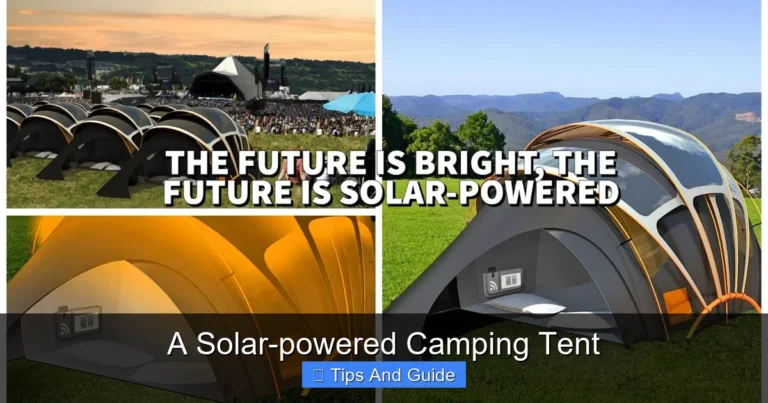
Solar technology has come a long way. Many camping lanterns and even some smaller lights now incorporate solar panels.
Pros
Environmentally friendly and free to “refuel” using sunlight. Great for longer trips where access to power is limited.
Cons
Reliance on sunshine means their effectiveness can be limited by weather and daylight hours. They may not provide the brightest light or last all night if not fully charged.
## Tips for the Best Tent Lighting Setup
Achieving the perfect tent lighting involves more than just picking out a light. Here are some practical tips to maximize your illumination experience.
Strategic Placement is Key
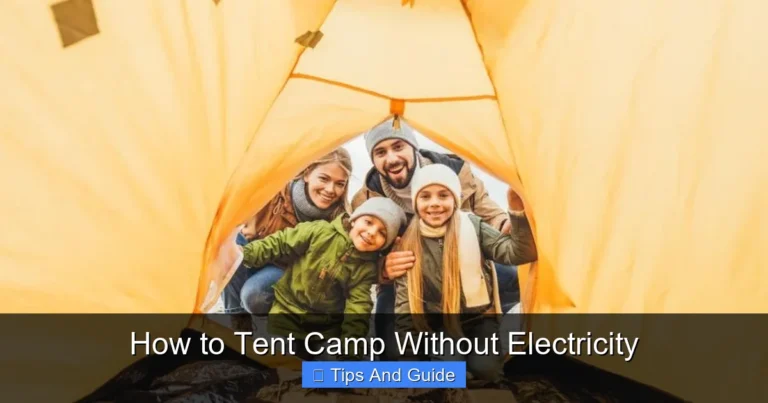
Don’t just plop your lantern in the middle of the tent. Think about where you need light most. Hanging a light from the central loop in your tent provides general illumination. If you have a vestibule, a small, portable light there can be very helpful for accessing gear. Consider placing a small, soft light near the entrance for easy navigation without blinding yourself.
Layer Your Lighting
As mentioned earlier, using multiple types of lights can create a dynamic and functional lighting scheme. A bright lantern for general visibility, a headlamp for reading, and perhaps some string lights for a cozy evening glow. This layering approach ensures you have light for every situation.
Dimmer Switches and Adjustable Brightness
Many modern LED lights come with dimmer switches or adjustable brightness settings. This is a fantastic feature! It allows you to dial down the light when you’re trying to wind down for sleep, saving battery power and creating a more relaxing atmosphere. It also helps prevent you from being blinded by an overly bright light when you wake up in the middle of the night.
Keep Lights Accessible
Make sure your primary light sources are easy to reach from your sleeping bag. Nobody wants to crawl around in the dark searching for a light when they wake up needing to use the restroom or find a water bottle. Designate a spot for your main light.
Consider Reflective Surfaces
Your tent’s interior walls might reflect some light, enhancing the overall brightness. Lighter-colored tents will naturally be brighter than darker ones. You can also strategically place reflective items, like a mirror or a bright tarp, to bounce light around the tent.
Safety First: Ventilation and Heat
If you’re using any kind of fuel-burning lantern (which, again, is generally not recommended for inside a tent), ensure extreme caution and proper ventilation. Always follow the manufacturer’s instructions. For LED lights, check for heat generation, though most modern LEDs run cool and are safe to touch.
Choosing the Right Lights for Different Camping Styles
Visual guide about Best Way to Light a Tent
Image source: thumbs.dreamstime.com
The best way to light a tent will vary greatly depending on your camping style.
Backpacking and Lightweight Camping
For backpackers, weight and size are critical. A small, lightweight LED headlamp is usually sufficient for personal use and basic tasks. A compact, battery-powered or rechargeable lantern that weighs only a few ounces can provide enough light for a small tent. Prioritize efficiency and minimal bulk. You might even find that your best camping backpacking tent has built-in light loops for easy hanging.
Car Camping and Family Tents
Car campers have more flexibility. You can afford to bring slightly heavier and larger items. A powerful LED lantern that can illuminate a larger space is ideal. Consider bringing a few smaller lights as well, such as reading lights for each person or a dedicated light for the cooking area. Some families opt for string lights to make the tent feel more like home. If you have a larger tent, like a pop-up tent you can stand up in, you might even use multiple lanterns.
Winter Camping
Winter camping presents unique challenges. Cold temperatures can drain batteries faster. It’s crucial to have reliable power and perhaps a backup system. Rechargeable batteries stored inside your sleeping bag at night can help retain their charge. Consider lights with excellent cold-weather performance. Also, remember that warmer lighting can make your tent feel cozier on a cold night. For very cold conditions, a pop-up tent for winter might require more robust lighting solutions.
### Glamping and Comfort Camping
If you’re “glamping” or prioritizing comfort, you can go all out! Think about decorative string lights, multiple lanterns for different zones within a spacious tent, and perhaps even a battery-powered string of fairy lights for a magical touch. The goal here is ambiance and luxury, so don’t be afraid to experiment.
## Essential Accessories and Maintenance
Don’t forget the little things that make a big difference and keep your lights running smoothly.
Spare Batteries
This cannot be stressed enough. Always pack spare batteries for any battery-powered devices. It’s better to have too many than not enough. Consider the battery type your devices use and buy accordingly.
Cleaning and Care
Keep your lights clean. Dust and dirt can dim the output of LEDs. Periodically wipe down lenses and casings with a soft cloth. Store your lights in a protected case or bag to prevent damage during transport.
Repair Kits
For more complex lighting systems, consider a small repair kit that might include spare bulbs (for older incandescent models, though LEDs are far more common now), tape, or wire connectors. Though for most LED camping lights, simple maintenance is usually all that’s needed.
Conclusion
Visual guide about Best Way to Light a Tent
Image source: images.top5best.com
The best way to light a tent is about creating a balance between practicality, comfort, and safety. By understanding your needs, exploring the various types of lights and power sources available, and employing smart setup strategies, you can transform your tent into a well-lit and inviting space, no matter where your adventures take you. Whether you’re a seasoned adventurer or a weekend camper, investing in good tent lighting will undoubtedly enhance your outdoor experience. So, next time you pack for a trip, remember to bring the right illumination – it makes all the difference!
Frequently Asked Questions
What is the brightest type of tent light?
Generally, LED lanterns offer the highest lumen output and are best for illuminating a large tent space. Headlamps can also be very bright for focused tasks.
How many lumens do I need for my tent light?
For general tent illumination, 100-300 lumens is typically sufficient for smaller tents. Larger tents or those used for extended evening activities might benefit from 300-500 lumens or more, possibly with multiple lights.
Are propane lanterns safe to use inside a tent?
No, propane lanterns are generally not recommended for use inside tents. They produce heat and carbon monoxide, posing a significant fire and health hazard. It’s best to use them outdoors in well-ventilated areas.
How often should I replace batteries in my tent lights?
This depends on the battery type, light usage, and brightness setting. For alkaline batteries, check them periodically and replace them before they die. Rechargeable batteries should be recharged as needed, and it’s wise to have a backup power source like a power bank.
Can I use string lights in my tent?
Yes, battery-powered LED string lights are a great option for creating ambiance in a tent. They consume very little power and can add a cozy, decorative touch to your camping setup.
What are the best lighting options for a very dark campsite?
For dark campsites, you’ll want bright, reliable lights. A powerful LED lantern for general area lighting and a high-lumen headlamp for navigating and tasks are essential. Consider bringing multiple light sources and spare batteries to ensure you aren’t left in the dark.