Best Way to Kill Tent Worms
Dealing with tent worms can be a nuisance, but there are effective ways to eliminate them and protect your trees. This guide explores the best methods for killing tent worms, from manual removal to eco-friendly sprays. Learn how to identify the signs of an infestation and take proactive steps to prevent them from returning.
## Best Way to Kill Tent Worms
Ah, the dreaded tent worm! Just the name can send a shiver down the spine of any tree enthusiast or homeowner. These voracious caterpillars, known for their conspicuous silken tents, can quickly decimate the foliage of your beloved trees, leaving them looking sadly bare. If you’ve spotted those telltale white, silken structures clinging to branches, don’t despair! Dealing with tent worms is a common challenge, but with the right approach, you can effectively eliminate them and restore your trees to their former glory.
This isn’t about causing harm for the sake of it. It’s about protecting your trees from damage and restoring the natural balance. Understanding the tent worm’s life cycle and behavior is the first step to successfully managing them. They are a natural part of the ecosystem, but when their numbers become overwhelming, they can cause significant stress to trees, especially young or already weakened ones. Let’s dive into the most effective strategies to say goodbye to these leafy munchers.
## Understanding the Tent Worm Lifecycle: Your First Line of Defense
Before we talk about the best way to kill tent worms, it’s crucial to understand what we’re dealing with. Tent worms, primarily the Eastern tent caterpillar and the Western tent caterpillar, are native insects. They go through a life cycle that includes egg, larva (caterpillar), pupa, and adult moth. The damage to trees is caused by the larval stage.
Egg Masses: The Silent Beginning
Tent worms overwinter as egg masses, typically laid in a frothy, gray mass around the twigs of host trees. These masses look like dark, shiny bands. They hatch in early spring, usually when the tree buds are just beginning to open. Understanding where these egg masses are is a good preventative measure for the future.
Larval Stage: The Eating Machines
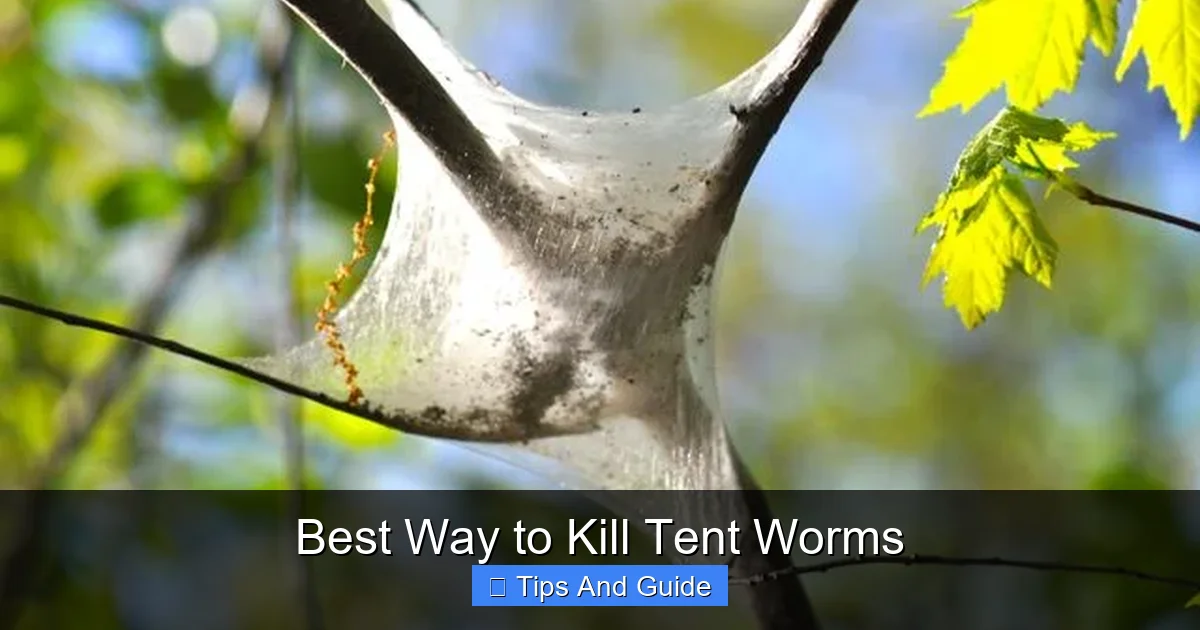
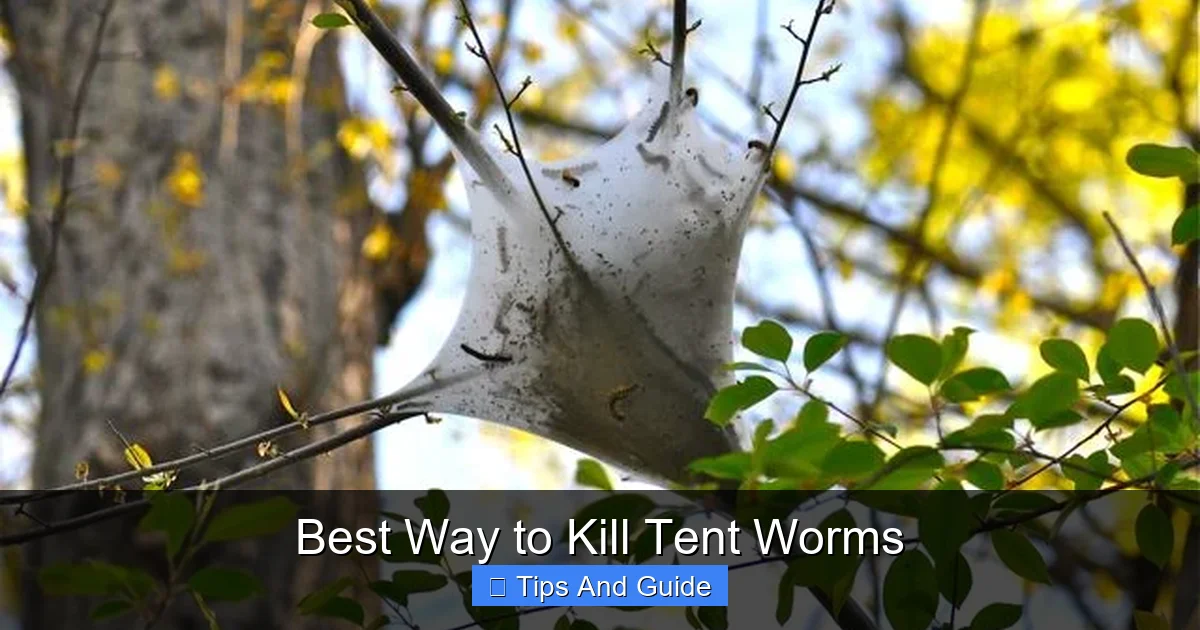
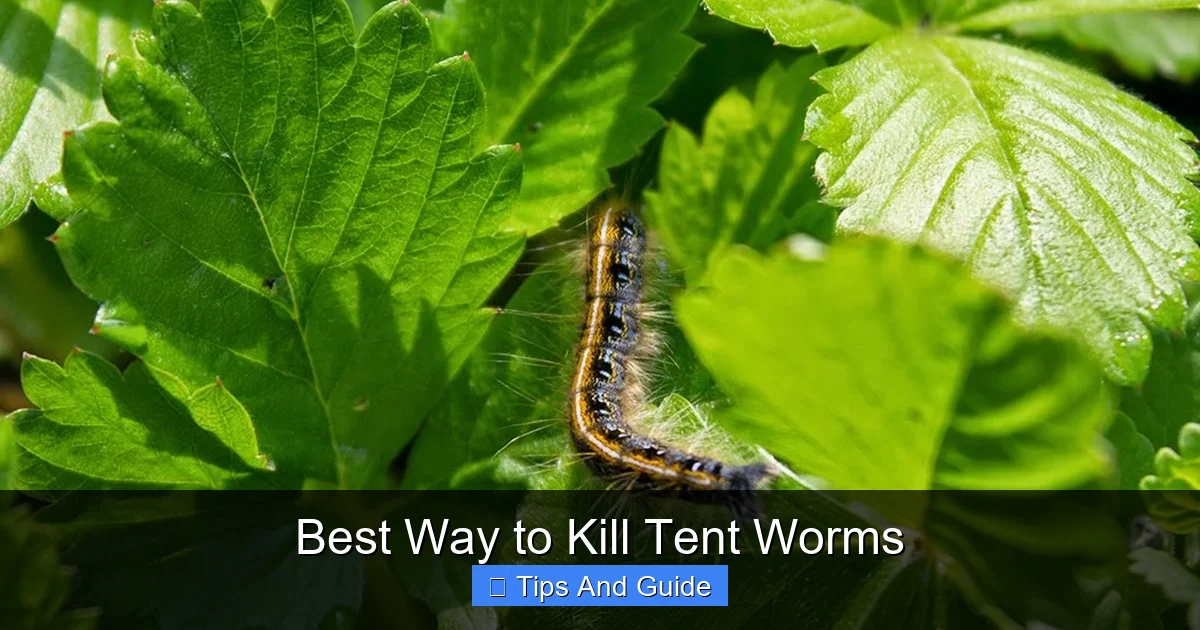
Once hatched, the tiny caterpillars immediately begin to spin their communal silken tents. These tents are usually found in the forks of branches. Inside these tents, the caterpillars rest, molt, and are protected from predators and the elements. They then venture out to feed on the leaves of their host tree. The most common host trees include cherry, apple, crabapple, maple, birch, and oak. This is the stage where they cause the most visible damage.
Pupal Stage: The Transformation
After several weeks of continuous feeding and molting, the caterpillars will leave the tree to find a sheltered spot to pupate. They spin a silken cocoon, often in leaf litter, under bark, or on nearby structures. Inside this cocoon, they transform into moths.
Adult Moth: Reproduction and Renewal
The adult moths are usually brown and relatively short-lived. Their primary purpose is to mate and lay eggs, starting the cycle anew.
Knowing this lifecycle helps us pinpoint the most vulnerable times to intervene and the best ways to disrupt their population.
## Method 1: The Hands-On Approach – Manual Removal
This is arguably the most direct, satisfying, and often the most effective way to deal with tent worms, especially when dealing with a smaller infestation or when you want to avoid pesticides altogether. It’s a bit messy, but it’s a guaranteed way to get rid of the immediate problem.
Destroying the Tents
The silken tents are the most visible sign of infestation. These aren’t just random webs; they are the caterpillars’ communal living spaces.
Using a Stick or Trowel
The simplest method is to use a long stick, a broom handle, or even a garden trowel to carefully scrape the tents off the branches. It’s important to do this when the caterpillars are inside their tents, which is typically during the cooler parts of the day (early morning or late evening) or on overcast days. During the hottest parts of the day, they might be out feeding. Once you’ve dislodged the tent, try to crush the caterpillars within it or drop them into a bucket of soapy water to ensure they are dead.
The Soapy Water Solution
Having a bucket of soapy water handy is a good idea. As you dislodge the tents, you can either drop the entire tent with the caterpillars into the bucket, or sweep the caterpillars directly into it. The soap breaks the surface tension of the water, ensuring the caterpillars can’t escape and will drown. This is a humane and effective way to dispatch them.
Pruning Infested Branches
For larger tents or those that are difficult to reach, pruning the infested branch might be the best option.
When to Prune
This is most effective when the infestation is confined to a few branches. If the infestation is widespread, this method alone may not be sufficient. When pruning, make sure to cut the branch well below the tent and the visible caterpillars. Bag the pruned branches immediately and dispose of them in a way that will kill the caterpillars, such as burning them (where permissible) or burying them deep in a compost pile where they can’t escape.
Safety First
If the branches are high up, use a sturdy ladder and have someone assist you. Always wear gloves, as some people can have a mild skin reaction to the caterpillar’s hairs. If you’re using pruning shears or a saw, make sure they are clean and sharp for a clean cut.
Key Takeaways
- Identify the enemy: Recognize the telltale silky tents and defoliated branches characteristic of tent worm infestations.
- Act early and often: The best time to tackle tent worms is when they are young and their webs are small.
- Manual removal is key: Physically destroying the tents and the larvae within is often the most effective and immediate solution.
- Consider targeted sprays: Bacillus thuringiensis (Bt) is a highly effective and environmentally friendly insecticide for tent worms.
- Protect beneficial insects: Opt for methods that minimize harm to natural predators and pollinators.
- Pruning can help: Removing infested branches, especially in early stages, can significantly reduce the population.
- Prevention is better than cure: Understanding their life cycle and creating unfavorable conditions can help prevent future outbreaks.
📑 Table of Contents
Method 2: Introducing Bacillus Thuringiensis (Bt)
If manual removal feels too daunting, or if the infestation is spread across a larger area, Bacillus thuringiensis (Bt) is an excellent biological control agent. It’s a naturally occurring bacterium that is highly effective against caterpillars, including tent worms, but is harmless to humans, pets, and most beneficial insects.
What is Bacillus Thuringiensis?
Bt is a soil-dwelling bacterium. When caterpillars eat leaves that have been sprayed with Bt, the bacterium’s spores release toxins within the caterpillar’s digestive system. These toxins cause paralysis and starvation, leading to the caterpillar’s death. It’s like a targeted biological weapon against caterpillars!
How to Use Bt
Bt is available in various formulations, including liquid concentrates and wettable powders, usually sold at garden centers. You’ll need to mix it with water according to the product’s instructions. Spray the mixture thoroughly onto the foliage of the infested trees, ensuring that the caterpillars will eat the treated leaves. The best time to apply Bt is when the caterpillars are young and actively feeding. Reapplication might be necessary if heavy rain washes off the spray.
Why Bt is a Great Choice
The main advantage of Bt is its specificity. It targets caterpillars and other lepidopteran larvae, leaving adult moths, butterflies, bees, and other beneficial insects unharmed. This makes it an environmentally friendly and sustainable option for managing tent worm populations.
Method 3: Natural and Homemade Sprays
For those who prefer an organic approach and want to avoid commercial pesticides, several natural sprays can be effective. While they might require more frequent application than Bt, they are generally safe for the environment and can be easily made at home.
Neem Oil Spray
Neem oil is derived from the seeds of the neem tree and has insecticidal, anti-feedant, and growth-regulating properties. It works by disrupting the caterpillars’ hormonal systems, making it difficult for them to grow and molt. It can also act as a deterrent, making the leaves less appealing to feed on.
Visual guide about Best Way to Kill Tent Worms
Image source: nullie.com
Making Your Own Neem Oil Spray:
Mix 1-2 tablespoons of cold-pressed neem oil and 1 teaspoon of mild liquid soap (like castile soap) in a gallon of water. Shake well before each use, as oil and water tend to separate. Spray the mixture directly onto the tents and the leaves of the infested trees. Apply in the early morning or late evening to avoid harming beneficial insects that are less active at these times. Avoid spraying during the hottest part of the day to prevent leaf burn.
Garlic and Pepper Spray
This potent concoction can deter caterpillars and other pests. The strong scent and taste make the foliage unappealing. While it might not kill them outright, it can make them leave the tree.
Making Your Own Garlic and Pepper Spray:
Blend 1-2 bulbs of garlic and a few hot peppers (like cayenne or jalapeños) with a quart of water. Let this mixture steep for at least 24 hours. Strain the liquid to remove solids and add another quart of water and a teaspoon of mild liquid soap. This soap acts as a surfactant, helping the spray adhere to the leaves and insects. Spray generously on infested areas.
Remember that homemade sprays might need to be reapplied more frequently, especially after rain. Always test a small area of the plant first to ensure it doesn’t cause any adverse reactions.
Method 4: Attracting Natural Predators
Nature often provides its own solutions, and the tent worm is no exception. Encouraging natural predators can be a sustainable, long-term strategy for keeping tent worm populations in check.
Who are the Natural Enemies?
Several creatures love to snack on tent worms. These include:
- Birds: Many songbirds, like cuckoos, orioles, and chickadees, are voracious eaters of caterpillars.
- Parasitic Wasps: Tiny wasps lay their eggs inside tent worm eggs or larvae. When the wasp larvae hatch, they feed on the tent worm from the inside out.
- Predatory Insects: Ladybugs, lacewings, and praying mantises also prey on tent worm eggs and young caterpillars.
Visual guide about Best Way to Kill Tent Worms
Image source: 2.bp.blogspot.com
How to Attract Them
You can make your garden more inviting to these beneficial insects and birds by:
- Planting native plants: Native plants provide essential food sources and habitat for local wildlife.
- Providing water sources: Bird baths and shallow dishes of water can attract birds.
- Avoiding broad-spectrum pesticides: These kill not only the pests but also their natural enemies.
- Leaving some leaf litter: This provides overwintering habitat for beneficial insects.
While this method doesn’t offer an immediate solution to a large infestation, it’s a crucial part of an integrated pest management strategy and contributes to a healthier ecosystem in the long run.
Method 5: Chemical Insecticides (Use with Caution)
In cases of severe infestations where other methods have failed or are not practical, chemical insecticides may be considered. However, it’s crucial to use these products judiciously and as a last resort, as they can have negative impacts on the environment and beneficial organisms.
When to Consider Chemical Options
If your trees are severely defoliated, or if the infestation is so widespread that manual removal or biological controls are insufficient, a chemical insecticide might be necessary to prevent significant tree damage or death. This is especially true for young or stressed trees that are less resilient to defoliation.
Types of Insecticides and How to Use Them
Commonly recommended insecticides for tent worms include those containing carbaryl, permethrin, or malathion. Always read and follow the label instructions carefully.
- Read the Label: The label is the law! It will specify what pests the product targets, what plants it can be used on, application rates, and safety precautions.
- Apply Correctly: Apply the insecticide according to the label instructions, usually as a spray. Ensure thorough coverage of the tents and foliage where the caterpillars are feeding.
- Timing is Crucial: Apply when caterpillars are actively feeding and are small for maximum effectiveness. Avoid spraying during periods of high bee activity (mid-day) or when rain is expected.
- Safety Precautions: Wear protective clothing, including gloves, long sleeves, and eye protection, when handling and applying insecticides. Keep children and pets away from the treated area until it is dry and safe.
The Environmental Impact
It’s important to be aware that chemical insecticides can harm beneficial insects like bees and ladybugs, as well as other wildlife. They can also contaminate soil and water. Therefore, always try the less toxic methods first. If you must use chemicals, choose products that are specifically labeled for tent worms and for use on your type of tree. Sometimes, a targeted application directly to the tent is more effective and less environmentally damaging than spraying the entire tree.
Prevention: The Smartest Strategy
While this article focuses on the best way to kill tent worms, prevention is always the most effective long-term strategy. By taking proactive steps, you can significantly reduce the likelihood of future tent worm outbreaks.
Winter Egg Mass Removal
During late fall and winter, when the trees are dormant, take a walk around your property. Look for the distinctive egg masses on the twigs of susceptible trees. Carefully scrape these masses off with a knife or pruning shears and destroy them. This is a highly effective way to prevent the problem before it even starts in the spring.
Monitoring and Early Detection
As soon as spring arrives, begin checking your trees regularly for signs of small tents. Early detection means the problem is easier to manage. Small tents can be easily removed with a stick or a gloved hand before they grow large and numerous.
Maintaining Tree Health
Healthy trees are more resilient to pest infestations. Ensure your trees are properly watered, fertilized (if needed), and pruned to remove dead or diseased branches. A strong, healthy tree can often withstand a minor tent worm infestation without significant damage.
Encouraging a Balanced Ecosystem
As mentioned earlier, fostering a healthy environment for natural predators will help keep tent worm populations in check. The more birds and beneficial insects you have, the less likely you are to experience a major outbreak.
By integrating these preventative measures with the active control methods discussed, you can effectively manage tent worms and protect your trees for years to come. Remember, a little vigilance goes a long way when it comes to tree care!
Conclusion
Dealing with tent worms doesn’t have to be an overwhelming battle. The best way to kill tent worms is often a combination of early detection, manual removal, and the judicious use of eco-friendly options. Start with the simplest methods – scraping off tents and crushing caterpillars. If the infestation is more widespread, consider Bacillus thuringiensis (Bt) for a targeted and safe approach. For those who prefer natural remedies, neem oil and homemade sprays can be effective with consistent application. And never underestimate the power of nature’s own pest controllers – birds and beneficial insects.
Remember, maintaining healthy trees and practicing preventative measures like winter egg mass removal are your strongest defenses against future outbreaks. By understanding the tent worm’s life cycle and employing these strategies, you can effectively protect your trees and enjoy a vibrant, pest-free landscape. So, grab that stick, mix that spray, or simply encourage more birds to visit – your trees will thank you for it!
Frequently Asked Questions
What are the signs of a tent worm infestation?
Look for silky, white tents in the forks of branches, especially on cherry, apple, or oak trees. You might also notice significant defoliation as the caterpillars consume the leaves.
Are tent worms dangerous to humans?
Tent worms are generally not dangerous to humans. Their hairs can cause mild skin irritation for some individuals, but they do not bite or sting.
How long do tent worms live?
The larval stage, where they cause damage, typically lasts for about 4 to 6 weeks in the spring before they pupate into moths.
Can tent worms kill a tree?
While a severe and repeated infestation can weaken a tree, tent worms are unlikely to kill a healthy, mature tree on their own. However, they can cause significant stress, making the tree more susceptible to other diseases and pests.
When is the best time to get rid of tent worms?
The best time is in early spring when the caterpillars are young and their tents are small. Acting quickly before they cause extensive defoliation is key.
Are tent worms and gypsy moths the same thing?
No, tent worms and gypsy moths are different. While both are caterpillar pests that can defoliate trees, they are distinct species with different behaviors and life cycles.