Best Way to Keep Your Tent Cool
Don’t let sweltering temperatures ruin your camping adventure! Learn the best way to keep your tent cool and comfortable, even on the hottest days. From smart tent placement and ventilation strategies to using innovative cooling tools, we’ve got you covered.
Camping is all about embracing the great outdoors, connecting with nature, and escaping the everyday grind. But sometimes, the great outdoors can get a little *too* great, especially when the sun is beating down relentlessly. A hot, stuffy tent can quickly turn a dream camping trip into a sweaty, uncomfortable ordeal. Nobody wants to spend their vacation feeling like they’re trapped in a sauna.
The good news is, you don’t have to suffer through sweltering nights or unbearable afternoon heat. With a few smart strategies and some simple gear, you can significantly improve the temperature inside your tent. Learning the best way to keep your tent cool is a game-changer for summer camping. Let’s dive into how you can create a more comfortable, enjoyable camping experience, no matter how high the mercury climbs.
## Strategic Campsite Selection: Your First Line of Defense
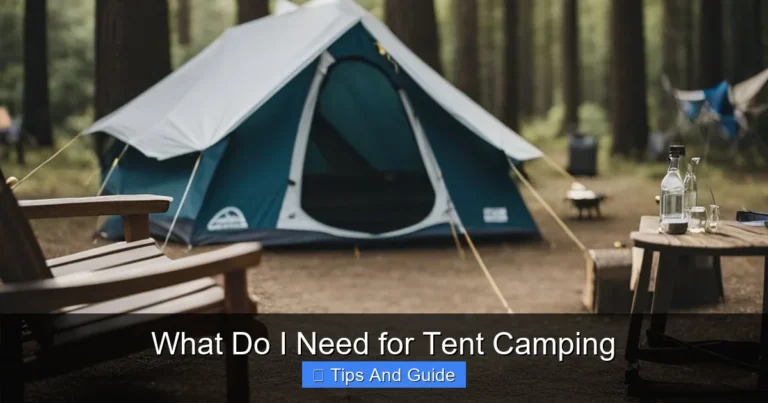
Where you pitch your tent is arguably the most crucial factor in keeping it cool. Before you even unpack your sleeping bag, think about the environment. A well-chosen spot can make a world of difference, requiring less effort on your part to stay comfortable later.
### Harnessing the Power of Shade
The most direct way to combat heat is to avoid direct sunlight. Look for natural shade sources. Mature trees are your best friends here. They not only block the sun’s rays but also create a microclimate that is often several degrees cooler than open areas.
* **Morning Sun vs. Afternoon Sun:** Consider the sun’s path. If possible, orient your tent so that the side facing the morning sun is shaded for the longest part of the day. Often, an east-facing entrance will get hot quickly in the morning, while a west-facing one will bake in the late afternoon. Try to find a spot that is shaded during the hottest parts of the day, typically between 10 am and 4 pm.
* **Avoid Open Fields (Usually):** While an open field might seem appealing for its views, it offers no respite from the sun. Unless there’s a consistent breeze, you’ll be directly exposed to the sun’s heat.
* **Consider Elevation:** If you’re in a mountainous or hilly area, campsites at higher elevations are generally cooler than those at lower elevations. The air is thinner and can be more refreshing.
### Airflow is Your Ally
Even in the shade, stagnant hot air can build up. Look for locations where air can flow freely.
* **Avoid Valleys and Depressions:** These areas can trap warm air, making it feel hotter than surrounding higher ground.
* **Proximity to Water:** Campsites near lakes, rivers, or streams can benefit from cooler air currents rising off the water, especially in the evening. This can make a significant difference to your tent’s internal temperature.
* **Clearings with Gentle Breezes:** A small clearing that allows a gentle breeze to pass through is ideal. Avoid areas where trees are so dense they block all airflow.
## Mastering Ventilation: Let That Hot Air Escape!
Once your tent is pitched, the next critical step is maximizing ventilation. Your tent is essentially a sealed environment, and without proper airflow, heat will get trapped inside, turning it into an oven. Think of your tent’s ventilation system as its lungs.
### Open Everything Up
This sounds obvious, but it’s easy to forget when you’re just arriving or setting up. Open all windows, vents, and doors, especially during cooler parts of the day. If your tent has multiple doors, opening both can create a strong cross-breeze.
* **Mesh Panels are Your Best Friend:** Most modern tents have large mesh panels on windows and doors. These allow air to enter and exit while keeping insects out. Make sure these are all unzipped and accessible.
* **Roof Vents:** Many tents have small roof vents. Even if it’s not raining, keep these open. Hot air rises, and these vents provide an escape route for the warmest air. Some vents are adjustable, so you can control the amount of airflow.
* **Ventilate While You’re Not In It:** If you’re leaving your tent for a while during the day, leave the doors and windows open (assuming it’s safe and you’re not worried about critters or sudden weather changes). Letting the hot air escape while you’re away will make it much cooler when you return.
### Creating a “Chimney Effect”
Hot air rises. You can use this principle to your advantage. Open lower vents or doors on one side of the tent and higher vents on the opposite side. This creates a natural upward draft, pulling cooler air in from the bottom and pushing hot air out the top. This is especially effective in dome tents or tents with multiple ventilation points at different heights.
### The Role of Rainfly Ventilation
Your rainfly is essential for protection, but it can also impede airflow if not used correctly.
* **Ventilation Zippers:** Many rainflies have zippers that allow you to create openings for ventilation without compromising full coverage. Use these!
* **Staking Out the Rainfly:** Ensure your rainfly is properly staked out and not sagging against the tent body. This creates a gap for air to circulate between the rainfly and the tent walls. A tight, sagging rainfly traps heat.
## Reflecting the Sun’s Rays: Bounce That Heat Away!
Direct sunlight hitting your tent is a major source of heat. If you can’t achieve full shade all day, you can employ methods to reflect that solar radiation away.
### The Power of Tarps and Reflective Covers
This is a fantastic DIY method to keep your tent cool.
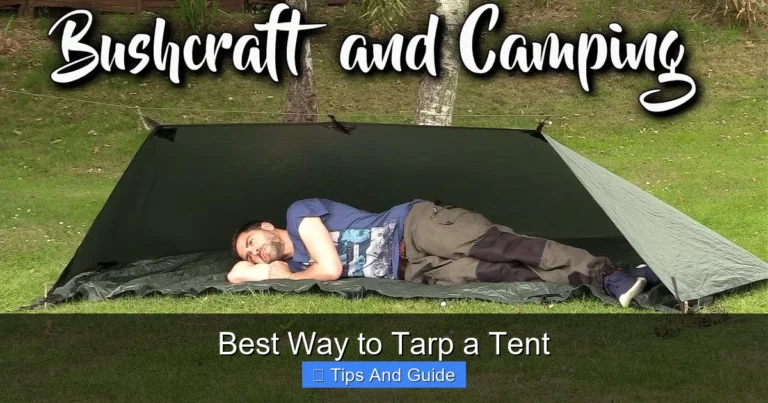
* **Overhead Tarp:** String a tarp over your tent, leaving a gap of at least a foot or two between the tarp and the tent roof. This creates an air pocket that insulates the tent and reflects sunlight. You can use a light-colored or reflective tarp for maximum effect. Anchor it securely so it doesn’t flap in the wind.
* **Reflective Tent Covers:** You can buy specialized reflective covers designed to fit over your tent. These are a more dedicated solution if you frequently camp in hot conditions. They work on the same principle as an overhead tarp, reflecting UV rays and heat away.
* **Lining the Tent:** While less common and potentially more cumbersome, some campers line the inside of their tent with reflective material. However, this can trap moisture, so it’s generally less recommended than an external solution.
### Light Colors are Your Friend
The color of your tent matters. Darker colors absorb more heat, while lighter colors reflect it. If you’re buying a new tent for hot-weather camping, opt for lighter shades like white, tan, light grey, or pastels. If you already have a dark tent, using an overhead tarp becomes even more crucial.
## Cooling the Air Inside: Active Cooling Methods
Sometimes, passive methods aren’t enough. You might need to actively cool the air inside your tent.
### Fans: Your Portable Breeze Makers
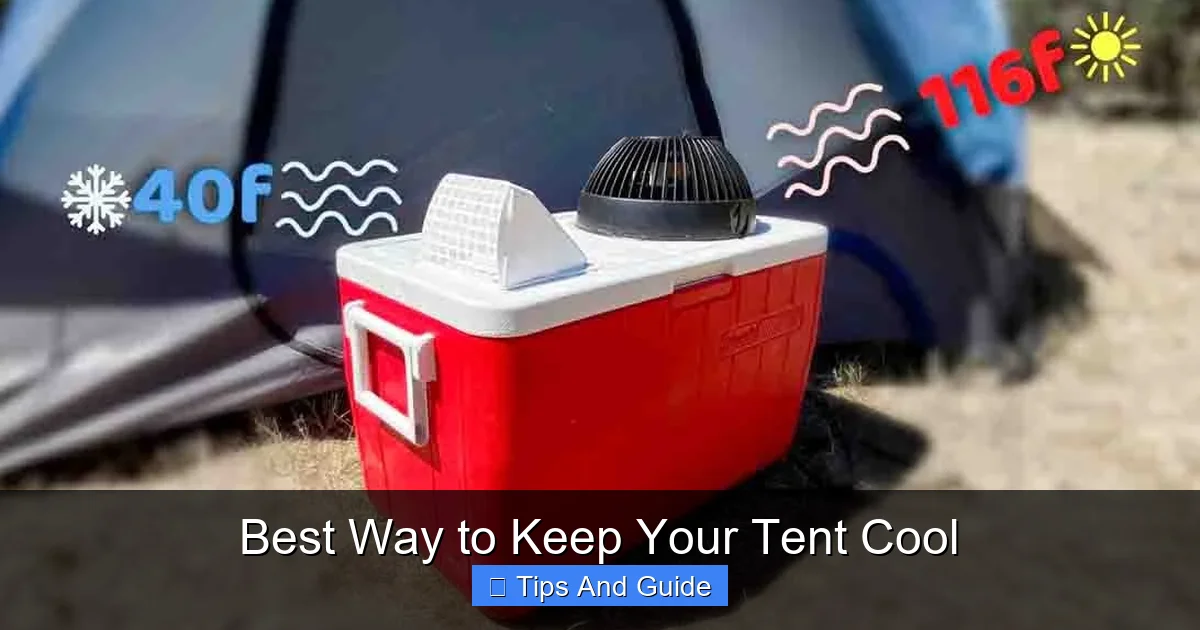
Portable camping fans can be a lifesaver. Battery-operated or rechargeable fans can create a much-needed breeze inside your tent, making it feel significantly cooler.
* **Types of Fans:** Consider the size and power. Small clip-on fans are great for personal cooling, while larger floor fans can move more air throughout the tent. Look for models that are quiet and have long battery life.
* **Best Camping Fan For Tent:** There are many excellent options available, from small personal fans to larger ones designed for family tents. A good fan can make sleeping in a hot tent bearable. You can read about the best options in our guide to the [best camping fan for tent]. For larger tents, consider a [best camping fan for large tent] to ensure adequate circulation.
### Ice Power: Simple and Effective
Frozen water bottles or ice packs can be surprisingly effective at lowering the temperature.
* **Frozen Water Bottles:** Fill reusable water bottles with water and freeze them overnight. Place them inside your tent. As they melt, they’ll release cold air. You can even wrap them in a towel to create a more diffused cooling effect.
* **DIY Ice Packs:** Use bags of frozen peas or corn (if you have a good cooler) or dedicated reusable ice packs. Place them strategically around the tent.
### Damp Towels and Spritzers
A damp cloth can work wonders for personal cooling.
* **Wipe Down:** Keeping a damp cloth handy to wipe your face, neck, and arms can provide instant relief.
* **Misting Bottles:** Fill a spray bottle with cool water and mist yourself. As the water evaporates, it cools your skin.
* **Hanging Damp Towels:** For a more ambient cooling effect, hang damp towels near ventilation points. As air passes through them, it will be slightly cooled. Ensure good airflow to prevent excessive humidity inside the tent.
## Smart Practices for a Cooler Tent Experience
Beyond site selection and ventilation, a few daily habits can help keep your tent from becoming a heat trap.
### Timing is Everything
* **Set Up in the Shade:** If possible, set up your tent during the cooler parts of the day, like early morning or late evening. Avoid wrestling with poles and stakes in the midday sun.
* **Avoid Peak Heat:** Try not to spend prolonged periods inside your tent during the hottest part of the day if you can help it. Enjoy activities outside, under shade or by water.
* **Ventilate Before Bed:** Open up your tent for a good period before you plan to sleep. Let any accumulated heat escape.
### Minimize Heat-Generating Items
* **Electronics:** Laptops, phones, and charging devices can generate heat. Minimize their use inside the tent when it’s hot.
* **Cooking:** Avoid cooking inside or right next to your tent. The heat generated from stoves will radiate into your shelter. Use a designated camp kitchen area, preferably downwind and away from your sleeping area.
* **Unnecessary Gear:** Don’t bring gear into the tent that you don’t need. Extra items can trap heat.
### Consider Your Sleeping Setup
* **Breathable Bedding:** Just as you choose a cool spot for your tent, think about what you sleep on. A breathable sleeping pad or mattress can make a difference. If you’re looking for comfort without the heat, check out our guide on the [best camping mattress for tent]. Similarly, a good [best camping mat for tent] can offer insulation from the hot ground.
* **Lightweight Sleeping Bag:** Use a sleeping bag rated for warmer temperatures or just a sleeping bag liner or sheet. You’re trying to cool down, not stay warm!
## Choosing the Right Tent for Hot Weather
While these tips are generally applicable, the type of tent you have can also play a role.
### Tent Material and Color
* **Breathable Fabrics:** Tents made with breathable fabrics like ripstop nylon or polyester with good ventilation designs will perform better in the heat.
* **Light Colors:** As mentioned, light-colored tents reflect more sun.
### Tent Design
* **More Mesh:** Tents with large mesh panels and multiple windows offer superior ventilation.
* **”Screen House” Style:** Some tents are designed with almost entirely mesh interiors, offering excellent airflow but less protection in inclement weather. These are great for hot, dry climates.
* **Pop-Up Tents:** While convenient, some [best pop up tent waterproof] designs might sacrifice some ventilation for better weatherproofing. Look for pop-up models that specifically emphasize airflow. If you’re interested in quick setup, explore the [best pop up tent on the market] or [best pop up tent review].
## Conclusion: Stay Cool and Enjoy Your Camping Trip!
Keeping your tent cool on a hot camping trip doesn’t require expensive gadgets or complex setups. It’s a combination of smart planning, strategic use of your tent’s features, and a few simple cooling tricks. By focusing on site selection, maximizing ventilation, reflecting heat, and using active cooling methods when necessary, you can transform your tent into a comfortable sanctuary, even under the blazing sun.
Remember, a little effort before and during your trip can make a huge difference. So, embrace the summer camping season, armed with these tips, and focus on enjoying the great outdoors without overheating. Happy camping!
Key Takeaways
- Strategic Site Selection: Choose a campsite that offers natural shade and good airflow to minimize direct sun exposure on your tent.
- Maximize Ventilation: Utilize all available windows, vents, and doors to create a cross-breeze that pushes hot air out and brings cooler air in.
- Reflect Solar Radiation: Employ reflective materials like tarps or specialized tent covers to bounce sunlight away from your tent.
- Cool Down the Air Inside: Use portable fans, frozen water bottles, or even damp cloths to lower the internal temperature of your tent.
- Timing is Everything: Set up your tent in the shade during cooler parts of the day and avoid peak sun hours for entering or occupying the tent.
- Consider Tent Color and Material: Lighter-colored tents and those made with breathable materials tend to stay cooler than dark, heavy ones.
- Minimize Heat-Generating Items: Be mindful of electronics and other items that can contribute to the heat inside your tent.
Frequently Asked Questions
What is the best way to ventilate a tent on a hot day?
The best way to ventilate a tent is to open all windows, doors, and roof vents to create maximum airflow. Utilize mesh panels and any “chimney effect” opportunities by opening lower vents on one side and higher vents on the other to encourage hot air to rise and escape.
Can I use ice to cool my tent?
Yes, you can use ice to cool your tent. Frozen water bottles or reusable ice packs placed strategically inside the tent will release cold air as they melt, lowering the internal temperature. Wrapping them in a towel can provide a more diffused cooling effect.
How can I keep my tent cooler without electricity?
Without electricity, focus on passive cooling methods: choose a shaded campsite, use reflective tarps overhead, maximize natural ventilation, and use damp cloths or misting bottles for personal cooling. Frozen water bottles also work well without power.
Does the color of a tent affect how hot it gets inside?
Yes, the color of a tent significantly affects its internal temperature. Light-colored tents reflect more sunlight and absorb less heat, making them cooler than dark-colored tents, which absorb and retain more heat.
Should I leave my tent windows open at night?
Yes, if the weather permits and it’s safe, you should leave your tent windows and vents open at night. This allows any heat accumulated during the day to dissipate and encourages cooler night air to circulate, making for a more comfortable sleep.
How far should a tarp be from my tent to be effective for cooling?
For effective cooling, a tarp should be suspended at least one to two feet above your tent. This gap creates an insulating air pocket that reflects sunlight and allows air to circulate, preventing heat from transferring directly to your tent.