

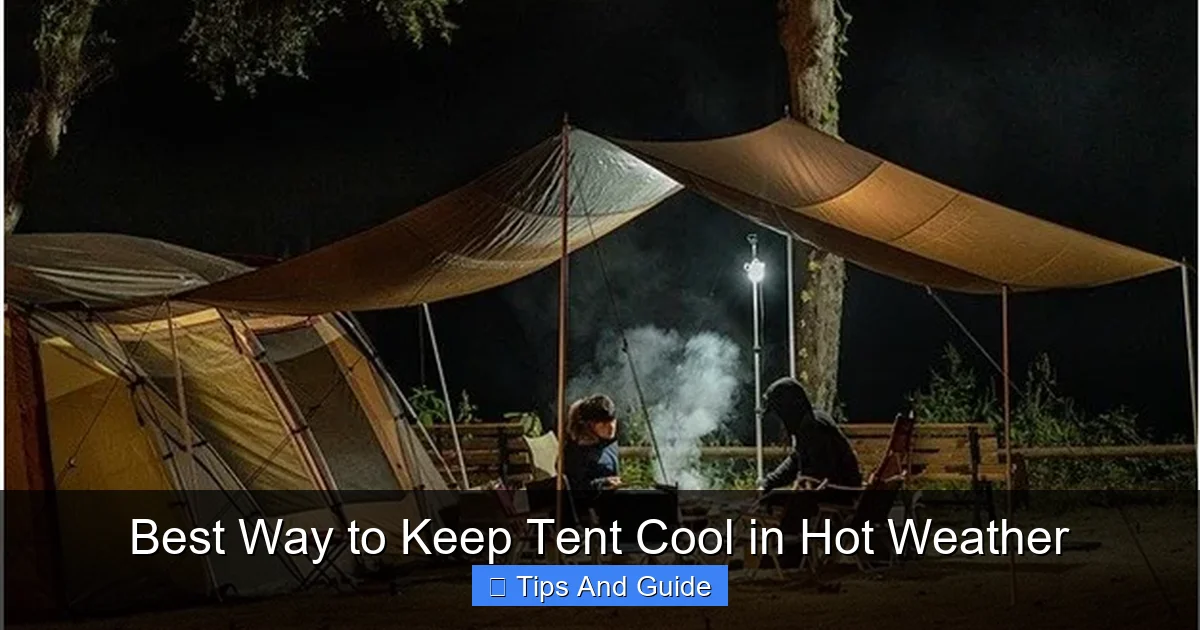
Don’t let the heat ruin your camping trip! This guide reveals the best way to keep your tent cool in hot weather, from strategic site selection to clever ventilation techniques. Learn how to create a comfortable oasis even on the hottest days.
Camping is an incredible way to connect with nature, but when the mercury climbs, that cozy tent can quickly turn into an oven. The idea of escaping the heat by heading outdoors can feel a bit ironic when your sleeping quarters are radiating warmth. But don’t worry, with a few smart strategies, you can transform your tent into a comfortable haven even in the sweltering heat. Keeping your tent cool in hot weather is all about preparation, smart choices, and a little bit of know-how.
We’ve all been there – waking up in a sticky, uncomfortable tent, the sun already beating down relentlessly. It can make even the most beautiful campsite feel less than ideal. The good news is that you don’t need to be a survival expert to beat the heat. By understanding how heat works and applying some simple, effective methods, you can ensure your summer camping adventures are enjoyable, not miserable. Let’s dive into the best way to keep your tent cool in hot weather.
- Site Selection is Crucial: Always choose a shady spot, ideally with natural shade from trees, to significantly reduce direct sun exposure.
- Ventilation is Your Best Friend: Maximize airflow by opening all vents, windows, and doors strategically to create cross-breezes.
- Reflect the Sun’s Rays: Use reflective materials like tarps or space blankets to cover your tent and bounce sunlight away.
- Manage Internal Heat Sources: Minimize activities that generate heat inside your tent, like cooking or using electronics.
- Cool Down Your Gear: Bring cooling items like portable fans, misting bottles, and damp towels to help regulate your personal temperature.
- Timing is Everything: Set up your tent in the cooler parts of the day and avoid being inside during peak heat hours.
📑 Table of Contents
Strategic Campsite Selection
This is arguably the single most important factor in keeping your tent cool. Where you pitch your tent makes a huge difference. Even the best ventilation tricks will struggle if your tent is baking in direct sunlight all day.
Embrace Natural Shade
Your number one priority should be finding a spot with natural shade.
- Trees are your best allies. Look for a site under the canopy of large, mature trees. Deciduous trees are particularly good because their leaves provide shade in the summer and fall off in the winter, allowing sunlight in during colder months.
- Consider the sun’s path. Observe where the sun rises and sets. Try to find a spot that will be shaded during the hottest parts of the day, typically from late morning to late afternoon. A spot that gets morning sun but is shaded in the afternoon can be a good compromise.
- Beware of potential hazards. While trees offer shade, be mindful of dead branches overhead. Also, avoid pitching your tent directly under fruit-bearing trees, as falling fruit can attract insects and wildlife.
Utilize Existing Structures
If natural shade isn’t abundant, look for man-made structures that can offer relief.
- Park buildings or large rocks can provide shade during certain times of the day.
- Avoid pitching near reflective surfaces like large bodies of water or light-colored rocks, as these can reflect heat onto your tent.
Think About Airflow
Even in a shaded spot, you want to maximize natural ventilation.
- Avoid low-lying areas that might trap hot air or be prone to fog.
- Consider areas with a gentle breeze, if available, even if they are slightly less shaded. A light breeze can be more effective than stagnant shade.
Maximizing Tent Ventilation
Visual guide about Best Way to Keep Tent Cool in Hot Weather
Image source: wikihow.com
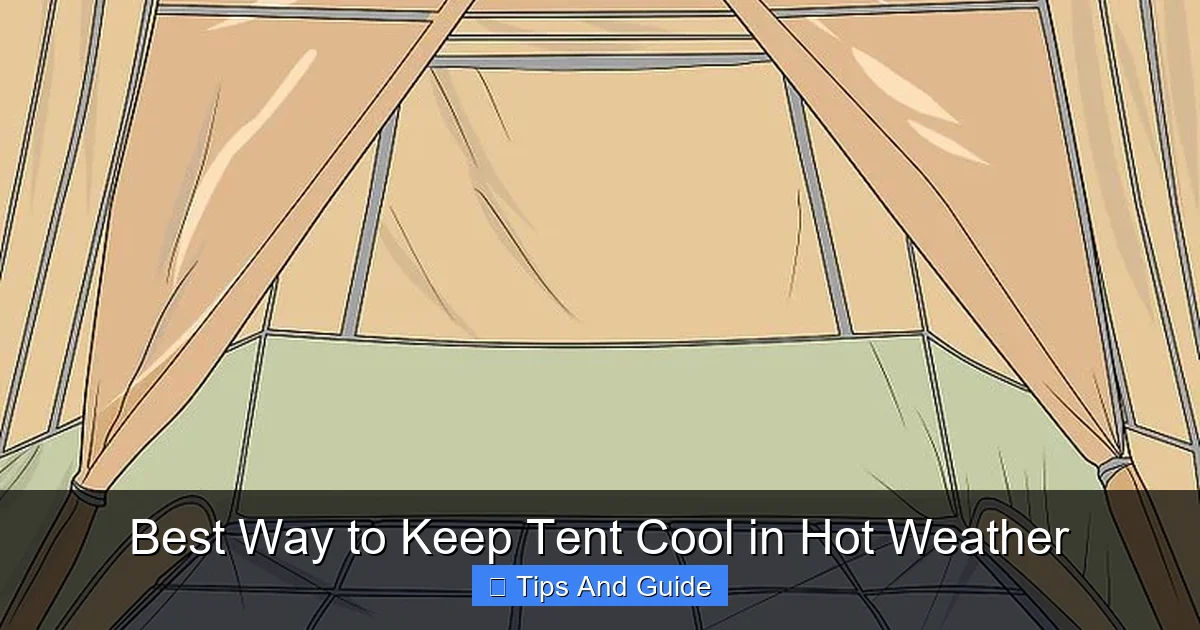
Once your tent is pitched, ventilation becomes your next best friend. The goal is to create a constant flow of air to remove hot air and bring in cooler air.
Open Everything Up
This sounds obvious, but many campers are hesitant to open up their tents completely, fearing bugs or privacy concerns.
- All vents should be open. Most tents have roof vents and lower vents. Open them all to encourage convection – hot air rises and escapes through the top, drawing cooler air in from the bottom.
- Open windows and doors. Unzip windows and doors as much as possible, especially those facing away from the prevailing wind, to create a cross-breeze. If privacy is a concern, use the mesh screens.
- Consider a “half-open” door. You can unzip the door from the top, leaving the bottom zipped, to allow some airflow while maintaining privacy and keeping larger bugs out.
Strategic Vent Placement
Think about how air moves.
- Position your tent so that the main entrance and vents are facing into any available breeze.
- If you have multiple doors, opening both can create a strong cross-breeze.
The Role of the Rainfly
The rainfly, while crucial for rain, can also be used to your advantage in heat.
- Ventilate under the rainfly. Ensure there’s space between your tent body and the rainfly for air to circulate. Many modern tents are designed with this in mind.
- Prop up the rainfly. If your rainfly sits very close to the tent body, consider using small stakes or sticks to create a small gap for better airflow.
Reflecting and Blocking Solar Radiation
Visual guide about Best Way to Keep Tent Cool in Hot Weather
Image source: wikihow.com
The sun’s rays are a primary source of heat. By reflecting or blocking them, you can keep your tent significantly cooler.
The Power of Reflective Covers
Think of it like wearing a light-colored shirt on a sunny day.
- Space blankets or Mylar emergency blankets are lightweight and inexpensive. Drape them over your tent, securing them with guy lines or stakes. Make sure there’s an air gap between the blanket and your tent fabric for better insulation.
- Reflective tarps can serve the same purpose. You can string a tarp over your tent, creating a shaded “roof” that bounces sunlight away.
- Consider a light-colored footprint or ground tarp placed *on top* of your tent, if it fits and can be secured, to reflect some overhead sun.
Window Coverings
Even inside the tent, you can manage incoming heat.
- Dark-colored curtains or blankets hung inside your tent can help block direct sunlight that penetrates the fabric.
- The reflective side of Mylar blankets should face outwards to reflect heat, while the dull side faces inwards.
Managing Internal Heat Sources
What happens inside your tent contributes to its temperature. Minimize heat-generating activities.
Cooking and Electronics
These are common culprits for adding unwanted heat.
- Cook outside your tent. Never cook inside your tent. Even portable stoves can generate significant heat. Use a camping kitchen tent or an open, well-ventilated area away from your sleeping quarters.
- Limit electronic use. Laptops, tablets, and even charging phones can emit heat. If you need to use them, do so in a cooler part of the day or outside the tent.
Body Heat
This is unavoidable, but you can manage its impact.
- Sleep with minimal clothing. Opt for breathable, moisture-wicking fabrics.
- Don’t over-layer. It’s better to be slightly cool than to overheat during the night.
Cooling Yourself and Your Gear
Sometimes, the best way to keep your tent cool is to focus on cooling yourself down.
Portable Fans
These can make a world of difference.
- Battery-powered fans are a camper’s best friend in hot weather. Look for small, portable options, or consider a larger camping fan for a large tent if space allows.
- Hang fans from tent loops to create a more effective circulation of air.
- USB-powered fans can be a good option if you have a power bank.
Water and Misting
Harness the cooling power of evaporation.
- Bring a spray bottle filled with water. A fine mist can feel incredibly refreshing. Spray yourself and the inside of the tent (lightly, of course!).
- Damp towels or bandanas. Keep a few damp towels in a waterproof bag. Wiping your face and neck with a cool, damp cloth can lower your body temperature. You can also hang them near a fan for an evaporative cooling effect.
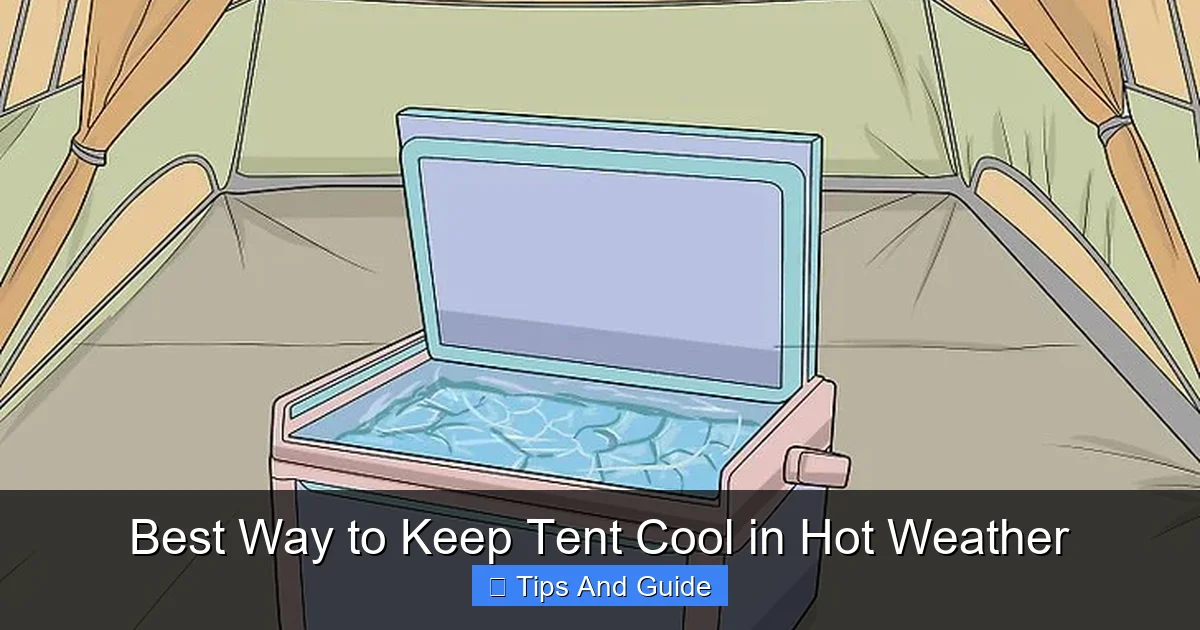
- Cool compresses. A cold pack or a bag of frozen peas (if you have a cooler) can provide targeted relief.
Cooling Your Sleeping Setup
Your sleeping surface can hold a lot of heat.
- Choose breathable bedding. Avoid synthetic materials that trap heat. Cotton or bamboo sheets are often cooler.
- Consider a cooling sleeping pad or mat. Some camping mats are designed with gel or breathable materials to help dissipate heat. While not a camping mat for extreme cold, these can be great for summer.
- A simple, thin sleeping bag liner can be more comfortable than a full sleeping bag.
- If you’re using a sleeping pad, make sure it’s not an inflatable one that acts like a balloon, trapping warm air. A closed-cell foam pad can be cooler.
Timing and Setup
When you set up your tent and how you use it throughout the day can also impact its temperature.
Setup Smart
Don’t set up in the midday sun.
- Arrive at your campsite earlier in the morning or later in the afternoon when temperatures are cooler. This allows you to set up your tent without already being overheated.
- If you must set up in the heat, do it quickly and get into shade as soon as possible.
Avoid Peak Heat
Stay out of your tent during the hottest part of the day.
- Use your tent primarily for sleeping and storage. During the day, find shade outside, go for a swim, or engage in activities away from your campsite.
- If you need to rest in your tent during the day, ensure it’s well-ventilated and ideally in shade.
Cooling Down Before Bed
Prepare for a more comfortable night’s sleep.
- Take a cool shower or dip in a nearby lake or river before bed, if possible.
- Avoid heavy meals close to bedtime, as digestion generates body heat.
Choosing the Right Tent
While these tips are great for any tent, some tent designs are inherently better suited for hot weather. When looking for a new tent, consider these factors:
Material and Color
- Lighter colors reflect more sunlight than darker colors.
- Breathable fabrics like ripstop nylon or polyester with good mesh panels are ideal.
- A tent with a large mesh canopy and minimal solid fabric panels will offer superior ventilation. Many pop-up tents on the market now come with excellent ventilation features.
Design and Features
- Multiple doors and windows are a must for cross-ventilation.
- A vestibule area can provide extra shade and a buffer zone.
- Tents with steep walls often allow for better airflow than those with very sloped sides.
- Look for tents designed with ample mesh panels, like many of the pop-up tents for shade, which prioritize airflow.
If you’re in the market for a tent that’s good in the heat, you might also want to check out our guide on the best pop-up tent you can stand up in, as many of those models also prioritize ventilation and headroom.
Conclusion
Keeping your tent cool in hot weather is entirely achievable with a thoughtful approach. It’s not about one single magic bullet, but rather a combination of smart site selection, maximizing ventilation, blocking direct sun, managing internal heat, and cooling yourself down. By implementing these strategies, you can ensure that your summer camping trips are comfortable and enjoyable, allowing you to fully appreciate the beauty of the outdoors without being parched and overheated in your tent. Remember, a little preparation goes a long way in creating your own personal cool oasis in the wilderness. Happy (and cool) camping!
Frequently Asked Questions
What is the most effective way to cool down a tent?
The most effective way to cool down a tent is a combination of strategic site selection (finding shade) and maximizing ventilation by opening all vents, windows, and doors to create cross-breezes. Reflective covers also play a significant role.
Can I use a tarp to keep my tent cooler?
Yes, a tarp can be very effective! Stringing a light-colored tarp over your tent, ensuring there’s an air gap, will create shade and reflect sunlight away, significantly reducing the heat that reaches your tent fabric.
How important is ventilation in hot weather camping?
Ventilation is extremely important. It allows hot air to escape and cooler air to circulate, preventing your tent from becoming a stuffy, heat-trapping environment. Without good airflow, temperatures inside can rise much faster.
Should I close my tent vents at night?
No, you should generally keep your tent vents open at night, even if it’s cooler. While outside temperatures may drop, the air inside your tent can still become stagnant and hold moisture. Open vents allow for continued airflow.
What are the best colors for a tent in hot weather?
Lighter colors are best for hot weather. White, light gray, tan, or pastel colors reflect more sunlight than dark colors like black, navy, or dark green, which absorb and radiate heat.
How can I cool my sleeping bag or sleeping pad in hot weather?
Opt for breathable bedding materials like cotton or bamboo. Consider a cooling sleeping pad or mat designed for warmer temperatures. You can also use a thin sleeping bag liner or a lightweight sheet instead of a full sleeping bag.
