Best Way to Keep Bugs Out of Tent
Keep your camping trip enjoyable and bug-free with these essential tips for keeping bugs out of your tent. From proper site selection and sealing entry points to using repellents and maintaining cleanliness, these strategies will help you achieve a pest-free haven under the stars. Don’t let insects ruin your adventure!
Camping is a fantastic way to reconnect with nature, breathe in fresh air, and create lasting memories. There’s nothing quite like waking up to the sounds of birds and the gentle rustle of leaves. However, for many outdoor enthusiasts, a less desirable aspect of camping is the inevitable encounter with insects. Mosquitoes, gnats, ants, and other creepy crawlies can quickly turn a serene getaway into an itchy, frustrating experience. But fear not! With the right strategies and a bit of preparation, you can significantly minimize the chances of bugs invading your personal sanctuary. This guide will walk you through the best way to keep bugs out of your tent, ensuring a comfortable and enjoyable camping adventure.
The thrill of exploring the great outdoors shouldn’t be dampened by the annoyance of buzzing insects. Whether you’re planning a weekend in the woods, a family trip to the beach, or a solo backpacking expedition, understanding how to create a bug-free zone around your tent is paramount. We’ll cover everything from choosing the perfect campsite to maintaining a pristine living space within your tent. By implementing these practical tips, you’ll be well on your way to a peaceful night’s sleep, free from unwanted eight-legged (or more!) guests.
Key Takeaways
- Choose Your Campsite Wisely: Avoid areas with standing water or dense vegetation, which attract more insects.
- Seal All Entry Points: Ensure zippers are fully closed and inspect for any gaps or tears in the tent fabric.
- Use Insect Repellent Effectively: Apply repellents to your skin, clothing, and around the tent perimeter.
- Practice Good Campsite Hygiene: Keep food sealed, dispose of trash properly, and avoid leaving strong scents around your tent.
- Consider Mesh and Screens: Utilize the tent’s built-in mesh and consider adding extra screens for added protection.
- Minimize Light and Odor Attractions: Avoid bright lights inside the tent at night and be mindful of strong perfumes or colognes.
- Regularly Inspect Your Tent: Periodically check for any small holes or tears that bugs could exploit.
📑 Table of Contents
Strategic Campsite Selection
The first line of defense against bugs is choosing the right location for your tent. Believe it or not, where you pitch your tent can make a world of difference in how many insects you encounter. Some areas are simply more attractive to bugs than others, and by avoiding these, you can preemptively reduce your problem.
Avoiding Bug Hotspots
Mosquitoes, in particular, love stagnant water. This means that camping too close to ponds, marshes, slow-moving streams, or any area where water collects can be a recipe for mosquito misery. Even small puddles after a rain can be breeding grounds. So, when scouting for a spot, look for higher, drier ground. Also, consider areas with less dense vegetation. Overgrown grass and thick bushes can harbor ticks, spiders, and other ground-dwelling insects. A clear, open area is often less appealing to many bug species.
Considering Wind Exposure
A gentle breeze can be your friend when camping. Wind can help to disperse flying insects like mosquitoes, making it harder for them to land and find you. While you don’t want to camp in a gale, a spot with some natural airflow can offer a significant advantage. This is also why having a well-ventilated tent, perhaps like one of the excellent pop-up tents for wind, can be beneficial.
Daylight and Shade Patterns
Some bugs are more active at dawn and dusk. While you can’t always avoid these times, being aware of them can help. Also, consider how the sun hits your campsite. Very hot, direct sun can sometimes drive certain insects to seek shade, while cooler, shaded areas might attract others. It’s a balance, but generally, a spot that isn’t a complete bug buffet is your goal.
The Art of Tent Setup and Sealing
Visual guide about Best Way to Keep Bugs Out of Tent
Image source: rusticaly.com
Once you’ve found your ideal spot, setting up your tent correctly is crucial for keeping bugs out. This involves more than just staking it down; it’s about creating a sealed environment.
Mastering Your Tent’s Zippers
This sounds simple, but how often do we lazily leave a zipper slightly ajar? Bugs are tiny and can easily slip through even the smallest opening. Always ensure that all tent zippers are fully closed, all the way to the bottom and then up to the top. When you enter or exit, do so quickly and immediately re-zip behind you. Train everyone in your camping group to do the same. This is perhaps the single most important habit to cultivate for a bug-free tent.
Checking for Tears and Gaps
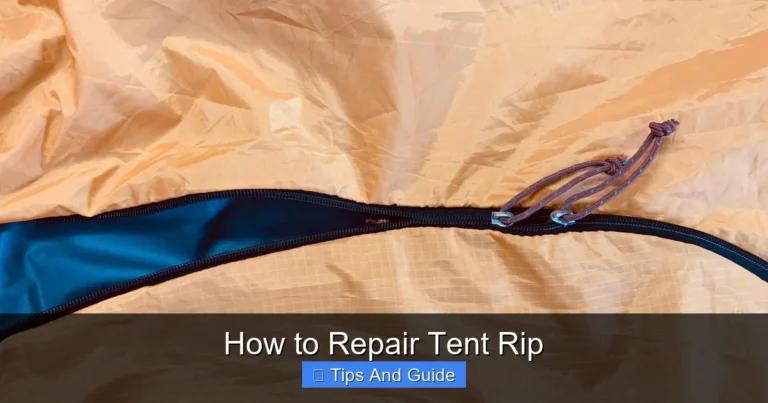
Before your trip, and periodically during it, give your tent a thorough inspection. Look for any small rips, holes, or worn areas in the fabric, especially around seams and zippers. Even a pinhole can be an entry point for tiny insects. If you find any damage, patch it up immediately using tent repair tape or a patch kit. Also, check where the rainfly attaches and any seams where different fabric panels meet.
Utilizing the Vestibule Effectively
Most modern tents come with a vestibule – that covered area outside the main tent body but under the rainfly. This is your “mudroom” and should be used as such. Store your dirty shoes, backpacks, and anything else that might carry in dirt or bugs in the vestibule. This prevents them from entering the main sleeping area. It also acts as a buffer zone. If you need to change or get something, doing it in the vestibule is better than fully entering the tent.
Creating a Bug-Repellent Environment
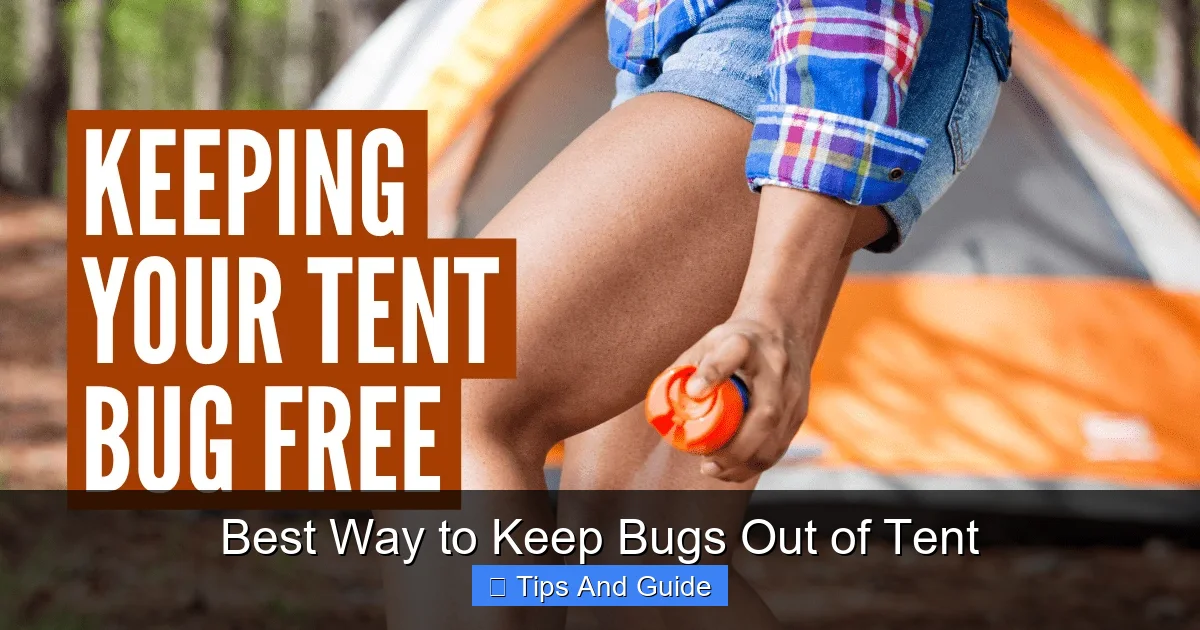
Visual guide about Best Way to Keep Bugs Out of Tent
Image source: camperfaqs.com
Beyond physical barriers, there are chemical and natural deterrents that can make your campsite less appealing to insects.
Insect Repellents: Your First Line of Defense
A good insect repellent is essential. Look for products containing DEET, picaridin, or oil of lemon eucalyptus. Apply repellent to exposed skin and clothing. Be sure to follow the product instructions for safe and effective use. You might even consider treating your clothing and gear with permethrin spray before your trip. This can provide long-lasting protection against ticks and mosquitoes.
Repellent Zones Around Your Tent
You can also create a repellent zone around your tent. Some campers use citronella candles or coils placed safely away from the tent fabric. However, be cautious with open flames and always supervise them. More modern options include battery-powered mosquito traps or repellent devices that emit a scent or vapor. Some people also swear by natural sprays made with essential oils like citronella, eucalyptus, or peppermint, though their effectiveness can vary and they may need more frequent reapplication.
The Power of Nature’s Repellents
Certain plants are known to repel insects. While planting them around your tent isn’t practical, bringing small potted herbs like lavender, mint, or basil might offer a mild deterrent. You can also crush the leaves slightly to release their scent. Some campers hang sachets of dried herbs inside their tents, which can provide a pleasant aroma for humans and an unpleasant one for bugs.
Maintaining a Clean Campsite and Tent Interior
Bugs are often attracted to food, smells, and general clutter. Keeping your campsite and tent interior clean is a surprisingly effective way to keep pests at bay.
Food Storage is Key
Never leave food out in your tent or lying around your campsite, especially overnight. All food should be stored in airtight containers or bags. Ideally, store all food, scented toiletries, and garbage in your vehicle or in bear-proof containers if you are in bear country. This prevents bugs from being attracted to the smells. Even crumbs can attract ants and other small critters.
Trash Management
Properly dispose of all trash. Use trash bags and tie them securely. Carry your trash out with you or use designated trash receptacles, ensuring they are also sealed to prevent insects from rummaging through them. Leaving trash exposed is like sending out an open invitation to every bug in the vicinity.
Keeping Your Tent Interior Tidy
Inside the tent, try to keep things tidy. Avoid leaving food wrappers, crumbs, or sticky residue. Shake out sleeping bags and clothing before packing them away or going to sleep. If you happen to kill a bug inside your tent, clean up the remains promptly. This might seem like overkill, but even small traces can attract more insects.
Leveraging Tent Features and Accessories
Many tents come with built-in features designed to keep bugs out, and there are also accessories that can enhance your defenses.
Maximizing Mesh and Ventilation
Most tents have mesh panels on the doors and windows. Ensure these are in good condition and that you use them. Open them up for ventilation whenever possible, especially during cooler parts of the day, to keep the air fresh and reduce condensation, which can sometimes attract certain insects. If your tent has a separate inner tent with mesh walls, this is your primary bug barrier.
Consider a Tent Footprint or Ground Tarp
While not directly for keeping bugs out, a tent footprint or ground tarp can help. It protects the bottom of your tent from abrasion and moisture, which can prolong its life. A well-maintained tent is less likely to develop holes that bugs can exploit. It also creates a cleaner surface to set up your tent on, reducing the chance of bringing in crawling insects from the ground.
Additional Bug Netting
For extremely buggy areas, you might consider an additional bug net that hangs over your sleeping area, or even a screened-in porch attachment if you’re using a larger family tent. These can provide an extra layer of protection, allowing you to enjoy the evening air without being bothered by insects. For instance, if you’re considering a family trip, exploring options for a best beach tent for family of 4 or a best beach tent for family of 5 with good netting is a wise move.
Smart Habits for Bug-Free Camping
Finally, adopting a few smart habits will go a long way in ensuring your tent remains a bug-free zone.
Mindful Lighting
Bugs are often attracted to light. While you’ll need some light to see inside your tent, try to minimize its use, especially at night. If you’re using lanterns or headlamps, consider those with adjustable brightness or red light settings, which are less attractive to insects. Keep tent doors zipped shut when lights are on inside. Avoid leaving bright lights on outside your tent all night, as this can draw them to your general area. A good camping light for your tent can be very useful, but use it wisely.
Minimize Scents
Strong perfumes, colognes, scented lotions, and even some hair products can act like beacons for insects. If possible, opt for unscented personal care products when camping. Showering before bed can also help wash away any attractants. Even the scent of certain foods can linger, so wiping down surfaces after eating is a good practice.
Shake It Out!
Before you zip yourself into your sleeping bag, give it a good shake. Do the same for your clothes before putting them on. Insects can easily hitch a ride inside your gear, and a quick shake-out can prevent an unwelcome encounter in your sleeping bag or while you’re getting dressed.
Camping is an incredible experience, and it doesn’t have to be a battle against bugs. By being proactive with campsite selection, diligent with sealing your tent, employing repellents strategically, maintaining cleanliness, and adopting mindful habits, you can significantly improve your comfort and enjoyment. Remember, the best way to keep bugs out of your tent is through a combination of preparation, vigilance, and smart practices. So, pack your gear, apply that repellent, and get ready for a fantastic, bug-free adventure in the great outdoors!
Frequently Asked Questions
How can I keep mosquitoes out of my tent at night?
To keep mosquitoes out of your tent at night, ensure all zippers are fully closed, use mosquito repellent on yourself and your gear, and consider a mosquito net if the insect pressure is very high. Avoiding bright lights inside the tent can also help.
What is the best natural way to repel bugs from a tent?
Natural repellents can include essential oils like citronella, peppermint, or eucalyptus, applied to clothing or around the tent perimeter. Planting or bringing small potted herbs like lavender or mint near your campsite might also offer mild deterrence.
Should I spray bug spray inside my tent?
It’s generally not recommended to spray bug spray directly inside your tent, as the fumes can be strong and potentially damage tent fabrics over time. Instead, focus on applying repellents to your skin, clothing, and the exterior of the tent or within the vestibule.
Are there specific types of tents that are better at keeping bugs out?
Tents with fine mesh screens on all openings and a well-designed rainfly that creates a good seal are generally better at keeping bugs out. Tents designed for backpacking or specific environments often prioritize this bug-proofing.
What should I do if I find a bug inside my tent?
If you find a bug inside your tent, calmly remove it. If it’s a harmless insect, you can gently escort it outside. If it’s something you’re wary of, use a cup and paper to capture and release it away from your tent. Clean up any remains promptly to avoid attracting more insects.
How important is campsite cleanliness for bug prevention?
Campsite cleanliness is extremely important. Bugs are attracted to food, scents, and debris. Properly storing food, sealing trash, and keeping your tent interior free of crumbs and spills significantly reduces the likelihood of bugs being drawn to your campsite and tent.