Best Way to Insulate a Tent
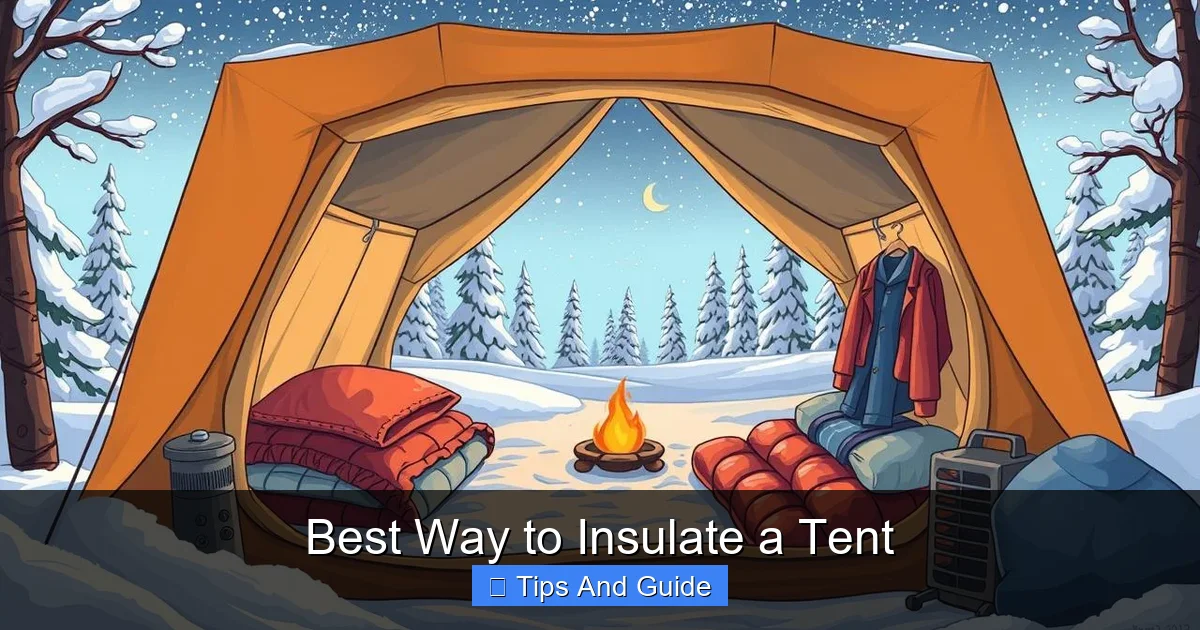
Staying warm in your tent is crucial for enjoyable camping. The best way to insulate a tent focuses on preventing heat loss and creating a cozy microclimate. By combining smart layering, effective ground insulation, and smart ventilation, you can significantly boost your tent’s warmth, even in chilly conditions.
Camping is all about connecting with nature, breathing in fresh air, and waking up to beautiful scenery. But let’s be honest, nothing can ruin a fantastic camping trip faster than being cold and uncomfortable in your tent. Whether you’re embarking on a spring backpacking adventure or a winter camping expedition, knowing the best way to insulate a tent is paramount to your comfort and enjoyment. This isn’t just about surviving the cold; it’s about thriving in it, enjoying cozy nights, and waking up refreshed.
Many people think insulating a tent is complicated, but it’s really about understanding how heat works and how to keep it inside your shelter. Heat naturally moves from warmer areas to cooler areas. In a tent, this means your body heat wants to escape into the colder outside air, and the cold ground will suck the warmth right out from under you. The goal of tent insulation is to create a barrier against these heat losses. It’s a multi-pronged approach, focusing on the ground, your sleeping system, and the tent itself.
### The Foundation: Insulating the Ground
Think of the ground as a giant heat sink. When you’re lying on it, especially on a cold night, the ground will wick away your body heat at an alarming rate. This is why your sleeping pad or mat isn’t just for comfort; it’s your primary insulator against the earth. The R-value is your best friend here. It’s a measure of thermal resistance – the higher the R-value, the better the insulation.
#### Choosing the Right Sleeping Pad
For mild conditions, a simple foam sleeping pad might suffice. However, for anything below moderately cool temperatures, you’ll want something more substantial. Inflatable air pads offer excellent comfort and can have high R-values. Many modern inflatable pads have baffles filled with down or synthetic insulation, significantly boosting their thermal performance. You can find great options for the best camping mattress for a tent that also provide excellent insulation.
A popular and effective strategy is to layer your ground insulation. You can place a closed-cell foam pad on the very bottom. This provides a durable, puncture-proof base and adds a reliable layer of insulation. Then, on top of the foam pad, you can add an inflatable air pad. This combination offers the best of both worlds: durability, excellent insulation, and superior comfort. This setup is perfect for those who prioritize warmth and a good night’s sleep. For more budget-friendly options, exploring the best camping mat for a tent can still offer significant improvements.
### Building Your Warmth: The Sleeping System
Once you’ve insulated yourself from the ground, the next critical step is to ensure your sleeping system is up to the task. Your sleeping bag is designed to trap the heat your body generates, but its effectiveness can be significantly enhanced.
#### Sleeping Bag Strategies
First, make sure your sleeping bag is rated for the temperatures you expect to encounter. A bag rated for 30°F won’t cut it in sub-freezing conditions. If your current sleeping bag is borderline, don’t despair! You can boost its warmth considerably. A sleeping bag liner is an excellent investment. These are essentially lightweight bags made of fleece, silk, or synthetic materials that you sleep inside your main bag. They can add up to 10-20 degrees Fahrenheit to your bag’s temperature rating.
Another simple trick is to wear dry, warm layers to bed. This includes thermal underwear, warm socks, and a hat. Your head and feet are major areas for heat loss, so keeping them covered is essential. Avoid cotton pajamas, as cotton absorbs moisture and loses its insulating properties when wet. Opt for wool or synthetic materials instead. You can even put a hot water bottle (securely sealed and wrapped in a towel to prevent burns) in your sleeping bag about 15-20 minutes before you plan to sleep. This pre-warms your bag and makes getting into it much more pleasant.
#### The Power of Layering
The concept of layering applies not just to your clothing but also to your sleeping setup. Think of your sleeping bag as the outer layer. Inside that, you have your liner or an extra blanket. And then, your own body, generating heat, is the core. By creating multiple air pockets between these layers, you trap more heat, making your sleeping system a more effective insulator.
### Addressing Your Tent’s Role in Insulation
While tents are primarily shelters from the elements, their design can either help or hinder your efforts to stay warm. Most camping tents are designed with breathability in mind, which is great for ventilation but not ideal for insulation. However, there are ways to improve your tent’s thermal performance.
#### Minimizing Drafts and Air Leaks
The most common way heat is lost from a tent, besides the ground, is through drafts and air leaks. Ensure your tent is pitched tautly, with no large gaps between the flysheet and the inner tent. If your tent has a bathtub-style floor, make sure the edges are sealed well.
Using a footprint or a ground tarp under your tent is highly recommended. Not only does it protect your tent floor from abrasion and moisture, but it also adds an extra layer of insulation between your tent and the cold ground. If you’re in particularly windy conditions, you might want to consider staking down your tent securely and using a windbreak, either natural (like a large rock or dense bush) or artificial.
#### The Condensation Challenge
Insulating your tent too much without proper ventilation can lead to a significant problem: condensation. When warm, moist air from your breath and body comes into contact with the cold inner walls of your tent, it turns into water droplets. This can make your tent feel damp and cold, negating your insulation efforts.
The key is to balance insulation with ventilation. Most tents have vents that should be opened, especially at the top, to allow moist air to escape. You might need to experiment to find the right balance for your conditions. Leaving a small opening at the top of the tent door or using the roof vents can help manage moisture without letting in too much cold air. For those seeking warmer tents, understanding how to choose a best pop up tent for winter can be a good starting point, as these are often designed with better insulation in mind.
### Advanced Insulation Techniques
For those who camp in truly extreme cold, or simply want to maximize their comfort, there are a few more advanced techniques you can employ.
#### The Reflective Barrier
Emergency blankets, often called Mylar blankets, are incredibly thin and lightweight but incredibly effective at reflecting radiant heat. You can hang these reflective blankets on the inside walls of your tent. They work by reflecting your body heat back into the living space, rather than letting it escape through the tent fabric. Be cautious not to seal the tent completely with these, as it can trap moisture.
#### Considering a Tent Heater
For very cold conditions, a portable camping heater can be a lifesaver. There are various types available, from propane heaters to electric options (if you have a power source). However, these must be used with extreme caution. Never use a fuel-burning heater inside a sealed tent due to the risk of carbon monoxide poisoning. Always ensure ample ventilation when using any type of heater. Read the manufacturer’s instructions carefully and prioritize safety above all else. If you’re considering this, researching the best camping heater for a tent is a must.
### Personal Habits for Staying Warm
Finally, don’t underestimate the power of your own habits and preparation. The best way to insulate a tent is also about keeping yourself warm and prepared.
#### Staying Dry is Crucial
Wet clothes and gear will make you cold. Always try to keep your sleeping clothes and your sleeping bag dry. If your clothes get damp during the day, dry them out as much as possible before bed. This might mean tucking them inside your sleeping bag with you for a while.
#### Hydration and Nutrition
Staying hydrated and eating enough calories, especially warm meals and snacks, is vital for generating body heat. Your body needs fuel to stay warm. Avoid caffeine and alcohol before bed, as they can interfere with your body’s natural temperature regulation.
### Conclusion: Your Cozy Haven Awaits
Insulating a tent isn’t about creating a sealed, stuffy environment. It’s about smart strategies that work together to keep you comfortable and warm. By focusing on insulating the ground beneath you, creating a robust sleeping system, minimizing air leaks in your tent, and managing condensation, you can transform your tent into a cozy sanctuary, no matter the weather outside. Remember to always prioritize safety, especially when considering heating options, and enjoy the incredible experience of camping in comfort. The best way to insulate a tent is a combination of the right gear, smart techniques, and a little bit of knowledge. Happy camping!
Key Takeaways
- Proper Ground Insulation is Key: Heat escapes quickly through the ground. Using a quality sleeping pad or insulating mat is your first line of defense.
- Layer Your Sleeping Setup: Combine a comfortable sleeping bag with an insulating liner or an extra blanket to trap body heat effectively.
- Minimize Air Leaks: Ensure your tent is properly pitched and consider using a footprint or tarp underneath to prevent drafts.
- Ventilation is Still Important: While insulation is key, proper ventilation prevents condensation, which can make your tent damp and cold.
- Consider a Tent Heater (with caution): For extreme cold, a safe camping heater can be a game-changer, but always prioritize safety and ventilation.
- Personal Warmth Matters: Wear warm, dry layers to bed, including a hat and socks, to conserve your own body heat.
- Reflective Materials Aid Insulation: Emergency blankets or reflective tarps can bounce radiant heat back into your tent.
Frequently Asked Questions
What is the most important factor for insulating a tent?
The most important factor for insulating a tent is proper ground insulation. Heat escapes rapidly through the ground, so using a high R-value sleeping pad or mat is your first and most crucial step in staying warm.
Can I use an emergency blanket to insulate my tent?
Yes, emergency (Mylar) blankets can be a helpful addition. They reflect radiant heat back into your tent, but it’s important to use them carefully and ensure there’s still adequate ventilation to prevent moisture buildup.
How can I improve my sleeping bag’s insulation?
You can improve your sleeping bag’s insulation by using a sleeping bag liner, wearing warm, dry layers to bed (like thermals and a hat), and potentially placing a hot water bottle inside your bag before you sleep.
Is ventilation important when insulating a tent?
Absolutely. While insulation is key for warmth, proper ventilation is essential to prevent condensation. Condensation can make your tent damp and cold, so opening vents or a small part of the door is crucial.
What R-value sleeping pad do I need for cold weather camping?
For cold weather camping, aim for a sleeping pad with an R-value of 4 or higher. For very cold conditions or winter camping, an R-value of 5 or more is recommended. Always check the R-value rating when purchasing.
Should I worry about carbon monoxide when using a tent heater?
Yes, you should be extremely concerned about carbon monoxide when using any fuel-burning heater in a tent. Never use such heaters in a sealed tent. Always ensure significant ventilation or use them only in well-ventilated areas or directly outside the tent.