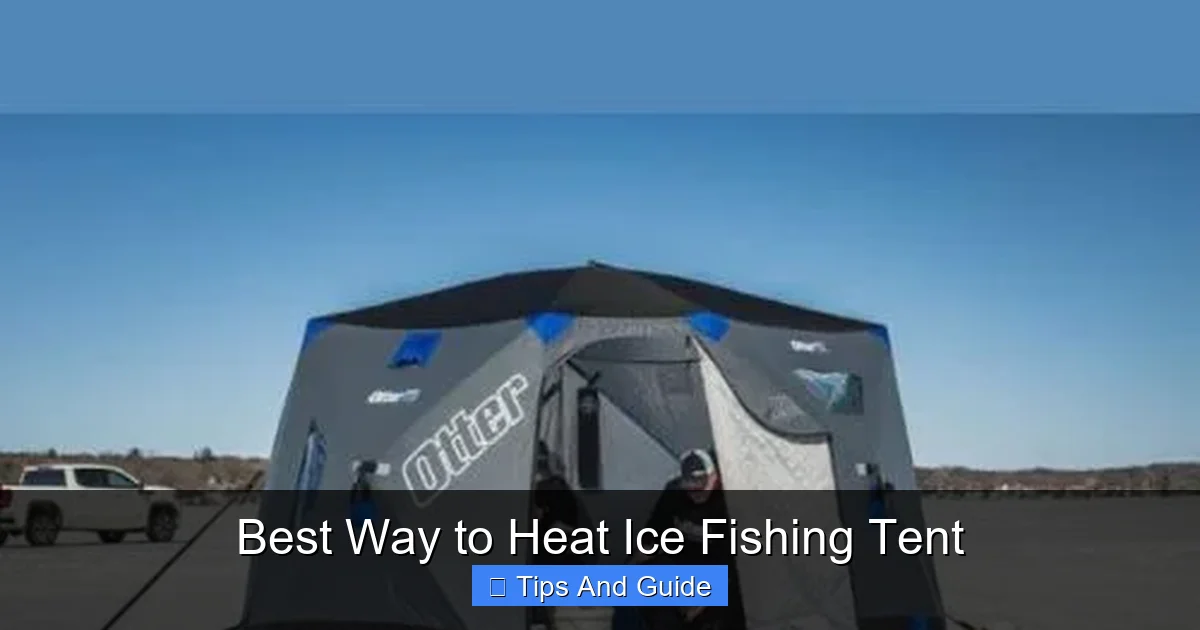
Best Way to Heat Ice Fishing Tent
Staying warm in an ice fishing tent is crucial for a successful trip. The best way to heat an ice fishing tent involves a combination of choosing the right heater, ensuring proper ventilation, and maximizing insulation. Safety and comfort are paramount.
Ah, ice fishing! The crisp air, the serene landscape, the thrill of the catch. There’s something uniquely satisfying about being out on the frozen water, waiting for that telltale tug on your line. But let’s be honest, without proper warmth, that serene landscape can quickly turn into a frigid ordeal. That’s where the best way to heat an ice fishing tent comes into play. It’s not just about comfort; it’s about safety and making sure you can actually enjoy your time out there.
Many anglers struggle with keeping their shelters cozy, especially when the mercury plummets. The wrong heater, poor ventilation, or inadequate insulation can turn an enjoyable outing into a shivering mess. But fear not! With the right knowledge and equipment, you can transform your ice fishing tent into a toasty sanctuary. We’re going to dive deep into how to achieve optimal warmth and safety so you can focus on what truly matters: catching fish.
## Understanding the Challenges of Heating an Ice Fishing Tent
Ice fishing tents, by their very nature, are designed to be lightweight and portable. While this is fantastic for getting them onto the ice, it also means they can be less insulated than traditional shelters. The thin fabric walls, while often waterproof, aren’t always the best at trapping heat. This creates a constant battle against the biting wind and frigid temperatures outside.
### The Importance of Safety First
Before we even talk about warmth, we need to stress safety. When you introduce a heat source into an enclosed space like an ice fishing tent, you’re also introducing potential hazards. The biggest concern is carbon monoxide (CO) poisoning. Propane heaters, the most common choice, produce this odorless, colorless gas as a byproduct of combustion. Without proper ventilation, CO can build up to dangerous levels very quickly, leading to severe illness or even death. It’s absolutely paramount to always prioritize ventilation and have a reliable carbon monoxide detector.
### Heat Loss Factors
Several factors contribute to heat loss in an ice fishing tent:
* Fabric Permeability: Even “waterproof” fabrics can allow some air exchange.
* Seams and Zippers: These are common points where warm air can escape and cold air can enter.
* Floor Design: Some tents have no integrated floor, allowing cold air to seep up from the ice.
* Wind Exposure: Strong winds can significantly increase heat loss by creating a chilling effect.
* User Activity: Opening and closing the door frequently lets out warm air.
## Choosing the Right Heater for Your Ice Fishing Tent
This is arguably the most critical decision you’ll make. Not all heaters are created equal, and using the wrong one can be dangerous or ineffective.
### Propane Heaters: The Dominant Choice
Propane heaters are the workhorses of ice fishing warmth. They are readily available, relatively affordable, and powerful enough to heat most portable shelters. However, it’s vital to choose a model specifically designed for indoor or tent use.
#### Key Features to Look For in Propane Heaters:
* Safety Shut-offs:
* Oxygen Depletion Sensor (ODS): This is a non-negotiable safety feature. It automatically shuts off the heater if the oxygen level in the tent drops below a safe threshold, indicating insufficient ventilation.
* Tip-Over Switch: This shuts off the gas supply if the heater is accidentally knocked over, preventing fires or uncontrolled burning.
* BTU Output: Look for heaters in the 5,000 to 10,000 BTU range. This is generally sufficient for a standard-sized ice fishing tent. Smaller tents might only need 3,000-5,000 BTUs, while larger ones might benefit from 10,000+ BTUs. Overpowering a small tent can lead to overheating and inefficient fuel consumption.
* Adjustable Heat Settings: The ability to control the flame intensity allows you to maintain a comfortable temperature without constantly turning the heater on and off.
* Portability and Size: Consider how easily the heater transports and stores. Many models are designed to be compact and lightweight.
#### Popular Propane Heater Options:
While we won’t name specific brands here, research heaters like Mr. Heater Buddy, Dyna-Glo, or similar models that are commonly used by ice anglers. Always read reviews and compare safety features. Finding the best pop-up tent heater can significantly impact your ice fishing experience.
### Alternatives to Propane
While propane dominates, other options exist, though they are less common for typical ice fishing tents.
* Electric Heaters: These require a power source, which is usually only feasible if you’re fishing near a generator or shore power. They are generally safer as they don’t produce combustion byproducts but can be less powerful and drain batteries quickly.
* Catalytic Heaters: These operate differently, using a catalytic process to generate heat with fewer direct emissions than a standard propane burner. However, they still require some ventilation and can be more expensive.
## Ventilation: Your Silent Partner in Safety and Comfort
This cannot be stressed enough: ventilation is as important as the heat source itself. Proper airflow is your primary defense against carbon monoxide poisoning.
### Why Ventilation is Crucial:
* Carbon Monoxide Removal: It allows CO to escape the tent.
* Fresh Air Supply: It provides the oxygen your heater needs to operate efficiently and safely.
* Moisture Control: Breathing, cooking, and the heater itself produce moisture. Ventilation helps vent this moisture, preventing condensation buildup which can lead to a damp and uncomfortable environment, and even frost on the inside of your tent.
### Practical Ventilation Strategies:
* Crack a Vent or Window: Even on the coldest days, crack open a small vent or a window on the opposite side of the tent from where you’re sitting or where the heater is located. A gap of just an inch or two can make a significant difference.
* Use Zippered Vents: Many ice fishing tents, like the best pop-up ice fishing tent, come with dedicated zippered vents. Utilize these.
* Door Management: Be mindful of how often you open and close the door. Each opening lets out a rush of warm air and can cause a significant temperature drop.
* Consider a Small Fan: A battery-powered fan can help circulate the air and ensure that fresh air is reaching all parts of the tent, not just the immediate vicinity of a vent. This can also help distribute the warm air from your heater more evenly.
## Maximizing Tent Insulation and Heat Retention
Even with the best heater and ventilation, your tent’s ability to hold onto that warmth is critical. Think of it like wearing layers of clothing – each layer adds to your overall warmth.
### Insulated Tents: A Smart Investment
If you do a lot of ice fishing, investing in an insulated ice fishing tent can be a game-changer. These tents are constructed with double-layered fabric or specialized insulation materials that significantly reduce heat loss. They might be heavier and more expensive than non-insulated models, but the comfort they provide is often well worth the cost. Look for tents designed for winter conditions, often labeled as “thermal” or “insulated.” This is a great feature to consider when looking at options like the best pop-up tent for winter.
### DIY Insulation Tricks:
Even if your tent isn’t pre-insulated, you can add layers to improve heat retention.
* Ground Insulation: If your tent doesn’t have an integrated floor, the ice beneath you will act as a massive heat sink. Use a thick mat or an insulated ground cloth. A good camping mat for tent can make a huge difference here, as can a comfortable camping mattress for tent for those longer trips.
* Reflective Barriers: You can hang reflective insulation panels (like Mylar emergency blankets or specialized tent liners) inside your tent. These bounce radiant heat back into the space. Be cautious not to place them too close to heat sources.
* Extra Tarps or Blankets: In a pinch, you can strategically place extra tarps or heavy blankets on the outside or inside of your tent walls, especially on the side facing the prevailing wind. Ensure they don’t obstruct ventilation.
### Sealing Drafts
Inspect your tent for any obvious drafts. Pay attention to the seams, zipper areas, and where poles connect. Small tears or gaps can be temporarily patched with sturdy tape if needed.
## Heater Placement and Operational Safety
Where you place your heater and how you operate it are crucial for both efficiency and safety.
### Strategic Placement:
* Away from Flammables: Keep the heater at a safe distance from your fishing gear, extra clothing, fuel canisters, and any other combustible materials. Check the manufacturer’s recommendations for clearance.
* Center of the Tent: Ideally, place the heater somewhat centrally to distribute heat evenly. However, consider your fishing setup and where you’ll be sitting.
* Stable Surface: Always place the heater on a flat, stable surface. Most heaters have built-in feet or bases for this purpose.
* Avoid Obstructions: Don’t place the heater directly under a vent or in a spot where fabric might inadvertently fall in front of it.
### Operational Guidelines:
* Never Leave Unattended: This is a golden rule. While modern heaters have safety features, it’s always best to have someone present when the heater is on.
* Regularly Check Fuel Levels: Running out of fuel is inconvenient, but more importantly, ensure you have enough fuel for the entire duration of your outing, especially if you’re relying on the heater throughout the night.
* Monitor CO Detector: Keep your carbon monoxide detector within hearing and sight range. Test it regularly.
* Allow for Cool Down: Before packing up, turn off the heater and allow it to cool completely. This prevents accidental burns and potential damage to the tent fabric.
## Beyond the Heater: Complementary Comfort Measures
While your heater is your primary tool, other elements can contribute significantly to your overall comfort and warmth.
### Proper Attire
It sounds obvious, but dressing in layers is fundamental. Moisture-wicking base layers, insulating mid-layers (like fleece or down), and a windproof, waterproof outer layer are essential. Don’t forget insulated gloves, a warm hat, and waterproof boots.
### Comfortable Seating
While not directly related to heating, comfortable seating can make a big difference in how you perceive the warmth. Sitting directly on the cold ice or a thin mat will sap your body heat. A good camping cot tent or even a well-insulated chair can elevate your experience.
### Lighting Considerations
While not a heat source, proper lighting can make your tent feel more inviting. Consider battery-powered LED lanterns or headlamps. These generate very little heat but are crucial for visibility, especially during early mornings or late evenings. A good camping lights for tent can enhance your overall comfort and safety.
### Warm Drinks and Food
Staying fueled from the inside out is key. A thermos of hot coffee, tea, or soup can provide internal warmth that radiates outwards.
## Conclusion: Staying Warm and Safe on the Ice
Keeping your ice fishing tent warm and safe is a multifaceted endeavor. It starts with choosing the right equipment, particularly a propane heater designed for enclosed spaces with robust safety features like ODS and tip-over shut-offs. Equally important is maintaining consistent ventilation to prevent the buildup of dangerous carbon monoxide and manage moisture.
Maximizing your tent’s insulation, whether through an insulated model or DIY solutions, plays a vital role in retaining the heat you generate. Proper placement and careful operation of your heater are non-negotiable for safety. Finally, remember that a warm and comfortable ice fishing experience is a combination of your heating strategy, ventilation, insulation, and your personal preparedness. By integrating these elements, you can ensure your time on the ice is not just productive, but also thoroughly enjoyable, no matter how cold it gets. Happy fishing, and stay warm out there!
- Choose a Propane Heater Specifically Designed for Tents: These heaters are engineered with safety features like oxygen depletion sensors and tip-over switches, making them ideal for enclosed spaces.
- Prioritize Ventilation: Always ensure adequate airflow to prevent carbon monoxide buildup. Crack a window or vent slightly, even in freezing temperatures.
- Maximize Tent Insulation: Insulated ice fishing tents are key. Consider adding extra insulation layers or reflective barriers to retain heat more effectively.
- Regularly Monitor CO Levels: Invest in a reliable carbon monoxide detector and keep it inside your tent.
- Heater Placement Matters: Position the heater away from flammable materials and traffic areas to prevent accidents.
- Maintain Your Heater: Clean and inspect your heater regularly to ensure it’s functioning safely and efficiently.
- Consider a Battery-Powered Fan: While not a heat source, a small fan can help circulate warm air and prevent cold spots.
Frequently Asked Questions
What is the biggest safety concern when heating an ice fishing tent?
The biggest safety concern is carbon monoxide (CO) poisoning. Propane heaters produce CO, which is odorless and colorless. Without adequate ventilation, CO can build up to dangerous levels inside an enclosed ice fishing tent, leading to serious health risks or fatalities.
How much BTU output do I need for my ice fishing tent heater?
For most standard-sized ice fishing tents, a heater in the 5,000 to 10,000 BTU range is generally sufficient. Smaller tents might only require 3,000-5,000 BTUs, while larger ones may benefit from 10,000+ BTUs. It’s important not to overpower a small tent, as this can lead to overheating and inefficient fuel use.
What safety features are essential for an ice fishing tent heater?
Essential safety features include an Oxygen Depletion Sensor (ODS) which shuts off the heater if oxygen levels get too low, and a Tip-Over Switch that cuts the gas if the heater is knocked over. These features are critical for safe operation in an enclosed tent.
How much ventilation is needed in an ice fishing tent?
Even in freezing temperatures, you need some ventilation. Cracking a vent or window open by just an inch or two on the opposite side of the heater can provide enough airflow to remove CO and supply fresh oxygen without causing excessive heat loss.
Can I use an electric heater in my ice fishing tent?
Electric heaters can be used if you have a reliable power source, such as a generator or shore power. They are safer than propane heaters as they don’t produce combustion byproducts, but they can be less powerful and may drain batteries quickly if used portably.
What’s the best way to improve heat retention in my ice fishing tent?
To improve heat retention, consider an insulated tent, use a thermal ground cloth or mat, and check for and seal any drafts around seams and zippers. Hanging reflective insulation panels inside can also help bounce heat back into the living space.