Best Way to Heat a Tent in Cold Weather
Staying warm in a tent during cold weather is crucial for a comfortable camping experience. The best way to heat a tent involves a multi-faceted approach focusing on insulation, body heat management, and safe heating methods. Prioritize preventing heat loss and consider a reliable tent heater for those chilly nights.
Camping is an incredible way to connect with nature, but when the temperatures drop, it can quickly turn from an adventure into a chilly ordeal. There’s nothing quite like waking up to a frigid tent, but with the right preparation and techniques, you can enjoy the great outdoors year-round. Understanding the best way to heat a tent in cold weather is key to staying comfortable and safe.
Many people assume that camping in colder months means enduring the cold. That’s simply not true! With a little knowledge, you can transform your tent into a cozy haven, even when frost is on the ground. This guide will walk you through proven strategies to keep your tent warm, from simple, effective methods to the consideration of specialized equipment.
### The Foundation: Insulation is Everything
Before you even think about adding heat, you need to focus on keeping the heat you *already have* from escaping. Insulation is your primary weapon against the cold. A well-insulated tent is like a good thermos – it keeps the warmth in and the cold out.
#### Choosing the Right Tent
The type of tent you use makes a huge difference. While a lightweight summer tent might be great for warm weather, it won’t cut it in the cold. Look for tents designed for three or four seasons. These often have thicker fabrics, more robust pole structures, and features like vestibules that can act as an extra buffer against the elements. If you’re serious about cold-weather camping, exploring options like best cabin tents for cold weather might be a good starting point, as their larger size can sometimes be easier to heat effectively if managed properly.
#### Ground Insulation: The Unsung Hero
You might be surprised to learn that a significant amount of heat loss occurs from the ground up. Sleeping directly on a thin mat can feel cold because the ground is much colder than the air. This is where your sleeping pad comes in.
* **R-Value is Your Friend:** Look for sleeping pads with a high R-value. The R-value measures a material’s resistance to heat flow. For cold weather, aim for an R-value of 4 or higher.
* **Double Up:** For extra warmth, consider using two sleeping pads. A closed-cell foam pad topped with an inflatable insulated pad provides excellent insulation and comfort. Think of it as creating a thermal barrier between you and the frozen earth.
* **Bring a Rug:** An extra blanket or a small camping rug on the floor of your tent can add another layer of insulation.
#### Sleeping Bags: Your Personal Cocoon
Your sleeping bag is your personal heating system. Invest in a sleeping bag rated for the temperatures you expect to encounter. If the forecast is for freezing temperatures, a bag rated to 0°F (-18°C) or even lower is advisable.
* **Mummy Bags:** These are generally more efficient at trapping body heat due to their snug design.
* **Liners:** A sleeping bag liner can add up to 15°F (8°C) of warmth and also helps keep your sleeping bag cleaner. Silk and fleece liners are popular choices.
* **Don’t Compress Your Bag:** When you’re inside your sleeping bag, your body compresses the insulation, reducing its effectiveness. Avoid wearing bulky layers that do this. Looser, lighter layers are better inside the bag.
### Harnessing Your Own Heat: Body Power
Your body is a powerful, portable heater. Learning to leverage your own body heat is one of the most effective and safest ways to heat a tent.
#### Layer Up, Smartly
The key to staying warm is layering your clothing. This traps air, which is an excellent insulator.
* **Base Layer:** Moisture-wicking materials like merino wool or synthetics are crucial. Avoid cotton, as it holds moisture and will make you feel cold.
* **Mid Layer:** This layer provides insulation. Fleece or down jackets are excellent choices.
* **Outer Layer:** This is your windproof and waterproof shell, protecting you from the elements.
When you’re sleeping, you don’t want to wear too many tight layers, as this can restrict blood flow and make you colder. A clean, dry base layer and a warm mid-layer are usually sufficient. Make sure your socks are warm and not too tight.
#### Eat and Drink Wisely
What you consume plays a role in your body’s ability to generate heat.
* **Calorie-Rich Foods:** Before bed, have a snack that is high in calories and fat. Your body uses energy to digest food, and this process generates heat. Think nuts, dried fruit, or a hearty soup.
* **Stay Hydrated:** While it might seem counterintuitive because you might need to go to the bathroom more, staying hydrated is vital. Dehydration can make you feel colder. Just avoid drinking large amounts right before you sleep if you don’t want to get up frequently.
* **Warm Drinks:** A warm, non-caffeinated drink like herbal tea or hot chocolate before bed can be comforting and add internal warmth.
#### Get Moving (Before Bed!)
A little bit of physical activity before you climb into your sleeping bag can make a big difference. A brisk walk or some light exercises will get your blood circulating and warm you up. However, don’t overdo it to the point of sweating, as dampness will lead to a chill.
### Sealing the Deal: Preventing Heat Loss
Once you’ve built up warmth, the next step is to keep it from escaping. A drafty tent is an enemy of warmth.
#### Minimize Ventilation (With Caution!)
Modern tents are designed to be breathable to prevent condensation buildup. While you don’t want to completely seal yourself in, you do want to minimize excessive airflow that chills the tent.
* **Close Vents:** If your tent has adjustable vents, close them or reduce their opening.
* **Keep the Door Zipped:** Make sure the tent door is fully zipped up. Even a small gap can let a surprising amount of cold air in.
* **Vestibule Advantage:** If your tent has a vestibule, keep its door zipped as well. This creates an extra pocket of insulation.
* **Strategic Site Selection:** When setting up your tent, choose a spot that’s sheltered from the wind. Natural windbreaks like large rocks or thick bushes can be very helpful. Avoid setting up in low-lying areas where cold air tends to settle.
#### Secure Everything
Ensure all zippers, guy lines, and tie-downs are secure. A flapping tent in the wind not only makes noise but also allows cold air to infiltrate.
### Safe Heating Solutions: When Body Heat Isn’t Enough
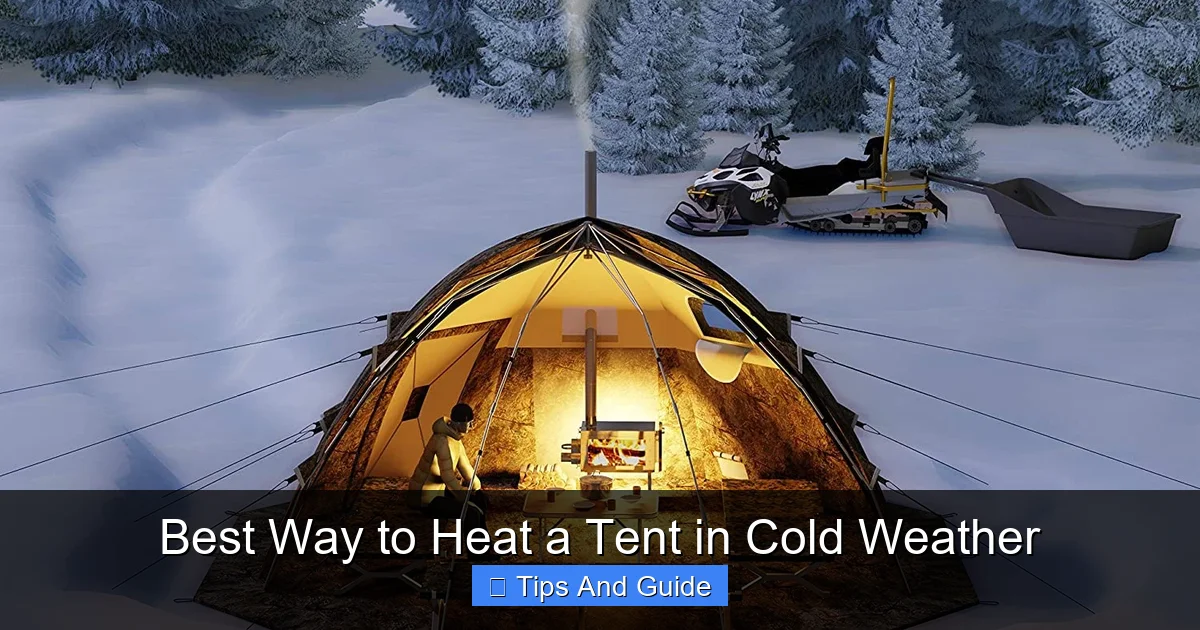
While the methods above are excellent for maintaining warmth, sometimes you need a little extra boost. When considering external heat sources, safety must be your absolute top priority. The best way to heat a tent in cold weather often involves a combination of insulation and a reliable heating device, used correctly.
#### The Dangers of Open Flames
It’s tempting to think about a small campfire inside or near your tent, but this is extremely dangerous. Open flames in an enclosed space pose significant risks of fire and carbon monoxide poisoning. **Never use a campfire, charcoal grill, or any open flame inside or directly next to your tent.**
#### Propane Heaters: The Popular Choice
Propane heaters designed for camping are a common solution. However, they require careful use.
* **Ventilation is Non-Negotiable:** Many propane heaters produce carbon monoxide (CO), a colorless, odorless gas that can be fatal. Always ensure adequate ventilation. This often means cracking a window or vent on your tent, even if it feels counterintuitive. For this reason, many campers opt for a dedicated CO detector when using propane heaters.
* **Follow Manufacturer Instructions:** Read and strictly follow the instructions that come with your heater.
* **Don’t Sleep With It On:** It’s generally safest to use these heaters to warm up the tent before you go to sleep and then turn them off. Some models are designed for low-level operation overnight with safety features, but always err on the side of caution.
* **Consider “Buddy Heaters”:** These are portable propane heaters, but they come with safety warnings for a reason. Always research the best camping heater for tent carefully and understand its limitations and risks.
#### Electric Heaters: A Niche Option
Electric heaters are an option if you have a reliable power source, such as a generator or shore power at a campsite.
* **Power Hungry:** They consume a lot of electricity, so a small portable power station might not be sufficient for long periods.
* **Cord Management:** Be mindful of tripping hazards with power cords.
* **Safety Features:** Look for models with tip-over switches and overheat protection.
#### Battery-Powered Heaters and Hand Warmers
These are generally safer and more portable options.
* **Rechargeable Hand Warmers:** These are fantastic for keeping your hands and feet warm.
* **Battery-Powered Fan Heaters:** Some smaller units can provide a gentle warmth. Their effectiveness will depend on the size of your tent and the ambient temperature.
* **Hot Water Bottle:** A classic for a reason! Fill a sturdy, leak-proof water bottle with hot (not boiling) water, wrap it in a cloth, and place it in your sleeping bag before bed. It’s a wonderfully simple and safe way to pre-warm your sleeping area.
### The Ultimate Comfort: Creating a Warm Sleeping Environment
Even with insulation and a heating source, the final step is ensuring your immediate sleeping area is as warm as possible.
#### Pre-Warm Your Sleeping Bag
As mentioned, a hot water bottle is a great way to do this. You can also gently warm a clean stone (ensure it’s not porous and will not crack) by a fire (then wrap it thoroughly in cloth) and place it in your sleeping bag.
#### Avoid Condensation
Condensation is a tent’s enemy in cold weather. It forms when warm, moist air from your breath and body comes into contact with the cold tent fabric. This moisture can then freeze, making everything damp and cold.
* **Ventilate (Strategically):** Even with reduced ventilation, some airflow is necessary to manage condensation.
* **Wipe it Down:** If you notice condensation, use a towel to wipe it down in the morning.
* **Don’t Touch the Tent Walls:** Try not to touch the inner walls of your tent, especially in cold weather, as this can transfer moisture and heat.
#### Keep Gear Dry
Ensure all your gear, especially your sleeping bag and clothes, is dry before you pack it away for the night. Damp gear will make you cold.
Camping in cold weather can be an incredibly rewarding experience. By focusing on insulation, utilizing your body heat effectively, and being mindful of safe heating practices, you can ensure your tent is a warm, comfortable sanctuary. Remember, the best way to heat a tent in cold weather is a layered approach, where prevention and smart strategies come first, followed by the careful use of any supplementary heat sources. So, layer up, pack smart, and embrace the beauty of a winter wonderland!
- Start with insulation: A well-insulated tent is your first line of defense against the cold. This includes a good ground pad, a quality sleeping bag, and proper tent selection.
- Utilize body heat: Your own body is a fantastic heat source. Layering clothing and keeping active before bed can significantly warm you up.
- Minimize heat loss: Seal up drafts, keep the tent zipped, and avoid unnecessary ventilation that lets warm air escape.
- Consider safe heating options: While tempting, open flames are dangerous. Look into battery-powered or propane heaters designed for tent use, always with proper ventilation.
- Hydration and nutrition are key: Staying hydrated and eating calorie-rich foods before bed can help your body generate more heat.
- Pre-warm your sleeping bag: A hot water bottle or even a warm stone (safely wrapped) can make a big difference.
Frequently Asked Questions
What is the safest way to heat a tent?
The safest ways to heat a tent involve methods that don’t produce carbon monoxide and minimize fire risk. Utilizing body heat through layering and eating well is the safest. If using a heater, ensure it’s designed for tent use, has safety features like an auto shut-off, and is always used with proper ventilation and a carbon monoxide detector.
Can I use a portable propane heater in my tent?
Yes, but with extreme caution. Portable propane heaters can effectively warm a tent, but they produce carbon monoxide, which is dangerous. Always ensure adequate ventilation by cracking a window or vent, never sleep with the heater running unattended, and use a carbon monoxide detector. Always follow the manufacturer’s instructions precisely.
How much insulation do I need for my sleeping pad?
For cold weather camping, look for a sleeping pad with a high R-value, ideally 4 or higher. This indicates its ability to resist heat flow from the cold ground. Using two pads, such as a foam pad topped with an inflatable one, can significantly boost insulation.
Is it okay to seal my tent completely to keep it warm?
No, it is not recommended to seal your tent completely. Tents need some ventilation to prevent condensation buildup from your breath and body heat. Condensation can make your sleeping bag and gear damp and cold. Strategic ventilation, like slightly opening vents or a small gap in the zipper, is crucial.
What is the role of a sleeping bag liner?
A sleeping bag liner adds an extra layer of insulation inside your sleeping bag, typically adding between 5-15°F (3-8°C) to its warmth rating. It also helps keep your sleeping bag cleaner by absorbing body oils and sweat, reducing the need for frequent washing of the bag itself.
How can I use my body heat to warm my tent?
Your body is a natural heater! Layering your clothing with moisture-wicking base layers and insulating mid-layers helps trap body heat. Eating calorie-rich foods before bed provides energy for your body to generate heat. Even a little pre-bedtime exercise to get your blood circulating can warm you up significantly before you settle in.