Best Way to Dry Out Tent
Don’t let a damp tent ruin your next adventure! This guide reveals the best way to dry out your tent, ensuring it stays fresh and lasts longer. We cover everything from quick shakes to thorough airing, so your gear is always ready.
Camping is an incredible way to connect with nature, breathe fresh air, and make lasting memories. But like any outdoor adventure, it comes with its own set of challenges. One of the most common, and often overlooked, is what to do with your tent once the trip is over, especially if it’s wet. A damp tent shoved into a bag is a recipe for disaster, leading to mildew, unpleasant smells, and even damage to the fabric. Learning the best way to dry out your tent is crucial for its longevity and for ensuring your next camping trip is just as enjoyable.
We’ve all been there. You pack up camp in a hurry, the sky opens up, or maybe your tent just seems to weep condensation all night. The last thing you want to think about is wrestling a soggy tent into submission. However, neglecting this simple step can lead to costly repairs or a replacement tent sooner than you’d like. So, let’s dive into how to properly dry your tent, keeping it in top shape for all your future escapades.
- Proper drying prevents mold and mildew, which can damage fabric and create unpleasant odors.
- Airflow is key; find a breezy, sunny spot whenever possible.
- Shake it out! A good shake removes debris and loose moisture before you start drying.
- Never pack a damp tent, as this is the fastest route to mildew growth.
- Consider a tent dryer or fan for faster drying in humid conditions.
- Store your tent loosely in a dry place once completely dry.
- Regular maintenance, including proper drying, extends the life of your tent.
📑 Table of Contents
Why Drying Your Tent is So Important
Before we get into the ‘how,’ let’s quickly cover the ‘why.’ It might seem like a minor inconvenience, but failing to dry your tent properly can have significant consequences.
The Dreaded Mildew Menace
Mildew and mold are the arch-nemeses of camping gear. These microscopic organisms thrive in dark, damp environments. When you pack away a wet tent, you create the perfect breeding ground for them. Mildew doesn’t just smell bad; it can literally eat away at the fabric of your tent, weakening seams and coatings. This can lead to leaks and a shortened lifespan for your shelter. Imagine setting up your tent for a trip and being hit with a musty odor – not exactly the smell of adventure!
Protecting Your Investment
Tents, especially good quality ones, are an investment. Whether you have a sturdy family tent or a lightweight backpacking model, you want it to last. Proper care, including thorough drying, is one of the simplest yet most effective ways to protect your investment and ensure it serves you well for years to come. A well-maintained tent means fewer worries and more happy camping days.
The Best Way to Dry Out a Tent: Step-by-Step

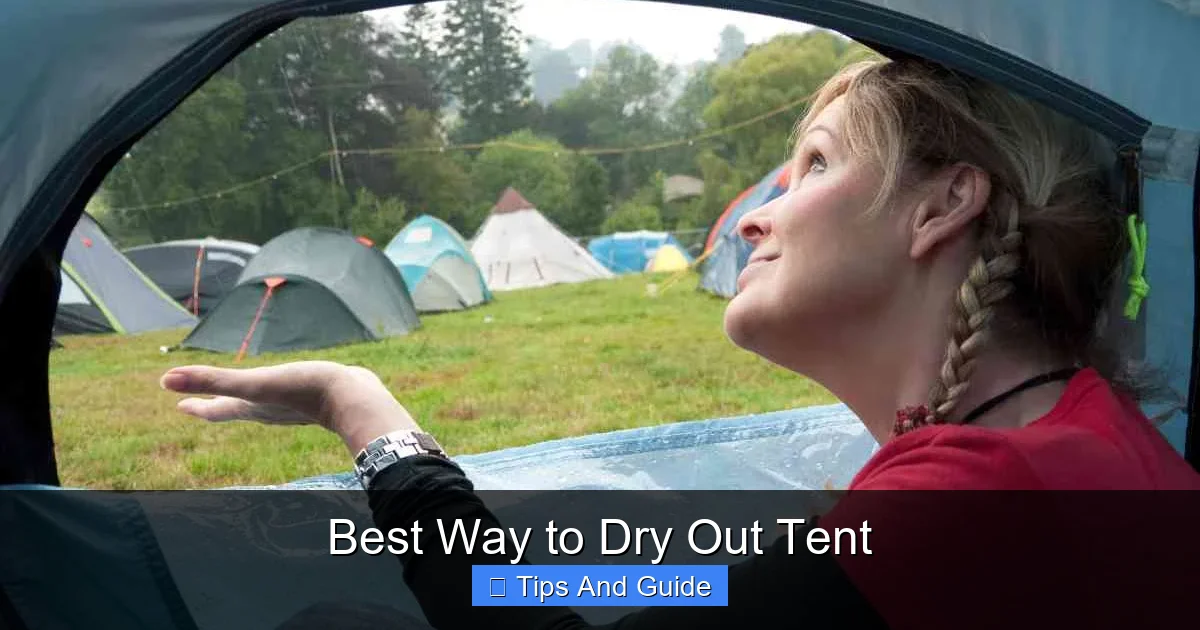
Visual guide about Best Way to Dry Out Tent
Image source: rusticaly.com
So, you’ve returned from your trip, and your tent is anything but dry. Don’t despair! Here’s a straightforward approach to get your tent bone dry.
Step 1: The Immediate Shake-Off
As soon as you get home, or even at the campsite if possible, give your tent a good shake. Don’t be shy! Shake it vigorously to dislodge any loose debris like leaves, twigs, and dirt. More importantly, this initial shake will remove a significant amount of surface moisture, especially from the flysheet and inner tent. If it’s still raining or very damp, this step might seem futile, but any moisture you can get off now is one less bit you’ll have to deal with later.
Step 2: Find the Right Drying Spot
This is arguably the most crucial part of the best way to dry out a tent. You need a location with good airflow and, ideally, sunshine.
Outdoor Drying
The absolute best place to dry a tent is outside on a clear, breezy day.
- Sunny Location: Pick a spot that gets direct sunlight. The sun’s warmth helps evaporate moisture efficiently.
- Good Airflow: Place it in an area where the wind can get to it. This could be your backyard, a large patio, or even a grassy field.
- Elevated Surface: If possible, set it up slightly off the ground. You can use a clothesline, chairs, or sawhorses to create some elevation and allow air to circulate underneath.
If you don’t have a yard, some campgrounds offer drying racks, or you might be able to string a line between trees (just be mindful of the environment and use soft ties if possible).
Indoor Drying (When Outdoor Isn’t an Option)
Sometimes, the weather just doesn’t cooperate. If you absolutely must dry your tent indoors, prioritize airflow.
- Spacious Room: Use a large, well-ventilated room in your house. Open windows and doors to create a cross-breeze.
- Avoid Overcrowding: Don’t try to cram the tent into a small space. Lay it out as much as possible.
- Use Fans: Place fans strategically to circulate air around the tent. Aim them at different parts of the fabric.
- Dehumidifier: If you have a dehumidifier, running it in the room will significantly speed up the drying process.
- Keep it Away from Heat Sources: Never place your tent directly near radiators, heaters, or open flames, as this can damage the fabric and coatings.
Drying indoors can take longer and requires more effort to ensure complete dryness.
Step 3: Tent Assembly (Partial or Full)
To maximize surface area exposure, it’s best to set your tent up, at least partially.
Pitching the Tent
If you have the space, pitch the tent as you normally would. This allows all sides to be exposed to air. For a double-wall tent, you can often pitch the inner tent first and then drape the flysheet over it, or vice versa depending on the design.
Hanging Components
If pitching the whole tent isn’t feasible, you can hang individual components.
- Flysheet: This is the most critical part to dry. Hang it over a clothesline, a railing, or draped over furniture.
- Inner Tent: The mesh inner tent dries relatively quickly. Lay it out flat or hang it.
- Poles and Stakes: Lay these out separately to ensure they dry completely and don’t rust (if metal).
Step 4: The Waiting Game (and a Little Help)
Drying time varies greatly depending on the size of the tent, the material, humidity, and temperature. Be patient!
Patience is a Virtue
Give the tent ample time. A large family tent might take several hours, even on a good day. A smaller backpacking tent might dry faster. Check it periodically, feeling for any damp spots.
A Little Help from Technology
If you’re in a hurry or dealing with persistent dampness, consider using:
- A Tent Dryer: Some specialized products are designed to circulate warm air inside a tent.
- A Shop Vac (on blow function): If you have one, a shop vac can be used to blow air into the tent, helping to speed up the process.
- Camping Fans: Small battery-powered camping fans can be placed inside the tent to keep air circulating. While these are great for ventilation during camping, they can also assist with drying at home.
Step 5: The Final Check and Cleaning
Before packing it away, give your tent a thorough inspection.
Feeling for Dampness
Run your hands over every surface of the tent, including seams, corners, and inside pockets. Pay special attention to areas that might trap moisture. If you feel even a hint of dampness, let it dry longer.
Spot Cleaning
While it’s dry, it’s the perfect time to spot clean any dirt or grime that accumulated during your trip. Use a mild soap and water solution, and remember to let those spots dry completely afterward. This is also a good time to check for any damage, like small rips or tears, that you can mend before your next adventure. If you’ve been using your tent in various conditions, you might want to consider a re-waterproofing treatment for the flysheet.
Dealing with Specific Tent Materials

Visual guide about Best Way to Dry Out Tent
Image source: i.pinimg.com
Different tent materials require slightly different care, though the core principle of drying remains the same.
Nylon and Polyester Tents
Most modern tents are made from nylon or polyester. These synthetic fabrics are generally durable and dry relatively quickly. The main concern here is the waterproofing coatings (like PU or silicone), which can be affected by prolonged dampness and mold. Ensure these coatings are dry.
Canvas Tents
Canvas tents are a different beast. They are highly breathable but take much longer to dry. They are also more prone to mildew if not dried thoroughly.
- Air Them Out Completely: Canvas needs significant airflow and time.
- Sun is Your Friend: The sun is excellent for drying canvas, but be cautious of prolonged, intense direct sun, which can degrade canvas over time.
- Brush Off Dry Dirt: Once dry, gently brush off any loose dirt.
For canvas, it’s even more critical to avoid packing it away damp.
Common Mistakes to Avoid
Even with the best intentions, some common mistakes can sabotage your drying efforts.
Mistake 1: Packing a Damp Tent
This is the cardinal sin of tent care. Even if you’re in a rush or it’s raining, try to get your tent as dry as possible. If you absolutely must pack it wet, spread it out to dry the moment you get home. Don’t let it sit in the bag for days.
Mistake 2: Using High Heat
Never use a clothes dryer, hairdryer on a hot setting, or place your tent directly on a radiator. High heat can melt coatings, shrink fabric, and warp poles. Always opt for air drying.
Mistake 3: Leaving it in the Bag After Drying
Once your tent is completely dry, resist the urge to just stuff it back into its stuff sack immediately. Loosely fold or roll it and store it in a breathable bag or pillowcase. This prevents creases and allows any residual moisture to escape, further preventing potential mildew. Some tents come with a larger mesh storage bag for this very reason.
Mistake 4: Forgetting the Stakes and Poles
Don’t neglect the smaller components. Stakes, especially metal ones, can rust if left wet. Poles can also harbor moisture in their joints. Lay them out separately to dry.
When You Can’t Dry Your Tent Properly
Sometimes, life (and weather) gets in the way. If you find yourself in a situation where you absolutely cannot dry your tent, here’s what to do:
Immediate Action Upon Return
The moment you get home, unpack the tent and lay it out. If it’s raining outside, lay it out in the largest room of your house. Open all windows, turn on fans, and use a dehumidifier if you have one. Do not leave it in the bag for even a few hours.
Dealing with Mildew Odors
If you discover mildew spots or smell that musty odor, don’t panic.
- Cleaning Solutions: You can often clean mildew with a solution of water and white vinegar (equal parts) or a specialized tent cleaner.
- Rinse Thoroughly: After cleaning, make sure to rinse the tent thoroughly with clean water.
- Dry Completely: Then, follow the drying steps outlined above. It might take a few cycles of cleaning and drying to completely eradicate the smell and stains.
For severe mildew damage, it might be time to consider a new tent.
Storing Your Dry Tent
Once your tent is thoroughly dry, proper storage is key to maintaining its condition.
Loose Storage is Best
As mentioned, avoid tight stuff sacks for long-term storage. Loosely roll or fold your tent and store it in a large, breathable bag. This allows for air circulation and prevents permanent creasing. Many tents come with a large storage sack that is ideal for this purpose.
Choose a Dry Location
Store your tent in a cool, dry place, away from direct sunlight and extreme temperatures. An attic can be too hot, and a damp basement is a no-go. A closet in your living space is often a good option.
Keep it Away from Pests
Make sure your storage area is free from rodents or insects that might try to nest in or chew on your tent.
Conclusion: The Best Way to Dry Out Tent is Proactive Care
The best way to dry out your tent is not a single magical step, but a consistent practice of proactive care. By understanding why drying is essential and following these simple steps, you can significantly extend the life of your tent, ensure it’s always ready for your next adventure, and avoid the unpleasant consequences of a damp, mildew-ridden shelter. Remember to shake it out, find a breezy spot, give it time, and store it properly. Happy camping!
Frequently Asked Questions
What is the fastest way to dry a tent?
The fastest way to dry a tent is to pitch it outdoors in direct sunlight on a breezy day. Using fans indoors with a dehumidifier can also significantly speed up the drying process if outdoor drying isn’t possible.
Can I use a hairdryer to dry my tent?
It’s generally not recommended to use a hairdryer on a hot setting to dry your tent. High heat can damage the tent’s waterproof coatings and fabric. If you must use a hairdryer, use only the cool setting and keep it moving constantly.
How long does it take to dry a tent?
Drying time varies depending on the tent’s size, material, humidity, and temperature. A small backpacking tent might dry in a few hours on a sunny day, while a large family tent could take all day or even longer.
What should I do if my tent smells musty?
A musty smell usually indicates mildew. Clean the affected areas with a solution of equal parts water and white vinegar or a specialized tent cleaner. Rinse thoroughly and dry the tent completely. Repeat if necessary.
Can I machine wash my tent?
Most tents cannot be machine washed. The agitation and harsh detergents can damage the fabric, seams, and waterproof coatings. Always check the manufacturer’s care instructions, but hand washing or spot cleaning is usually the safest bet.
How do I store my tent when it’s completely dry?
Once completely dry, it’s best to store your tent loosely rolled or folded in a large, breathable bag (often provided with the tent) rather than its tight stuff sack. Store it in a cool, dry place away from direct sunlight and pests.