Best Way to Dry Out a Wet Tent
Don’t let a wet tent ruin your next adventure! This guide provides the best way to dry out a wet tent quickly and effectively. Learn essential techniques to prevent mold, mildew, and damage, ensuring your tent stays in top condition for future use.
- Immediate action is crucial: The sooner you address a wet tent, the easier it is to dry and the less likely it is to suffer permanent damage.
- Shake and wipe: Remove excess water by shaking the tent vigorously and wiping down surfaces with a dry cloth.
- Ventilation is key: Maximize airflow by opening all doors, windows, and vents.
- Sunlight is your friend: When possible, use natural sunlight to speed up the drying process, but avoid prolonged direct exposure to prevent UV damage.
- Drying indoors: If outdoor drying isn’t an option, find a well-ventilated indoor space and consider using fans.
- Check seams and zippers: Pay special attention to these areas, as they can trap moisture.
- Proper storage: Always store a thoroughly dry tent to prevent future moisture-related problems.
📑 Table of Contents
- The Best Way to Dry Out a Wet Tent
- Immediate Action: The First Steps to a Dry Tent
- Harnessing the Power of Nature: Outdoor Drying Techniques
- Indoor Drying: When Nature Doesn’t Cooperate
- Special Attention Areas: Seams, Zippers, and Fabric Types
- The Final Check and Proper Storage
- When to Consider Professional Help or Replacement
The Best Way to Dry Out a Wet Tent
Ah, camping. The crackling campfire, the starry night sky, the fresh air… and sometimes, a soggy tent. Whether it’s a sudden downpour that catches you off guard, dew that settles like a thick blanket, or an unfortunate spill, dealing with a wet tent is a common, if not entirely welcome, part of outdoor adventures. But don’t despair! Knowing the best way to dry out a wet tent can save you a lot of headaches, prevent costly damage, and ensure your trusty shelter is ready for your next expedition.
A damp tent isn’t just uncomfortable; it’s a breeding ground for mold and mildew. These unwelcome guests can not only leave your tent smelling musty and unpleasant but can also degrade the fabric over time, weakening seams and reducing its waterproofing capabilities. Plus, nobody wants to pack up a heavy, damp tent that could potentially spread its dampness to other gear. That’s why getting it dry, and doing it right, is so important.
This guide will walk you through the essential steps and smart strategies to ensure your tent is thoroughly dried, no matter the circumstances. From quick fixes on the trail to more in-depth drying at home, we’ve got you covered. Let’s get your tent back to its dry, happy self!
Immediate Action: The First Steps to a Dry Tent
Visual guide about Best Way to Dry Out a Wet Tent
Image source: beyondtent.com
When you first discover your tent is wet, acting fast is your best weapon. The longer moisture sits on or within the fabric, the more it can soak in and the harder it becomes to remove. Think of it like a spill on your carpet – the quicker you tackle it, the better the outcome.
Shake it Out!
The very first thing you should do is give your tent a good, vigorous shake. If it’s still erected or partially erected, try to shake it from the inside and outside. This will dislodge any loose water droplets clinging to the fabric. If your tent is packed up and already wet, unpack it and give it a good shake. This simple action can remove a surprising amount of surface water.
Wipe Down Surfaces
Grab a dry towel, a chamois cloth, or even a clean t-shirt, and start wiping down the interior and exterior of your tent. Pay close attention to the tent walls, the floor, and any condensation that has formed on the inside. Don’t forget the rainfly, as this is usually the first line of defense against external moisture. For stubborn droplets, a gentle blotting motion can be more effective than wiping.
Open Everything Up
This might seem obvious, but make sure all doors, windows, and vents are fully opened. This is crucial for allowing air to circulate freely, which is the key to evaporation. Even a slightly zipped-up window can trap moisture inside, hindering the drying process. If you have a detachable rainfly, consider separating it from the tent body to allow for better airflow around both pieces. This is also a good time to check if you need to adjust ventilation for comfort, perhaps by using a camping fan for your tent, especially in humid conditions.
Harnessing the Power of Nature: Outdoor Drying Techniques
Visual guide about Best Way to Dry Out a Wet Tent
Image source: ayamaya.com
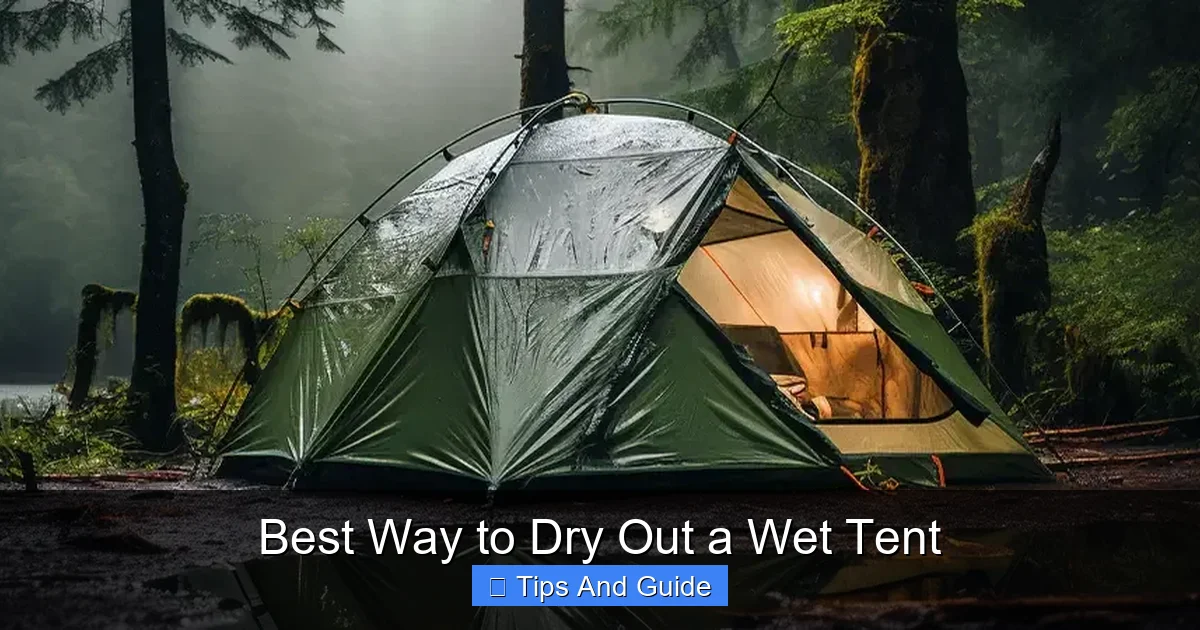
When the weather cooperates, the great outdoors offers the best environment for drying your tent. Sunlight and a gentle breeze are your allies in this process.
Finding the Perfect Spot
The ideal drying spot is one that receives direct sunlight but also has good air circulation. A grassy clearing, an open campsite, or even a large backyard patio can work. Avoid placing your tent directly on hot asphalt or concrete for extended periods, as this can potentially damage the fabric. If you’re at a campsite, look for a spot that’s not too shaded by trees, as this will slow down the drying significantly.
Tent Setup for Drying
If you have the space and the time, setting up your tent properly for drying can make a big difference.
- Pitch it fully: If you can, pitch the tent as you normally would. This allows air to flow through the entire structure.
- Rainfly detached: Often, the best way to dry is to hang the rainfly and tent body separately. This allows air to circulate around each piece more effectively. You can often drape the rainfly over a clothesline or even a sturdy tree branch (carefully, to avoid snagging).
- Tent floor facing up: If you’re laying the tent flat, try to position the tent floor facing upwards towards the sun. The floor is often the most durable part of the tent and can handle direct sun better than the main fabric.
The Role of Sunlight
Sunlight is a fantastic natural disinfectant and drying agent. The warmth of the sun helps to evaporate moisture quickly. However, it’s important to be mindful of prolonged, intense direct sunlight. Most tent fabrics, especially those with UV coatings, can degrade over time if exposed to harsh UV rays for too long. A few hours of direct sun are usually beneficial, but if you’re drying for an entire day, consider moving the tent to a partially shaded spot during the hottest parts of the day, or flipping it over periodically.
Utilizing Wind
A gentle breeze is just as important as sunlight for drying. Wind helps to carry away the moist air that evaporates from the tent fabric. If you’re in a sheltered spot, try to position your tent so that the wind can flow through it. Sometimes, you might need to prop open doors or windows with a small stick or rock to ensure maximum airflow.
Indoor Drying: When Nature Doesn’t Cooperate
Sometimes, you just can’t dry your tent outside. Maybe you’ve come home from a trip in the rain, or perhaps you’re dealing with a sudden storm. Don’t worry, you can still get your tent dry indoors.
Choosing the Right Indoor Space
The key to indoor drying is ventilation. You need to create an environment where moist air can escape and be replaced by drier air.
- Well-ventilated rooms: A room with windows that can be opened is ideal. A garage with the door open (if safe and weather permits) or a large, open living space can also work.
- Avoid humid areas: Steer clear of damp basements or bathrooms where humidity is already high.
- Consider your flooring: If you’re laying your tent on the floor, put down old towels or a tarp to protect your flooring from any residual moisture.
Maximizing Airflow Indoors
If natural ventilation isn’t enough, you’ll need to create your own airflow.
- Fans are your best friend: Place one or more electric fans strategically around the tent to blow air across the fabric. Oscillating fans are particularly useful as they cover a wider area. You might even consider using a large camping fan if you have one.
- Dehumidifiers: If you have a dehumidifier, it can be a lifesaver for drying out a tent indoors, especially in humid climates. Place it in the room with the tent to actively remove moisture from the air.
- Hang it up: If possible, hang sections of your tent over shower rods, sturdy chairs, or even clothes hangers. This exposes more surface area to the air and helps moisture drip away.
Patience is a Virtue
Drying a tent indoors can take longer than drying it outdoors. Be prepared to leave it spread out and circulating air for a day or even two, depending on how wet it is and your indoor environment. Don’t rush the process, as packing away a still-damp tent is a recipe for disaster.
Special Attention Areas: Seams, Zippers, and Fabric Types
Some parts of your tent require a little extra care when drying. These are the spots where moisture tends to linger.
Seams and Stitching
Tent seams are often taped or treated to be waterproof. However, they can still trap moisture, especially along the stitching. After you’ve shaken and wiped down the main surfaces, run your hands along the seams. You might feel dampness. You can gently press a dry towel along the seams to absorb this moisture. Ensure the seam tape is not peeling, as this could be a sign of wear and tear.
Zippers and Closures
Zippers are notorious for trapping water and debris. Open and close your zippers several times while drying, and use a dry cloth to wipe down the zipper teeth. This not only helps to remove moisture but also keeps them functioning smoothly. If your tent has Velcro closures, ensure they are also wiped clean and allowed to dry fully.
Fabric Considerations
Different tent materials require slightly different approaches.
- Nylon and Polyester Tents: These are common and generally durable. They dry relatively quickly and can tolerate moderate sunlight. Be cautious of extreme heat, which can damage coatings.
- Canvas Tents: Canvas tents are heavier and take longer to dry. They also require more vigorous airing out. While more breathable, canvas can be more susceptible to mildew if not dried thoroughly. Never store a canvas tent damp; it’s a guaranteed way to invite mold.
If your tent is a specialized material, always refer to the manufacturer’s care instructions. Understanding the nuances of your specific shelter, whether it’s a rugged bug out tent or a lightweight backpacking shelter, is key to proper maintenance.
The Final Check and Proper Storage
You’ve gone through the drying process, but you’re not quite done yet! A final inspection and proper storage are critical to preserving your tent.
The “Is It Really Dry?” Test
Before packing your tent away, give it a thorough once-over. Feel all the seams, the floor corners, and inside pockets. If you notice any faint dampness, dedicate a bit more time to drying that specific area. It’s better to be safe than sorry. You can even leave the tent loosely folded or draped over something for an extra few hours to be absolutely sure.
The Importance of Airing Out Before Storage
Even if you think your tent is dry, it’s a good practice to air it out for a while before packing it for long-term storage. This helps to ensure any residual moisture from condensation or humidity has completely evaporated.
Packing it Up Right
Once you’re 100% confident your tent is dry, pack it loosely. Avoid cramming it tightly into its stuff sack, especially if it’s for long-term storage. This allows for some air circulation within the bag and prevents creases from setting in permanently. If you have the option, store your tent in a larger breathable bag or even loosely folded on a shelf in a cool, dry place. This is also a good time to check your tent stakes, poles, and guylines, ensuring they are clean and dry as well.
Dealing with Mildew Odors
If, despite your best efforts, your tent develops a musty odor, don’t panic. You can often tackle this by airing the tent out thoroughly in the sun (if possible) and using a specialized tent cleaner or a mild solution of water and white vinegar. Always test any cleaning solution on a small, inconspicuous area first.
When to Consider Professional Help or Replacement
While most tents can be salvaged with proper drying, sometimes the damage is too extensive.
Signs of Significant Damage
If you notice persistent mold growth that you can’t remove, torn fabric, or compromised waterproof coatings, it might be time to consider more drastic measures. Mold that has deeply penetrated the fabric can be very difficult, if not impossible, to eradicate completely. Degraded coatings can also severely impact your tent’s ability to keep you dry.
Repair vs. Replace
For minor tears or seam tape issues, repair kits are readily available. However, if the structural integrity of the tent is compromised, or if multiple issues arise, it might be more cost-effective and practical to invest in a new tent. Consider what type of camping you do. If you’re an occasional camper, a more budget-friendly pop-up tent review might lead you to a suitable replacement. If you’re a serious adventurer, investing in a high-quality, durable tent like a good camping backpacking tent is a worthwhile long-term investment.
Drying out a wet tent might not be the most glamorous part of camping, but it’s an essential skill for any outdoor enthusiast. By following these steps, you can ensure your tent remains a reliable and comfortable home away from home for many adventures to come. Happy (and dry) camping!
Frequently Asked Questions
What is the quickest way to dry a tent?
The quickest way to dry a tent is by maximizing airflow and utilizing sunlight and wind outdoors. Shake off excess water, open all doors and vents, and pitch it in a sunny, breezy spot. If indoors, use fans and a dehumidifier in a well-ventilated room.
Can I use a hairdryer to dry my tent?
While a hairdryer might seem like a quick fix, it’s generally not recommended for drying a tent. The heat can potentially damage delicate tent fabrics and coatings. Air drying methods are safer and more effective for the long term.
How do I prevent mold and mildew in my tent?
The best way to prevent mold and mildew is to ensure your tent is completely dry before storing it. Always air it out thoroughly after use, especially if it got wet. Store it in a cool, dry place with good ventilation.
Is it okay to store a slightly damp tent?
No, it is never okay to store a slightly damp tent. Even a little moisture can lead to the rapid growth of mold and mildew, which can permanently damage the tent fabric, create unpleasant odors, and compromise its waterproof capabilities.
How do I clean my tent if it has mold or mildew?
To clean mold or mildew, first try to air the tent out in direct sunlight. If that doesn’t work, use a mild solution of water and white vinegar or a specialized tent cleaner. Gently scrub the affected areas and rinse thoroughly, then dry the tent completely.
How often should I waterproof my tent?
The frequency depends on the tent’s material, how often it’s used, and the conditions it’s exposed to. Generally, it’s a good idea to re-waterproof your tent every 1-2 years, or whenever you notice water starting to soak into the fabric instead of beading up and rolling off.