Best Way to Dry a Tent
Properly drying your tent is crucial for its longevity and preventing mold. This guide outlines the best methods, from immediate post-trip care to deep cleaning and storage. Following these steps ensures your tent remains a reliable shelter for many adventures to come.
So, you’ve just returned from an incredible camping trip. The campfire smoke has faded, the s’mores wrappers are (hopefully) packed out, and you’re back home, ready to relax. But wait – what about your trusty tent? If you packed it away damp, even just a little bit, you might be setting yourself up for a not-so-pleasant surprise next time you unroll it. We’re talking about that dreaded musty smell, or worse, patches of mold and mildew. Yikes!
Don’t worry, though. Keeping your tent in top shape is surprisingly straightforward, and it all comes down to one simple, yet critical, step: drying it properly. This isn’t just about avoiding smells; it’s about protecting your investment and ensuring your tent is always ready for its next adventure. Think of it as essential tent maintenance, just like choosing the best camping mattress for your tent or finding the perfect camping lights for your tent. A clean, dry tent is the foundation of a great outdoor experience.
Let’s dive into the best way to dry a tent, so you can keep it performing its best for years to come.
- Ventilation is key: Always aim for good airflow when drying your tent to speed up the process and prevent moisture buildup.
- Never machine dry: High heat from a dryer can damage your tent’s fabric and waterproofing.
- Shake it out first: Remove debris like leaves, dirt, and bugs before attempting to dry to avoid grinding them into the fabric.
- Use natural methods: Sun and wind are your best allies for drying, but avoid prolonged direct sunlight which can degrade materials.
- Address wet spots: Pay special attention to seams, zippers, and guylines, as these areas can hold moisture longer.
- Proper storage is vital: Once completely dry, store your tent loosely in a cool, dry place to prevent mildew.
📑 Table of Contents
Why Drying Your Tent Properly Matters
Before we get into the “how,” let’s quickly touch on the “why.” Moisture is the enemy of tent fabric and its coatings. When a tent is packed away wet, it creates a perfect breeding ground for mold and mildew. These fungi can not only ruin the look and smell of your tent but also degrade the fabric, reducing its waterproofness and lifespan.
The Threat of Mold and Mildew
Mold and mildew are microscopic organisms that thrive in damp, dark environments. Your tent, especially after a rainy camping trip, provides just that. Even a small amount of condensation from your breath or dew can contribute to the problem if the tent isn’t dried thoroughly. The black, green, or gray spots you might see are the visible signs of their growth. They feed on organic materials, including the nylon or polyester fibers of your tent and its protective coatings.
Impact on Tent Longevity and Performance
Beyond the unsightly appearance and unpleasant odor, mold and mildew can cause permanent damage. They can eat away at the fabric fibers, weakening them and making them more prone to tears. The waterproof coatings (like PU or DWR treatments) can also be compromised, leading to leaks. A tent that’s regularly packed away wet and not dried properly will simply not last as long as one that’s well cared for. Essentially, taking the time to dry your tent is an investment in its future.
The Immediate Post-Trip Drying Process
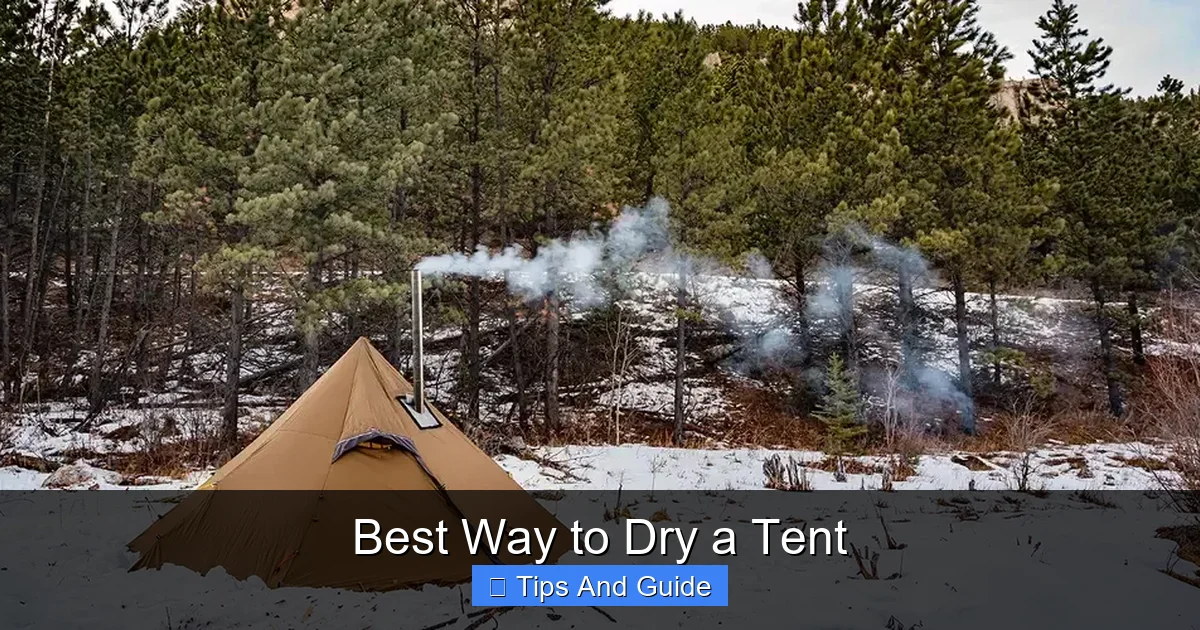
Visual guide about Best Way to Dry a Tent
Image source: ayamaya.com
This is the most crucial stage. As soon as you get home from your trip, your tent needs attention. Don’t let it languish in your garage or backpack for days.
The Unpack and Shake-Out
The very first thing you should do is unpack your tent and give it a good shake. Get rid of any loose dirt, leaves, pine needles, or other debris. This prevents these bits from getting ground into the fabric during the drying process and makes cleaning easier. Pay special attention to the floor, where most debris tends to collect.
Finding the Right Drying Spot
The ideal place to dry your tent is outdoors, in a well-ventilated area. A sunny day is perfect, but with a caveat: avoid prolonged, direct, harsh sunlight. While a bit of sun is great for drying and UV rays can actually help kill some bacteria, excessive exposure can degrade the fabric and damage its waterproof coatings. A shaded spot with good airflow is often better than direct sun for extended periods. If outdoor drying isn’t an option, a large, well-ventilated room indoors is the next best thing. Open windows and use fans to create airflow.
Setting Up for Air Drying
Here’s where you get creative. You want to maximize surface area exposure to the air.
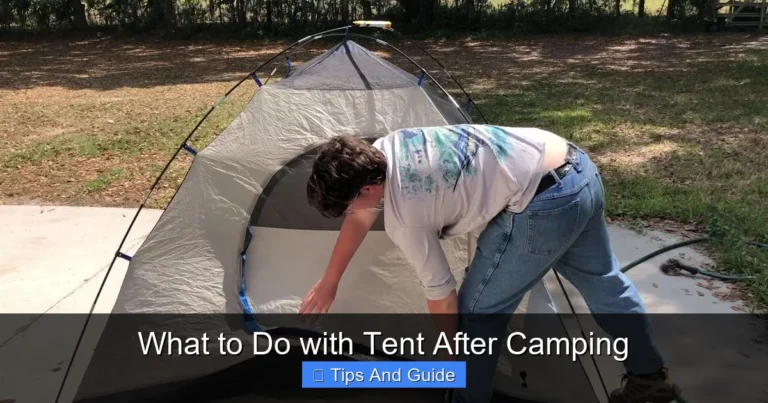
- Tent Body: Lay the tent body flat, spread out as much as possible. If you have a clothesline, you can drape it over, but ensure it’s not creating damp pockets. Some people use chairs or sawhorses to elevate parts of the tent.
- Tent Fly: The rainfly is often the wettest part. Hang it over a clothesline or spread it out separately. Make sure the inside and outside can both air out.
- Poles and Stakes: Lay these out separately. Ensure they are completely dry, especially the pole sections, as water can collect inside them.
- Guylines and Tent Bag: Untangle guylines and let them dry. The tent bag itself can also hold moisture, so air it out as well.
The goal is to create a situation where air can circulate freely around all parts of the tent.
Deeper Cleaning for a Truly Dry Tent
Visual guide about Best Way to Dry a Tent
Image source: survivalop.com
Sometimes, a simple air-dry isn’t enough, especially if your tent is visibly dirty or has been stored improperly in the past. A little cleaning goes a long way in ensuring it dries thoroughly and stays that way.
Gentle Cleaning Methods
When cleaning your tent, always opt for gentle methods. Harsh soaps or detergents can strip away the fabric’s DWR (Durable Water Repellent) coating and damage the waterproofing.
- Spot Cleaning: For minor dirt or mud, use a sponge or soft cloth with plain water. Gently wipe the affected area.
- Mild Soap Solution: For more stubborn grime, use a specialized tent cleaner or a very mild, non-detergent soap (like baby shampoo) diluted in water. Always test this solution on an inconspicuous area first.
- Rinsing is Crucial: Whatever cleaning agent you use, make sure you rinse your tent thoroughly. Residue from soap can attract dirt and compromise waterproofing. Use a hose with a gentle spray setting, or wipe down with clean, damp cloths multiple times.
Dealing with Specific Issues
- Mud: Let mud dry completely on the tent fabric. Once dry, it usually brushes off easily. For tougher spots, use the gentle cleaning methods described above.
- Sap: Sap can be tricky. Sometimes, a bit of rubbing alcohol on a cloth can help dissolve it, but be careful not to overdo it and damage the fabric. Other specialized tent cleaners might be effective.
- Pet Hair: This is best tackled with a stiff brush or a lint roller before washing. Sometimes, a wet cloth can help clump it together for easier removal.
Remember, the key here is to be gentle. We’re cleaning the tent, not scrubbing it raw.
The Drying Process: Patience and Persistence
Drying a tent isn’t always a quick job, especially if it’s very wet or humid. Patience is your best friend here.
Air Circulation is Your Superpower
We’ve mentioned this before, but it bears repeating. Airflow is everything. If you’re drying indoors, position fans to blow air over and through the tent. Open doors and windows. If you’re outdoors, choose a breezy day. A gusty wind can dry a tent much faster than still air.
How Long Does it Take?
This varies greatly depending on the tent size, material, how wet it is, and environmental conditions. A lightly damp tent might dry in a few hours on a sunny, breezy day. A thoroughly soaked tent, especially one with a separate fly and inner, could take a full day or even two to dry completely, particularly if humidity is high. Don’t rush it.
Checking for Complete Dryness
It’s not enough for the outside to feel dry. Feel the seams, zippers, and inside pockets. These areas can trap moisture. Run your hands along seams and inside corners. If anything feels even slightly cool or damp, the tent needs more drying time. A quick check of the tent bag is also important. If the tent is completely dry, the bag should feel dry too.
Storage: The Final Step to a Dry Tent
Once you are absolutely, positively sure your tent is bone dry, it’s time to store it. Improper storage can undo all your hard work.
Loosely Pack for Breathability
Never stuff your tent into its original stuff sack tightly. This traps any residual moisture and can also crease the fabric unnecessarily.
- The “Stuff” Method: Loosely stuff your tent, fly, poles, and stakes into the tent bag or a larger breathable storage bag. Don’t roll it tightly.
- Mesh Bags: Consider using a larger mesh bag for storage. This allows for maximum airflow while keeping everything contained.
The idea is to allow some air to circulate even when it’s packed away.
Choosing the Right Storage Location
Where you store your tent is almost as important as how you store it.
- Cool and Dry: Find a location that is consistently cool and dry. Avoid damp basements, garages prone to humidity, or hot attics.
- Away from Pests: Store it somewhere that’s not easily accessible to mice or insects, which can chew through fabric.
- Out of Direct Sunlight: Even when stored, avoid direct sunlight. UV rays can degrade materials over time.
A closet in a climate-controlled part of your home is often the best option.
When to Consider Professional Cleaning or Repair
Sometimes, despite our best efforts, tents can develop issues that require more than a simple drying session.
Tackling Stubborn Stains and Odors
If you’ve tried gentle cleaning and still have persistent odors or stains, you might consider a specialized tent cleaning service. These services use professional-grade products and equipment that can be more effective. They also have the expertise to clean without damaging your tent.
Repairing Damage
If you notice small tears, seam leaks, or damaged zippers during the cleaning or drying process, it’s best to address them sooner rather than later. Small repairs are often easy to do yourself with a patch kit or seam sealer. For more significant damage, a professional repair service can often restore your tent to its former glory. Remember, a well-maintained tent, like a good camping mat for your tent, enhances your comfort.
Taking the best way to dry a tent seriously is an act of self-care for your outdoor gear. It might seem like a chore after a long trip, but the payoff – a clean, odor-free, waterproof, and long-lasting tent – is absolutely worth it. So, the next time you return from an adventure, remember to give your tent the drying it deserves. Happy camping!
Frequently Asked Questions
How do I dry my tent if it’s raining outside?
If it’s raining and you can’t dry your tent outdoors, you’ll need to dry it indoors. Open it up completely in a well-ventilated room, using fans and open windows to circulate air. You can also hang parts of it over furniture, ensuring good airflow around all surfaces.
Can I use a hair dryer to speed up drying?
It’s best to avoid using a hair dryer on high heat, as this can damage the tent fabric and its waterproof coatings. If you must use a hair dryer, use it on a cool setting and keep it at a distance to avoid overheating any one spot.
What happens if I don’t dry my tent properly?
If you don’t dry your tent properly, you risk developing mold and mildew. This can lead to permanent stains, unpleasant odors, and can degrade the tent fabric and its waterproofing, reducing its lifespan.
How often should I deep clean my tent?
A deep clean isn’t always necessary after every trip. If your tent is visibly dirty or has been used in particularly dusty or muddy conditions, then a clean is advisable before drying and storage. Otherwise, gentle spot cleaning as needed is usually sufficient.
Should I wash my tent in a washing machine?
It’s generally not recommended to put your tent in a washing machine. The agitation and heat can damage the fabric, seams, and coatings. Handwashing or using a specialized tent cleaner with gentle methods is much safer.
How do I get rid of mildew smell from my tent?
To remove mildew smell, you’ll need to clean the tent thoroughly with a specialized tent cleaner or a mild soap solution. After cleaning, ensure it dries completely, ideally outdoors in fresh air and sunlight (but avoid prolonged direct exposure). Sometimes, a second wash or a soak in a diluted vinegar solution (followed by thorough rinsing) can help neutralize odors.