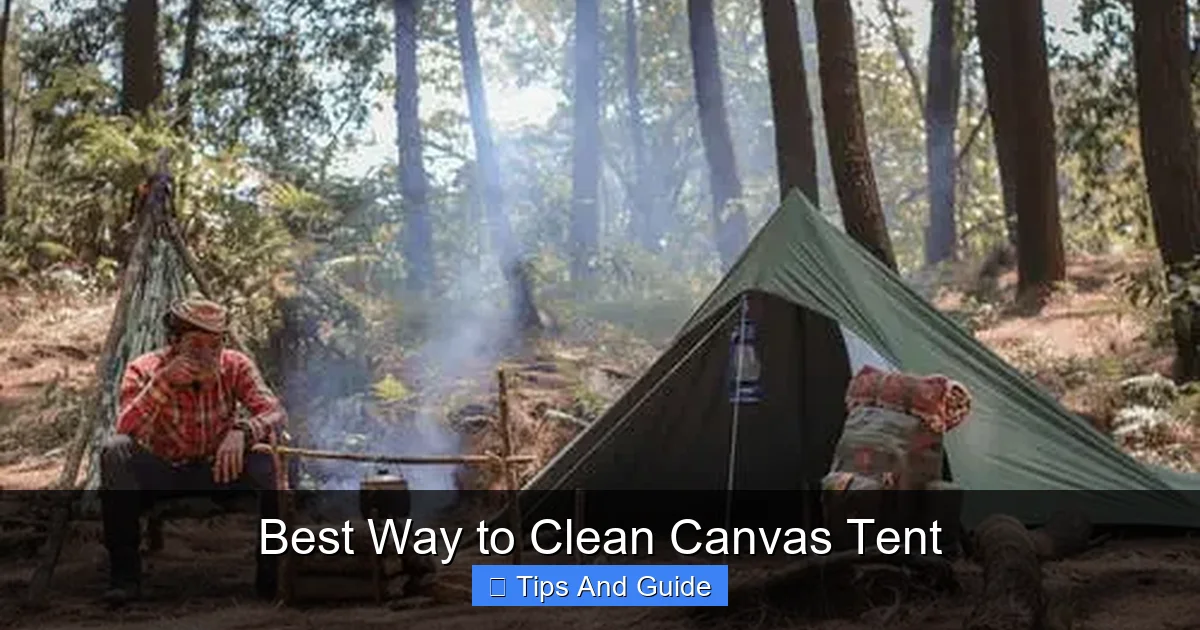
Best Way to Clean Canvas Tent
Maintaining your canvas tent is crucial for its longevity and performance. This guide provides the best way to clean your canvas tent, from spot cleaning to deep washes, ensuring it stays waterproof and mildew-free for many camping trips to come. Follow these steps to preserve your investment and enjoy every outdoor adventure.
Are you an avid camper who loves the rustic charm and durability of a canvas tent? There’s something incredibly special about camping in a canvas shelter. It offers a sense of connection to nature and a sturdy haven from the elements. But like any piece of gear that accompanies you on adventures, it needs a little TLC to keep it in prime condition. One of the most important aspects of this care is knowing the best way to clean your canvas tent.
Your canvas tent is an investment, and with the right cleaning and maintenance, it can last for years, providing countless memories and adventures. Unlike synthetic tents, canvas is a natural fiber that requires a gentle approach. Improper cleaning can strip away its natural oils, damage its waterproof coatings, and even lead to premature wear and tear. So, let’s dive into how you can keep your canvas tent looking and performing its best, ensuring it’s ready for your next expedition into the great outdoors.
## Why Proper Cleaning of Your Canvas Tent is Crucial
Think of cleaning your canvas tent not just as a chore, but as an essential part of its preservation. A well-maintained tent performs better, lasts longer, and keeps you drier and more comfortable when you’re out camping. Here’s why it’s so important:
### Preventing Mold and Mildew Growth
This is probably the biggest reason why you need to be diligent about cleaning and drying. Mold and mildew thrive in damp, dark environments. If you pack your tent away wet, or if it sits in storage damp, these unwelcome guests will start to grow. Not only do they create an unpleasant musty odor, but they can also stain and weaken the canvas fibers over time. A thorough cleaning process, followed by complete drying, is your best defense against this common canvas tent enemy.
### Maintaining Waterproofing and Breathability
Canvas tents are often treated to be waterproof and breathable. Dirt, grime, and residual soap can clog the pores of the fabric, diminishing its ability to breathe and potentially compromising its water-repellent properties. Regular, gentle cleaning helps to keep these natural functions intact, ensuring you stay dry and comfortable inside your tent, even in less-than-ideal weather.
### Extending the Lifespan of Your Tent
A canvas tent is a significant purchase. By following the best practices for cleaning and care, you’re actively extending its usable life. This means fewer replacements and more budget for other camping essentials, like a comfortable camping mattress or some handy camping lights. Treating your tent well is the most effective way to ensure it’s a reliable companion for many years.
## Preparing Your Canvas Tent for Cleaning
Before you even think about scrubbing, a little preparation goes a long way. Getting these steps right ensures the cleaning process is more effective and less of a hassle.
### The Importance of a Dry Brush-Off
The very first step, even before any water is involved, is to get rid of loose dirt, dust, leaves, and any other debris that has accumulated on your tent. Do this when the tent is completely dry. A stiff-bristled brush or a broom works wonders. Focus on all surfaces, including the flysheet, walls, and floor. Pay special attention to seams and corners where debris tends to collect. This simple step prevents you from grinding dirt into the fabric when you start to wet it down.
### Inspecting for Damage
While you’re brushing off your tent, take a moment to inspect it for any tears, loose seams, or worn areas. It’s much easier to spot these issues when the tent is clean and dry. You can then address them before they become bigger problems. A small patch or a bit of seam sealer can save you a lot of trouble down the line.
## The Best Way to Clean Your Canvas Tent: Step-by-Step
Now that your tent is prepped, it’s time for the actual cleaning. Remember, gentle is the name of the game here.
### H3: Spot Cleaning Small Stains and Dirt
For minor spills or localized dirt, spot cleaning is your best friend. The sooner you tackle a stain, the easier it will be to remove.
* Act Quickly: If something spills, try to blot it up immediately with a clean, dry cloth. Avoid rubbing, as this can spread the stain.
* Mild Soap and Water Solution: Mix a small amount of mild, non-detergent soap (like a biodegradable camp soap or a very mild dish soap) with lukewarm water.
* Gentle Scrubbing: Dip a soft cloth or a soft-bristled brush into the soapy water. Gently rub the stained area. Work from the outside of the stain inward to avoid spreading it.
* Rinse Thoroughly: Use a clean cloth dampened with plain water to wipe away the soap residue. It’s crucial to rinse thoroughly, as any soap left behind can attract dirt or affect the fabric’s water resistance.
* Air Dry: Allow the spot to air dry completely.
### H3: Deep Cleaning Your Canvas Tent
If your tent has accumulated significant dirt, or if you notice mildew spots, it’s time for a more thorough cleaning. This is best done outdoors, ideally on a sunny, breezy day.
* Set Up the Tent: Pitch your tent in your yard or a suitable outdoor space. This makes it easier to access all areas.
* Hose Down: Start by giving the entire tent a good rinse with a garden hose. Use moderate pressure, not a high-pressure washer, which can damage the fabric. This will remove most of the loose dirt and grime.
* Prepare Your Cleaning Solution: Mix a solution of lukewarm water and a small amount of mild, non-detergent soap. You can use a dedicated canvas cleaner or a very mild soap. Avoid anything with bleach, strong detergents, or fabric softeners, as these can strip the canvas of its natural oils and waterproofing.
* Scrub Gently: Using a soft brush or a sponge, apply the soapy solution to the tent fabric. Work in sections, gently scrubbing away dirt and stains. Don’t scrub too hard, especially on older or delicate canvas.
* Rinse, Rinse, Rinse!: This is perhaps the most critical part of deep cleaning. You need to rinse every bit of soap residue out of the canvas. Use your hose and a gentle stream of water. Keep rinsing until you are absolutely sure no suds or soap remain. Leftover soap can attract dirt, promote mildew, and compromise the tent’s performance.
* Dealing with Mildew: If you have stubborn mildew spots, you can try a solution of one part white vinegar to three parts water. Apply it to the mildewed area, let it sit for a short while, and then gently scrub and rinse thoroughly. Vinegar is a natural disinfectant and can help kill mildew spores. Always test this solution on an inconspicuous area first.
## Drying Your Canvas Tent: The Most Important Step
I cannot stress this enough: **never, ever pack away a damp canvas tent.** Improper drying is the fast track to mildew, musty odors, and a ruined tent.
### H3: Air Drying is Best
* Location, Location, Location: Find a spacious, well-ventilated area where you can set up your tent completely. A sunny day is ideal, as the sun’s UV rays can also help kill mildew spores.
* Full Ventilation: Open all doors and windows. If possible, prop open flaps to allow maximum airflow inside and out.
* Rotate and Shift: If the sun is only hitting one side, try to rotate the tent periodically to ensure even drying.
* Patience is a Virtue: Depending on the size of your tent and the weather conditions, drying can take anywhere from several hours to a full day or more. Be patient and don’t rush the process. Feel the fabric to ensure it’s bone dry all the way through, including seams and the underside.
### H3: What NOT to Do When Drying
* No Tumble Dryers: Never put a canvas tent in a clothes dryer. The heat can shrink the fabric, damage waterproof coatings, and cause irreversible damage.
* Avoid Direct Heat Sources: Don’t use hair dryers, space heaters, or other direct heat sources to speed up drying. This can also damage the fabric and its treatments.
* Don’t Store Damp: I know I’ve said it before, but it bears repeating. Storing a damp tent is a recipe for disaster.
## Re-Waterproofing Your Canvas Tent
Over time, the factory waterproofing on your canvas tent can wear off, especially after regular use and cleaning. Re-waterproofing is essential to keep it performing its best.
### H3: When to Re-Waterproof
* Water Beading Test: The easiest way to tell if your tent needs re-waterproofing is to perform a simple test. Sprinkle some water on the tent fabric. If the water beads up and rolls off, your waterproofing is still good. If the water soaks into the fabric, it’s time to re-waterproof.
* After Deep Cleaning: It’s often a good idea to re-waterproof your tent after a deep clean, as the cleaning process itself might have slightly diminished the existing treatment.
* Signs of Wear: If you notice leaks or excessive dampness inside your tent during rainy conditions, it’s definitely time to re-waterproof.
### H3: How to Re-Waterproof
* Choose the Right Product: There are many canvas waterproofing products on the market. Look for ones specifically designed for canvas tents. They are usually water-based and won’t damage the fabric.
* Apply Evenly: Ensure your tent is clean and completely dry before applying any waterproofing treatment. Follow the product instructions carefully. Typically, you’ll apply it with a sponge or spray, ensuring even coverage over the entire exterior surface.
* Allow to Cure: Let the waterproofing treatment dry and cure completely according to the product’s instructions. This might take 24-48 hours.
## Storing Your Clean Canvas Tent
Proper storage is just as important as cleaning and drying. Once your tent is immaculate and bone dry, you need to store it correctly to protect it from damage and pests.
### H3: The Ideal Storage Environment
* Cool and Dry: Store your tent in a cool, dry place, such as a basement, garage, or closet. Avoid damp areas like sheds that might be prone to moisture.
* Away from Pests: Pests like rodents can chew through canvas. Make sure your storage area is secure and consider using rodent-repellent methods if necessary.
* Avoid Sunlight: Prolonged exposure to UV rays can degrade the canvas fibers. Store the tent out of direct sunlight.
### H3: How to Pack It
* Loose Fold: Avoid tightly folding or compressing the tent, especially in the same creases every time. This can create weak spots. A loose roll or fold is best.
* Breathable Bag: If your tent came with a canvas storage bag, use it. If not, a breathable fabric bag is better than a plastic one, which can trap moisture.
* Keep Accessories Together: Store poles, stakes, and guylines with the tent, but perhaps in separate bags to prevent them from puncturing the canvas. You might also want to consider a good camping mat to put inside your tent for added comfort and protection.
## Conclusion
Keeping your canvas tent clean and well-maintained is a rewarding process that ensures its longevity and your comfort on camping trips. By following these guidelines – gentle cleaning, thorough drying, diligent inspection, and proper storage – you can significantly extend the life of your canvas tent. Remember, a little effort now goes a long way in ensuring countless future adventures under its reliable shelter. Happy camping!
Key Takeaways
- Gentle Cleaning is Key: Always use mild soap and water for cleaning canvas tents. Harsh chemicals can damage the fabric and its waterproofing.
- Spot Clean First: Address small stains and dirt spots as soon as they appear to prevent them from setting in.
- Thorough Drying is Essential: Never pack away a damp tent. Allow it to air dry completely in a well-ventilated area to prevent mold and mildew.
- Inspect Regularly: Check for damage, wear, and tear after each use, and address any issues promptly.
- Proper Storage Matters: Store your clean, dry tent in a cool, dry place away from direct sunlight and pests.
- Re-waterproofing is Important: Periodically re-waterproof your tent to maintain its protective qualities against the elements.
Frequently Asked Questions
How often should I clean my canvas tent?
You should clean your canvas tent at least once a year, or more often if it becomes visibly dirty or is used frequently. It’s also crucial to clean it thoroughly after each camping trip before storing it away.
Can I use a washing machine to clean my canvas tent?
No, you should never put a canvas tent in a washing machine. The agitation and harsh detergents can damage the fabric, its waterproofing, and seams. Always opt for manual cleaning.
What should I do if I find mold on my canvas tent?
If you find mold, clean the affected area with a solution of one part white vinegar to three parts water. Gently scrub the spot, then rinse thoroughly with clean water. Ensure the tent is completely dry afterward.
How do I remove tough stains from my canvas tent?
For tough stains, try a paste made from baking soda and water. Apply it to the stain, let it sit for a while, then gently scrub and rinse. Always test any cleaning solution on an inconspicuous area first.
Is it okay to use fabric softener on my canvas tent?
Absolutely not. Fabric softeners can clog the pores of the canvas, reducing its breathability and waterproofing capabilities. Stick to mild, non-detergent soaps.
How can I make my canvas tent more comfortable?
To enhance your comfort, consider using a good quality camping bed or mattress, a comfortable camping mattress, and appropriate camping lights for ambiance and functionality.