
Best Way to Clean a Tent After Camping
Keeping your tent clean after camping is crucial for its lifespan and your future comfort. This guide details the best way to clean a tent, from shaking off debris to deep cleaning and proper storage. Follow these steps to ensure your tent is ready for your next adventure.
Your tent is your home away from home when you’re out exploring the great outdoors. It shields you from the elements, provides a cozy place to sleep, and is a sanctuary after a long day of hiking or adventuring. But just like any gear you rely on, your tent needs a little TLC to keep it performing at its best. The best way to clean a tent after camping isn’t just about making it look nice; it’s about preserving its waterproof qualities, preventing mildew, and ensuring it’s ready for your next journey without any unpleasant surprises.
Think about it: after a weekend under the stars, your tent might be covered in dirt, grass stains, bug remnants, and maybe even some spilled snacks. If left unaddressed, these things can break down the fabric over time, damage the waterproof coatings, and lead to that dreaded musty smell that no one wants to experience on their next trip. Taking a little time to clean your tent properly after each use will significantly extend its lifespan and guarantee a more comfortable camping experience next time.
This guide will walk you through the entire process, from a quick shake-off to a more thorough cleaning, and finally, how to store it correctly. We’ll cover what to do for different types of messes and when to call in the heavy-duty cleaning supplies. Let’s get your tent looking and feeling like new again!
- Inspect and Shake: Always start by thoroughly inspecting your tent for visible debris and shaking it out to remove loose dirt, leaves, and bugs.
- Spot Clean First: For most spills and minor stains, a gentle spot clean with water and mild soap is sufficient.
- Machine Washing Caution: Only machine wash your tent if the manufacturer’s label explicitly permits it, using a gentle cycle and specialized tent cleaner.
- Rinse Thoroughly: Regardless of the cleaning method, ensuring all soap residue is completely rinsed out is vital to prevent fabric damage.
- Air Dry Completely: Never store a damp tent. Always air dry it completely in a well-ventilated area, away from direct sunlight, before packing.
- Waterproof Treatment: Reapply waterproofing treatment periodically, especially after significant cleaning or if you notice water no longer beads on the fabric.
- Proper Storage: Store your clean, dry tent loosely in a breathable bag in a cool, dry place to prevent mildew and fabric degradation.
📑 Table of Contents
Step 1: The Initial Takedown and Shake-Off
The very first thing you should do as soon as you get home, or even at the campsite if time allows before packing up, is to give your tent a good shake. This is your first line of defense against dirt and debris. Don’t underestimate the power of a thorough shaking!
Removing Loose Debris
When you’re packing up, try to shake out as much loose dirt, leaves, grass, and any small critters as possible. Lay the tent flat on the ground (if possible) and grab opposite corners, then vigorously shake it. Pay special attention to the corners and seams where debris tends to accumulate. If you’re at the campsite, and it’s dry, you can often use the wind to your advantage. Open up the tent doors and windows and give it a good shake. This will prevent a lot of the dirt from getting ground into the fabric later.
Checking for Damage
While you’re shaking it out, it’s also a good time to do a quick visual inspection. Look for any small tears, loose seams, or damaged zippers. Catching these small issues early can prevent them from becoming bigger problems down the line. It’s much easier to patch a small hole at home than to discover it in the middle of a camping trip when you desperately need your tent to be intact.
Step 2: Spot Cleaning and Mildew Prevention
Once the bulk of the loose debris is gone, you’ll likely notice some spots or stains that need more attention. This is where spot cleaning comes into play. For most minor issues, you won’t need to go for a full wash.
Tackling Stains and Spills
For most common stains like mud, food spills, or dirt marks, a gentle approach is best. Mix a small amount of mild soap (like dish soap or specialized tent cleaner) with water. Use a soft cloth or sponge, dampen it with the soapy water, and gently rub the stained area. Avoid scrubbing too hard, as this can damage the fabric. Rinse the area thoroughly with a clean, damp cloth to remove all soap residue. Soap left behind can actually attract more dirt and potentially damage the waterproof coating.
Dealing with Mildew
Mildew is the enemy of any tent. It’s caused by moisture and can cause discoloration and fabric degradation. If you spot any signs of mildew, act quickly. You can often tackle mild mildew spots with a solution of one part white vinegar to three parts water. Apply the solution to the affected area with a cloth or sponge and let it sit for a few minutes before gently wiping it away. Rinse thoroughly with clean water. For more stubborn mildew, you might need a specialized mildew remover for tents, but always test it on an inconspicuous area first. Remember, the key to preventing mildew is ensuring your tent is completely dry before storing it. Even a little dampness can lead to an outbreak of mildew.
Step 3: The Deep Clean – When and How
Sometimes, a spot clean just won’t cut it. If your tent has been through a particularly messy trip, or if it’s been stored for a while and needs a refresh, a deep clean might be necessary. However, this should be approached with caution.
When is a Deep Clean Necessary?
A deep clean is generally recommended only when the tent is very dirty, has persistent odors, or if you’ve noticed a significant decline in its waterproof performance that isn’t just due to the reapplication of sealant. Over-washing can wear down the fabric and coatings, so it’s best to do it sparingly. If your tent poles are a bit wobbly, you might also want to check out tips on maintaining them separately.
Washing Your Tent: Machine vs. Hand Washing
Machine Washing (Use with Extreme Caution!)
This is a big one: NEVER machine wash your tent unless the manufacturer’s care label explicitly says you can. Many tents, especially those with coated fabrics or taped seams, can be severely damaged by a washing machine.
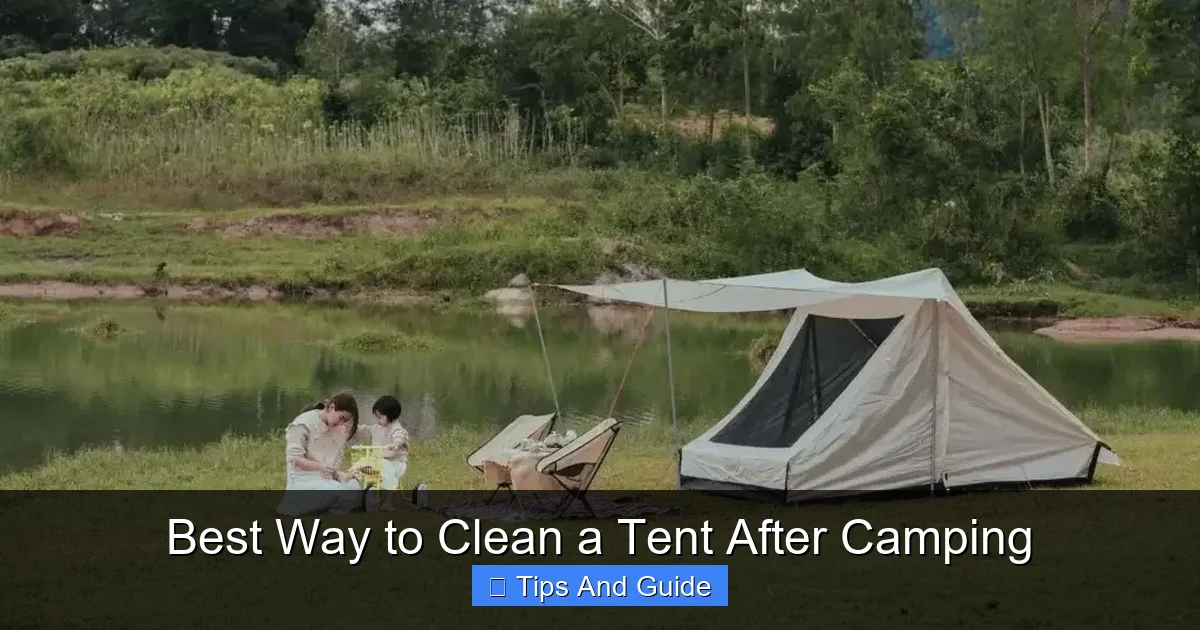
Visual guide about Best Way to Clean a Tent After Camping
Image source: thedailycamping.com
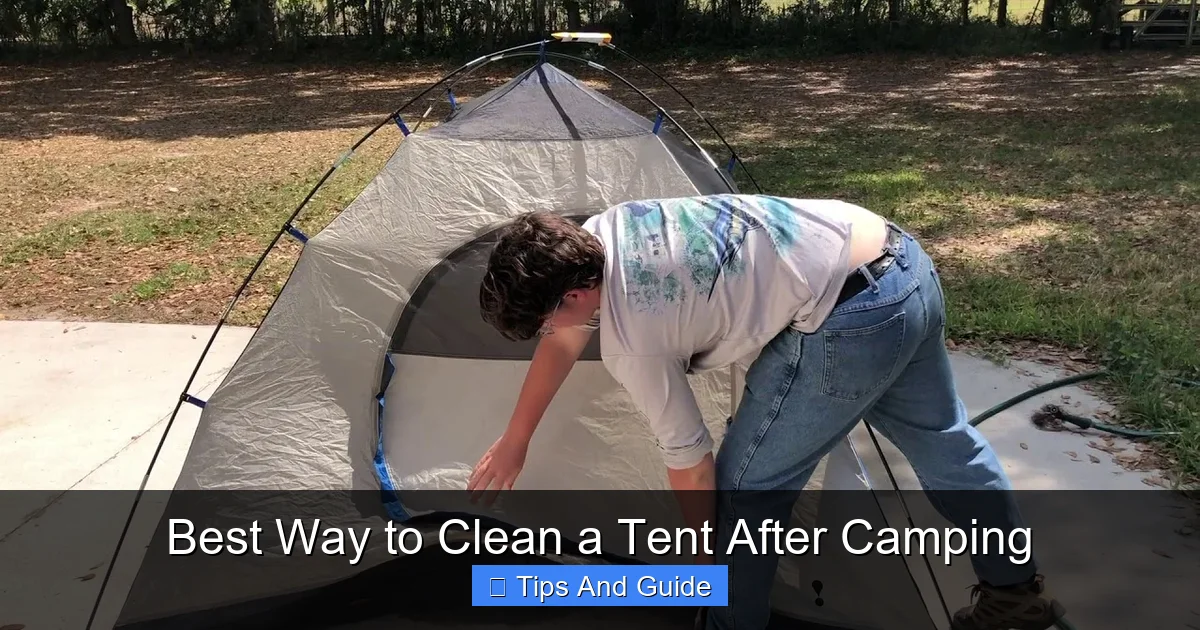
Visual guide about Best Way to Clean a Tent After Camping
Image source: i.ytimg.com
If your tent *is* machine washable:
- Use a large-capacity, front-loading washing machine. Top-loaders with agitators can be too harsh.
- Wash the tent by itself. Do not add other items.
- Use cool or lukewarm water and a very mild, bleach-free detergent. Special tent wash products are ideal.
- Select a gentle or delicate cycle.
- Do NOT use fabric softener or bleach.
Hand Washing (The Safer Option)
For most tents, hand washing is the safest and most effective way to deep clean.
- Find a large bathtub, a clean large basin, or even a kiddie pool.
- Fill it with cool or lukewarm water.
- Add a small amount of mild soap or specialized tent cleaner.
- Submerge the tent and gently agitate the water to create suds.
- Use a soft brush or sponge to gently scrub away dirt and grime. Focus on heavily soiled areas.
- Rinse the tent thoroughly by draining the soapy water and refilling the basin multiple times until absolutely no soap residue remains. This is critical!
Don’t forget to clean the tent poles and stakes separately. You can usually just wipe them down with a damp cloth.
Step 4: Drying – The Most Crucial Step
This is arguably the most important step in cleaning and maintaining your tent. A tent that is not completely dry when stored is a recipe for disaster, leading to mildew, mold, and ruined fabric.
The Importance of Complete Air Drying
Never, ever pack away a damp tent. Even if it feels only slightly damp, moisture trapped inside can quickly develop into mold and mildew, especially in warmer conditions. This can cause permanent staining and weaken the fabric over time. Furthermore, mold and mildew can produce allergens that can affect your health.
Where to Dry Your Tent
Find a spacious, well-ventilated area to air dry your tent.
- Outdoors: The best option is to set up your tent in your backyard or a large open space. Open all the doors and windows to allow for maximum air circulation.
- Indoors: If outdoor space is limited or the weather is uncooperative, you can hang your tent indoors over a sturdy rack or multiple chairs. Ensure good airflow by opening windows or using fans.
Avoiding Direct Sunlight
While you want good airflow, it’s crucial to avoid drying your tent in direct, harsh sunlight for extended periods. Prolonged exposure to UV rays can degrade the fabric, fade colors, and damage the waterproof coatings, making your tent less effective over time. A shaded spot with good air circulation is ideal. Aim to dry your tent until you are absolutely certain it is bone dry, inside and out. This might take 24-48 hours depending on humidity and temperature.
Step 5: Reapplying Waterproofing and Zonal Treatments
Over time, and especially after a thorough cleaning, the factory-applied waterproofing on your tent can wear down. This is the perfect opportunity to reapply a waterproofing treatment to ensure your tent stays dry during your next rainy camping trip.
When to Reapply Waterproofing
You should consider reapplying waterproofing if:
- Water no longer beads up and rolls off the fabric; instead, it soaks in.
- You notice the fabric becoming “wet-out” quickly during rain.
- After a deep clean, as the cleaning process itself can remove some of the original DWR (Durable Water Repellent) coating.
Choosing the Right Waterproofing Product
There are various waterproofing sprays and treatments available on the market. Look for products specifically designed for tents and outdoor gear. These treatments often contain DWR coatings that restore the fabric’s ability to repel water. Some products are sprays, which are easy to apply, while others are washes that you can use during the cleaning process. Always follow the product’s instructions carefully.
Applying the Treatment
Ensure your tent is clean and completely dry before applying any waterproofing treatment. Set up your tent or lay it flat in a well-ventilated area. Apply the spray or treatment evenly over the fabric, paying attention to seams and high-wear areas. Allow it to dry completely according to the product’s instructions, which usually involves several hours or even overnight. For zippers, a silicone lubricant can help keep them running smoothly and prevent corrosion.
Step 6: Proper Storage for Longevity
You’ve cleaned your tent, dried it thoroughly, and maybe even re-waterproofed it. Now, how you store it will determine its condition for its next adventure. Improper storage is a common culprit for premature tent degradation.
The Importance of Loose Storage
Never store your tent tightly packed in its stuff sack for extended periods. This can crease the fabric, damage the coatings, and even lead to permanent deformation of the poles if they are stored under constant pressure. Instead, loosely fold or roll your tent and place it in its original storage bag, or a larger, breathable cotton sack if you have one. If you often go car camping, perhaps you’ve invested in a good camping bed for your tent; just as your bedding needs to be aired out, so does your tent.
Choosing the Right Storage Location
Store your tent in a cool, dry place, away from direct sunlight and extreme temperatures. A basement, an attic (if temperature-controlled), or a closet are generally good options. Avoid storing it in a damp garage or shed where moisture and potential pests are more likely to be an issue. Keeping it away from chemicals like paint or solvents is also a good idea, as their fumes can damage the tent fabric. A well-maintained tent is key to enjoying your camping trips, much like having comfortable sleeping arrangements such as a camping mat for your tent or even a camping mattress for your tent.
By following these steps, you’re not just cleaning your tent; you’re investing in its longevity and ensuring your future camping trips are as comfortable and hassle-free as possible. A clean tent is a happy tent, ready for any adventure you throw at it.
Frequently Asked Questions
How often should I clean my tent?
You should aim to clean your tent after every camping trip. At a minimum, give it a thorough shake-out and spot clean any visible marks. A deep clean is generally only necessary once or twice a year, or if the tent is visibly very dirty or has developed an odor.
Can I use a regular laundry detergent to clean my tent?
It’s best to use a specialized tent cleaner or a very mild, bleach-free soap like a gentle dish soap. Regular laundry detergents can be too harsh and may strip away the waterproof coatings and damage the fabric of your tent.
What is the best way to remove sand from a tent?
Once dry, shaking the tent vigorously is the first step. For stubborn sand, a soft brush can help loosen it from the fabric and seams. You can also use a vacuum cleaner with a brush attachment on a low setting to gently extract sand from crevices.
My tent smells musty. How can I get rid of the smell?
A musty smell usually indicates mildew. Airing the tent out thoroughly in the sun (but not for too long) can help. For persistent odors, a cleaning with a vinegar and water solution (1:3 ratio) or a specialized tent cleaner designed for odor removal is recommended, followed by complete drying.
Should I wash my tent poles?
Tent poles generally don’t require washing. You can simply wipe them down with a damp cloth to remove dirt and debris. Ensure they are completely dry before storing them to prevent rust or damage to the elastic cord within.
What if my tent has a rip?
Small rips can be repaired using a tent repair kit, which typically includes patches and adhesive. Clean the area around the rip thoroughly, apply the adhesive, and press the patch firmly in place. For larger tears or seam damage, you might consider professional repair services.