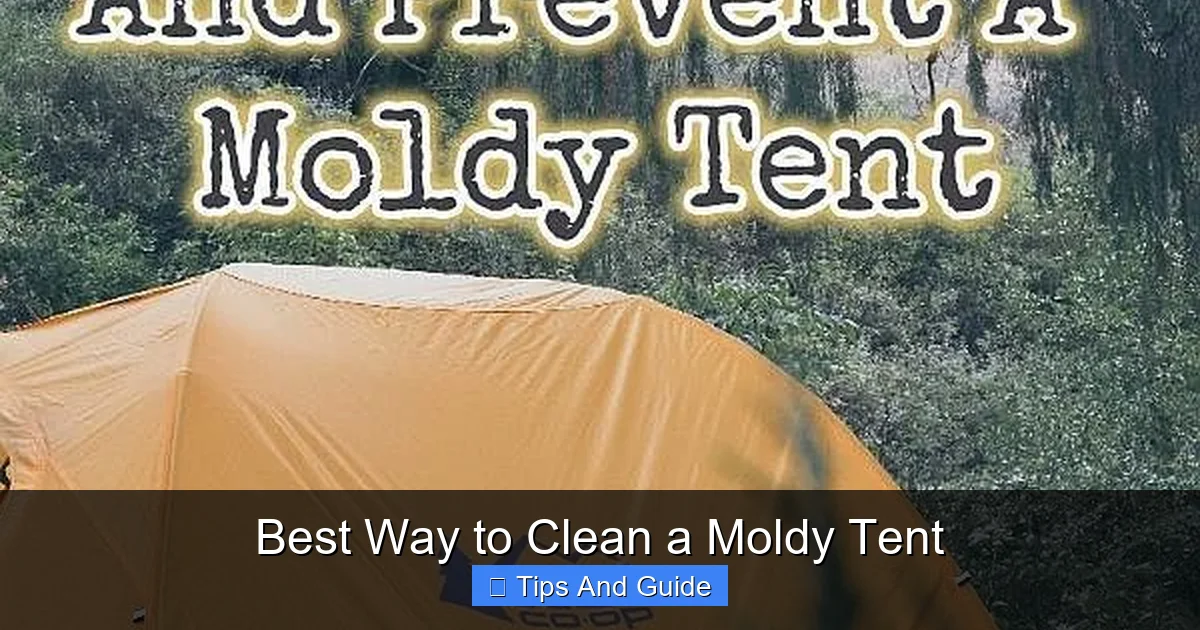
Best Way to Clean a Moldy Tent
Don’t let mold ruin your camping gear! This guide provides a step-by-step approach to effectively clean a moldy tent, using gentle yet powerful solutions to eliminate spores and odors. We’ll cover preparation, cleaning agents, and drying techniques to ensure your tent is safe and ready for its next outing.
Few things can put a damper on your camping spirit faster than discovering a moldy tent. That musty smell, those unsightly spots – it’s enough to make anyone want to ditch their adventure plans. But before you relegate your trusty shelter to the trash heap, know this: cleaning a moldy tent is entirely possible, and with the right approach, you can bring it back to its former glory. It might seem daunting, but with a little patience and the right techniques, your tent will be fresh and ready for its next expedition.
Mold thrives in dark, damp conditions, which is why tents are particularly susceptible. Whether it’s a forgotten damp tent packed away after a rainy trip or moisture seeping in during storage, mold can quickly become a unwelcome resident. The good news is that addressing mold early and effectively can save your tent and ensure your future camping trips are free from its unpleasant presence. Let’s dive into the best way to clean a moldy tent.
- Identify the Mold: Different types of mold may require slightly different approaches, but the general cleaning principles remain the same.
- Ventilate Thoroughly: Always clean and dry your tent in a well-ventilated area, preferably outdoors, to prevent the spread of spores.
- Gentle Cleaning Solutions: Opt for mild cleaners like diluted vinegar or specialized tent cleaners over harsh chemicals that can damage fabric.
- Scrubbing Technique: Use a soft brush or sponge to gently scrub affected areas, working from the outside in to contain the mold.
- Thorough Rinsing: Ensure all cleaning solution residue is completely rinsed away to prevent fabric damage and re-infestation.
- Complete Drying is Crucial: Air-dry the tent completely, both inside and out, until there is absolutely no hint of moisture before storing.
- Preventative Measures: Proper storage and regular airing out are key to preventing mold from returning.
📑 Table of Contents
- 1. Preparation is Key: Setting Up for Success
- 2. Selecting Your Cleaning Arsenal: Gentle Yet Effective Solutions
- 3. The Cleaning Process: Tackling the Mold Head-On
- 4. Drying the Tent: The Most Crucial Step
- 5. Storage and Prevention: Keeping Mold at Bay
- 6. When to Call It Quits: Knowing When a Tent is Beyond Repair
1. Preparation is Key: Setting Up for Success
Before you even think about scrubbing, you need to prepare your workspace and your tent. This initial step is crucial for safety and effectiveness. Think of it like prepping your ingredients before you start cooking – it makes the whole process smoother and yields better results.
Choosing the Right Location
The absolute best place to tackle a moldy tent is outdoors. This is non-negotiable. You want maximum ventilation to disperse mold spores and to allow the tent to dry thoroughly afterward. A sunny, breezy day is your best friend here. Avoid cleaning indoors, as this can spread mold spores throughout your living space, which is a whole other problem you don’t want. If an outdoor space isn’t feasible, open all windows and doors in a garage or shed, and use fans to create strong airflow.
Gathering Your Supplies
Having everything you need at hand will save you time and frustration. You’ll want:
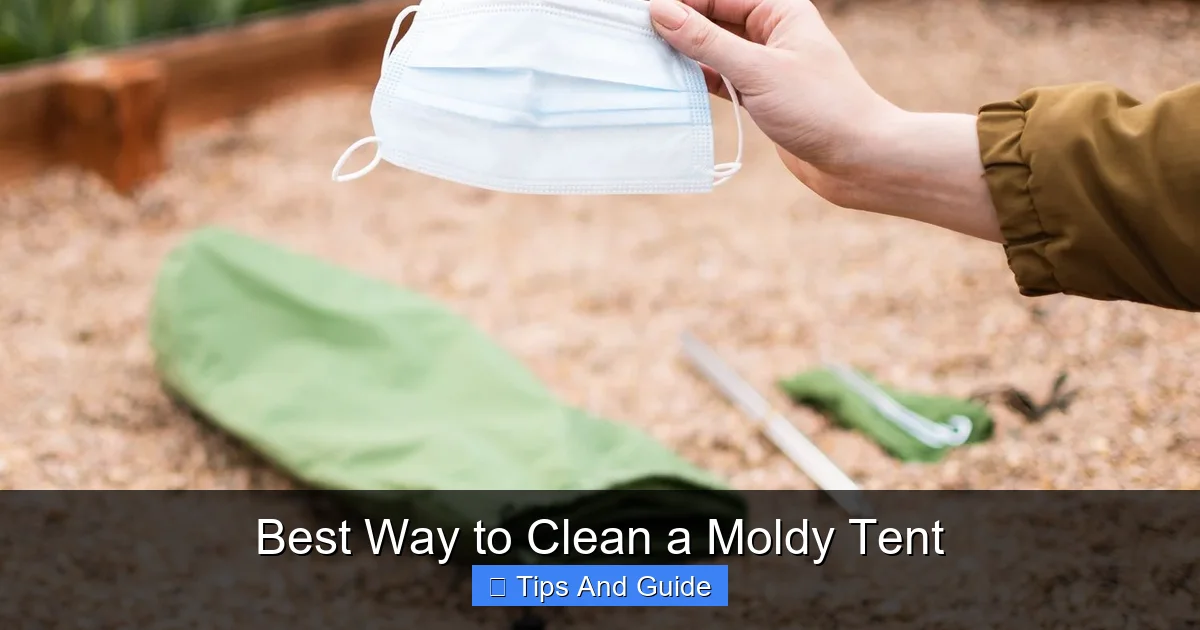
- Protective gear: Gloves, a mask (especially if you’re sensitive to mold), and old clothes.
- Cleaning agents: We’ll discuss these in detail next, but have your chosen solution ready.
- Brushes and sponges: A soft-bristled brush (like a vegetable brush or an old toothbrush for small areas) and a soft sponge or cloth. Avoid anything abrasive that could damage the tent fabric.
- Buckets: At least two – one for your cleaning solution and one for rinsing.
- Hose or spray bottle: For rinsing the tent.
- Plenty of clean water.
Pre-Cleaning the Tent
Before applying any cleaning solution, give your tent a good shake and brush. Do this outdoors to get rid of loose dirt, debris, and any superficial mold spores. Pay attention to seams, corners, and the underside of the tent fly. This initial cleaning makes the subsequent mold treatment more effective. If your tent has a separate groundsheet or footprint, clean that separately as well.
2. Selecting Your Cleaning Arsenal: Gentle Yet Effective Solutions
Visual guide about Best Way to Clean a Moldy Tent
Image source: thespruce.com
When it comes to cleaning mold from a tent, the temptation might be to reach for the strongest chemicals available. Resist this urge! Harsh chemicals can degrade tent fabric, compromise waterproofing, and leave behind residues that are harmful to both you and the environment. The goal is to kill the mold spores without damaging the tent material.
The Vinegar Method: Nature’s Mold Killer
White vinegar is a fantastic, eco-friendly, and highly effective mold remover. Its acidity helps to kill mold spores and neutralize odors.
- Ratio: Mix equal parts white vinegar and water in a bucket. For example, 1 cup of vinegar to 1 cup of water.
- Application: You can apply this solution directly to the moldy areas using a sponge or cloth, or put it in a spray bottle for easier application.
Vinegar is generally safe for most tent fabrics, but it’s always a good idea to test it on an inconspicuous area first, especially if your tent has special coatings or treatments.
Specialized Tent Cleaners
There are many commercially available tent cleaners designed specifically for outdoor gear. These products are formulated to be tough on dirt and grime while being gentle on fabrics.
- Look for: Products labeled as “tent cleaner” or “fabric cleaner for outdoor gear.”
- Follow instructions: Always adhere to the manufacturer’s dilution and application instructions.
These can be a great option if you’re unsure about using DIY solutions or if you have a particularly stubborn mold problem.
Mild Soap and Water (For Light Cases)
For very light mold growth or just a musty smell without visible spots, a mild soap (like a gentle dish soap or specialized gear wash) and water mixture can sometimes do the trick.
- Ratio: A few drops of mild soap in a bucket of warm water.
- Caution: Ensure you rinse thoroughly, as soap residue can attract dirt and hinder waterproofing.
This is the least aggressive option and best for preventative cleaning or minor issues.
What to Avoid
- Bleach: While bleach kills mold, it’s too harsh for most tent fabrics. It can weaken the material, destroy waterproofing, and fade colors.
- Abrasive Cleaners: Scouring powders or pads will damage the fabric’s integrity and its water-resistant coating.
- High Heat: Avoid using hot water, as it can also degrade fabric and waterproofing.
3. The Cleaning Process: Tackling the Mold Head-On
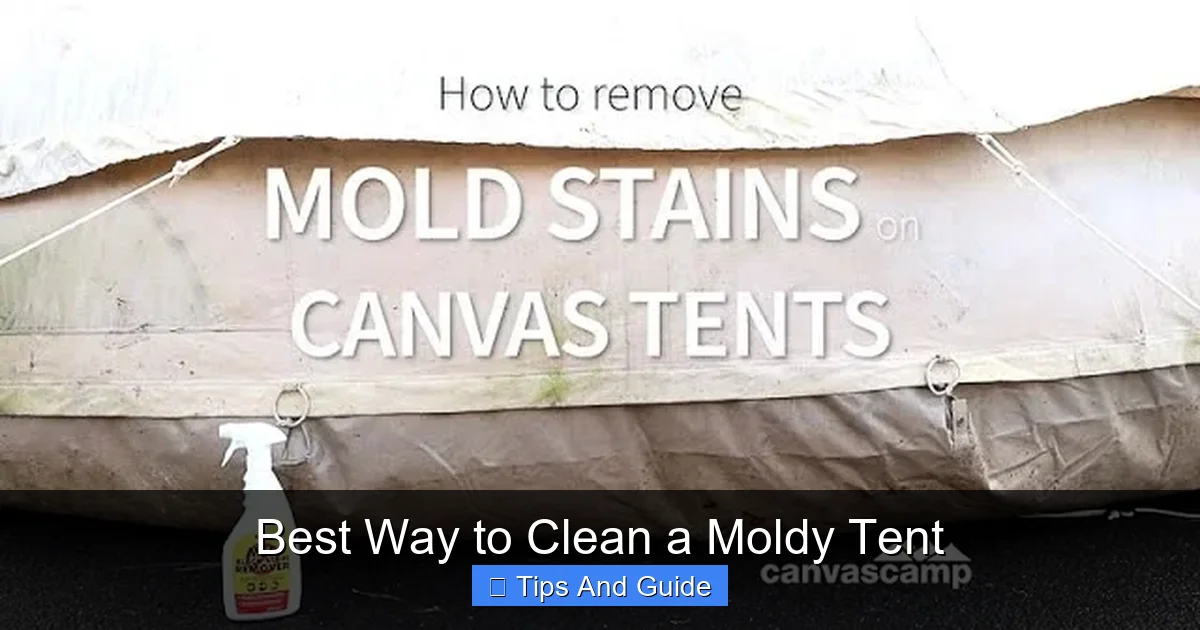
Visual guide about Best Way to Clean a Moldy Tent
Image source: i.ytimg.com
Now it’s time to get down to business. This is where you’ll be actively removing the mold from your tent. Remember to work methodically and be patient.
Applying the Cleaning Solution
Start with the most affected areas. Dip your soft brush or sponge into your chosen cleaning solution. Gently scrub the moldy spots. Work from the outside of the mold patch inwards. This helps to prevent spreading the spores to unaffected areas. For stubborn spots, you might need to apply the solution and let it sit for a few minutes before scrubbing.
Scrubbing Technique
Apply just enough pressure to lift the mold without damaging the fabric. If you’re cleaning the inside of the tent, be mindful of the fabric’s weave. For seams and tight corners, an old toothbrush can be very effective. If your tent has a mesh or screen component, be extra gentle to avoid tearing it.
Rinsing Thoroughly
This step is critically important. After you’ve scrubbed the mold away, you need to rinse the tent thoroughly. Use a hose on a gentle setting or a spray bottle filled with clean water. Make sure you get all the cleaning solution residue off the fabric. Leftover cleaner can attract dirt and damage the waterproofing over time. Rinse from top to bottom, allowing gravity to help wash away the soap or vinegar.
Dealing with Odors
If the musty smell persists after cleaning, you might need to repeat the process or try a specialized odor remover for camping gear. Airing out the tent completely in the sun for an extended period can also help significantly. Sometimes, the smell is just deeply ingrained and requires multiple treatments.
4. Drying the Tent: The Most Crucial Step
You’ve cleaned the mold, but you’re not out of the woods yet. Improper drying is the number one reason mold returns. Moisture is mold’s best friend, so you need to eliminate every last bit of it.
Air Drying is Best
The best way to dry a tent is to let it air dry completely. Set it up outdoors, spread it out, and let the sun and breeze do their work. If possible, hang it over a clothesline or a sturdy structure so air can circulate all around it. Make sure to open all doors and windows to allow interior air circulation.
Drying Both Sides
Don’t forget to dry both the inside and the outside of the tent. Flip it over periodically or reposition it to ensure even drying. Pay special attention to seams, zippers, and the corners where moisture can linger.
How Long Does it Take?
This depends heavily on the weather. On a warm, breezy day, it might take a few hours. On a cooler, humid day, it could take a full day or even two. Don’t rush this process. You should feel absolutely no dampness anywhere on the fabric. A good test is to press your hand against the fabric in various spots, especially in seams and folds. If you feel any moisture, it needs more time.
Using Fans (Indoors or Supplemental)
If you’re drying indoors or need a little extra help, you can use fans to increase air circulation. Position them to blow air across the tent fabric. This can speed up the drying process considerably.
5. Storage and Prevention: Keeping Mold at Bay
Once your tent is impeccably clean and completely dry, the final step is to ensure it stays that way. Proper storage is your best defense against future mold growth.
Store it Dry!
This cannot be stressed enough. Never, ever store a damp tent. If you have to pack it away wet, set it up again as soon as you get home to let it dry completely.
Choose the Right Storage Location
Store your tent in a cool, dry place with good air circulation. Avoid basements, garages, or attics that are prone to humidity and temperature fluctuations. A climate-controlled closet or spare room is ideal.
Use a Breathable Storage Bag
The bag your tent came in is usually designed for breathability. If it’s lost or damaged, use a breathable cotton sack or an old pillowcase. Avoid plastic bags, as they trap moisture. If you store your tent in its original stuff sack, make sure it’s not packed too tightly, allowing for some air circulation.
Regular Airing Out
Even if you don’t see any mold, it’s a good practice to unpack your tent and let it air out periodically, especially before and after a camping season. This helps to dissipate any latent moisture and keeps the fabric fresh. Consider it a “spa day” for your tent!
Consider Waterproofing Treatments
While not directly related to mold cleaning, ensuring your tent’s waterproofing is in good condition helps prevent moisture from penetrating the fabric in the first place. If your tent is older, you might consider a re-waterproofing treatment.
6. When to Call It Quits: Knowing When a Tent is Beyond Repair
While most moldy tents can be saved, there are times when the damage is too extensive. If the mold has deeply penetrated the fabric, causing discoloration that won’t come out, or if the fabric itself is starting to degrade and feel brittle, it might be time to consider a new tent.
Signs of Irreversible Damage
- Fabric that feels thin, brittle, or is tearing easily.
- Persistent, strong odors even after multiple cleaning attempts.
- Severe discoloration that affects the fabric’s integrity.
- Compromised seams or coatings.
If you’re unsure, try to salvage it. But if the tent is structurally unsound or the mold is deeply embedded, it’s probably not worth the effort.
Investing in a New Tent
If you do need a new tent, consider what caused the mold in the first place. Was it a quality issue, or was it related to your storage habits? Investing in a high-quality, well-ventilated tent can help prevent future mold problems. For instance, if you’re looking for a spacious option, a good camping canopy tent can offer excellent ventilation. If you need something more robust for various conditions, researching the best pop-up tent on the market or the best pop-up tent for family camping can lead you to durable and mold-resistant options.
Cleaning a moldy tent is a task that requires attention to detail and a commitment to thoroughness. By following these steps, you can effectively remove mold, eliminate odors, and prolong the life of your cherished camping gear. Happy camping!
Frequently Asked Questions
How do I get the musty smell out of a tent?
The musty smell is often caused by lingering mold spores or trapped moisture. Thoroughly clean the tent with a vinegar and water solution, rinse completely, and then air dry it in direct sunlight for as long as possible. Sunlight is a natural deodorizer.
Can I use a pressure washer to clean my tent?
No, you should never use a pressure washer on your tent. The high-pressure water can easily damage the fabric, tear seams, and strip away waterproof coatings, making your tent more vulnerable to future water damage and mold.
What is the best way to clean mold off a tent fly?
For a tent fly, use the same diluted vinegar or specialized tent cleaner. Apply with a soft cloth or sponge, gently scrub the affected areas, and rinse thoroughly with a hose on a low setting. Ensure the fly is completely dry before packing.
How often should I clean my tent?
It’s a good idea to clean your tent at least once a year, or more often if you use it frequently. Always clean it after a trip if it was packed away wet or if you notice any signs of dirt or mildew, even if minor.
Is it safe to sleep in a tent that had mold?
Once properly cleaned and thoroughly dried, and all traces of mold and odor are gone, it is generally safe to sleep in. However, if you have severe mold allergies or the smell persists, it’s best to err on the side of caution and ensure the tent is completely free of any mold remnants.
What if the mold has stained my tent?
Some light staining may remain even after cleaning. If the fabric integrity is not compromised, and the mold spores are gone, the tent is still usable. For significant staining, you might consider using a fabric-safe stain remover as a last resort, but always test it first and rinse extremely well.