

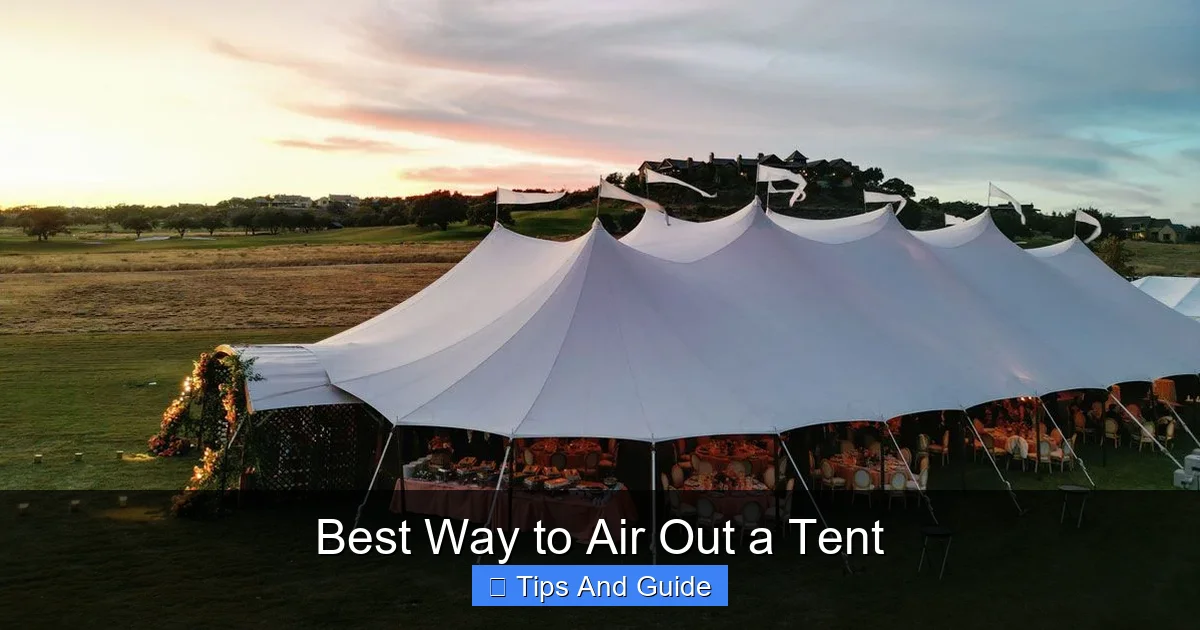
Properly airing out your tent is crucial for its longevity and your comfort. It prevents mildew, odors, and fabric damage, ensuring your tent stays in top condition for every adventure. Learn the best methods to effectively air out your tent.
Heading out on an adventure is always exciting. You pack your gear, plan your route, and dream of starry nights and campfire stories. But what happens after the trip? Too often, tents get shoved back into their bags, still a bit damp, carrying the scent of campfire smoke and damp earth. This might seem like a minor oversight, but it’s a common mistake that can significantly shorten your tent’s lifespan. Learning the best way to air out a tent is not just about keeping it smelling fresh; it’s about protecting your investment and ensuring it’s ready for your next great escape.
Think of your tent as a piece of gear that works hard for you. It shields you from the elements, provides a cozy sanctuary, and is often the centerpiece of your outdoor experience. Just like any other valuable item, it needs proper care to perform at its best. When a tent isn’t aired out properly, moisture gets trapped. This trapped moisture is a breeding ground for mildew and mold. These aren’t just unpleasant to look at; they can actually damage the fabric, weakening it and causing unsightly stains and persistent odors. The best way to air out a tent, therefore, becomes a critical step in your post-trip routine, as important as cleaning your hiking boots or repacking your sleeping bag.
## The Importance of a Well-Aired Tent
Why is airing out your tent so vital? It boils down to preventing a few common problems that can turn a trusty shelter into a useless pile of fabric. The primary culprit is moisture. Even on a seemingly dry camping trip, condensation can form inside your tent overnight. When you pack up a tent that’s still a little damp from dew or condensation, you’re essentially sealing that moisture in.
### Preventing Mildew and Mold Growth
This is the big one. Mildew and mold thrive in dark, damp, and stagnant conditions. Your packed-away tent provides the perfect environment for them to flourish. The spores are microscopic and can be present in the air, on the ground, and on your gear. When they land on a damp tent fabric, they find a buffet. Mildew not only creates a musty, unpleasant odor that’s hard to get rid of, but it can also stain your tent and, over time, break down the fabric fibers. This weakens the tent’s structure and its waterproof capabilities. Imagine your tent suddenly failing you in a rainstorm because the fabric has degraded. That’s a scenario you want to avoid.
### Eliminating Odors
Campfires, sweat, damp earth, and even cooking smells can linger in tent fabric. While some of these might be nostalgic scents for a while, they can become overwhelming and unpleasant over time. Airing out your tent, especially with a bit of fresh air and sunshine, helps to dissipate these odors naturally. It’s a far more pleasant experience to set up a tent that smells clean and fresh rather than one that carries the aroma of last season’s adventures.
### Preserving Fabric Integrity and Waterproofing
The coatings and fabrics used in modern tents are designed to be durable, but they are not indestructible. Prolonged exposure to moisture, especially when combined with mildew, can degrade these materials. The waterproof coatings can break down, and the fabric itself can become brittle. By ensuring your tent is dry and aired out, you help maintain the integrity of the materials, prolonging the tent’s waterproof capabilities and overall structural soundness.
## Best Practices for Airing Out Your Tent
So, you’ve returned from your trip, and the tent is still up. Now what? The process of airing out your tent isn’t complicated, but it does require a little attention to detail to be truly effective.
### Setting Up for Success: Location and Timing
The first step is choosing the right place and time to air out your tent. Ideally, you want a dry, breezy spot. Your backyard is often the perfect place. If you don’t have a yard, a large park or even a spacious indoor area with good ventilation can work. Avoid airing your tent on a damp lawn or in a humid basement, as this will defeat the purpose.
* **Indoors:** If you have the space, setting up your tent indoors in a well-ventilated room with open windows is a great option. This protects it from the elements and allows for consistent airflow.
* **Outdoors:** Your backyard is ideal. String it up over a clothesline if possible, or set it up on a dry patio or deck. If using a lawn, ensure it’s not damp.
* **Timing:** The best time is on a sunny, breezy day. This combination provides gentle drying and natural deodorizing. However, be mindful of prolonged direct sun, which we’ll discuss next.
### The Power of Ventilation: Open Everything Up!
This is arguably the most crucial aspect of airing out a tent. You need to maximize airflow within the tent.
* **Unzip all doors and windows:** Don’t just crack them open. Fully unzip them to allow air to circulate freely through the entire tent.
* **Open all vents:** Most tents have roof vents or wall vents. Ensure these are also fully open.
* **Remove the rainfly and footprint:** For a thorough airing, it’s best to separate the rainfly and footprint from the main tent body. This allows each component to dry and air out independently. Lay them out flat or drape them over objects to maximize surface area exposure to the air.
### Sunlight: A Double-Edged Sword
Sunlight is a natural disinfectant and can help kill odor-causing bacteria and mildew spores. It also aids in drying. However, too much of a good thing can be bad.
* **Benefits:** A few hours of indirect or gentle morning/late afternoon sun can work wonders for drying and deodorizing.
* **Risks:** Prolonged, direct exposure to harsh midday sun can degrade UV-sensitive materials, leading to fabric fading, brittleness, and premature wear. This is especially true for the tent fabric itself and any taped seams or coatings.
* **Recommendation:** If using sunlight, aim for dappled shade or early/late day sun. If the sun is intense, opt for a shaded but breezy spot, or bring the tent inside after a short period of sun exposure.
## Drying Out Specific Tent Components
Tents are made up of several parts, and each needs individual attention to ensure it’s completely dry.
### The Tent Body
This is the main living space of your tent. Once set up and fully ventilated, it will naturally begin to dry. Ensure the floor is dry, as this is often the area that collects the most moisture.
* **Example:** If you set up your tent on a slightly damp patio, you might want to prop up the corners slightly to ensure air circulates underneath the floor.
### The Rainfly
The rainfly is exposed to the elements and can hold a significant amount of moisture.
* **Hanging:** If possible, hang the rainfly over a clothesline or a railing. This allows air to circulate all around it.
* **Draping:** If hanging isn’t an option, lay it flat or drape it over multiple points of support to prevent large, damp areas from pooling.
### The Footprint or Ground Tarp
This layer often comes into direct contact with wet ground and can be particularly susceptible to moisture.
* **Separate Drying:** Always dry your footprint separately from the tent body and rainfly. It can trap dirt and moisture that you don’t want transferring to your main tent.
## The “When to Pack” Rule: Is It Truly Dry?
This is where many people slip up. You might think your tent is dry, but a closer inspection can reveal lingering dampness.
### The Dampness Test
* **Feel the fabric:** Run your hands over the inside and outside of the tent, paying close attention to seams, corners, and the floor.
* **Check the seams:** Seam tape can sometimes retain moisture longer than the main fabric. Gently press along the seams.
* **Smell test:** A persistent musty odor is a tell-tale sign of lingering moisture and potential mildew growth.
* **The “shake test”:** Give the tent a gentle shake. If you see any condensation or feel any cool, damp spots, it needs more air time.
### The Ultimate Goal: Bone Dry
Your tent should feel completely dry to the touch, with no cool spots and no musty smells. It’s better to give it an extra hour or two of airing than to pack it away too soon.
## Dealing with Lingering Issues: Odors and Mildew Stains
Sometimes, despite your best efforts, a tent might still have a slight odor, or you might discover mildew stains. Don’t despair! There are ways to tackle these.
### Tackling Persistent Odors
* **Baking Soda:** Place an open box of baking soda inside the dry tent for a few days. Baking soda is a fantastic natural deodorizer.
* **Activated Charcoal:** Similar to baking soda, activated charcoal can absorb odors effectively. You can find small pouches designed for this purpose.
* **Vinegar Solution (for stains):** A diluted white vinegar solution (1 part vinegar to 10 parts water) can help neutralize odors and lift stains. **Important:** Always test this on an inconspicuous area first to ensure it doesn’t damage the fabric. Apply with a cloth, let it sit briefly, and then rinse thoroughly with clean water. Allow the tent to dry completely afterward.
* **Specialized Tent Cleaners:** Several commercial tent cleaning products are available that are specifically designed to tackle odors and grime without damaging the fabric.
### Addressing Mildew Stains
* **Gentle Scrubbing:** For light stains, a soft brush and a mild soap and water solution can often remove them. Rinse thoroughly and dry completely.
* **Vinegar Solution (as above):** This is often more effective for mildew stains.
* **Sunlight (Cautiously):** In some cases, sunlight can help fade mildew stains over time. However, be extremely cautious about UV damage.
## Packing Up for Storage
Once you are absolutely certain your tent is dry and fresh, it’s time to pack it away.
### Proper Folding and Packing
* **Shake it out:** Give the tent a good shake to remove any loose dirt, leaves, or debris before folding.
* **Fold loosely:** Don’t try to stuff it back into its original bag as tightly as possible. This can create creases that weaken the fabric over time. A looser fold or roll is generally better for long-term storage.
* **Use the stuff sack:** If your tent came with a larger stuff sack, consider using that instead of the tight-fitting original bag for storage. This allows for better airflow within the packed tent.
### Storage Location
The storage location is as important as airing it out.
* **Cool, dry place:** Store your tent in a cool, dry environment, away from direct sunlight, extreme temperatures, and humidity. A closet, basement (if dry), or garage shelf are good options.
* **Avoid damp areas:** Never store your tent in a damp basement, shed, or car trunk for extended periods.
## Airing Out in Different Scenarios
The fundamental principles of airing out a tent remain the same, but there are slight variations depending on the situation.
### Post-Wet Camping Trip
If you camped in persistent rain and your tent is quite damp, you’ll need to dedicate extra time to drying.
* **Don’t delay:** As soon as you get home, set up your tent to begin the drying process. The longer it stays damp, the higher the risk of mildew.
* **Multiple drying sessions:** You might need to air it out over a couple of days, especially if it was thoroughly soaked.
### After a Short Trip or Dewy Morning
Even a single night with heavy dew can leave your tent feeling damp.
* **Quick airing:** A few hours in the sun and breeze might be sufficient. Just be sure to check thoroughly before packing.
* **Don’t skip it:** Even for short trips, the habit of airing out your tent is essential for its long-term health.
### Before Storing for the Off-Season
This is perhaps the most critical time to ensure your tent is perfectly dry.
* **Thorough inspection:** Before long-term storage, give your tent a detailed inspection. Air it out completely, clean any minor stains, and ensure it’s absolutely dry.
* **Preventative measures:** This ensures it will be fresh and ready when you pull it out for your next season of adventures. You wouldn’t want to find a moldy mess when you’re planning your first camping trip of the year.
Learning the best way to air out a tent is a simple yet powerful habit that will pay dividends in the longevity and performance of your shelter. It’s about respecting your gear and ensuring it’s always ready for whatever adventure you have in mind. So, next time you pack up your campsite, remember: take the extra time to let your tent breathe. It’s one of the most important steps in tent care.
- Thorough Drying is Key: Always ensure your tent is completely dry before packing it away to prevent mildew and fabric degradation.
- Ventilation is Essential: Open all zippers and vents to allow for maximum air circulation during the airing process.
- Sunlight is a Friend (in Moderation): A little bit of sunlight can help dry and deodorize, but prolonged exposure can damage fabric.
- Choose the Right Location: Air out your tent in a dry, breezy area, away from direct, harsh sunlight or damp environments.
- Regular Maintenance Matters: Make airing out a habit after every trip, not just when you notice an issue.
- Cleanliness Prevents Problems: A quick wipe-down or shake-out before airing can remove dirt and debris that can trap moisture.
Frequently Asked Questions
What is the best way to air out a tent after camping in the rain?
After camping in the rain, set up your tent in a dry, breezy location as soon as possible. Open all doors, windows, and vents to maximize airflow. You may need to air it out for an extended period, potentially over a couple of days, to ensure it’s completely dry.
How long should I air out my tent?
The duration varies depending on the moisture level and weather conditions. For a slightly damp tent, a few hours might suffice. For a very wet tent, it could take a full day or longer. The key is to ensure it’s completely dry to the touch with no lingering cool or damp spots.
Can I air out my tent indoors?
Yes, airing out your tent indoors is an excellent option, especially if outdoor conditions are not ideal. Set it up in a well-ventilated room with open windows to allow for consistent airflow. This method also protects your tent from unpredictable weather.
What if my tent has mildew stains?
For mildew stains, try a diluted solution of white vinegar and water (1:10 ratio). Gently scrub the stain with a cloth, then rinse thoroughly with clean water and allow the tent to air dry completely. Always test any cleaning solution on an inconspicuous area first.
How does sunlight affect airing out a tent?
Sunlight can help dry and deodorize your tent. However, prolonged exposure to direct, harsh sunlight can damage UV-sensitive materials and shorten the tent’s lifespan. Opt for dappled shade or early/late day sun for airing, or limit direct sun exposure to a few hours.
Should I pack my tent away if it’s even slightly damp?
No, it’s strongly advised not to pack your tent away if it’s even slightly damp. Trapped moisture is the primary cause of mildew and mold growth, which can permanently damage your tent’s fabric and create persistent odors.
