

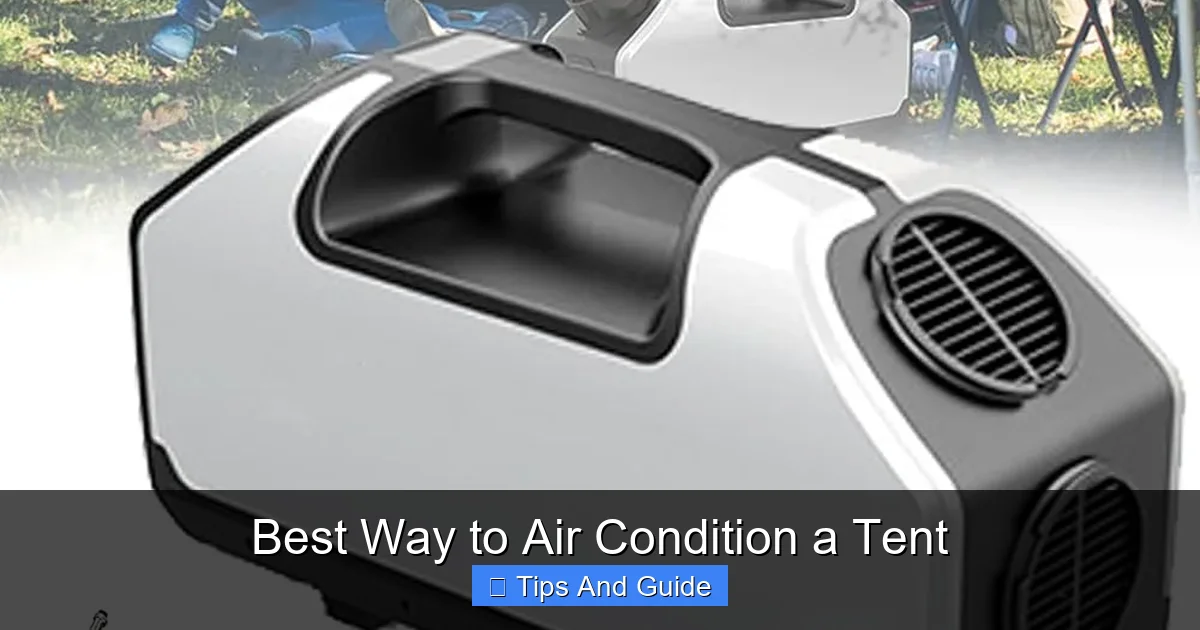
Staying cool in your tent doesn’t have to be a challenge. This guide explores the best ways to air condition a tent, from passive cooling techniques to powered solutions. Learn how to beat the heat and enjoy comfortable camping, no matter the temperature.
Camping is an incredible way to connect with nature, but let’s be honest, when the sun is blazing and the temperatures soar, things can get uncomfortably hot inside your tent. The thought of being trapped in a stuffy, sweaty fabric box can put a damper on any outdoor adventure. But what if you could enjoy the great outdoors without sacrificing comfort? The good news is, you absolutely can! Finding the best way to air condition a tent isn’t about installing a full-blown AC unit (though we’ll touch on that); it’s about employing smart strategies to keep your temporary home as cool and pleasant as possible.
Many campers believe that staying cool in a tent is an insurmountable challenge during hot weather. They envision sweating through the night, unable to sleep, and generally feeling miserable. This perception, while understandable, is often a result of not knowing the effective methods available. The goal is to create a cooler environment within your tent, making your camping experience enjoyable rather than an endurance test. This guide will walk you through practical and effective ways to achieve that, from simple, low-tech solutions to more involved (but still portable) options.
Key Takeaways
- Understand Tent Materials: Different tent fabrics and colors impact heat retention. Lighter colors and breathable materials are naturally cooler.
- Strategic Site Selection: Parking your tent in the shade, especially during the hottest parts of the day, is crucial for minimizing heat gain.
- Ventilation is Key: Maximize airflow by opening tent vents and doors, creating cross-breezes to circulate air.
- Passive Cooling Methods: Utilize damp cloths, ice packs, and reflective surfaces to absorb heat and create a cooler microclimate.
- Portable Fans: Battery-operated or rechargeable fans can make a significant difference in circulating air and creating a cooling breeze.
- Consider Evaporative Coolers: These devices use water evaporation to cool the air and can be an effective, low-power solution for tents.
- “Air Conditioner” Alternatives: While true tent air conditioners exist, they are often bulky and power-intensive. Exploring other methods is often more practical.
📑 Table of Contents
- Harnessing the Power of Shade and Site Selection
- Maximizing Ventilation and Airflow
- Low-Tech Cooling: Simple and Effective Tricks
- Battery-Powered Solutions: Fans and Beyond
- Evaporative Coolers: A More Powerful Portable Option
- What About “Actual” Tent Air Conditioners?
- Preparing for Hot Weather Camping
- Conclusion
Harnessing the Power of Shade and Site Selection
Before you even think about gadgets, the most effective way to keep your tent cool is to prevent it from heating up in the first place. This starts with where you pitch your tent. It sounds obvious, but so many people overlook this crucial first step, leading to a much harder battle against the heat later on.
The Golden Rule: Find the Shade
This is non-negotiable for a cooler tent. Always, always, always try to pitch your tent in a shaded area. Look for natural shade from trees, large bushes, or even rock formations. The difference a bit of shade makes is astonishing. A tent baking in direct sunlight can reach temperatures significantly higher than the ambient air. If natural shade isn’t readily available, consider using a tarp or a canopy to create your own. Many pop-up tents are designed with sun protection in mind, and choosing one of those could be a good starting point if you frequently camp in sunny locations.
Timing Your Pitch
Pay attention to the sun’s path. A spot that’s shaded in the morning might be in direct sun by the afternoon. Try to position your tent so that it’s shaded during the hottest parts of the day, usually from late morning to late afternoon. This might mean facing your tent’s entrance away from the midday sun.
Consider Your Tent’s Color and Material
While you can’t always change the tent you own, it’s worth noting for future purchases. Darker colored tents absorb more heat than lighter ones. Similarly, thicker, less breathable materials will trap heat more effectively. If you frequently camp in hot climates, investing in a tent with light colors and good ventilation is a wise choice. Some tents are specifically designed to reflect sunlight, further reducing heat buildup.
Maximizing Ventilation and Airflow
Visual guide about Best Way to Air Condition a Tent
Image source: thetruewilderness.com
Once your tent is pitched in a prime location, the next critical step is ensuring good airflow within the tent. Stagnant air is a major contributor to that oppressive, stuffy feeling. Creating a cross-breeze is your best friend when it comes to cooling.
Open Everything Up (Strategically)
When temperatures are high, but there’s a breeze, open all your tent doors, windows, and vents. The more openings, the better the air can circulate. Think of it like opening windows in your house to let the fresh air in and the hot air out. Even if the outside air is warm, moving air is always better than still air.
Cross-Ventilation is King
Position your tent so that you can open windows or doors on opposite sides. This allows wind to flow through the tent, creating a continuous current of air. If your tent has multiple vents, use them to your advantage. Even a slight breeze can be amplified within the tent if you set up the openings correctly.
Ground Ventilation Matters Too
Don’t forget the vents near the ground. These can help draw cooler air in from the ground level and push warmer air out at the top. If your tent has mesh panels on the lower sections, ensure they aren’t blocked by gear.
Using Your Tent’s Design
Many modern tents are designed with ventilation in mind. Look for tents with mesh windows, roof vents, and dual-zipper doors that allow for partial opening. Understanding how your specific tent’s ventilation features work will help you optimize airflow. If you have a larger family tent, ensuring everyone understands the importance of ventilation can make a big difference.
Low-Tech Cooling: Simple and Effective Tricks
Visual guide about Best Way to Air Condition a Tent
Image source: thetruewilderness.com
You don’t always need electricity to feel cooler. There are plenty of ingenious, low-tech methods that can significantly improve your comfort in a hot tent. These are perfect for situations where power isn’t readily available or when you want to keep things simple.
The Damp Cloth/Towel Method
This is a classic for a reason. Soak a few towels or bandanas in cool water. Wring them out so they are damp, not dripping. You can then hang these inside your tent, perhaps from tent poles or a clothesline. As the water evaporates, it cools the air around it. You can also drape a damp towel over your face or neck for immediate relief.
Cooling Packs and Frozen Water Bottles
Bring a cooler with ice packs or frozen water bottles. Place these strategically inside your tent. You can put them in a basin or a small container to prevent condensation from making everything wet. As they melt, they’ll release cool air into your tent. You can even wrap them in a towel and place them near your sleeping area.
Reflective Blankets
A reflective emergency blanket, often called a space blanket, can be incredibly useful. You can drape this over your tent during the day to reflect sunlight away. Be mindful that this can also trap heat if not used with good ventilation. It’s best used in conjunction with open vents and possibly as an external layer that’s not directly touching your tent fabric, creating an air gap.
Misting Yourself
A simple spray bottle filled with cool water is surprisingly effective. A few spritzes on your face, arms, and legs can provide instant cooling through evaporation. Keep the bottle in your cooler to ensure the water stays nice and cold.
Battery-Powered Solutions: Fans and Beyond
When you’re looking for a bit more active cooling, battery-powered devices are the way to go. These offer a tangible breeze and can make a huge difference in your comfort level, especially during still, hot nights.
Portable Camping Fans
This is probably the most popular and effective portable cooling solution. Battery-operated fans come in all sizes, from small personal fans to larger ones designed to circulate air in a whole tent. Look for fans that are quiet, have adjustable speeds, and offer a decent battery life. Some even have LED lights, combining two essential camping items. For larger tents, consider a more powerful fan, like those designed for larger camping spaces. Many campers find a good camping fan for tent is a game-changer.
Rechargeable Options
If you’re environmentally conscious or want to avoid constantly buying batteries, rechargeable fans are a great investment. You can charge them via USB from a power bank, a solar charger, or your car. This offers flexibility and long-term cost savings.
Personal Cooling Devices
Beyond fans, there are small, personal cooling devices that can be worn around the neck or placed on a surface to direct cool air. These are great for keeping a specific area or person cool.
Evaporative Coolers: A More Powerful Portable Option
For those seeking a more significant cooling effect than a simple fan, portable evaporative coolers (sometimes called swamp coolers) are worth considering. These devices work by drawing warm, dry air over a water-soaked pad. As the water evaporates, it cools the air, which is then blown back into the tent.
How They Work and Their Benefits
Evaporative coolers are highly effective in dry climates. They add a bit of humidity to the air, which can be a benefit in arid regions. They are generally more energy-efficient than traditional air conditioners and don’t require refrigerants. Many portable models are compact and can be powered by a car’s 12V outlet or a portable power station.
Things to Consider
The effectiveness of an evaporative cooler depends heavily on the humidity of your environment. In very humid conditions, they will not be as effective, as there is less capacity for water to evaporate. You’ll also need a water source to keep the pad moist. Some smaller units can run on batteries, but larger ones will require a more substantial power source.
What About “Actual” Tent Air Conditioners?
The term “air conditioner for a tent” can be a bit misleading. True air conditioning involves refrigerants and a more complex system that is typically not designed for portable, lightweight camping. However, there are some units marketed as “portable air conditioners” for RVs or small spaces that some campers attempt to use in larger tents.
Understanding the Challenges
These units are often heavy, require a significant power source (like a generator or a large portable power station), and produce a considerable amount of heat and water as a byproduct. Setting one up in a tent requires careful consideration of ventilation for the exhaust, power management, and dealing with condensation. For most typical camping scenarios, these are overkill and impractical.
When Might They Be Considered?
If you are car camping at a designated campsite with access to shore power, or if you have a robust portable power station and a very large, sturdy tent (like a canvas bell tent) that can accommodate the exhaust, you *might* consider a small, portable AC unit. However, for the vast majority of campers, exploring the other options in this guide will be far more practical and effective. The best camping AC unit for tent is often a relative term, and the most practical solutions are usually the simpler ones.
Preparing for Hot Weather Camping
Beyond the direct cooling methods, a few other preparations can make a world of difference when camping in the heat. These are often overlooked but contribute significantly to your overall comfort.
Sleeping Gear Considerations
Think about your sleeping bag and mattress. A heavy, synthetic sleeping bag will make you overheat. Opt for a lightweight sleeping bag rated for warmer temperatures or even just a sleeping bag liner. Similarly, some camping mattresses can trap heat. A breathable camping mattress for tent or a simple sleeping pad can be more comfortable. Cotton sheets are generally not ideal for hot weather camping.
Stay Hydrated and Dress Appropriately
This is basic, but essential. Drink plenty of water throughout the day. Avoid caffeine and alcohol, which can dehydrate you. Wear lightweight, breathable clothing. If you’re feeling overheated inside the tent, take a cool shower or dip in a nearby lake or stream if available.
Pre-Cooling Your Tent
If you’re car camping and have access to power before you need to sleep, you can try pre-cooling your tent. Use fans or even a portable AC unit for a few hours before bedtime to bring the internal temperature down significantly. This makes the initial transition into the tent much more pleasant.
Conclusion
Staying cool in a tent doesn’t require a complicated or expensive setup. By understanding the principles of heat management – reducing heat gain and maximizing airflow – you can significantly improve your comfort. From smart site selection and clever ventilation techniques to utilizing simple low-tech tricks and battery-powered fans, there are numerous ways to achieve the best way to air condition a tent for your needs. Don’t let the heat deter you from enjoying your outdoor adventures. With a little preparation and these practical tips, you can ensure a cool and comfortable camping experience, even on the hottest days. Happy camping!
Frequently Asked Questions
What is the simplest way to cool down a tent?
The simplest way to cool down a tent is by maximizing ventilation. Open all doors, windows, and vents to create a cross-breeze. Strategic site selection in the shade is also a crucial first step.
Can I use a portable air conditioner in my tent?
While technically possible for very large tents with specific power sources, it’s generally impractical and not recommended for most camping scenarios due to size, weight, power requirements, and exhaust needs.
How can I cool my tent without electricity?
You can cool your tent without electricity by using damp towels for evaporative cooling, utilizing frozen water bottles or ice packs, staying hydrated, and ensuring maximum natural ventilation. Strategic shade is also key.
Are battery-operated fans effective for cooling a tent?
Yes, battery-operated fans are very effective for creating airflow and a cooling breeze inside a tent. They are a popular and practical solution for improving comfort in warm weather.
How does shade help cool a tent?
Shade prevents direct sunlight from hitting your tent, which is the primary source of heat buildup. A shaded tent will naturally remain significantly cooler than one exposed to direct sun.
What is the best time of day to set up my tent for maximum coolness?
The best time to set up your tent for maximum coolness is during cooler parts of the day, like early morning or late evening, in a location that will be shaded during the hottest hours of the afternoon.
