Backpacking Tips and Tricks for Beginners
Embarking on your first backpacking trip can seem daunting, but with the right knowledge, it’s an incredibly rewarding experience. This guide offers essential backpacking tips and tricks for beginners, covering everything from choosing the right gear to staying safe and comfortable in the wilderness. Learn how to pack smart, navigate effectively, and truly enjoy your adventure.
So, you’re thinking about backpacking? That’s fantastic! The idea of setting off on a trail, carrying everything you need on your back, and immersing yourself in nature is incredibly appealing. But if you’re new to this, it can also feel a little overwhelming. Where do you even begin? Don’t worry, that’s exactly what this guide is for. We’re going to break down all the essential backpacking tips and tricks for beginners, making your first adventure a smooth and unforgettable one.
Think of your first backpacking trip as a stepping stone. You don’t need to conquer Mount Everest right away. The goal is to get comfortable with the process, learn what works for you, and build your confidence. With a little preparation and the right mindset, you’ll be well on your way to becoming a seasoned backpacker. Let’s get you ready for the trail!
- Start Simple: Choose a short, well-marked trail for your first trip to build confidence and practice your skills.
- Gear is Key: Invest in a comfortable backpack, reliable tent, and essential sleeping gear; consider renting high-cost items initially.
- Pack Light, Pack Smart: Every ounce counts. Prioritize multi-functional items and pack only what you truly need.
- Navigation Skills are Crucial: Always carry a map and compass, and know how to use them, even with GPS devices.
- Safety First: Inform someone of your itinerary, be aware of your surroundings, and know basic first aid.
- Leave No Trace: Practice responsible outdoor ethics to preserve the natural environment for future generations.
📑 Table of Contents
Planning Your First Backpacking Trip
The first step to any successful backpacking trip is thoughtful planning. This involves choosing the right destination, understanding the conditions, and having a realistic itinerary. Rushing this stage can lead to unnecessary stress and potential issues on the trail.
Choosing Your Destination Wisely
For your inaugural backpacking adventure, it’s best to select a trail that’s manageable for beginners. Look for shorter distances, well-maintained paths, and established campgrounds. State parks or national forests often have excellent options. Consider factors like elevation gain – starting with flatter terrain is a good idea. Also, think about the time of year. Avoid extreme weather conditions for your first outing. If you’re looking for a good starting point, check out resources for campgrounds for tents near me or specific regions.
Understanding Trail Conditions and Weather
Before you go, thoroughly research the trail. Check recent trip reports for current conditions. Is there snow? Are there any closures? Most importantly, study the weather forecast. Backpacking means being prepared for anything, but you don’t want to be caught in a blizzard on your first trip. Pack accordingly, and always have a backup plan if the weather turns sour.
Creating a Realistic Itinerary
Don’t try to cover too much ground on your first trip. A common mistake is overestimating your daily mileage. Start with a short overnight or a two-night trip covering only a few miles per day. This allows you to practice setting up camp, cooking, and managing your gear without feeling rushed. It also gives you time to enjoy the experience.
Essential Backpacking Gear for Beginners
Visual guide about Backpacking Tips and Tricks for Beginners
Image source: tipsforbackpacking.com
Gear is a significant part of backpacking. While it might seem like a lot to buy, remember that you can often rent or borrow key items for your first few trips. Focus on the essentials that directly impact your safety and comfort.
The Backpack: Your Mobile Home
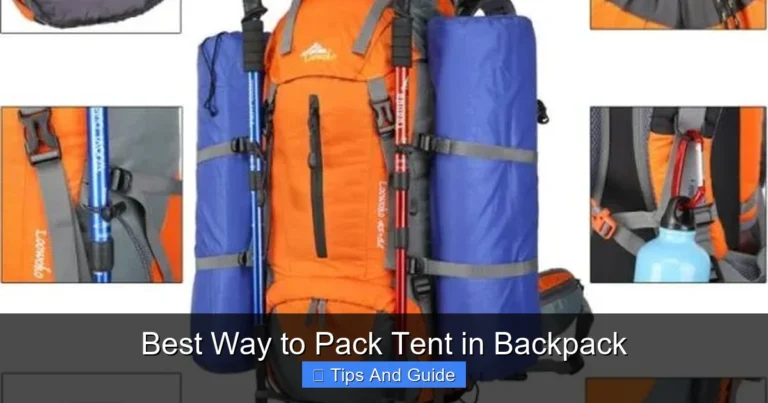
Your backpack is arguably the most important piece of gear. It needs to fit you well and be the right size for your trip. For beginners, a pack in the 50-65 liter range is usually suitable for overnight or weekend trips. When trying on backpacks, make sure the hip belt rests on your hips and the shoulder straps are comfortable. A poorly fitting pack can make even a short hike miserable.
Shelter: Your Haven in the Wild
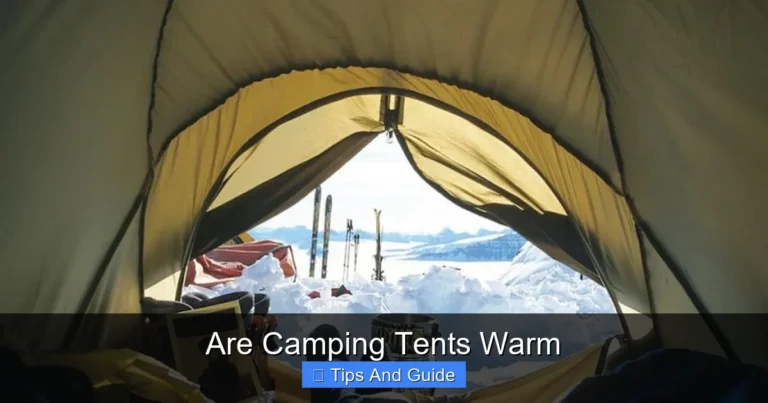
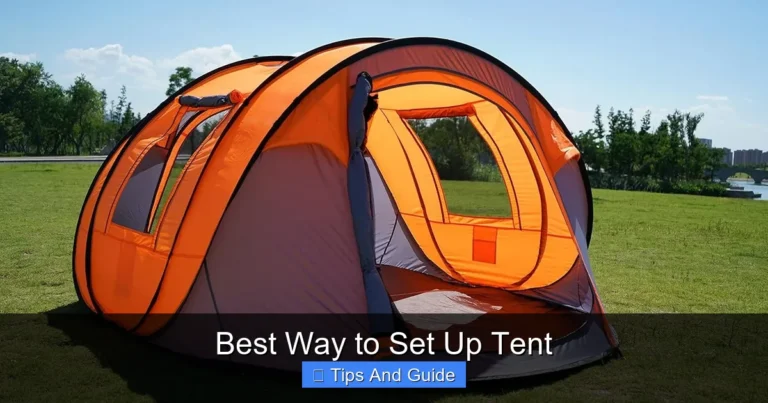
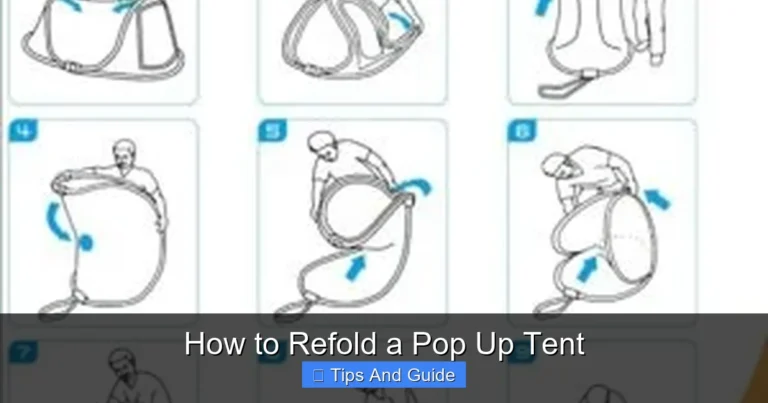
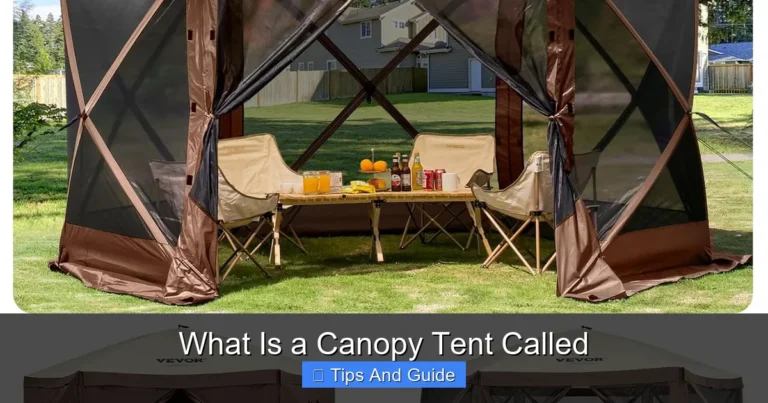
A good tent is crucial for staying dry and protected. For backpacking, you’ll want a lightweight, durable tent. While many fantastic options exist, for your first trip, consider a reliable budget tent for backpacking or explore pop-up tent options if ease of setup is a priority. Brands offering pop-up tents for backpacking can be a great way to get started quickly, though ensure they are suitable for backpacking conditions. You’ll also need a footprint to protect your tent floor.
Sleep System: Comfort is Key
A comfortable night’s sleep is vital for enjoying your days on the trail. This includes your sleeping bag and a sleeping pad.
- Sleeping Bag: Choose a bag rated for the temperatures you expect to encounter. Don’t go for the cheapest option; a warmer bag will make a huge difference.
- Sleeping Pad: This provides insulation from the cold ground and cushioning. Options range from inflatable pads to foam pads. A good camping pad for tents is essential for warmth and comfort.
Cooking and Water: Staying Fueled and Hydrated
You’ll need a way to cook meals and, most importantly, purify your water.
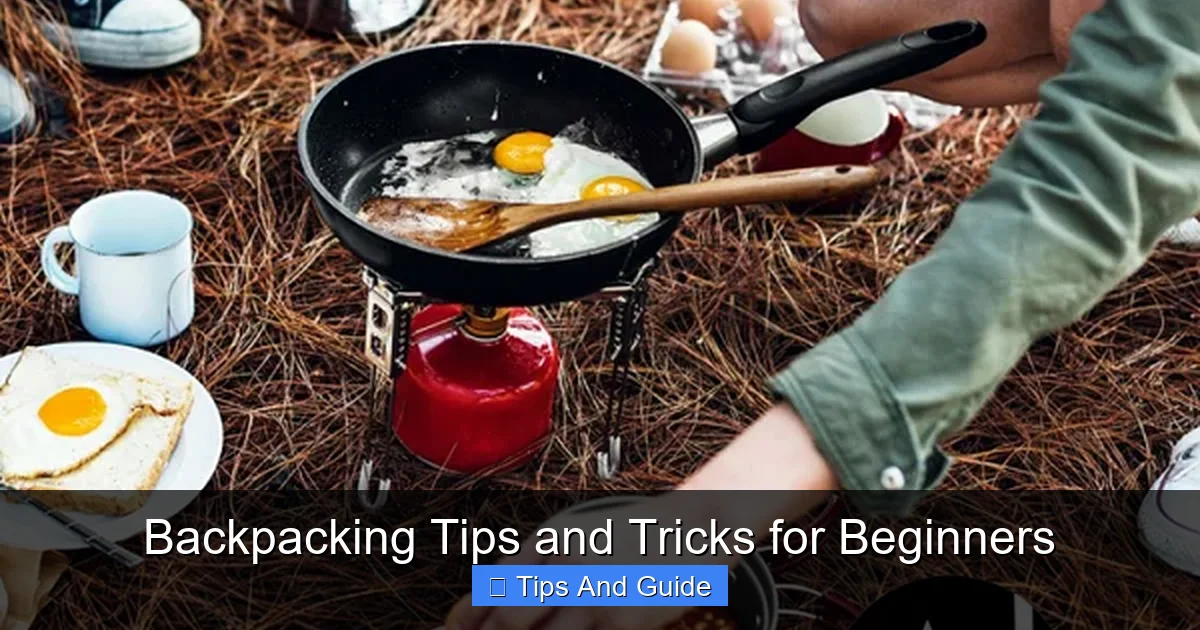
- Stove and Fuel: A small, lightweight backpacking stove is efficient.
- Cookware: A pot, spoon, and mug are usually sufficient.
- Water Filter/Purifier: Never drink untreated water from natural sources. A water filter or purification tablets are non-negotiable.
- Water Bottles/Reservoir: Carry enough water for your needs between water sources.
Packing Smart: The Art of the Lightweight Pack
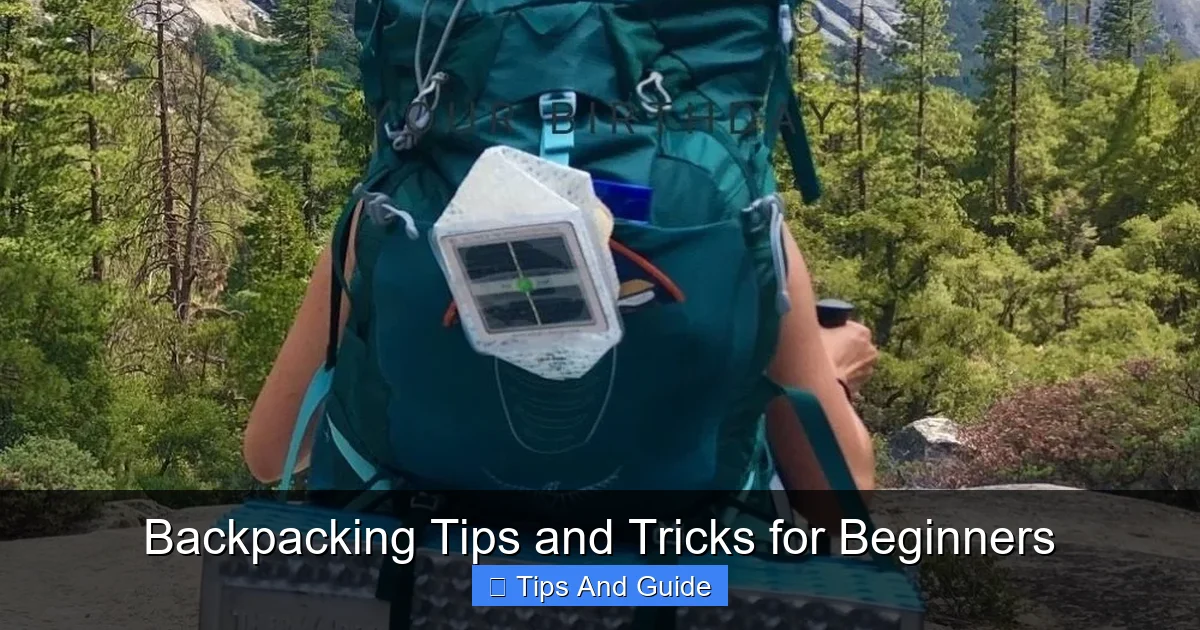
Visual guide about Backpacking Tips and Tricks for Beginners
Image source: fairyburger.com
One of the biggest challenges for beginners is learning to pack light. Every item you bring adds weight to your pack, and that weight can slow you down and tire you out. The mantra is: “If you don’t absolutely need it, leave it at home.”
Prioritize and Categorize
Lay out all the gear you think you need. Then, go through it item by item and ask yourself: “Do I really need this?” Look for items that serve multiple purposes. For example, a bandana can be used for a headband, pot holder, or even an emergency bandage. Group your items into categories: sleeping, cooking, clothing, navigation, safety, and hygiene.
Clothing Essentials: Layers are Your Friend
Avoid cotton clothing, as it holds moisture and can make you cold. Opt for synthetic or wool fabrics that wick away moisture and dry quickly.
- Base Layer: Wicks sweat away from your skin.
- Mid Layer: Provides insulation (e.g., fleece jacket).
- Outer Layer: Protects you from wind and rain (waterproof and breathable jacket and pants).
- Extra Socks: Always pack at least one extra pair of wool or synthetic socks.
Food: Lightweight and Nutritious
Plan your meals carefully. Dehydrated meals are lightweight and easy to prepare. Nuts, dried fruit, energy bars, and jerky are great snacks. Pack out all your food wrappers and any uneaten food.
Navigation and Safety on the Trail
Knowing where you’re going and how to stay safe is paramount. Never rely solely on electronic devices; always have a backup.
Mastering the Map and Compass
Even if you plan to use a GPS device or a navigation app on your phone, you MUST know how to use a map and compass. They are your most reliable tools. Practice reading a map and taking bearings before your trip. Familiarize yourself with the trail you’ll be hiking.
First Aid Essentials
Carry a well-stocked first-aid kit. Know how to use everything in it. Essential items include bandages, antiseptic wipes, pain relievers, blister treatment, and any personal medications. Consider taking a basic wilderness first-aid course.
Informing Others and Staying Aware
Always tell someone where you’re going, your planned route, and when you expect to be back. Check in with them upon your return. While on the trail, be aware of your surroundings. This includes paying attention to weather changes, animal signs, and any potential hazards.
Leave No Trace: Protecting the Wilderness
Backpacking is a privilege, and with that comes the responsibility to protect the natural environments we explore. The Leave No Trace principles are essential for all outdoor enthusiasts.
The Seven Principles
Familiarize yourself with the seven Leave No Trace principles:
- Plan Ahead and Prepare
- Travel and Camp on Durable Surfaces
- Dispose of Waste Properly
- Leave What You Find
- Minimize Campfire Impacts
- Respect Wildlife
- Be Considerate of Other Visitors
These principles help ensure that natural areas remain pristine for future generations to enjoy.
Packing Out What You Pack In
This is a crucial aspect of Leave No Trace. Everything you bring into the wilderness must come back out with you, including trash, food scraps, and even biodegradable items like orange peels. Plan for this by bringing trash bags.
Comfort and Enjoyment on the Trail
While safety and preparedness are vital, don’t forget that backpacking is also about enjoying yourself! A few small things can significantly enhance your comfort.
Camp Comforts
Consider bringing a lightweight camping chair or a sit pad for comfortable breaks. A small trowel is useful for digging catholes for human waste, and a quick-drying towel is always handy. For nighttime comfort, a headlamp is essential for navigating your campsite after dark. You might also want to explore some of the best camping lights for tent options to illuminate your space.
Pacing Yourself and Taking Breaks
Don’t push yourself too hard, especially on your first trips. Take regular breaks to rest, hydrate, and enjoy the scenery. Listen to your body. If you’re tired, stop. It’s better to arrive at camp a little later and feeling good than exhausted and sore.
Conclusion
Backpacking is an incredibly rewarding way to connect with nature and challenge yourself. By starting with thoughtful planning, investing in essential gear, packing smart, prioritizing safety, and adhering to Leave No Trace principles, beginners can embark on their first backpacking trips with confidence. Remember that every trip is a learning experience. Embrace the journey, enjoy the process of discovery, and savor the peace and beauty of the wild. Happy trails!
Frequently Asked Questions
What is the most important piece of gear for a beginner backpacker?
The most important piece of gear for a beginner backpacker is a comfortable and properly fitting backpack. It carries all your essentials, so if it’s uncomfortable, your trip will be miserable.
How much weight should a beginner backpacker carry?
For your first few trips, aim to keep your pack weight to no more than 20-25% of your body weight. Lighter is always better, especially as you gain experience.
What are the essential items for a beginner backpacking first-aid kit?
Essential items include bandages, gauze pads, antiseptic wipes, medical tape, pain relievers, blister treatment, and any personal medications. Knowing how to use them is just as important.
How do I choose a sleeping bag for backpacking?
Choose a sleeping bag rated for the lowest temperatures you expect to encounter. Synthetic insulation is often a good and more budget-friendly option for beginners compared to down.
Is it okay to use a pop-up tent for backpacking?
Some pop-up tents are designed for backpacking and can be a great option for beginners due to their ease of setup. However, ensure the tent is lightweight, durable, and suitable for the intended weather conditions.
What is the most crucial safety tip for beginner backpackers?
The most crucial safety tip is to always inform someone of your detailed itinerary, including your route and expected return time. This ensures someone knows where to find you if something goes wrong.