Are Cheap Tents Worth It
Deciding if cheap tents are worth it depends on your needs. While they can be a budget-friendly option for occasional campers or fair-weather trips, they often sacrifice durability and weather resistance. Consider your camping style and prioritize essential features for a better experience.
So, you’re thinking about hitting the great outdoors, breathing in that fresh air, and sleeping under the stars. Awesome! But then you start looking at gear, and you hit a bit of a sticker shock, right? Tents can range from incredibly cheap to eye-wateringly expensive. This leads to the big question: are cheap tents worth it? It’s a dilemma many budding adventurers face. You want to get out there, but you don’t want to break the bank before you’ve even pitched your first camp.
The allure of a low price tag is undeniable. Who wouldn’t want to save some cash? But camping is an activity that can sometimes put your gear through its paces. From unexpected rain showers to gusty winds, your tent is your shelter, your sanctuary. So, how do you strike that balance between saving money and ensuring you have a reliable place to sleep when you’re miles from civilization? Let’s dive in and figure out if a cheap tent is the right choice for your next adventure.
- Budget-Friendly Start: Cheap tents are great for beginners, kids, or very casual use where extreme conditions aren’t expected.
- Durability Concerns: Lower price often means cheaper materials and construction, leading to quicker wear and tear.
- Weather Performance: Affordable tents may not withstand heavy rain, strong winds, or extreme temperatures as well as more expensive options.
- Feature Limitations: Expect fewer bells and whistles like advanced ventilation, multiple doors, or specialized fabric treatments.
- Repairability: They might be harder to repair effectively due to the quality of materials used.
- Long-Term Value: Investing a bit more upfront can save money and hassle in the long run by lasting longer and performing better.
📑 Table of Contents
The Appeal of a Bargain: Why Cheap Tents Tempt Us
Let’s be honest, the price is the biggest draw. When you see a tent advertised for a fraction of the cost of a premium model, it’s hard not to consider it. This affordability opens up the world of camping to a wider audience.
Breaking Down the Costs
Why are some tents so much cheaper than others? It usually comes down to a few key factors:
* Materials: Cheaper tents often use thinner fabrics, less durable zippers, and basic poles made from fiberglass or aluminum that might not be as strong or lightweight. High-end tents might use ripstop nylon or polyester with higher denier counts, YKK zippers, and strong, lightweight aluminum poles.
* Construction and Design: The way a tent is put together matters. Cheaper tents might have fewer reinforced seams, less sophisticated waterproofing treatments, and simpler designs that are easier and cheaper to manufacture. More expensive tents often feature intricate seam taping, advanced ventilation systems, and designs optimized for stability in various weather conditions.
* Brand Reputation and Features: Well-known brands often invest more in research, development, and quality control. They also offer more features like multiple doors, vestibules for gear storage, and innovative tent pole designs. These add to the cost but also to the user experience and functionality.
Who Are Cheap Tents For?
A cheap tent can be a perfectly viable option for certain scenarios and types of campers.
* The Occasional Camper: If you only go camping once or twice a year for a short weekend trip in mild weather, a budget tent might be all you need. You’re not going to be putting it through extreme tests.
* The Family Introduction: For families introducing young children to camping, a less expensive tent can be a good way to see if everyone enjoys the experience before investing in top-tier gear.
* Car Camping in Fair Weather: If your idea of camping involves driving right up to your campsite and you’re confident the forecast is clear and calm, a basic tent will likely suffice. You’re not dealing with backpacking weight limits or harsh elements.
* Kids’ Playhouses: Let’s face it, sometimes a cheap tent is bought purely for backyard fun or sleepovers. For this purpose, durability and weather resistance are rarely primary concerns.
The Downsides: Where Budget Tents Can Fall Short
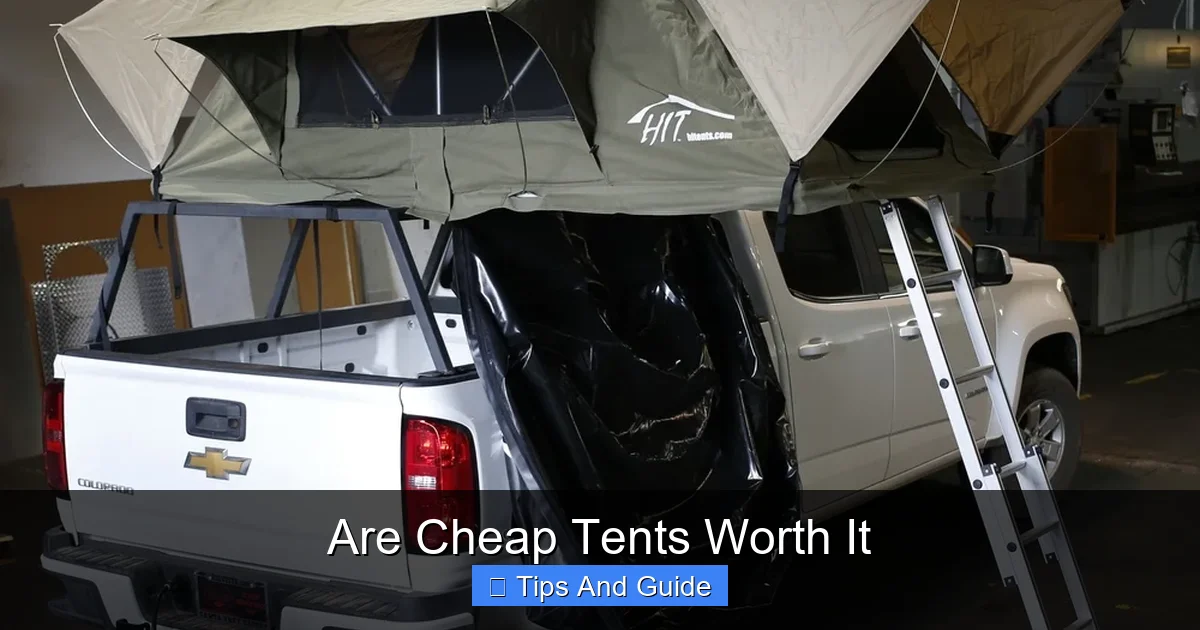
Visual guide about Are Cheap Tents Worth It
Image source: campingtentshub.com
While the price is attractive, it’s crucial to understand the potential trade-offs. These are the areas where cheap tents often struggle compared to their more expensive counterparts.
Durability and Longevity
This is perhaps the biggest concern. Cheaper materials and simpler construction mean that a budget tent is simply less likely to withstand the test of time and use.
* Fabric Wear: The thinner fabrics can tear more easily from branches, rocks, or even just from being packed and unpacked repeatedly. UV exposure can also degrade cheaper fabrics faster.
* Zipper Issues: Flimsy zippers are a common failure point. They can snag, break, or become difficult to operate, leaving you struggling to get in and out of your tent.
* Pole Problems: Cheaper tent poles, especially fiberglass ones, can splinter or break, making your tent unusable. Aluminum poles on budget tents might be thinner and more prone to bending.
Weather Resistance: Your Shelter Under Pressure
When the weather turns, your tent is your primary defense. This is where many cheap tents show their limitations.
* Waterproofing: While most tents will claim to be waterproof, the level of protection varies greatly. Cheaper tents may have lower waterproof ratings for the fabric and less effective seam sealing. This can lead to leaks during prolonged or heavy rain.
* Wind Stability: The design and pole structure of a cheap tent might not be optimized for wind. They can be more prone to collapsing or flapping excessively in strong gusts, leading to a sleepless and uncomfortable night.
* Ventilation: Good ventilation is key to preventing condensation inside your tent. Cheaper tents often have limited vent options, which can lead to a stuffy and damp interior, even when it’s not raining. This is especially noticeable during warmer nights or when using sleeping bags. If you’re looking for better airflow, consider models with good ventilation systems or check out guides on best camping fans for tents to keep the air moving.
Comfort and Features
Beyond basic shelter, tents offer varying levels of comfort and convenience. Cheap tents tend to be more basic.
* Space: You might find that a “2-person” cheap tent is a tight squeeze for two adults and their gear. It’s always wise to size up if you want a bit more room.
* Convenience: Features like multiple doors for easy entry and exit, vestibules for storing muddy boots and backpacks, internal pockets for organization, and good zippers are often sacrificed to keep costs down.
* Packed Size and Weight: While not always a primary concern for car campers, cheap tents can sometimes be heavier and bulkier than their more expensive counterparts, making them less ideal for any kind of hiking.
When to Splurge: Investing in a Better Tent

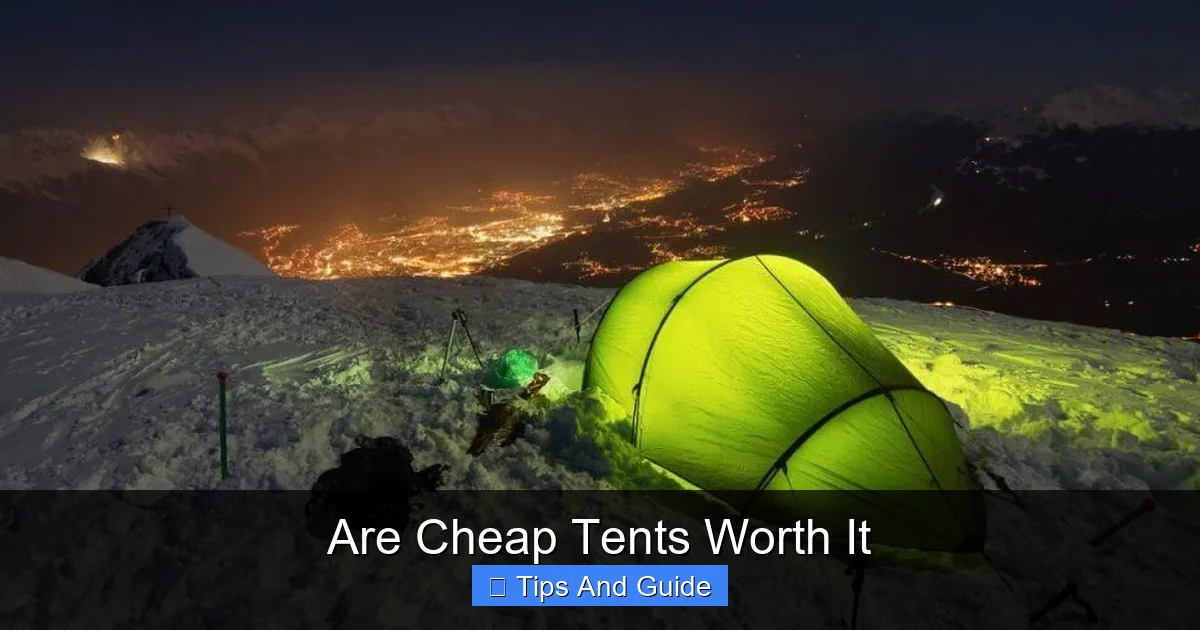
Visual guide about Are Cheap Tents Worth It
Image source: campingtentshub.com
If you’re serious about camping, planning longer trips, or venturing into varied weather conditions, investing a bit more in a quality tent can be a wise decision.
Reliability in the Elements
When you’re deep in the wilderness, the last thing you want is your tent failing you when a storm rolls in. Higher-quality tents are built to withstand more challenging conditions.
* Superior Waterproofing: Look for tents with higher hydrostatic head (HH) ratings for the flysheet and floor. A rating of 3000mm or more is generally considered good for rain protection. Seam-taped construction is also essential to prevent leaks.
* Robust Pole Systems: Stronger, more stable pole structures are designed to handle wind. Many premium tents use shock-corded aluminum poles that are durable and offer flexibility.
* Thoughtful Design: Features like steep walls to shed rain and snow, good aerodynamic shapes, and ample guy-out points for staking the tent down securely make a big difference in windy conditions. For family trips, exploring best cabin tents for family camping might offer more space and stability.
Long-Term Value and Peace of Mind
While the initial cost is higher, a well-made tent can last for many years, potentially saving you money in the long run.
* Durability Pays Off: A tent that doesn’t rip, leak, or break after a few uses will be more cost-effective over its lifespan than constantly replacing cheap ones.
* Reduced Hassle: Knowing your tent will perform reliably allows you to focus on enjoying your camping experience, rather than worrying about potential gear failures.
* Better Camping Experience: A comfortable, dry, and secure tent significantly enhances your overall camping trip. This includes everything from sleeping on a comfortable camping pad to having adequate space.
When to Consider a More Premium Option
* Frequent Campers: If you camp several times a year, a durable tent will be a better investment.
* Backpacking: Weight and packability become crucial, and lighter, more robust tents are usually necessary.
* **Challenging Weather Camping:** If you plan to camp in areas prone to heavy rain, strong winds, or even snow, a tent built for those conditions is essential.
* Family Camping: Ensuring everyone has a comfortable and safe place to sleep, especially with children, warrants a reliable tent. For larger families, a good camping family tent is a must.
Making the Smart Choice: Factors to Consider
When you’re standing at the crossroads of budget versus quality, here’s how to make an informed decision:
Assess Your Camping Habits
* How often will you camp?
* What kind of weather do you expect? (Sunny and warm, or unpredictable and rainy?)
* What type of camping will you be doing? (Car camping, backpacking, festivals?)
* Who will be camping with you? (Solo, couple, family with kids?)
Read Reviews Critically
Don’t just look at star ratings. Read what other campers are saying about the specific tent you’re considering. Pay attention to comments about durability, waterproofing, ease of setup, and performance in different conditions. Look for reviews from people who use their tents similarly to how you plan to.
Know Your Minimum Requirements
Even on a budget, there are some non-negotiables for a functional tent:
* Adequate Size: Make sure it’s big enough for the number of people and their gear.
* Basic Waterproofing: It should at least be water-resistant enough for light showers.
* Reasonable Ventilation: Some form of airflow is crucial.
* Functional Zippers and Poles: These are critical for usability.
Consider the “Sweet Spot”
Often, there’s a middle ground. Mid-range tents offer a good balance of quality, durability, and price. They might not have all the bells and whistles of a top-tier tent, but they provide reliable performance for most campers. You can often find great deals on these models during sales. For example, if you’re looking for a quick setup, exploring options for best pop up tents camping can provide convenience without always breaking the bank.
Alternatives to Buying New
If budget is a major concern, consider these alternatives before committing to a cheap tent:
* **Rent a Tent:** Many outdoor gear outfitters and even some campgrounds offer tent rentals. This is a fantastic way to try out camping without any commitment or to get a feel for different types of tents before you buy.
* **Borrow from a Friend:** Do you have a friend or family member who’s an avid camper? They might be willing to lend you a tent for your first few trips.
* **Buy Used:** Check online marketplaces, local outdoor gear shops, or even garage sales for used tents. You can often find high-quality tents in good condition for a fraction of the original price. Just be sure to inspect them carefully for any damage, mold, or mildew.
Conclusion: Are Cheap Tents Worth It?
Ultimately, whether a cheap tent is “worth it” is a very personal question that depends on your specific circumstances and expectations. For the occasional, fair-weather camper, a budget-friendly option can be a perfectly fine entry point into the world of outdoor adventure. It allows you to dip your toes in without a significant financial commitment.
However, if you envision yourself camping frequently, in various conditions, or simply want peace of mind knowing your shelter will hold up, then investing in a better-quality tent is almost always the wiser choice. A mid-range or higher-end tent will likely offer superior durability, better weather protection, and a more comfortable camping experience, ultimately providing better long-term value and fewer headaches.
Think of your tent as an investment in your outdoor experiences. A cheap tent might get you out there once or twice, but a quality tent can be your reliable companion for countless adventures to come. Weigh your priorities, understand the trade-offs, and choose the shelter that best fits your camping aspirations. Happy camping!
Frequently Asked Questions
Are cheap tents good for beginners?
Yes, cheap tents can be a good starting point for beginners who are unsure about their commitment to camping. They allow you to try out the activity without a large financial outlay. Just be aware of their limitations in terms of durability and weather resistance.
Can a cheap tent survive a rainstorm?
It depends on the quality of the cheap tent. Some may offer basic water resistance for light showers, but many are not designed to withstand prolonged or heavy rainstorms. Leaks are more likely with cheaper materials and less effective seam sealing.
How long do cheap tents typically last?
The lifespan of a cheap tent varies greatly, but they generally have a shorter lifespan than more expensive tents. With very occasional and careful use in mild conditions, a cheap tent might last a few years. Frequent or harsh use will likely lead to failure much sooner.
What are the main drawbacks of cheap tents?
The main drawbacks include lower durability, poor performance in bad weather (rain and wind), limited ventilation leading to condensation, less comfortable features, and a tendency to wear out more quickly.
Is it better to buy a cheap tent or rent one?
If you only plan to camp very rarely or want to test the waters of camping, renting a tent can be a more cost-effective and practical option than buying a cheap one. It allows you to use a higher-quality tent without the commitment of ownership.
When should I definitely avoid buying a cheap tent?
You should definitely avoid cheap tents if you plan to camp frequently, go backpacking, camp in areas with unpredictable weather, or if you need a tent that will provide reliable shelter for extended periods or for a family with children.
=== END FAQS ===