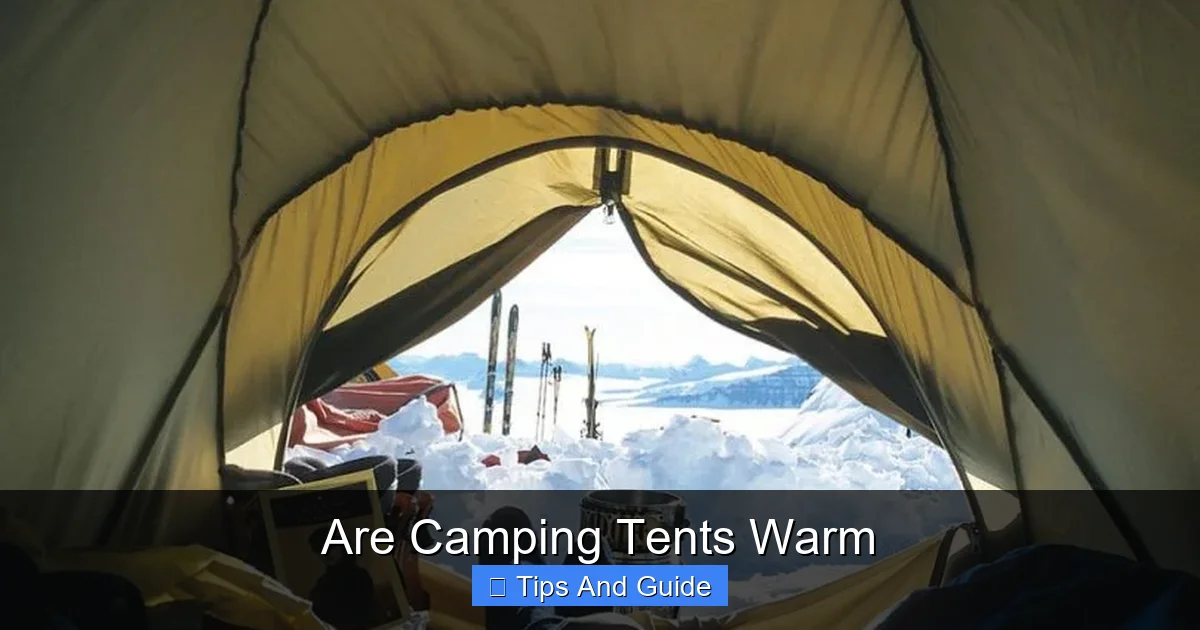
Are Camping Tents Warm
Camping tents aren’t inherently warm like a house, but they can be made surprisingly cozy. Your tent’s warmth depends heavily on its design, materials, and how you prepare it for colder conditions. With the right strategies, you can enjoy comfortable camping even when the temperature drops.
Ever gazed up at a starry sky, bundled in your sleeping bag, and wondered, “Are camping tents warm?” It’s a question that pops into mind for many campers, especially as the evenings get cooler or when planning a trip into the shoulder seasons. The short answer is: it depends. Unlike your cozy home with its insulated walls and central heating, a tent is a fabric shelter. Its ability to keep you warm is a complex interplay of its construction, the environment, and your own preparations.
Think about it like this: a tent is essentially a barrier between you and the outside elements. It does a fantastic job of blocking wind and keeping out rain or snow. But heat? That’s a bit more nuanced. A tent’s primary function is shelter, not necessarily insulation in the way we typically understand it. However, with the right knowledge and gear, you can transform your tent into a surprisingly warm and comfortable haven, even when frost is on the ground. So, let’s dive into what makes a tent warm and how you can maximize that warmth for your next adventure.
## Understanding Tent Warmth: The Science Behind the Fabric
When we talk about whether camping tents are warm, we’re really talking about their ability to *retain* heat and *prevent* heat loss. Your body generates heat, and a good tent will help keep that heat contained. Several factors contribute to a tent’s thermal performance.
### Tent Design and Shape
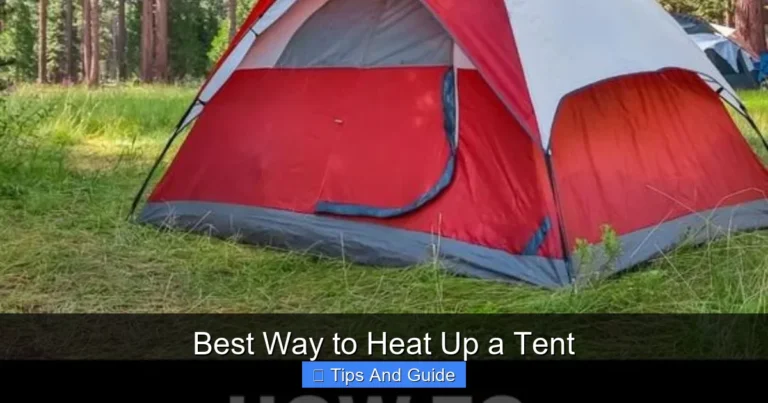
The very shape of a tent can influence how well it holds heat. Dome tents, for instance, tend to be more aerodynamic and can deflect wind better than more boxy designs. This wind-blocking capability is crucial because wind can steal heat away from your tent’s fabric much faster than still air.
More importantly, smaller tents naturally retain heat better than larger ones. Why? Because there’s less empty space for your body heat to fill. This is why solo tents or two-person tents often feel warmer than large family tents, all other factors being equal. Features like vestibules also play a role. These covered areas outside the main sleeping space can act as an extra buffer against the cold, providing a place to store gear and preventing direct drafts from entering your living area. Some tents, like cabin tents for family camping, offer more space, which can be great for comfort but might require more effort to heat effectively.
### Material Matters: Fabric and Coatings
The fabric of your tent is its skin, and its properties significantly impact warmth. Most camping tents are made from nylon or polyester. The weight and denier (a measure of fabric thickness) of these materials play a part. Thicker, more robust fabrics can offer a slight advantage in insulation.
Waterproof coatings, like polyurethane (PU) or silicone, are essential for keeping rain out, but they also can affect breathability. A tent that doesn’t breathe well can lead to a build-up of condensation inside, which can make things feel damp and colder. Modern tents often feature mesh panels for ventilation, which is great in warm weather but means these areas are less insulating. Look for tents with features like the ability to zip up mesh panels for cooler nights.
### Season Ratings: A Tent’s Intended Purpose
Tents are often categorized by their season rating:
* 3-Season Tents: These are the most common tents, designed for spring, summer, and fall. They offer good ventilation and are built to handle rain and moderate winds. They are generally not designed for heavy snow loads or extreme cold. While they provide shelter, they are not optimized for retaining heat in freezing temperatures.
* 4-Season Tents: Also known as winter tents or expedition tents, these are built for harsh conditions, including snow, ice, and high winds. They have stronger poles, more robust fabrics, and fewer mesh panels to maximize heat retention. They are less breathable, which can lead to more condensation in milder weather but is essential for trapping warmth in sub-zero temperatures. If you’re aiming for warmth in winter, a 4-season tent is your best bet.
When considering whether camping tents are warm, always check the season rating. A 3-season tent will struggle in genuinely cold weather compared to a dedicated 4-season model.
## Beyond the Tent: Factors That Influence Your Warmth
Your tent is a crucial part of the equation, but it’s far from the only factor determining how warm you’ll be. The environment and your personal gear play equally, if not more, important roles.
### Ground Insulation: The Silent Heat Thief
One of the biggest misconceptions about staying warm in a tent is underestimating the heat loss through the ground. Cold ground can suck the heat right out of your sleeping bag and your body. This is where high-quality sleeping pads and mats come into play.
* Sleeping Pads: These are non-negotiable for warmth, especially in cooler weather. Look for pads with a good R-value. R-value measures a material’s resistance to heat flow. The higher the R-value, the better the insulation. For cold weather camping, aim for an R-value of 4 or higher. Inflatable pads often offer better insulation than closed-cell foam pads, though foam pads are more durable. Check out our guide on the best camping pads for tents to find the right one.
* Camping Mats: While often used for comfort, some thicker camping mats can also add a layer of insulation. Combining a foam pad with an inflatable pad can significantly boost your R-value. Our recommendations for best camping mats for tents can also provide crucial ground protection and a bit of warmth.
* Extra Layers: In very cold conditions, you might even consider laying down a tarp or a blanket on the tent floor before setting up your sleeping pads to add an extra insulating layer.
### Ventilation: The Paradox of Warmth
This might seem counterintuitive, but proper ventilation is crucial for warmth. If your tent is completely sealed up to trap heat, moisture from your breath, sweat, and cooking will condense on the tent walls. This condensation can freeze, creating a layer of ice, or simply make everything damp, which makes you feel colder.
* Managing Condensation: Open vents slightly, even on cold nights. This allows moist air to escape and fresh air to enter. It’s a trade-off: a little bit of cold air coming in is better than a lot of dampness.
* Preventing CO Buildup: Never use fuel-burning appliances (like camping stoves or lanterns) inside a tent unless they are specifically designed for enclosed spaces and have proper ventilation. Carbon monoxide poisoning is a serious risk. If you’re considering bringing a heater, ensure it’s designed for tent use and understand the ventilation requirements. We’ve reviewed the best camping heaters for tents (battery-powered) and discussed general camping heaters for tents.
### Your Sleeping Bag: The Personal Heater
The most important piece of “gear” for staying warm inside a tent is your sleeping bag. A tent itself doesn’t generate heat; it merely tries to keep the heat you and your sleeping bag produce contained.
* Temperature Ratings: Sleeping bags have temperature ratings, but these are often for survival, not comfort. Aim for a bag rated 10-15 degrees Fahrenheit (about 5-8 degrees Celsius) lower than the coldest temperature you expect. For example, if you expect nights to be around 30°F (-1°C), a bag rated for 20°F (-7°C) or lower is a good idea.
* Down vs. Synthetic: Down insulation is generally lighter and more compressible for its warmth, but it loses insulating power when wet. Synthetic insulation is heavier and bulkier but retains some warmth even when damp.
* Sleeping Bag Liners: These can add a significant amount of warmth to your sleeping bag, effectively increasing its temperature rating. They are also easy to wash.
## Practical Tips for Maximizing Tent Warmth
Now that we understand the principles, let’s get practical. Here are some actionable tips to help you stay warm in your camping tent.
### Strategic Setup and Location
Where you pitch your tent can make a difference.
* Windbreaks: Pitch your tent behind natural windbreaks like large rocks, trees, or hills. This will reduce the wind chill factor.
* Avoid Water Sources: Avoid pitching your tent right next to a lake or river, as these areas can be colder due to evaporation.
* Sunny Spots: If possible, choose a spot that will get the morning sun. This can help warm up your tent and gear after a cold night.
### Layering Your Sleeping Area
Think of your sleeping area as a system.
* Ground Up: As mentioned, start with a waterproof tarp on the ground (if the ground is wet), then your tent floor, then a ground mat or extra tarp inside, then your sleeping pad, and finally your sleeping bag.
* Sleeping Bag Liner: Add a fleece or silk liner inside your sleeping bag for extra warmth.
* Wear Warm Layers to Bed: Wear clean, dry, and warm base layers (thermals made of wool or synthetic materials) to sleep in. Avoid cotton, as it holds moisture and makes you cold. A warm hat is also essential, as you lose a lot of heat through your head.
* Hot Water Bottle: Fill a sturdy, leak-proof water bottle with hot (not boiling) water, wrap it in a sock or cloth, and place it in your sleeping bag before you go to sleep. It acts as a personal heater.
### Pre-Warming and Body Heat
Your body is the primary heat source.
* Exercise Before Bed: Do some light exercises right before getting into your sleeping bag to get your blood flowing and generate body heat.
* Warm Drink: Have a warm, non-caffeinated drink before bed (like herbal tea or hot chocolate).
* Don’t Breathe into Your Bag: While it might seem like a good idea, breathing inside your sleeping bag will introduce a lot of moisture, making it damp and colder. Keep your head out, or use a balaclava.
### Using Portable Heaters (With Caution)
For extreme cold or extended trips where maximum warmth is a priority, some campers consider portable heaters.
* Battery-Powered Heaters: These are generally safer than propane heaters as they don’t produce carbon monoxide. However, their heating output might be limited. Many reviews exist for best camping heaters for tents battery.
* Propane Heaters: These can provide significant heat but MUST be used with extreme caution and in well-ventilated areas. Many propane heaters are NOT designed for use inside tents. Always follow manufacturer instructions precisely and ensure adequate ventilation to prevent CO poisoning. If you opt for a propane heater, research camping heaters for tents thoroughly.
## Tents Designed for Cold Weather
While most tents can be made warmer with good practices, some designs are inherently better suited for colder conditions.
### 4-Season Tents Revisited
As mentioned, these are purpose-built for winter. They have thicker fabrics, reinforced structures, and fewer mesh windows. Their design prioritizes wind resistance and heat retention. If your camping adventures frequently take you into freezing temperatures, investing in a 4-season tent will make a significant difference.
### Tents with Stove Jacks
For the ultimate in cold-weather warmth, some specialized tents come with “stove jacks” – reinforced openings in the roof designed to safely vent a small wood-burning stove. These tents, often used by backcountry skiers and hunters, can turn a tent into a toasty cabin. If you’re interested, search for best camping tents with wood stoves.
### Larger Tents and Heating
For larger tents, like cabin tents, keeping them warm can be more challenging due to the volume of air. In these cases, a more powerful heater might be considered, but always with safety as the top priority. Additionally, using camping furniture that doesn’t sit directly on the cold ground can also help.
## Conclusion: Making Your Tent a Warm Retreat
So, are camping tents warm? Not inherently, but they absolutely can be made so. A tent’s warmth is a combination of its design, construction, and how you equip and prepare yourself and your sleeping area. By understanding the principles of heat loss, investing in the right gear like quality sleeping pads and bags, and employing smart camping practices, you can ensure your tent provides a comfortable and warm sanctuary, no matter the season. Don’t let the fear of the cold deter you from enjoying the beauty of the outdoors year-round. With a little knowledge and preparation, your tent can be your cozy home away from home.
- Tent Design Matters: The shape, size, and features like vestibules significantly impact a tent’s ability to retain heat.
- Material is Key: Fabric thickness, waterproof coatings, and breathability play a crucial role in insulation and condensation management.
- Season Rating is Crucial: Tents are rated for specific seasons (3-season, 4-season) which directly indicates their thermal capabilities.
- Ground Insulation is Vital: Heat loss through the ground is substantial, making good sleeping pads and mats essential.
- Ventilation is Still Important: While you want warmth, proper ventilation prevents dangerous CO buildup and reduces condensation.
- Layering is Your Best Friend: Just like at home, layering clothing and using appropriate sleeping bags are paramount for staying warm.
- Heating Solutions Exist: While not all tents are designed for them, safe heating options can dramatically increase comfort in colder weather.
Frequently Asked Questions
Are lightweight tents warm?
Lightweight tents often prioritize packability and ventilation, which can mean thinner fabrics and more mesh. While they offer shelter, they are generally less warm than their heavier, more robust counterparts designed for colder conditions. Extra insulation layers are crucial for lightweight tent users in cool weather.
Can I use a camping tent in winter?
Yes, you can use a camping tent in winter, but it’s essential to use a tent rated for winter conditions (a 4-season tent). These tents are designed to withstand snow, high winds, and freezing temperatures, offering better insulation and structural integrity than standard 3-season tents.
How can I make my existing tent warmer?
To make your existing tent warmer, focus on ground insulation with a high R-value sleeping pad, use a sleeping bag liner, wear warm layers to bed, ensure proper ventilation to manage condensation, and consider pitching your tent in a sheltered location to block wind.
Is a tent warmer than sleeping under the stars?
A tent is significantly warmer than sleeping under the stars because it acts as a barrier against wind and helps trap your body heat. While it doesn’t actively generate heat, the enclosed space prevents convective heat loss caused by wind, making it much more comfortable in cooler temperatures.
Do I need a heater for my tent?
Whether you need a heater depends on the temperature, your personal tolerance for cold, and the type of tent you are using. For mild to cool weather, good insulation and a warm sleeping bag are usually sufficient. For very cold conditions or extended trips in freezing temperatures, a safe, properly vented portable heater might be considered.
What is the most important factor for warmth in a tent?
The most critical factor for warmth inside a tent is effective insulation, particularly from the ground up. This means a high-quality sleeping pad with a good R-value, a warm sleeping bag, and appropriate sleeping attire. The tent itself acts as a shell to keep the elements out and your generated heat in.