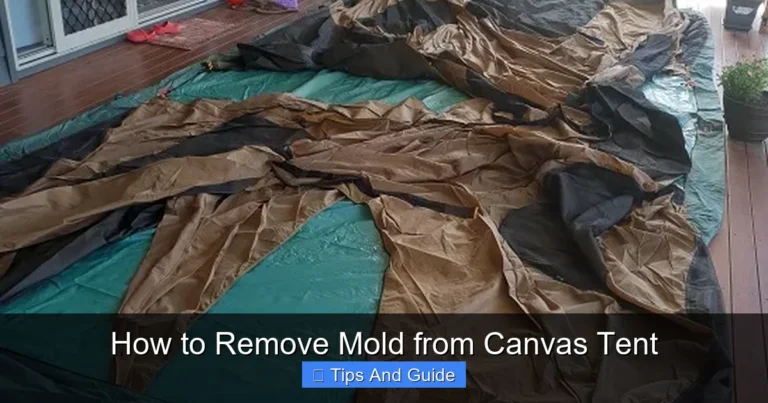
Are Camping Tents Machine Washable
Wondering if your trusty camping tent can go in the washing machine? Generally, the answer is a cautious no, as machine washing can damage waterproof coatings and delicate fabrics. Hand washing is the preferred method to preserve your tent’s integrity and prolong its lifespan for many adventures to come.
So, you’ve just returned from an incredible camping trip. The memories are fresh, the campfire smoke smell might still linger on your clothes, and your tent… well, it looks like it’s seen better days. Mud, dew, maybe even a rogue bug or two have made themselves at home. The question on your mind is likely a practical one: can I just throw my camping tent in the washing machine and call it a day? It’s a tempting thought, isn’t it? The ease of a machine cycle versus the effort of manual cleaning. But before you go tossing your shelter into the laundry abyss, let’s dive deep into the world of tent cleaning.
Camping tents are your portable homes in the wild. They protect you from the elements, provide a cozy place to rest, and are essential gear for any outdoor adventure. Because they’re exposed to dirt, moisture, and sometimes even animal encounters, keeping them clean is vital. Not only does it make them more pleasant to use, but proper care can also significantly extend their lifespan. But the key to this longevity lies in how you clean them.
## The Verdict: Are Camping Tents Machine Washable?
Let’s get straight to the point: for the vast majority of camping tents, the answer is a resounding **no, they are generally NOT machine washable.** While it might seem like a quick and easy solution, putting your tent in a washing machine can cause significant damage that could compromise its performance and durability. Think of it like washing a delicate piece of technical clothing; you wouldn’t just toss your high-performance rain jacket into a hot wash cycle, would you? Your tent deserves a similar level of care.
### Why Machine Washing is Risky
Why is the washing machine such a no-go for most tents? It boils down to the materials and coatings used in their construction. Tent fabrics, especially those with waterproof or water-repellent treatments, are sensitive. Here’s a breakdown of the risks:
* **Damage to Waterproof Coatings:** Many tents feature a polyurethane (PU) coating or a durable water repellent (DWR) finish to keep you dry. The harsh agitation, hot water, and strong detergents used in washing machines can strip away these essential coatings. Once these are gone, your tent will lose its waterproofing capabilities, making it less effective against rain.
* **Fabric Degradation:** The tumbling action of a washing machine can put undue stress on the fabric fibers, seams, and stitching. This can lead to premature wear and tear, stretching, or even small tears that can grow larger over time.
* **Compromised Seam Sealing:** Tents often have taped or sealed seams to prevent water from leaking through. The friction and heat in a washing machine can damage these seals, leading to leaks.
* **Pole Damage:** While less common, the sheer force of a washing machine could potentially bend or break tent poles if they are still attached or if the tent is packed too tightly.
## The Best Approach: Hand Washing Your Tent
If machine washing is out, what’s the best way to get your tent sparkling clean? Hand washing is by far the most recommended and effective method. It allows you to be gentle with the fabric and coatings while still removing dirt and grime. This method preserves the tent’s waterproofness and structural integrity.
### Step-by-Step Guide to Hand Washing
Here’s how to give your tent the spa treatment it deserves:
1. **Preparation is Key:**
* **Empty the Tent:** Make sure all your gear, sleeping bags, pads, and any other items are removed.
* **Shake it Out:** Take your tent outside and give it a good shake to remove loose dirt, leaves, and debris. Pay attention to the corners and pockets.
* **Inspect for Damage:** Before you begin cleaning, take a moment to inspect your tent for any rips, tears, or damaged zippers. Addressing these issues before washing can prevent them from worsening.
2. **Choose Your Washing Spot:**
* Find a large, clean space. This could be your driveway, a clean patio, or even a large bathtub or shower stall if you have one. You need enough room to spread the tent out.
3. **The Washing Process:**
* **Use Cool or Lukewarm Water:** Never use hot water. Cool or lukewarm water is gentler on the fabric and coatings.
* **Mild Soap is Your Friend:** Opt for a mild, non-detergent soap. Specialist tent cleaners are available, or you can use a small amount of gentle, non-bleach liquid soap (like a mild dish soap or a specialized technical wash). Avoid laundry detergents with brighteners, whiteners, or fabric softeners, as these can damage the DWR finish.
* **Gentle Scrubbing:** Use a soft cloth, sponge, or a very soft brush to gently scrub the tent fabric. Focus on areas with visible dirt or stains. Be thorough but avoid aggressive scrubbing, which can damage the fabric.
* **Rinse Thoroughly:** This is a crucial step. Rinse the tent multiple times with clean, cool water until all soap residue is gone. Any remaining soap can attract dirt and degrade the fabric over time. Ensure you rinse all nooks and crannies.
4. **Dealing with Stubborn Stains:**
* For particularly tough stains like tree sap or bird droppings, you might need a specialized tent cleaner. Always follow the product instructions carefully.
* Alternatively, you can try a paste of baking soda and water. Apply it to the stain, let it sit for a short while, and then gently scrub and rinse.
### Don’t Forget the Rainfly and Poles!
While we’re talking about washing, remember that your rainfly often bears the brunt of the weather. It should be cleaned using the same gentle methods. Tent poles can usually be wiped down with a damp cloth. If they are particularly dirty, you can wash them with mild soap and water, but ensure they are thoroughly dried before storage to prevent rust.
## Drying Your Tent: Patience is a Virtue
Once your tent is clean, proper drying is just as important as the washing process itself. A damp tent left packed away is a recipe for mildew and a host of other unpleasant issues.
### The Art of Air Drying
* **Hang it Up:** The best way to dry your tent is to hang it up outdoors in a well-ventilated area. Drape it over a clothesline, railing, or even the back of chairs, making sure air can circulate freely around it.
* **Avoid Direct Sunlight for Extended Periods:** While a little sun can help dry it, prolonged exposure to intense direct sunlight can degrade fabrics and fade colors. If you must dry in the sun, do so for shorter periods and ensure the tent is turned periodically.
* **Inside Out and Right Side Out:** It’s a good idea to dry your tent both inside out and right side out to ensure all surfaces are exposed to air.
* **Check Zippers and Velcro:** Make sure all zippers are slightly open and any Velcro tabs are unfastened to allow for better airflow.
* **Ensure Complete Dryness:** This cannot be stressed enough: your tent must be **completely dry** before you pack it away. Even a small amount of moisture can lead to mildew growth, which is difficult to remove and can permanently damage the fabric and its coatings. Feel the fabric thoroughly, especially in the seams and corners.
### What to Avoid During Drying
* **Never Use a Tumble Dryer:** Just like machine washing, the heat and agitation of a tumble dryer will almost certainly damage your tent’s coatings and fabric.
* **Don’t Wring or Twist:** Avoid wringing out your tent to remove excess water. This can stress the seams and fabric, leading to damage. Instead, gently squeeze excess water out.
## Storing Your Clean Tent for Longevity
Proper cleaning and drying are the first steps to ensuring your tent lasts for many camping seasons. The way you store it is equally crucial.
### The Right Way to Pack and Store
* **Loose Packing is Best:** Once completely dry, loosely fold or roll your tent. Avoid cramming it tightly into its stuff sack. A loose pack helps prevent creases from becoming permanent and reduces stress on the fabric and coatings.
* **Storage Bag vs. Stuff Sack:** If your tent came with a breathable storage bag, use that for long-term storage rather than the compact stuff sack. The stuff sack is designed for transport, not for keeping your tent in pristine condition over months.
* **Cool, Dry Place:** Store your tent in a cool, dry place, away from direct sunlight and extreme temperatures. Basements or closets are usually good options. Avoid storing it in places like garages or attics where temperatures can fluctuate significantly.
* **Away from Pests:** Keep your tent away from potential pests like rodents, which might chew through the fabric if it smells of food or is left accessible.
## When to Consider Professional Cleaning
For most campers, hand washing at home is sufficient. However, there might be situations where you’d consider professional cleaning:
* **Extremely Dirty or Moldy Tent:** If your tent is excessively dirty or has developed significant mold or mildew, a professional cleaner specializing in outdoor gear might have the expertise and tools to tackle it effectively without causing damage.
* **Expensive or Technical Tent:** For high-end, specialized tents (like expedition or mountaineering tents), you might want to err on the side of caution and seek professional advice or service.
Always research and choose a reputable cleaner who understands the specific needs of technical outdoor gear.
## Re-Waterproofing Your Tent
Even with the best care, the DWR finish and PU coatings on your tent will eventually wear down. If you notice water no longer beading up on the surface and instead soaking in, it might be time to re-waterproof.
* **Re-apply DWR:** You can purchase spray-on or wash-in DWR treatments. Follow the product instructions carefully, usually involving washing the tent first and then applying the treatment.
* **Tent Sealant:** For seams that are leaking, you can use a seam sealant to re-establish a waterproof barrier.
This process is a great way to revive an older tent and extend its useful life, ensuring you stay dry on future adventures, whether you’re exploring the trails or enjoying family camping trips.
## Conclusion: Treat Your Tent with Care
So, are camping tents machine washable? Generally, no. The risks of damage to waterproof coatings, fabric, and seams far outweigh any perceived convenience. The best practice is to embrace hand washing, using mild cleaners and cool water, followed by thorough air drying in a well-ventilated space. By giving your tent the gentle care it deserves, you’ll ensure it remains a reliable shelter for countless adventures to come. Proper maintenance, including cleaning, drying, and storage, is an investment in your camping comfort and enjoyment. Happy camping!
- Machine washing camping tents is usually not recommended due to potential damage to waterproof coatings and fabric integrity.
- Hand washing is the safest and most effective method for cleaning most camping tents.
- Always check the manufacturer’s care label for specific cleaning instructions.
- Mild soap and cool water are ideal for hand washing, avoiding harsh detergents.
- Proper drying is crucial; air dry your tent completely in a well-ventilated area away from direct sunlight.
- Avoid wringing or twisting your tent, as this can weaken seams and materials.
- For stubborn stains, spot cleaning with appropriate tent cleaners is a good alternative.
Frequently Asked Questions
Can I use bleach on my camping tent?
No, you should absolutely avoid using bleach on your camping tent. Bleach is a harsh chemical that can severely damage the waterproof coatings, weaken the fabric fibers, and even cause colors to fade or discolor, compromising the tent’s integrity and performance.
How often should I clean my camping tent?
You don’t need to clean your tent after every single use, but it’s good practice to clean it whenever it gets visibly dirty, especially after trips involving mud, excessive dust, or moisture. A thorough cleaning before storing it for an extended period is also highly recommended.
What if my tent has mildew?
If your tent has developed mildew, you’ll need to address it promptly. Mix a solution of cool water and a mild soap or a specialized tent cleaner. Gently scrub the mildewed areas with a soft cloth or sponge. Rinse thoroughly and ensure the tent is completely dry before storing. For persistent mildew, a solution of one part white vinegar to four parts water can also be effective, followed by thorough rinsing.
Can I wash the tent footprint or ground tarp in a washing machine?
Tent footprints or ground tarps are generally more durable than the tent fabric itself. However, it’s still best to check the manufacturer’s label. If it’s a simple, heavy-duty material without special coatings, a gentle cycle in a washing machine might be acceptable, but hand washing is always the safest option to preserve its waterproofness.
My tent has a strong smell. How can I get rid of it?
A strong smell can often be due to moisture, residual dirt, or mildew. Ensure your tent is thoroughly cleaned and completely air-dried. You can also try airing it out in a well-ventilated area for a day or two. For persistent odors, consider using a specialist tent cleaner designed to neutralize smells. Never store a tent that isn’t fully dry, as this is the primary cause of musty odors.
How do I clean a pop-up tent?
Pop-up tents, much like traditional tents, should ideally be hand washed. They are constructed with similar materials and coatings that can be damaged by machine washing. Follow the same gentle hand-washing guidelines using cool water and mild soap. Ensure you allow ample time for it to air dry completely before collapsing and storing it, as trapped moisture can lead to mildew and damage the pop-up mechanism.