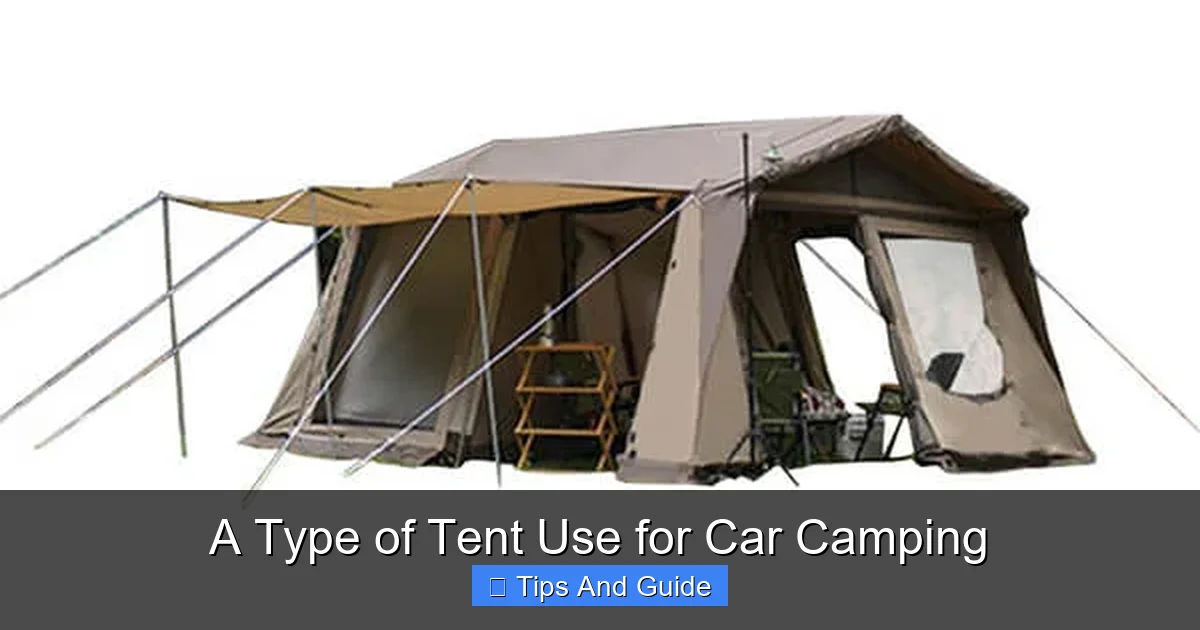
A Type of Tent Use for Car Camping
Choosing the right tent is crucial for a comfortable car camping experience. This article dives into the various types of tents ideal for car camping, focusing on features that enhance your adventure. Learn how to select a tent that balances space, durability, and ease of use.
A Type of Tent Use for Car Camping
Ah, car camping! It’s the ultimate way to experience the great outdoors without sacrificing too many of life’s little comforts. You can pack more gear, enjoy a more comfortable sleeping setup, and generally have a more relaxed time compared to backpacking. But what’s the one piece of gear that truly defines your camping experience? Your tent, of course! A good tent is your home away from home in the wilderness, providing shelter, privacy, and a cozy place to rest after a day of adventure.
When it comes to car camping, you have a bit more leeway in terms of weight and bulk. This means you can opt for tents that might be a little larger or have more features than what a backpacker would carry. The goal is to find a tent that’s spacious enough for your group, durable enough to withstand the elements, and easy enough to set up so you can start enjoying your campsite right away. Let’s dive into the wonderful world of car camping tents and figure out what makes a great one.
- Tent Types for Car Camping: We’ll cover dome tents, cabin tents, and instant/pop-up tents, each with unique advantages for car campers.
- Size and Capacity Matters: Understanding how many people and how much gear you need to accommodate is key to selecting the right size.
- Weather Resistance is Essential: Look for tents with good waterproofing and sturdy poles to handle various weather conditions.
- Ease of Setup and Takedown: For car camping, you want a tent that’s quick and straightforward to pitch, especially after a long drive.
- Ventilation and Comfort Features: Good airflow prevents condensation, and features like gear lofts and vestibules add to your comfort.
- Durability and Materials: Investing in a tent made from quality materials ensures it lasts for many camping trips.
📑 Table of Contents
Understanding Your Car Camping Needs
Before we even look at specific tent types, it’s super important to think about what *you* need. Car camping is fantastic because it’s adaptable. Are you going solo, as a couple, with a young family, or a whole crew of friends? How much gear do you typically bring? What kind of weather do you expect? Answering these questions will steer you toward the right kind of tent.
Capacity and Space Considerations
The most obvious factor is how many people your tent needs to sleep. Tents are usually rated by their capacity, like 2-person, 4-person, or 6-person. However, it’s wise to size up. A 4-person tent is often quite comfortable for two people with lots of gear, or three people snugly. If you have a family of four with kids, a 6-person tent might be a better bet to give everyone elbow room and space for sleeping bags.
Beyond sleeping space, consider your “living” space. Will you need room to change clothes comfortably? A place to store bulky gear inside the tent? Some car camping tents offer vestibules – covered areas outside the main sleeping chamber – which are perfect for stowing muddy boots, backpacks, or even setting up a small camp kitchen area. Think about whether you’ll be spending time inside the tent during rain, playing cards or reading. A taller tent with more headroom makes a huge difference in comfort. For those seeking extra comfort, exploring options like a good camping mattress for your tent or a cozy camping mat can elevate your sleeping experience significantly.
Weatherproofing and Durability
Car camping often means you’re not as constrained by weight, allowing for sturdier materials and construction. Look for tents with a good waterproof rating (often expressed in millimeters, with higher numbers meaning more waterproof). The rainfly, which is the outer layer that covers the tent, is crucial for keeping you dry. Make sure it extends far enough down the sides of the tent.
The poles are another critical component. Aluminum poles are generally stronger and lighter than fiberglass poles, though fiberglass is more budget-friendly. For car camping, where weight isn’t as much of an issue, sturdy aluminum poles are a great investment. The tent floor material is also important; you want something robust that won’t puncture easily. A bathtub-style floor, where the waterproof material extends up the sides, is excellent for preventing water from seeping in from the ground.
Popular Tent Types for Car Camping
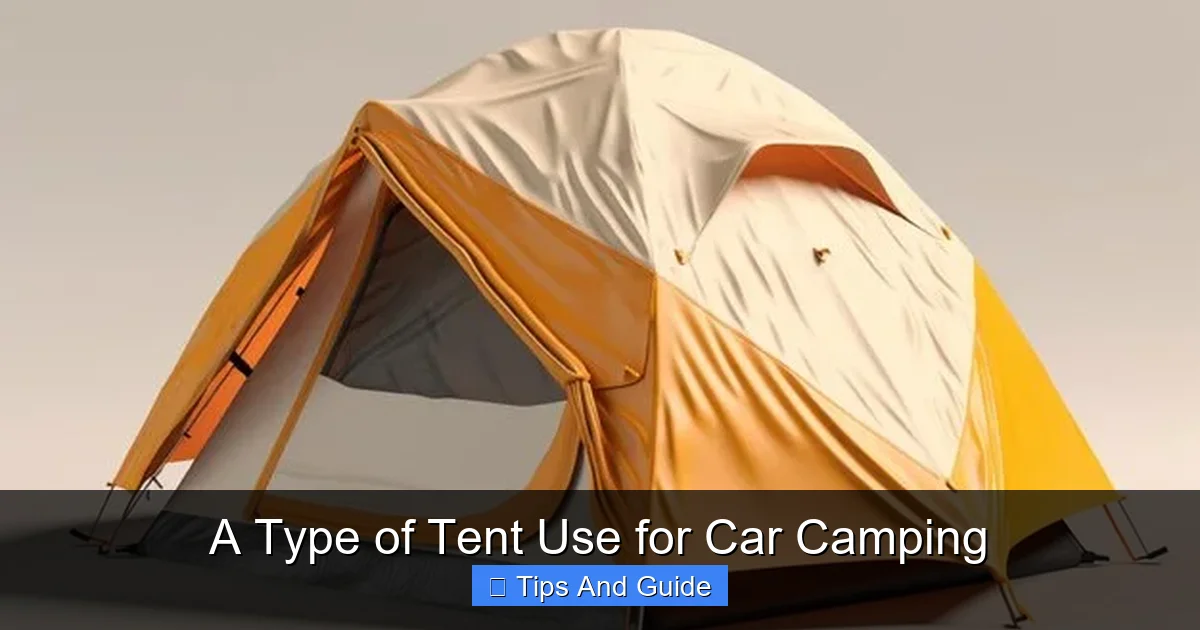
Visual guide about A Type of Tent Use for Car Camping
Image source: img.freepik.com
Now, let’s get into the fun part: the different styles of tents that shine for car camping. Each has its own personality and best-use cases.
Dome Tents
Dome tents are a classic for a reason. They are characterized by their arched poles that cross in the middle, creating a stable, dome-like structure. They are incredibly popular for car camping because they strike a good balance between space, stability, and ease of setup.
Pros of Dome Tents:
- Good Stability: Their shape helps them withstand wind reasonably well.
- Spacious Interior: The rounded walls offer decent headroom and usable floor space.
- Easy Setup: Most dome tents are quite intuitive to pitch, often taking just a few minutes once you get the hang of it.
- Versatile: They come in a wide range of sizes, from small 2-person models to large family tents.
- Affordability: You can find excellent budget-friendly dome tents, making them a great best budget tent for car camping option.
Cons of Dome Tents:
- Steep Walls Can Limit Headroom at Edges: While the center is tall, the space near the walls can be lower.
- Can Feel Cramped in Very Large Groups: For very large families, you might need a bigger option.
Practical Example: Imagine you’re heading to a campground with your partner and your dog. A 4-person dome tent would likely offer ample space for sleeping, plus room for your dog to stretch out and for you to store your bags. You could also look at the best pop up car camping tent options which often come in dome styles for quick setup.
Cabin Tents
Cabin tents are the spacious mansions of the tent world. They are designed to maximize vertical space, with near-straight walls that feel more like a room than a tent. These are fantastic for families or groups who want a lot of interior space and headroom.
Pros of Cabin Tents:
- Exceptional Headroom: The vertical walls mean you can stand up fully almost anywhere inside, making it feel very roomy.
- Ample Space: Great for larger groups and for those who want to spend significant time inside the tent.
- Comfortable Living Area: They often feel more like a small room, ideal for families with young children or for extended stays.
- Can Fit Furniture: You might even be able to fit a small camping table and chairs inside some larger cabin tents.
Cons of Cabin Tents:
- Heavier and Bulkier: Due to their size and often more complex pole structures, they are heavier and pack down larger.
- Less Wind Resistant: Their large, flat surfaces can catch more wind, making them potentially less stable in strong gusts compared to dome tents.
- Longer Setup Time: The more complex structure can mean a longer setup process.
Practical Example: If you’re planning a week-long family vacation at a national park, a 6- or 8-person cabin tent would be ideal. It would give everyone plenty of space to move around, change clothes, and keep gear organized, making rainy days much more bearable. For a large family, a best pop up tent for family camping could also be a cabin-style option, offering speed and space.
Instant or Pop-Up Tents
Instant or pop-up tents are all about speed and simplicity. They often feature pre-attached poles that you simply extend or unfold, and the tent springs into shape. This is a game-changer if you’re arriving at the campsite late or just want to set up camp as quickly as possible.
Pros of Instant Tents:
- Extremely Fast Setup: Often can be set up in under a minute.
- Easy to Use: Minimal instruction or skill required.
- Great for Short Trips: Perfect for quick weekend getaways or festivals.
Cons of Instant Tents:
- Can Be Less Durable: Some models might compromise on robust materials for ease of use.
- Pack Down Larger: Despite their quick setup, they can sometimes be bulkier to pack away than traditional tents.
- Limited Size Options: While expanding, they might not come in the very largest capacities like cabin tents.
- May Be Less Weatherproof: Some might not offer the same level of weather protection as more robustly constructed tents.
Practical Example: You’ve driven for hours and finally arrived at your campsite after sunset. With an instant tent, you can have your shelter set up and ready to go in a minute or two, allowing you to unload your car and settle in without a struggle. The best pop up tent for camping is a category that offers many variations of this quick-pitch style.
Key Features to Look For
Visual guide about A Type of Tent Use for Car Camping
Image source: img.freepik.com
Beyond the basic tent shape, several features can significantly enhance your car camping experience.
Vestibules and Gear Storage
As mentioned before, vestibules are invaluable. They provide a dry space outside the main sleeping area to store gear, cook a quick meal in inclement weather (with extreme caution regarding ventilation and fire safety, of course!), or simply keep your muddy boots from tracking into your sleeping bag. Look for tents with generous vestibule space. Many tents also include internal pockets, gear lofts (a mesh hammock-like shelf near the ceiling), and loops for hanging lanterns, helping you stay organized. For instance, having a good camping light for your tent is much easier with these storage solutions.
Ventilation Systems
Good ventilation is critical for preventing condensation inside your tent. When warm, moist air from your breath and bodies meets the cooler tent fabric, water droplets form. This can make your tent feel damp and uncomfortable. Look for tents with multiple windows, mesh panels, and vents that can be opened and closed. The rainfly should also ideally have vents. Proper airflow will keep you more comfortable, especially in humid conditions or during warmer months. Consider a camping fan for your tent for added air circulation on hot nights.
Doors and Windows
The number and placement of doors can affect convenience. For car camping, especially with multiple people, two doors are highly recommended. This allows easy entry and exit for everyone without having to climb over each other. Large windows, especially mesh ones, are excellent for stargazing on clear nights and providing cross-ventilation on warmer days.
Setting Up Your Car Camping Tent for Success
Even with the best tent, proper setup is key to a comfortable and safe camping trip.
Choosing the Right Campsite Spot
When you arrive at your campsite, take a moment to survey the area. Look for a relatively flat spot, free of rocks, roots, or sharp objects that could puncture your tent floor or make sleeping uncomfortable. Avoid setting up your tent in a low-lying area that might collect water if it rains. Also, consider proximity to amenities like restrooms and water sources, but not so close that you’re disturbed by traffic or noise. If you’re in bear country, be aware of any specific regulations about tent placement relative to food storage and cooking areas. For those exploring specific regions, checking out the best campgrounds near Santa Cruz for tent camping can help you find ideal spots.
Pitching Your Tent
Most modern car camping tents are designed for relatively easy setup. Always read the manufacturer’s instructions before your trip. Lay out your tent and identify all the poles and stakes.
1. Lay out the tent body: Spread the tent flat on your chosen spot.
2. Assemble the poles: Connect the shock-corded sections.
3. Insert poles into sleeves or clips: This is where tent designs vary significantly. Some tents have sleeves the poles slide through, while others have clips that attach to the poles. Clips are generally faster.
4. Raise the tent: As you insert the poles, the tent will begin to take shape. Secure the poles to the tent corners as directed.
5. Attach the rainfly: Drape the rainfly over the tent and secure it to the poles and tent body. Ensure it’s oriented correctly to cover the doors and windows.
6. Stake out the tent and guylines: Use stakes to secure the tent corners to the ground. Then, attach guylines (ropes that extend from the tent to stakes) to create tension and add stability, especially in windy conditions. Use extra stakes to ensure everything is taut.
Using a Footprint or Ground Tarp
A footprint is a custom-fit tarp that goes underneath your tent. It protects your tent floor from abrasion, punctures, and moisture. While some tents come with an integrated bathtub floor, a separate footprint adds an extra layer of protection. If you don’t have a dedicated footprint, a sturdy tarp can serve the same purpose, but make sure it’s slightly smaller than your tent’s floor so it doesn’t collect rainwater and funnel it under your tent.
Maintaining Your Car Camping Tent
To ensure your tent lasts for many adventures, a little care goes a long way.
Cleaning and Drying
Always clean your tent after each trip, especially if it’s been exposed to dirt, mud, or moisture. Use a mild soap and water, and a soft brush or sponge. Never machine wash or dry your tent, as this can damage the waterproof coatings and fabrics. Crucially, make sure your tent is completely dry before storing it. Storing a damp tent can lead to mildew and unpleasant odors. Hang it up in a garage, on a clothesline, or even in a large room until bone dry.
Proper Storage
Store your tent in a cool, dry place, away from direct sunlight. Many tents come with a stuff sack for transport, but it’s often better to store them in a larger, breathable bag (like a cotton or mesh sack) if space allows. This prevents the fabric from getting compressed over time, which can damage its waterproofing and structure. Make sure to remove all poles and stakes from the tent bag before storing.
Conclusion
Choosing the right type of tent for car camping is about balancing comfort, convenience, and durability. Whether you opt for the reliable versatility of a dome tent, the spacious luxury of a cabin tent, or the lightning-fast setup of an instant tent, the key is to select one that meets your specific needs. By considering capacity, weather resistance, ease of setup, and those crucial extra features like vestibules and good ventilation, you’ll be well on your way to creating your perfect home away from home on your next outdoor adventure. Remember to practice setting it up before you go and to maintain it properly, and your tent will be a faithful companion for countless camping trips to come. Happy camping!
Frequently Asked Questions
What is the main difference between a dome tent and a cabin tent for car camping?
Dome tents are characterized by their arched poles and are generally more stable in wind and easier to set up. Cabin tents, on the other hand, have near-vertical walls, offering much more headroom and interior living space, making them feel more like a room.
How do I choose the right size tent for car camping?
Always consider sizing up from the manufacturer’s rating for comfort. For example, a 4-person tent might be ideal for two people with gear. Think about whether you’ll need space for gear inside or just for sleeping.
Are instant or pop-up tents good for car camping?
Yes, instant or pop-up tents are excellent for car camping if speed and ease of setup are your top priorities. They can be pitched in minutes, making them ideal for arriving at the campsite late or for quick trips.
What does “waterproof rating” mean for a tent?
The waterproof rating, usually measured in millimeters (mm), indicates how much water pressure the fabric can withstand before leaking. A higher number means better waterproofing. For car camping, aiming for a tent with a rainfly rated at 1500mm or higher is a good starting point.
Why is ventilation so important in a car camping tent?
Good ventilation prevents condensation inside the tent, which can make your gear and sleeping area damp. Features like mesh panels, vents, and windows allow for airflow, keeping the interior drier and more comfortable, especially in humid or warmer conditions.
Should I use a footprint or ground tarp with my car camping tent?
Using a footprint or ground tarp is highly recommended. It protects your tent’s floor from punctures, abrasion, and moisture, extending the life of your tent and keeping you drier.