A Tent for Camping
Choosing the right tent for camping is crucial for a comfortable and safe outdoor experience. This comprehensive guide breaks down tent types, essential features, and practical advice to help you find the perfect shelter for your adventures. From considering capacity and weather resistance to understanding setup and maintenance, we’ve got you covered.
A Tent for Camping
There’s something magical about sleeping under the stars, surrounded by nature. Camping offers a fantastic escape from the everyday hustle. But before you can truly immerse yourself in the wilderness, you need a reliable home base. That’s where a tent for camping comes in. It’s your shelter, your sanctuary, and your protection against the elements. Choosing the right one can make all the difference between a memorable trip and a miserable one.
Think of your tent as your trusty companion on an outdoor adventure. It needs to be tough enough for unpredictable weather, comfortable enough for a good night’s sleep, and easy enough to set up so you can spend more time enjoying your surroundings. With so many options out there, it can feel a little overwhelming. But don’t worry, this guide is here to help you navigate the world of tents for camping and find the perfect fit for your needs.
Key Takeaways
- Tent Types: Understand the various tent designs, including dome, cabin, tunnel, and backpacking tents, each suited for different camping styles and conditions.
- Capacity Matters: Choose a tent size that comfortably accommodates your group, allowing for sleeping space and some room for gear.
- Weather Resistance is Key: Look for tents with good waterproof ratings, sturdy poles, and effective ventilation to stay dry and comfortable in various weather.
- Ease of Setup: Consider the complexity of pitching your tent, especially if you’re new to camping or prefer quick setups.
- Material and Durability: Invest in tents made from robust materials like ripstop nylon or polyester for longevity and reliable performance.
- Features to Look For: Pay attention to details like vestibules for gear storage, multiple doors for convenience, and good ventilation to prevent condensation.
- Maintenance and Care: Proper cleaning and storage will extend the lifespan of your tent, ensuring it’s ready for your next trip.
📑 Table of Contents
- Understanding Tent Types: Finding Your Perfect Fit
- Capacity and Size: How Many People (and Paws)?
- Weather Resistance: Staying Dry and Comfortable
- Features to Consider: The Little Things That Count
- Materials and Durability: Investing in Longevity
- Tent Accessories and Maintenance: Keeping Your Shelter in Top Shape
- Choosing Your Adventure Companion
Understanding Tent Types: Finding Your Perfect Fit
The first step in choosing a tent for camping is understanding the different styles available. Each type is designed with specific activities and environments in mind. Knowing these distinctions will help you narrow down your options significantly.
Dome Tents: The Versatile All-Rounder
Dome tents are probably the most common type you’ll see. They get their name from their rounded, dome-like shape. This design makes them incredibly stable, especially in windy conditions. They are usually lightweight and relatively easy to set up, making them a great choice for beginners and casual campers.
- Pros: Excellent wind resistance, good headroom, easy to set up.
- Cons: Can sometimes feel a bit cramped in larger sizes, vertical walls are limited.
- Best For: Backpacking, car camping, weekend trips, and general camping.
Cabin Tents: Your Home Away From Home
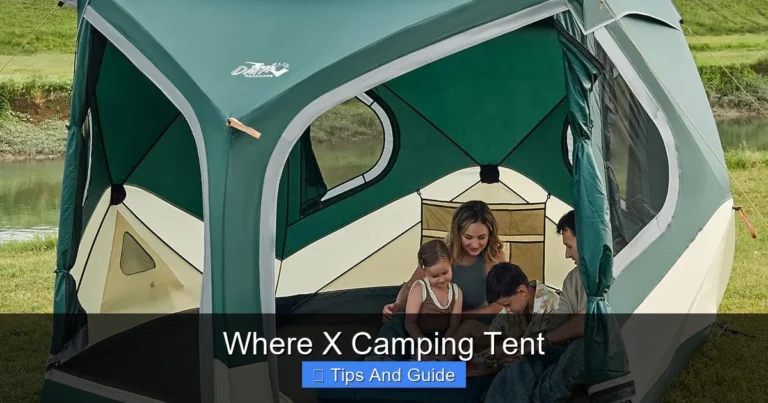
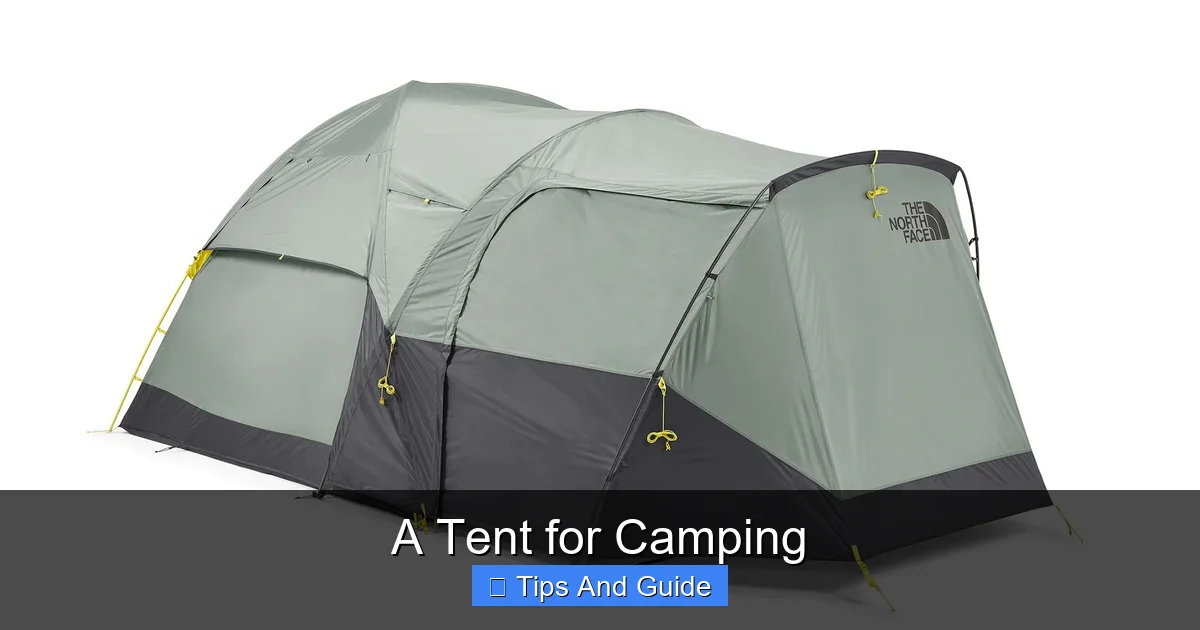
If you’re looking for spaciousness and comfort, cabin tents are the way to go. They feature nearly vertical walls, which maximize interior space and headroom. This makes them feel much more like a small room, ideal for families or groups who want to spread out and enjoy their campsite.
- Pros: Lots of interior space and headroom, feels very open.
- Cons: Can be heavier and more complex to set up, less wind-resistant than dome tents.
- Best For: Family camping, car camping, and longer stays where comfort is a priority. For families, exploring options like the best pop up tent for family camping can be a great starting point.
Tunnel Tents: Aerodynamic and Spacious
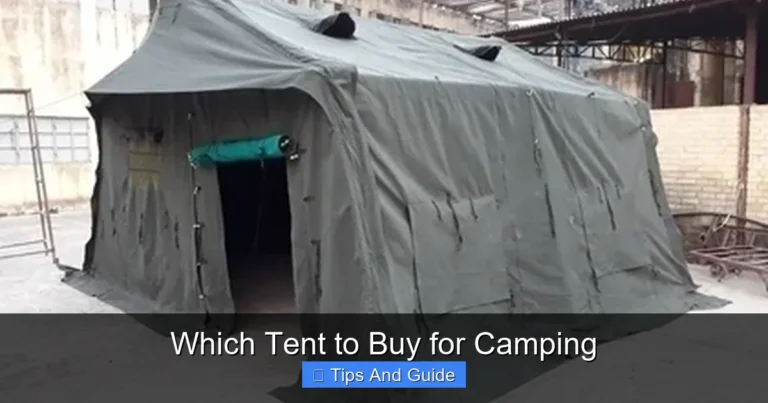
Tunnel tents, as the name suggests, have a semi-circular or tunnel-like shape. Their aerodynamic design makes them very stable and efficient in high winds. They often offer a good balance of living space and sleeping space, with separate vestibules for gear storage.
- Pros: Excellent wind stability, good interior space.
- Cons: Can be trickier to pitch than dome tents, less headroom in the center.
- Best For: Backpacking in exposed areas, longer expeditions, and situations where wind is a major concern.
Backpacking Tents: Lightweight and Compact
When weight and packability are your top priorities, backpacking tents are the ultimate choice. They are designed to be as light as possible without sacrificing durability or weather protection. These are typically smaller and more minimalist, perfect for carrying long distances.
- Pros: Extremely lightweight and compact, excellent for long-distance hiking.
- Cons: Less interior space, can be more expensive.
- Best For: Thru-hikers, mountaineers, and anyone prioritizing a light pack. If you’re exploring backpacking, the best camping backpacking tent is essential.
Capacity and Size: How Many People (and Paws)?
One of the most critical decisions when choosing a tent for camping is its capacity. Tents are typically rated by the number of people they can sleep, like 2-person, 3-person, or 4-person tents. However, it’s important to remember that these ratings are often a snug fit.
Understanding “Person” Ratings
A “2-person” tent usually means it can fit two average-sized adults lying down side-by-side. If you plan to bring extra gear inside, or if you simply prefer more space, it’s often wise to size up. For instance, if you’re a couple who likes to bring laptops or books for downtime, a 3-person tent might feel much more comfortable than a 2-person one.
Visual guide about A Tent for Camping
Image source: cdn.thewirecutter.com
Considering Gear Storage
Think about where you’ll store your backpacks, boots, and other gear. Many tents come with vestibules – covered areas outside the main sleeping compartment. These are invaluable for keeping your gear organized and protected from the elements, freeing up interior space for sleeping. If you’re car camping, you might have more flexibility, but for backpacking, maximizing internal space is key.
Pets and Little Campers
If you’re camping with pets or young children, you’ll also need to factor in their space requirements. A tent designed for a “4-person” capacity might be perfect for two adults and a medium-sized dog, or two adults and a toddler who likes to sprawl. Don’t forget to consider their comfort as well as your own.
Weather Resistance: Staying Dry and Comfortable
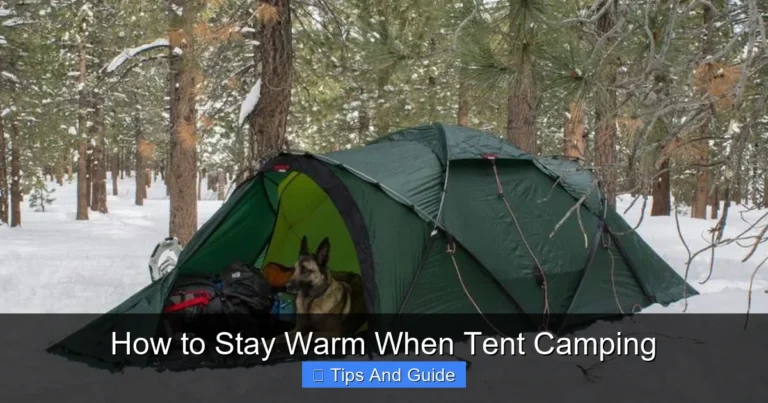
A tent for camping is your primary defense against the weather. You want a tent that can handle rain, wind, and even unexpected temperature drops.
Waterproof Ratings: What Do They Mean?
Tents have waterproof ratings, usually measured in millimeters (mm). A higher mm rating means better waterproofing. Look for tents with a flysheet (the outer waterproof layer) that has a rating of at least 1500mm, and a floor rating of 3000mm or higher. The fabric also matters; polyester and nylon are common choices, with PU (polyurethane) coatings often used for waterproofing.
Visual guide about A Tent for Camping
Image source: besttentreviews.com
Wind Resistance: Staying Put
A tent’s design and pole structure play a huge role in its wind resistance. Dome and tunnel tents generally perform better in high winds due to their aerodynamic shapes and multiple anchor points. Look for tents with strong, flexible poles (often made of aluminum or fiberglass) and plenty of guy-out points to secure the tent with stakes and ropes.
Ventilation: Beating Condensation
Even on a dry night, your breath can create condensation inside a tent. Good ventilation is crucial to prevent moisture buildup, which can make your sleeping bag damp. Most tents have mesh panels and vents. Look for tents with a good balance of mesh for airflow and solid fabric for privacy and warmth. Some tents also feature a rainfly that creates a gap between the tent body and the fly, promoting airflow.
Features to Consider: The Little Things That Count
Beyond the basic structure, several features can significantly enhance your camping experience.
Doors and Windows
Multiple doors can be a lifesaver, especially if you’re sharing a tent with others and need to get out in the middle of the night without climbing over anyone. Windows, especially mesh ones, can provide extra light and airflow on pleasant days.
Vestibules: Your Gear’s Second Home
As mentioned earlier, vestibules are critical. They provide a dry space to store muddy boots, backpacks, and cooking gear, keeping the main sleeping area clean and spacious. The size and number of vestibules can vary greatly.
Gear Lofts and Pockets
Internal gear lofts (mesh shelves that hang from the ceiling) and pockets are great for organizing small items like headlamps, phones, or books. It keeps them off the floor and within easy reach.
Headroom and Interior Space
If you’re tall or just like to sit up comfortably, prioritize tents with good headroom. Cabin tents excel here, but some dome tents also offer surprisingly generous space. Measure the center height of the tent to ensure you can comfortably sit up.
Setup Simplicity: Practice Makes Perfect
Some tents are designed for lightning-fast setups, like pop-up tents. Others require more effort with poles, stakes, and guylines. If you’re new to camping or value quick setups, look for tents with color-coded poles and clips that easily attach to the tent body. Taking your tent out for a practice run in your backyard before your trip is always a good idea.
Materials and Durability: Investing in Longevity
The materials used in a tent for camping directly impact its durability, weight, and overall performance.
Tent Body Fabrics
Most tent bodies are made from polyester or nylon. Nylon is generally stronger and lighter but can stretch when wet. Polyester is more UV-resistant and doesn’t stretch as much, making it a popular choice. Ripstop fabrics, which have a grid of thicker threads woven into the material, are excellent at preventing tears from spreading.
Rainfly and Floor Fabrics
The rainfly and floor need to be highly waterproof. Again, polyester and nylon are common. Look for strong denier (D) ratings, which indicate fabric thickness and strength. For example, a 75D fabric is thicker than a 40D fabric.
Poles
Aluminum poles are generally stronger, lighter, and more durable than fiberglass poles, but they also come at a higher price point. Fiberglass poles are more affordable and flexible but can be more prone to breaking under stress.
Zippers and Seams
Don’t overlook the smaller details. High-quality zippers are essential for smooth operation and longevity. Seam taping is also critical; it’s a waterproof tape applied to the seams to prevent water from leaking through. Ensure the seams on the rainfly and floor are well-sealed.
Tent Accessories and Maintenance: Keeping Your Shelter in Top Shape
Once you’ve chosen your tent for camping, a few accessories and a little maintenance can go a long way in ensuring its lifespan and your comfort.
Groundsheets and Footprints
A footprint is a custom-fit tarp that goes under your tent. It protects the tent floor from abrasion, punctures, and moisture, extending the tent’s life. It’s especially important if you’re camping on rough terrain. You can often buy specific footprints for your tent model, or use a universal tarp.
Sleeping Comfort
The comfort inside your tent depends heavily on what you sleep on. Consider investing in a good sleeping pad or mattress. Options range from inflatable air mattresses to self-inflating pads and foam mats. A comfortable sleeping setup is crucial for a good night’s sleep. If you’re looking for options, check out the best camping mattress for tent or the best camping mat for tent.
Lighting
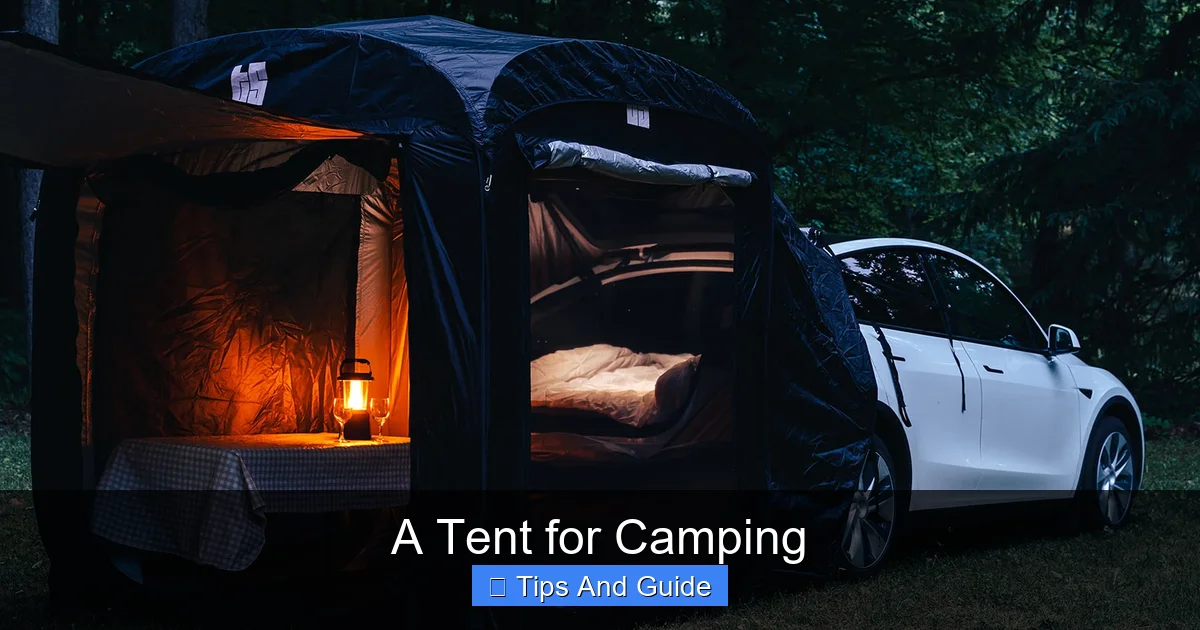
You’ll need a way to see inside your tent at night. Battery-powered lanterns or headlamps are essential. Some tents even have built-in lantern loops. Explore options like the best camping lights for tent to illuminate your space.
Heating and Cooling
Depending on your camping location and season, you might consider a small tent heater or fan. Always ensure any heating or cooling devices are used safely and with adequate ventilation. For colder nights, a best camping heater for tent can make a big difference, while a best camping fan for tent can help during warmer months.
Cleaning and Storage
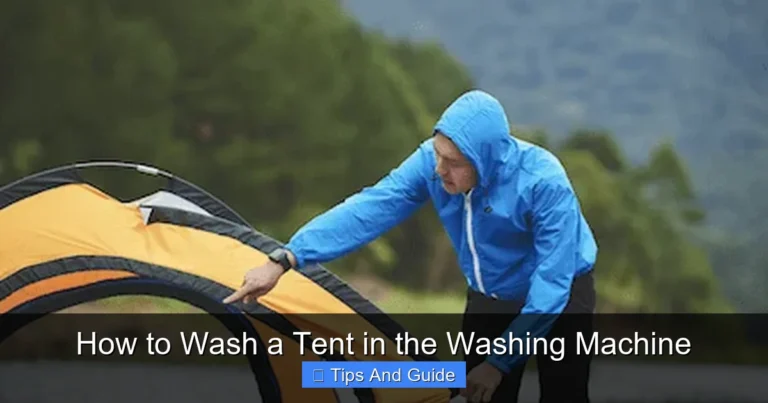
After your trip, clean your tent thoroughly. Brush off dirt and debris, and if it’s damp, let it air dry completely before packing it away. Never store a wet tent, as this can lead to mold and mildew. Most tents come with a stuff sack for storage, but consider a larger tent bag for easier packing and to prevent poles from poking through.
Choosing Your Adventure Companion
Selecting the right tent for camping is an investment in your outdoor experiences. Whether you’re a solo adventurer, a couple seeking a romantic getaway, or a family embarking on a memorable vacation, there’s a tent out there perfect for you. By understanding the different types, considering capacity, prioritizing weather resistance, and paying attention to those essential features, you’ll be well-equipped to make an informed decision. Remember to practice setting it up, treat it with care, and soon your tent will be a beloved part of countless adventures. Happy camping!
Frequently Asked Questions
What is the most important factor when choosing a tent for camping?
The most important factor is arguably weather resistance. Your tent needs to keep you dry and protected from wind to ensure a comfortable and safe camping experience. While size and ease of setup are also crucial, being able to withstand the elements is paramount.
How do I know what size tent to buy?
Tent sizes are usually rated by the number of people they can sleep (e.g., 2-person, 4-person). However, these ratings often represent a snug fit. It’s generally recommended to choose a tent that is one size larger than the number of people who will be sleeping in it, especially if you plan to store gear inside or prefer more personal space.
Are more expensive tents always better?
Not necessarily. While higher-priced tents often use premium materials, offer more advanced features, and are built for extreme conditions, a more budget-friendly tent can be perfectly adequate for casual camping in fair weather. The “best” tent is the one that suits your specific needs and budget.
How do I set up a tent for the first time?
It’s highly recommended to set up your tent in your backyard or a park before your first camping trip. Familiarize yourself with the poles, stakes, and rainfly. Most tents come with instructions, and there are many helpful video tutorials available online that can guide you through the process.
How can I make my tent more comfortable?
Comfort in a tent is achieved through a combination of factors. Ensure you have a good sleeping pad or air mattress for cushioning, bring a warm sleeping bag, and consider adding small amenities like battery-powered lights, a portable fan for warmer weather, or a small mat for the entrance. Proper ventilation also plays a key role in comfort.
What should I do if my tent gets damaged while camping?
Minor tears can often be repaired with duct tape or a patch kit. For more significant damage, such as broken poles, you might need to contact the manufacturer or purchase replacements. Always carry a basic repair kit with duct tape and a sewing needle and thread when you go camping.