A Camping Tent
This comprehensive guide explores everything you need to know about choosing and using a camping tent. From understanding different types and materials to essential setup tips and maintenance, we’ve got you covered. Learn how to pick the ideal camping tent for your next adventure, ensuring comfort and protection.
A Camping Tent
There’s something truly magical about waking up surrounded by nature, with the gentle sounds of the wilderness as your alarm clock. At the heart of this experience lies your humble camping tent. It’s more than just a shelter; it’s your home away from home, your cozy retreat after a day of exploring, and your defense against the elements. Whether you’re a seasoned adventurer or planning your very first camping trip, understanding the ins and outs of a camping tent is fundamental to a successful and enjoyable outdoor experience.
Choosing the right camping tent can seem daunting with so many options available. But don’t worry, we’re here to break it all down. Think of this as your friendly guide to navigating the world of camping tents. We’ll cover everything from understanding the different types and materials to practical tips for setting them up and keeping them in great shape. So, let’s dive in and make sure your next outdoor adventure is as comfortable and secure as possible!
- Tent Types Matter: Dome, cabin, backpacking, and tunnel tents each suit different needs and group sizes.
- Material is Key: Waterproof ratings, denier, and fabric types (nylon, polyester) impact durability and performance.
- Seasonality is Crucial: Choose a 3-season tent for general use or a 4-season tent for harsh winter conditions.
- Capacity and Space: Consider the stated capacity but also account for gear storage and comfort.
- Setup Simplicity: Look for intuitive pole systems and clear instructions for easy pitching.
- Ventilation is Vital: Good airflow prevents condensation and keeps the interior comfortable.
- Maintenance Extends Life: Proper cleaning, drying, and storage will keep your camping tent in top condition.
📑 Table of Contents
Understanding Camping Tent Types
The first step in finding your perfect camping tent is understanding the different styles available. Each type is designed with specific uses and environments in mind. Knowing these differences will help you match a tent to your camping style and needs.
Dome Tents
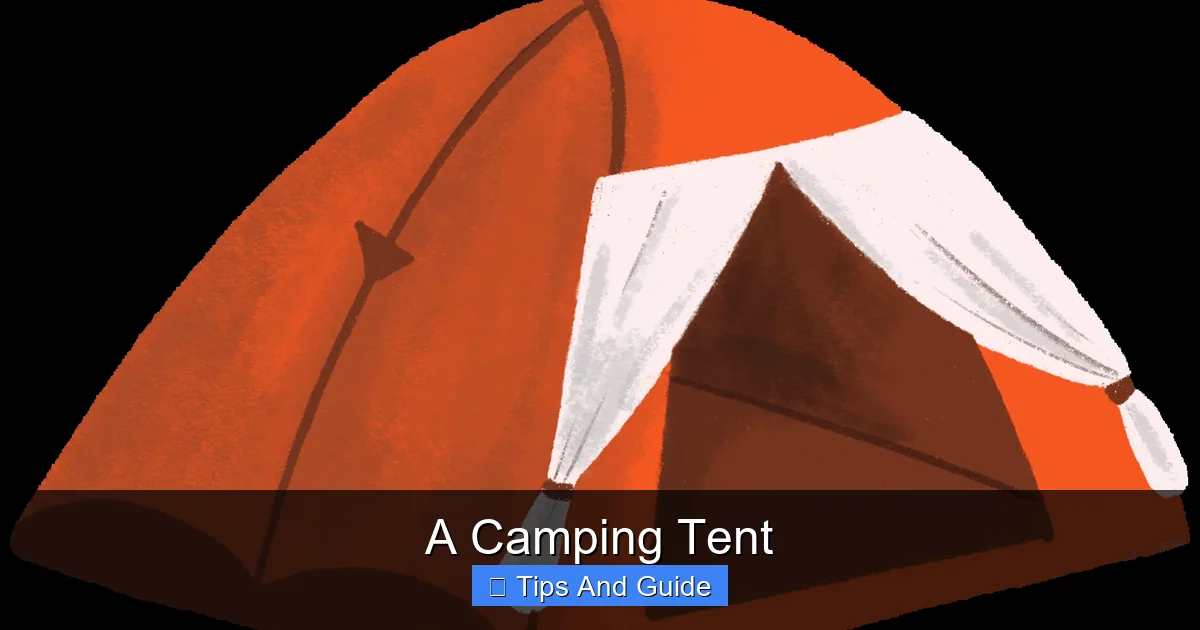
Dome tents are incredibly popular, especially for family camping and car camping. They get their name from their rounded, dome-like shape. This design is usually achieved with flexible poles that cross over the top, creating a stable structure that can withstand wind. Dome tents are known for being relatively easy to set up and offering good headroom. Many larger dome tents are designed for multiple people, providing ample living space.
Cabin Tents
If you envision a more spacious and comfortable camping experience, a cabin tent might be for you. These tents have nearly vertical walls, similar to a small cabin. This design maximizes interior space and headroom, making them feel less cramped. They are ideal for families or groups who plan to spend a lot of time inside their tent, perhaps during inclement weather. While they offer great space, they can be heavier and more complex to set up than dome tents.
Backpacking Tents
For those venturing deep into the wilderness or planning multi-day hikes, backpacking tents are essential. The key feature here is lightweight construction and a compact packed size. Every ounce counts when you’re carrying your gear on your back. These tents are typically smaller, designed for one to three people, and prioritize durability and weather resistance without adding unnecessary weight. You’ll often find innovative designs to maximize space efficiency within a smaller footprint.
Tunnel Tents
Tunnel tents are characterized by their semi-circular or arched structure, formed by flexible poles arranged in a row. This design creates a long, spacious interior, often with separate sleeping and living areas. Tunnel tents are known for their excellent aerodynamic stability, making them a great choice for exposed locations or windy conditions. They can offer a lot of living space for their weight, which is appealing for longer trips.
Pop-Up Tents
Pop-up tents are designed for ultimate convenience. With a built-in frame, these tents practically set themselves up. You literally throw them, and they pop open. This makes them incredibly fast to pitch, perfect for casual campers or situations where quick setup is a priority. However, they can sometimes be less durable than traditional tents and may offer less flexibility in terms of size and features.
Choosing the Right Material and Features
The materials used in a camping tent significantly impact its performance, durability, and weight. Understanding these materials and other key features will help you make an informed decision.
Visual guide about A Camping Tent
Image source: static.vecteezy.com
Fabric Types
Most camping tents are made from nylon or polyester. Nylon is strong, lightweight, and resistant to abrasion, making it a popular choice for high-performance tents. However, it can stretch when wet and is more susceptible to UV damage over time. Polyester is more resistant to stretching and UV rays and generally holds its shape better in wet conditions. It’s often used in more budget-friendly tents but can be slightly heavier than nylon.
Waterproofing and Denier
The waterproof rating of a tent’s fabric is crucial. This is usually measured in millimeters (mm). Higher mm ratings mean better waterproofing. The denier (D) of a fabric refers to the thickness and density of the yarn used. A higher denier generally indicates a stronger, more durable fabric, but also a heavier one. For example, a 75D polyester fly is more robust than a 40D nylon fly. Look for PU (polyurethane) or silicone coatings to enhance water resistance.
Poles and Stakes
Tent poles are typically made from aluminum or fiberglass. Aluminum poles are generally stronger, lighter, and more durable than fiberglass poles, making them a preferred choice for backpacking and higher-end tents. Fiberglass poles are more budget-friendly but can splinter or break more easily. Tent stakes are what secure your tent to the ground. Standard stakes are fine for most conditions, but if you anticipate camping in rocky or sandy soil, consider investing in stronger or specialized stakes.
Ventilation
Good ventilation is essential to prevent condensation inside your tent. Condensation occurs when warm, moist air inside the tent meets cooler air outside. Look for tents with mesh panels, vents in the rainfly, and large doors that can be opened to allow airflow. Some tents have double-wall construction, with an inner mesh tent and a separate rainfly, which aids in ventilation.
Understanding Tent Seasons and Capacity
Choosing a tent based on the season and the number of people will ensure you have a comfortable and appropriate shelter.
Visual guide about A Camping Tent
Image source: beyondthetent.com
Season Ratings
Tents are typically rated for different seasons:
- 3-Season Tents: These are the most common and are designed for spring, summer, and fall. They offer good ventilation, are lightweight, and can handle moderate rain and wind. They are not designed for heavy snow or extreme cold.
- 3-4 Season Tents: A good compromise for campers who experience shoulder seasons with potential for light snow or colder temperatures. They have more robust poles and slightly less mesh for better insulation.
- 4-Season Tents: Built for harsh winter conditions, these tents are designed to withstand heavy snow loads and strong winds. They have fewer mesh panels to retain heat and stronger pole structures. They can be heavier and more expensive.
Tent Capacity
Tent capacity is usually stated as the number of people it can sleep (e.g., 2-person, 4-person). However, this often refers to sleeping space without gear. For comfort, it’s generally recommended to choose a tent that is one size larger than you strictly need, especially if you plan to store gear inside or want more room to move around. For example, a 3-person tent might be more comfortable for two people and their equipment.
Setting Up Your Camping Tent
A smooth setup makes for a much more enjoyable camping trip. Practice makes perfect, so try setting up your tent at home before you head out.
Choosing Your Campsite
Select a flat, level spot for your tent. Avoid low-lying areas that might collect water if it rains. Clear the ground of any rocks, sticks, or debris that could puncture your tent floor or make sleeping uncomfortable. Also, consider wind direction and try to position your tent so that the strongest winds will hit the most stable side.
The Pitching Process
Most modern tents use a color-coded pole system, making assembly straightforward. Generally, the process involves:
- Lay out the tent floor: Spread the tent body flat on your chosen spot.
- Assemble the poles: Connect the sections of your tent poles.
- Insert the poles: Feed the poles through the designated sleeves or attach them to clips on the tent body. For dome tents, the poles often cross at the top and are inserted into grommets at the corners.
- Stake it down: Secure the tent corners to the ground with stakes. This provides stability and prevents the tent from shifting.
- Attach the rainfly: Drape the rainfly over the tent body and secure it to the poles or the tent corners. Make sure the rainfly is taut to allow for proper water runoff.
- Add guy lines: Use the guy lines to further secure the tent against wind and to create a gap between the tent body and the rainfly for better ventilation.
Some tents, like best pop up tent for family camping models, are designed for incredibly fast setup, often requiring just a few steps.
Maintaining Your Camping Tent
Proper care will extend the lifespan of your camping tent and ensure it performs well for years to come.
Cleaning Your Tent
After each trip, it’s important to clean your tent. Brush off any loose dirt or debris. For tougher stains, use a mild soap (like Nikwax Tent Wash or pure soap flakes) and cool water. Avoid harsh detergents or bleach, as they can damage the fabric’s waterproofing. Always rinse thoroughly to remove all soap residue.
Drying Your Tent
Crucially, *never* store a damp tent. This is a recipe for mildew and mold, which can permanently damage the fabric and create unpleasant odors. Always dry your tent completely before packing it away. You can set it up in your backyard, or if that’s not possible, hang it up indoors or in a well-ventilated garage until it’s bone dry.
Storage
When storing your tent, it’s best to loosely fold or roll it, rather than stuffing it into its compression sack. Stuffing can weaken the fabric fibers over time. Store it in a cool, dry place, away from direct sunlight and pests. If you’ve used a tarp or footprint underneath, clean and dry that too. For added comfort inside your tent, consider a good camping mattress for tent or a reliable camping mat for tent.
Essential Camping Tent Accessories
While your tent is the main event, a few accessories can significantly enhance your camping experience.
Footprints and Tarps
A footprint or tarp placed under your tent provides an extra layer of protection for the tent floor, shielding it from abrasion and punctures. It also adds a small amount of insulation and can help keep the main tent cleaner. Ensure the footprint is slightly smaller than the tent floor itself, so it doesn’t collect rainwater and channel it under your tent.
Camping Lights
Having adequate lighting inside and around your tent is a game-changer. From headlamps for navigating in the dark to lanterns that provide ambient light, good camping lights for tent can make all the difference. Consider battery-powered LED lanterns for safety and convenience. There are many options for the best camping light for tent available.
Repair Kits
Accidents happen! A small repair kit with duct tape, seam sealer, and extra pole repair sleeves can save the day if your tent sustains minor damage. Being prepared for small fixes means you won’t have to cut your trip short.
Choosing and caring for your camping tent is an investment in your outdoor adventures. A reliable tent provides not just shelter, but peace of mind, allowing you to fully immerse yourself in the beauty and tranquility of the natural world. So, pick the right tent, learn to set it up with ease, and treat it well, and it will serve you faithfully on countless journeys into the wild.
Frequently Asked Questions
What is the most important feature of a camping tent?
The most important feature is its ability to protect you from the elements. This includes being waterproof, wind-resistant, and offering adequate ventilation to prevent condensation.
How do I choose the right size tent?
Consider the number of people sleeping and how much gear you’ll store inside. It’s often recommended to choose a tent with a capacity one size larger than the number of people for added comfort.
What does “3-season” mean for a tent?
A 3-season tent is designed for use during spring, summer, and fall. It balances ventilation with protection from rain and wind but is not intended for heavy snow or extreme cold.
How often should I clean my camping tent?
It’s best to clean your tent after each trip, especially if it’s been exposed to dirt, mud, or rain. Ensure it is completely dry before storing it to prevent mildew.
Can I use a tarp under my tent?
Yes, using a tarp or footprint under your tent is highly recommended. It protects the tent floor from damage, adds a layer of insulation, and helps keep your tent cleaner.
What should I do if my tent pole breaks?
If a tent pole breaks, you can often use a repair sleeve to mend it temporarily, allowing you to continue your trip. Many tents come with or can be purchased with these repair kits.