How to Winter Camp in a Tent
Ready to embrace the beauty of a winter wonderland from your tent? This guide breaks down everything you need to know for successful winter camping. We cover essential gear like the right tent and sleeping bag, how to set up camp in snow, and crucial safety precautions. Learn how to stay warm, dry, and comfortable, making your winter camping experience both memorable and enjoyable.
How to Winter Camp in a Tent
Winter camping might sound extreme, but it offers a unique and breathtaking experience. Imagine waking up to a silent, snow-covered landscape, the world painted in whites and blues. With the right preparation, gear, and knowledge, you can enjoy the tranquility and beauty of winter camping safely and comfortably. This guide will walk you through everything you need to know to have a successful winter tent camping trip.
Key Takeaways
- Choose the Right Tent: Opt for a 4-season tent designed to withstand snow load and strong winds, with a sturdy pole structure and good ventilation to prevent condensation.
- Layer Up Your Sleep System: A high-quality, zero-degree or lower rated sleeping bag is essential, supplemented by a sleeping pad with a high R-value to insulate you from the cold ground.
- Master Site Selection and Setup: Find a sheltered spot protected from wind, preferably on level ground. Learn techniques for pitching your tent securely in snow, using skis, snowshoes, or deadman anchors.
- Stay Warm with Proper Gear and Habits: Bring appropriate clothing layers, hand/foot warmers, and consider a small, safe tent heater. Staying hydrated and eating calorie-dense foods are also vital for generating body heat.
- Prioritize Safety: Understand the risks of hypothermia and frostbite, know how to prevent them, and always inform someone of your plans. Carry essential safety gear like a first-aid kit and navigation tools.
- Manage Condensation: Proper ventilation is key to minimizing ice buildup inside your tent. Wipe down the tent interior and try to avoid breathing directly onto the walls.
Why Winter Camp in a Tent?
Winter camping in a tent can be incredibly rewarding. It’s an opportunity to experience nature in its purest, most serene form. You’ll often find fewer crowds, stunning snowy vistas, and a profound sense of accomplishment. While it requires more planning than summer camping, the solitude and unique beauty make it well worth the effort for many outdoor enthusiasts.
1. Choosing the Right Gear for Winter Camping
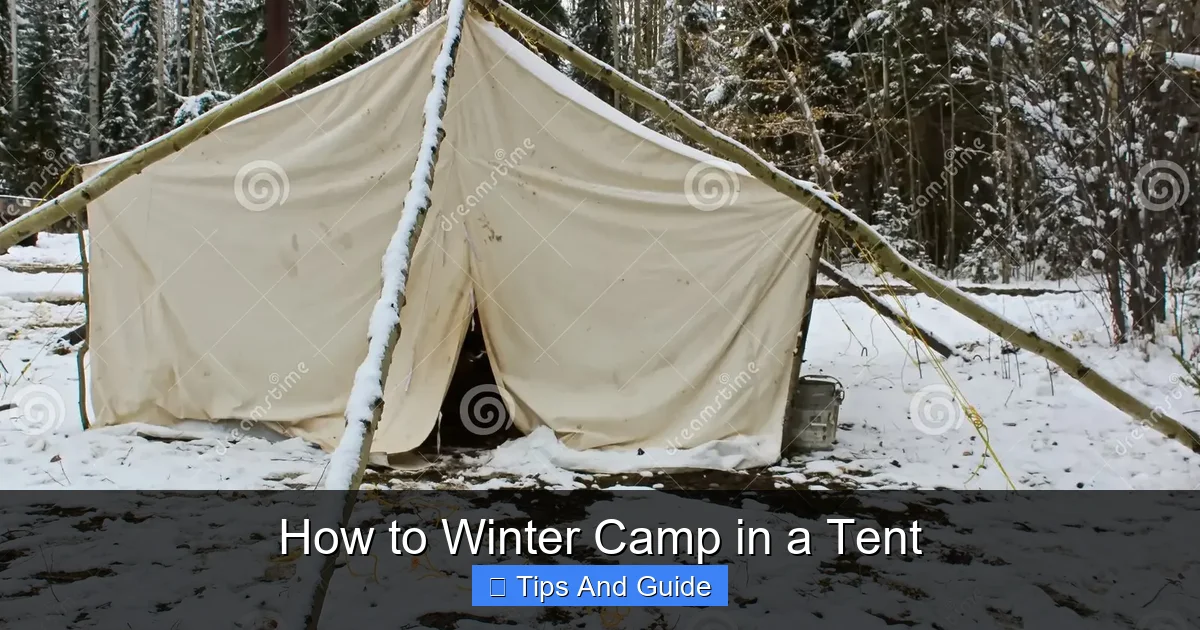
Visual guide about How to Winter Camp in a Tent
Image source: thumbs.dreamstime.com
Your gear is your lifeline in winter. Investing in the right equipment is crucial for safety and comfort.
The Tent: Your Winter Sanctuary
This is perhaps the most critical piece of equipment. You’ll need a tent designed for harsh conditions.
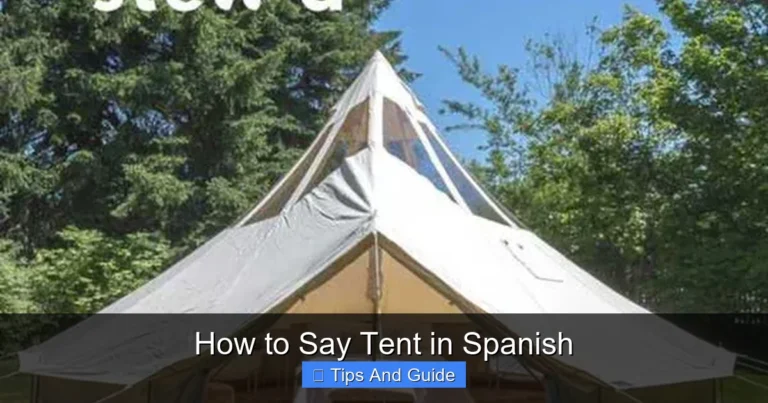
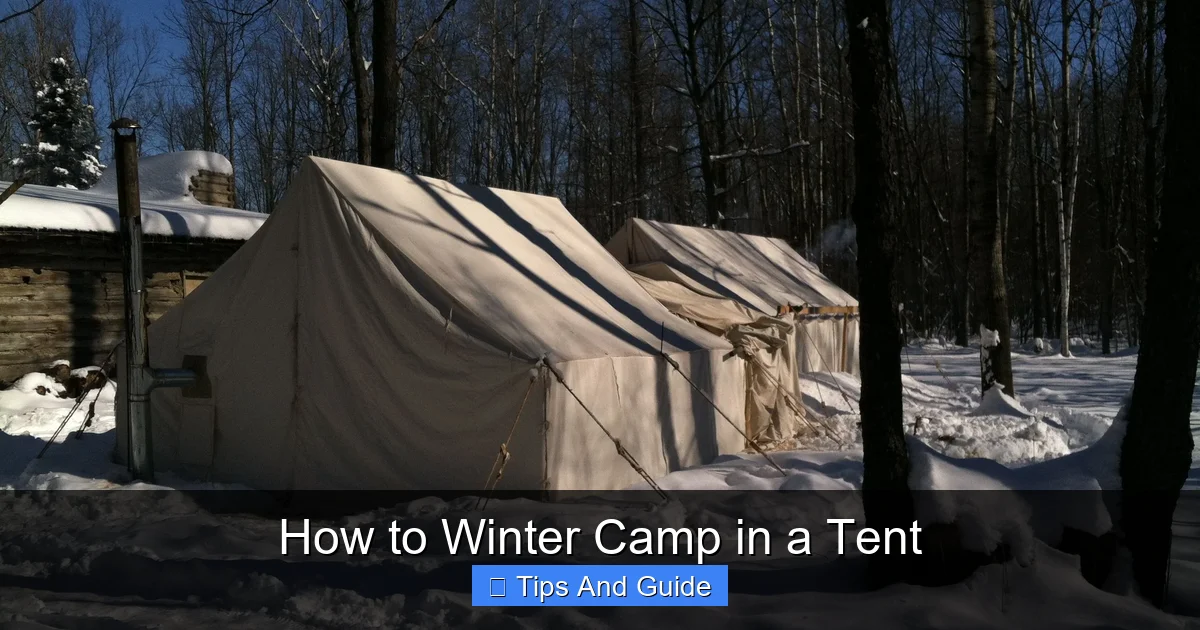
* 4-Season Tents: These are built to withstand heavy snow loads and high winds. They typically have stronger poles, more robust fabric, and a design that minimizes wind resistance. Look for tents with a strong internal pole structure and multiple anchor points. A good budget winter tent can still be effective if chosen carefully.
* Ventilation: While you want to keep the cold out, proper ventilation is vital to prevent condensation inside the tent. Condensation can freeze, creating ice and making your gear damp. Many 4-season tents have specialized vents.
* Size: Consider a tent that’s slightly larger than you need for sleeping. This extra space allows for gear storage inside, which can be essential in extreme cold. You might also consider a vestibule, which offers protected space outside the main sleeping area for cooking or storing wet items.
The Sleeping System: Your Warmth Generator
Your sleeping bag and pad are your primary insulation against the cold.
* Sleeping Bag: Invest in a sleeping bag rated for temperatures well below freezing, ideally 0°F (-18°C) or even -20°F (-29°C). Down fill offers excellent warmth-to-weight ratio and compressibility, but synthetic fills perform better when damp. Consider a mummy-style bag for maximum warmth retention.
* Sleeping Pad: This is non-negotiable. You lose a lot of heat to the ground. Use an insulated sleeping pad with a high R-value (R-value measures thermal resistance; aim for R-5 or higher for winter). Some campers use two pads for extra insulation: a closed-cell foam pad underneath a self-inflating or air pad. This guide on camping mats for tents can offer some ideas, though winter requires specialized options.
* Sleeping Bag Liner: A fleece or silk liner can add several degrees of warmth to your sleeping bag.
Clothing: The Layering System
Avoid cotton at all costs! Cotton absorbs moisture and loses its insulating properties, making you cold and potentially dangerous. Stick to synthetic or wool materials.
* Base Layer: Moisture-wicking thermal underwear (long johns and long-sleeved shirt) made of merino wool or synthetic fabric.
* Mid Layer: Insulating layers like fleece jackets or puffy down/synthetic vests.
* Outer Layer: Waterproof and windproof shell jacket and pants to protect you from the elements. Ensure they are breathable to allow moisture vapor to escape.
* Extremities:
* Hat: A warm wool or fleece hat that covers your ears.
* Gloves/Mittens: Bring multiple pairs. Mittens are generally warmer than gloves. Waterproof outer shells are a must.
* Socks: Wool or synthetic socks. Bring extra pairs.
* Footwear: Insulated, waterproof boots.
Other Essential Gear
* Headlamp: With extra batteries. Cold drains batteries faster.
* Stove and Fuel: Propane stoves can be unreliable in extreme cold. White gas or liquid fuel stoves generally perform better. Bring extra fuel.
* Cooking Pot and Utensils: Simple and lightweight.
* Water Bottles/Insulated Mugs: To keep water from freezing. Nalgene bottles are popular choices as they are durable.
* Shovel: A collapsible snow shovel is essential for digging out your tent site and for emergency use.
* Navigation Tools: Map, compass, and GPS device. Know how to use them.
* First-Aid Kit: Comprehensive and tailored for cold weather.
* Sunscreen and Lip Balm: Snow reflects UV rays, increasing your risk of sunburn and chapped lips.
* Hand and Foot Warmers: Chemical warmers can provide welcome relief.
* Trekking Poles: With snow baskets, they can help with stability on snow and ice.
2. Preparing for Your Winter Camping Trip
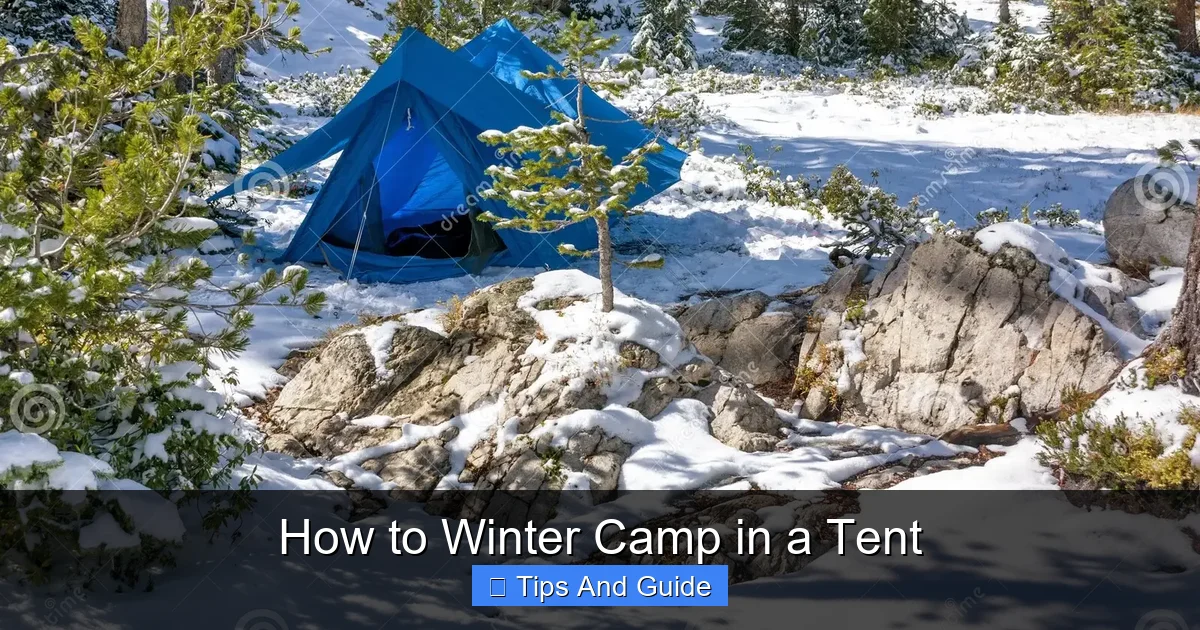
Visual guide about How to Winter Camp in a Tent
Image source: thumbs.dreamstime.com
Thorough preparation is key to a safe and enjoyable winter camping experience.
Plan Your Trip Meticulously
* Location: Research your chosen area. Understand the terrain, potential hazards, and weather patterns. Familiarize yourself with campgrounds in popular areas like Yosemite if you plan to visit such a location. Check avalanche conditions if you’re in mountainous terrain.
* Weather Forecast: Monitor the weather closely leading up to and during your trip. Be prepared for sudden changes.
* Tell Someone Your Plans: Leave a detailed itinerary with a trusted friend or family member, including your expected return time and emergency contact information.
Practice at Home
* Set Up Your Tent: Practice setting up your tent in cold weather, ideally in snow, before your trip. This will save you time and frustration when you’re already cold and possibly in the dark.
* Test Your Stove: Ensure your stove functions correctly in cold temperatures.
* Pack Your Bag: Get familiar with all your gear and how to pack your backpack efficiently.
3. Setting Up Camp in the Snow

Visual guide about How to Winter Camp in a Tent
Image source: townofhalfmoon-ny.gov
Camp setup in winter requires a different approach than in warmer months.
Choosing Your Campsite
* Shelter: Look for natural windbreaks like stands of trees or large rocks. Avoid camping in low-lying areas where cold air can settle or where snow drifts might accumulate excessively.
* Level Ground: Find the most level spot possible for your tent. This will make sleeping much more comfortable.
* Snow Depth: Consider the depth of the snow. You may need to pack down an area for your tent or even dig a platform.
* Water Source: If possible, choose a site relatively close to a water source (like a frozen lake or stream), but ensure it’s safe and accessible.
Pitching Your Tent
* Clear the Area: Remove any sharp branches or rocks.
* Create a Tent Platform: Pack down the snow in the area where your tent will go. You can do this by stomping on it or using snowshoes. Some campers even dig a shallow trench to create a level platform.
* Anchor Your Tent: Stakes may not work well in snow. Use specialized snow stakes, deadman anchors (a piece of wood or fabric buried in the snow), or your skis or trekking poles as anchors.
* Guy Lines: Use all available guy lines to secure your tent against wind.
* Vestibule: If you have a vestibule, consider digging it out to create more usable space.
4. Staying Warm and Comfortable
This is the core challenge and reward of winter camping.
Layering is Key
* During the Day: Adjust your layers to maintain a comfortable temperature. You’ll likely warm up quickly with activity, so shed layers before you overheat and sweat.
* At Night: Before getting into your sleeping bag, change into dry base layers. Wear a hat and even a balaclava to trap heat.
Managing Your Sleeping Bag
* Pre-warm Your Bag: Before you go to sleep, you can put a Nalgene bottle filled with hot water inside your sleeping bag to warm it up.
* Don’t Breathe Into Your Bag: The moisture from your breath can freeze inside your bag, reducing its insulation.
* Eat a Snack: A high-calorie snack before bed can help your body generate heat overnight.
Eating and Drinking
* Hydration: It’s crucial to stay hydrated in winter, even if you don’t feel thirsty. Dehydration can lower your body’s ability to regulate temperature. Melt snow for water, but be sure to boil it to purify it.
* Calorie-Dense Foods: Your body burns more calories to stay warm in winter. Pack plenty of high-energy foods like nuts, dried fruits, chocolate, and fatty snacks. Hot meals and drinks are also excellent for warming you from the inside out.
* Keep Water from Freezing: Store water bottles upside down, as ice crystals form at the top first. Insulated water bottle carriers can help. Some campers sleep with their water bottles.
Tent Heating (Use with Caution!)
While not essential for everyone, some campers use small, safe tent heaters. Always follow manufacturer instructions and ensure proper ventilation. A poorly ventilated heater can lead to carbon monoxide poisoning. A camp tent heater can be a useful addition, but safety is paramount.
5. Safety First: Avoiding Winter Hazards
Winter camping presents unique safety concerns that you must be prepared for.
Hypothermia and Frostbite
* Symptoms: Be aware of the signs: uncontrollable shivering, confusion, slurred speech, drowsiness, numbness, and white or grayish skin.
* Prevention: Dress in layers, stay dry, eat well, and stay hydrated. Avoid alcohol and caffeine, as they can affect your body’s temperature regulation.
* Treatment: If you suspect hypothermia or frostbite, seek immediate medical attention. In an emergency, move the affected person to a warmer location, remove wet clothing, and provide warm liquids if conscious.
Avalanches
If you are camping in mountainous terrain, be aware of avalanche risks. Check avalanche forecasts, avoid steep slopes, and travel with others who are experienced in avalanche safety.
Getting Lost
Always carry navigation tools and know how to use them. Stick to marked trails if possible and inform someone of your route.
6. Campsite Etiquette and Leave No Trace in Winter
The principles of Leave No Trace are even more important in winter.
* **Pack It In, Pack It Out:** Carry out all trash, including food scraps.
* **Minimize Campfire Impacts:** If you have a campfire, use established fire rings if available. Be aware of fire restrictions and the potential for damage to frozen ground.
* **Respect Wildlife:** Store food properly to avoid attracting animals.
* **Travel and Camp on Durable Surfaces:** In winter, this often means camping on established trails or packed snow. Avoid setting up camp on fragile vegetation or ice formations.
* **Dispose of Waste Properly:** Bury human waste at least 200 feet from water sources, camp, and trails. In winter, this can be challenging with frozen ground. Consider packing out solid waste.
Troubleshooting Common Winter Camping Issues
* Frozen Water Bottles: Store them upside down, or sleep with them in your sleeping bag.
* Condensation Freezing: Ensure good ventilation. Wipe down the inside of your tent with a cloth.
* Stiff Tent Poles: This is normal in cold weather. Be gentle when collapsing them.
* Soggy Gear: Dry gear inside your sleeping bag, or if possible, in the sun.
Conclusion
Winter camping in a tent is an adventure that offers unparalleled beauty and solitude. By carefully selecting your gear, planning meticulously, and prioritizing safety, you can transform what might seem like a daunting challenge into an incredibly rewarding experience. Embrace the cold, enjoy the silence, and discover a new appreciation for the winter landscape. Happy winter camping!