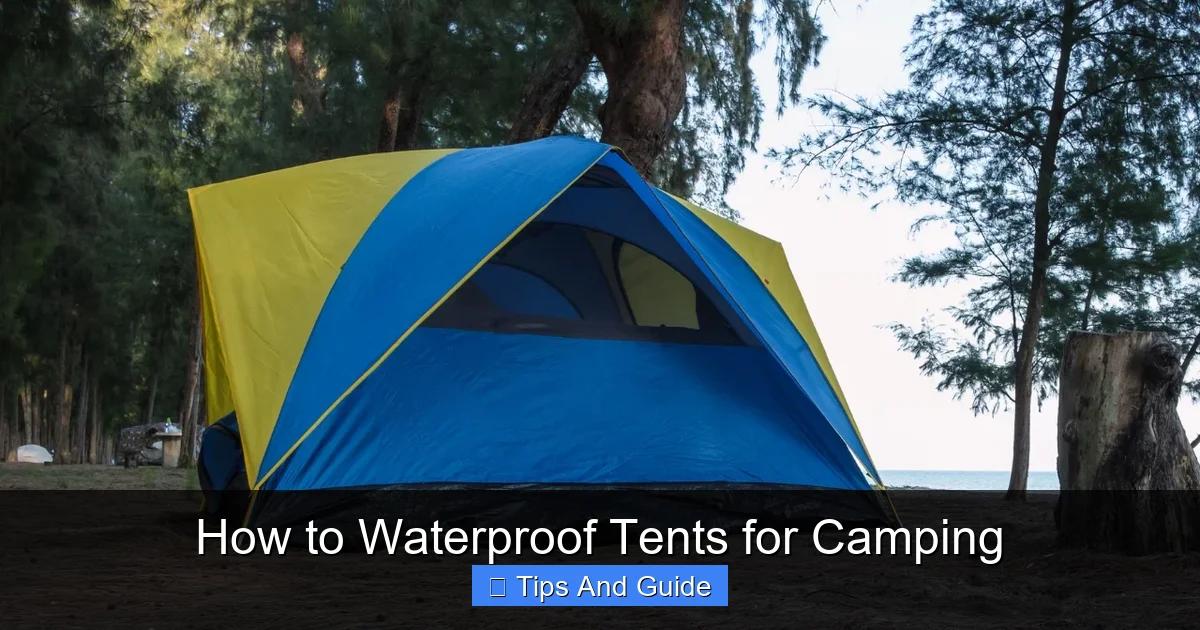
How to Waterproof Tents for Camping
Don’t let rain ruin your camping trip! This guide provides essential steps to waterproof your tent, ensuring a dry and comfortable experience. We’ll cover everything from proper cleaning and seam sealing to choosing and applying the best waterproofing treatments. Following these tips will significantly extend your tent’s lifespan and improve your outdoor adventures.
## How to Waterproof Tents for Camping
There’s nothing quite like the feeling of being out in nature, sleeping under the stars. But what happens when those stars are hidden behind rain clouds, and the gentle patter on your tent turns into a downpour? A leaky tent can turn a dream camping trip into a soggy nightmare. Fortunately, you don’t have to endure damp sleeping bags and mildewy gear. Learning how to waterproof your tent is a crucial skill for any camper.
This comprehensive guide will walk you through everything you need to know to keep your tent dry and your adventures enjoyable. We’ll cover how to inspect your tent, clean it properly, repair minor damages, and apply effective waterproofing treatments. By the end of this guide, you’ll be confident in your ability to prepare your tent for any weather.
### Why Waterproofing Your Tent Matters
Your tent is your shelter in the wilderness. Its ability to repel water is paramount for comfort, safety, and the longevity of the equipment. Modern tents are typically made from synthetic fabrics like nylon or polyester, treated with a waterproof coating (like polyurethane or silicone). Over time and with use, this coating can wear off, seams can degrade, and small tears can appear, all leading to potential leaks. Regular waterproofing ensures your tent continues to perform its primary function: keeping you dry and protected from the elements. A well-maintained, waterproof tent means better sleep, no ruined gear, and the ability to camp comfortably in a wider range of conditions. For those looking for reliable gear from the start, exploring options like the best camping tents waterproof can also be a good investment.
### Step 1: Inspect Your Tent Thoroughly
Before you even think about applying any treatments, a thorough inspection is key. This is your chance to identify any existing issues that the waterproofing process will address. Don’t rush this step!
#### H3: Check the Fabric
Lay your tent out in a well-lit area, or even better, in bright daylight. Look for any:
- Tears and Rips: Even small pinpricks can let water in. Pay close attention to high-stress areas like corners and around zippers.
- Worn Spots: Areas that look thin, faded, or feel rough to the touch may have lost their protective coating.
- Stains and Mildew: While not directly affecting waterproofing, these can be indicators of past moisture issues and potential fabric degradation.
#### H3: Examine the Seams
Seams are where panels of fabric are joined together, and the stitching creates tiny holes that can be prime entry points for water. Run your fingers along all the seams, both inside and outside the tent.
- Look for: Cracked or peeling seam tape (if your tent has it), loose threads, or holes from the stitching.
- Pay extra attention to: The bathtub floor seams, the flysheet seams, and around zippers and guy-out points.
#### H3: Inspect the Zippers and Closures
Ensure all zippers are working smoothly and that the fabric around them is intact. Damaged zippers can let in wind and rain. Check Velcro or buckle closures as well for wear and tear.
#### H3: Assess the Poles and Stakes
While not directly related to fabric waterproofing, damaged poles or bent stakes can affect the tent’s structure, leading to pooling water or stress on the fabric. Make sure everything is in good working order.
### Step 2: Clean Your Tent Properly
A clean tent is essential for effective waterproofing. Dirt, grime, and residue can prevent waterproofing treatments from adhering properly.
#### H3: Gather Your Supplies
You’ll need:
- A soft sponge or cloth
- Mild, unscented soap (like dish soap or a specialized tent cleaner)
- A bucket of cool or lukewarm water
- A soft brush (optional, for stubborn dirt)
#### H3: Gentle Cleaning Method
Never put your tent in a washing machine or use harsh detergents, bleach, or fabric softeners. These chemicals can strip away the factory waterproofing and damage the fabric.
- Set up your tent or lay it flat: This makes it easier to access all surfaces.
- Rinse with water: Start by rinsing the tent with plain water to remove loose dirt and debris.
- Mix cleaning solution: In your bucket, mix a small amount of mild soap with water. You don’t need much – a few drops of dish soap is usually sufficient.
- Wipe down the fabric: Dip your sponge or cloth into the soapy water and gently wipe down all surfaces of the tent. Work in small sections. For stubborn spots, you can use a soft brush, but be gentle.
- Rinse thoroughly: This is crucial. Use clean water and your sponge/cloth to rinse away all soap residue. Soap left behind can attract dirt and reduce the tent’s waterproofness. Rinse, rinse, and rinse again until no suds appear.
- Clean the rainfly and floor separately: The floor often collects more dirt.
#### H3: Drying Your Tent
This is one of the MOST important steps for tent care. Always allow your tent to air dry completely before storing it.
- Hang or drape: Hang your tent from poles or drape it over a clothesline in a shaded, well-ventilated area. Avoid direct sunlight for prolonged periods, as UV rays can degrade fabric.
- Ensure all parts are dry: Unzip doors and windows to allow air circulation inside. Check seams and pockets for any trapped moisture.
- Never store a wet tent: Storing a damp tent will lead to mildew and mold, which can permanently damage the fabric and its coatings, and create an unpleasant odor.
### Step 3: Repair Any Damage
Before you apply waterproofing, fix any holes or tears you found during your inspection. Small repairs are easier to make and will ensure the waterproofing treatment is applied to a sound surface.
#### H3: Patching Small Tears and Holes
For small rips or pinholes, a repair kit designed for tents is your best bet. These often come with adhesive patches.
- Clean the area: Ensure the area around the tear is clean and dry.
- Cut a patch: Cut a patch that is larger than the tear, with rounded corners (these are less likely to peel).
- Apply the patch: Peel off the backing and carefully apply the patch over the tear, pressing firmly from the center outwards to eliminate air bubbles.
- Allow to cure: Let the patch cure according to the manufacturer’s instructions before exposing it to the elements.
#### H3: Repairing Seams
If seam tape is peeling or seams are damaged, you’ll need to re-seal them.
- Clean the seam: Make sure the seam is clean and completely dry.
- Apply seam sealer: Use a liquid seam sealer designed for outdoor fabrics. Apply a thin, even bead along the seam line. Many seam sealers come with a brush or applicator.
- Work it in: Gently use your finger or a small brush to work the sealer into the stitches and any gaps.
- Wipe away excess: Remove any excess sealer before it dries, following the product’s instructions.
- Allow to dry: Let the seam sealer dry completely, which can take several hours. You might need to apply a second coat for very worn seams.
### Step 4: Apply Waterproofing Treatment
Now that your tent is clean, repaired, and dry, it’s time to apply a waterproofing treatment. There are two main types: spray-on and wash-in.
#### H3: Choosing the Right Treatment
The best choice depends on your tent’s material and the type of coating it has. Always check the manufacturer’s recommendations for your specific tent.
- Spray-on Waterproofers: These are ideal for treating the exterior of the rainfly and tent walls. They are easy to apply and good for refreshing existing DWR (Durable Water Repellent) finishes. Look for products containing fluorocarbons (like Scotchgard) or silicone-based formulas.
- Wash-in Waterproofers: These are mixed with water in your washing machine and treat the entire fabric, including the inside and outside, as well as the seams. They are often more thorough but require more careful handling and drying. These are great for reviving older tents or those with heavily worn coatings.
For general maintenance and refreshing the water-repellent finish, a spray-on product is often sufficient and easier to manage. If your tent is older and you suspect the entire fabric needs a boost, a wash-in treatment might be more effective.
#### H3: Applying Spray-On Waterproofing
This method is straightforward and effective for the outer surfaces.
- Prepare your workspace: Choose a well-ventilated area, preferably outdoors, and lay down a drop cloth to protect surfaces.
- Set up or drape the tent: Hang the rainfly and tent walls loosely over a line or spread them out. Ensure you can access all exterior surfaces.
- Read the product instructions: Each spray has specific application methods and drying times.
- Hold the can at the recommended distance: This is usually around 6-8 inches (15-20 cm) from the fabric.
- Spray in an even, sweeping motion: Cover the entire surface of the rainfly and tent walls. Don’t oversaturate; a light, even coat is best.
- Pay attention to seams and high-wear areas: Give these spots an extra light spray.
- Allow to dry completely: This is crucial. Drying times can vary from several hours to 24 hours. Refer to the product label. Ensure good air circulation during drying. Some products recommend a second light coat after the first has dried.
#### H3: Using Wash-In Waterproofing
This method treats the entire tent fabric from the inside out.
- Check your tent’s care label: Ensure your tent material is compatible with wash-in treatments.
- Clean the tent thoroughly: As mentioned in Step 2, a clean tent is essential for this method.
- Follow product instructions precisely: These vary significantly between brands.
- Prepare your washing machine: Most wash-in products require a front-loading washing machine. Remove all detergent residue from the dispenser drawer.
- Add the treatment: Pour the recommended amount of wash-in waterproofer into the drum of the washing machine.
- Run a gentle wash cycle: Use cool water and a gentle cycle. Do NOT add detergent or fabric softener.
- Run an extra rinse cycle: This helps ensure all the waterproofing agent is distributed evenly.
- Air dry completely: After the wash, hang your tent to air dry thoroughly, just as you would after regular cleaning. This can take 24-48 hours or more depending on humidity.
### Step 5: Maintain Your Tent’s Waterproofing
Waterproofing isn’t a one-time fix. Regular maintenance will keep your tent in top condition.
#### H3: Reapply Periodically
The lifespan of a waterproofing treatment varies depending on how often you camp and the conditions you encounter. A good rule of thumb is to reapply waterproofing treatments (especially sprays) once a year, or whenever you notice water is no longer beading up on the fabric but soaking in.
#### H3: Proper Storage
Always store your tent clean and dry in a cool, dry place. Avoid storing it in damp basements or garages. Stuffing it loosely into its original bag or a breathable storage sack is better than cramming it in tightly. This helps prevent creases and reduces stress on the fabric and coatings.
#### H3: Avoid Harsh Environments
If possible, try to avoid setting up your tent directly on rough surfaces that can abrade the floor. Using a footprint or groundsheet, like a good camping mat for tents, can provide an extra layer of protection against punctures and wear. Also, be mindful of where you pitch your tent; avoid areas where water might naturally pool.
### Troubleshooting Common Waterproofing Issues
Even with the best efforts, you might encounter issues. Here are a few common problems and solutions:
#### H3: Water Beading, Then Soaking In
This is a common sign that the DWR (Durable Water Repellent) coating on your tent is starting to wear off. It means the fabric is becoming less hydrophobic. Reapplying a spray-on waterproofer will help restore this beading effect and improve water shedding.
#### H3: Condensation Inside the Tent
This is often mistaken for a leak. Condensation happens when warm, moist air inside your tent meets the cooler fabric, especially at night. This is exacerbated by poor ventilation.
- Improve ventilation: Open mesh windows and vents whenever possible.
- Reduce moisture sources: Avoid breathing directly onto tent walls. Don’t cook inside your tent. Ensure you and your gear are dry before entering.
- Use a footprint: This can help reduce ground moisture rising into the tent.
If you’re experiencing a lot of condensation, you might also find our guide on the best camping fans for tents helpful for managing airflow.
#### H3: Persistent Leaks After Treatment
If you’ve followed all the steps and still have leaks, the issue might be more severe or you might have missed a spot.
- Re-inspect seams: Sometimes a second coat of seam sealer is needed, or you may have missed a small section.
- Check fabric for microscopic holes: In very old or heavily used tents, the fabric itself might be compromised. In such cases, a more robust repair or even considering a new tent might be necessary. Exploring options for best budget tents for camping could be a good next step if your current tent is beyond repair.
- Ensure proper application: Make sure you didn’t apply the waterproofer in too thin a layer or miss critical areas.
### Conclusion
Keeping your tent waterproof is an essential part of camping preparedness. By regularly inspecting, cleaning, repairing, and reapplying waterproofing treatments, you can significantly extend the life of your tent and ensure that your outdoor adventures remain comfortable and dry, no matter the weather. A waterproof tent isn’t just about comfort; it’s about reliability and peace of mind when you’re miles away from home. So, take the time to care for your shelter, and it will take care of you. Happy camping!
Key Takeaways
- Inspect Your Tent Regularly: Before each trip and after storage, thoroughly check your tent for any damage, tears, or worn seams that could compromise its waterproofness.
- Clean Your Tent Properly: Always clean your tent gently using a mild soap and cool water. Avoid harsh chemicals or machine washing, which can damage the fabric’s protective coating.
- Address Seam Leaks: Seams are common points of leakage. Use a seam sealer to re-waterproof these areas, especially after noticing drips or dampness inside the tent.
- Choose the Right Waterproofing Treatment: Select a waterproofing spray or wash-in treatment specifically designed for outdoor fabrics, considering the tent’s material and your needs.
- Apply Waterproofing Evenly: Ensure even application of sprays or treatments to all parts of the tent, including the fly, floor, and walls, for maximum protection.
- Allow for Proper Drying: Always let your tent air dry completely before packing it away, whether after cleaning or applying waterproofing treatments, to prevent mildew and maintain its integrity.