

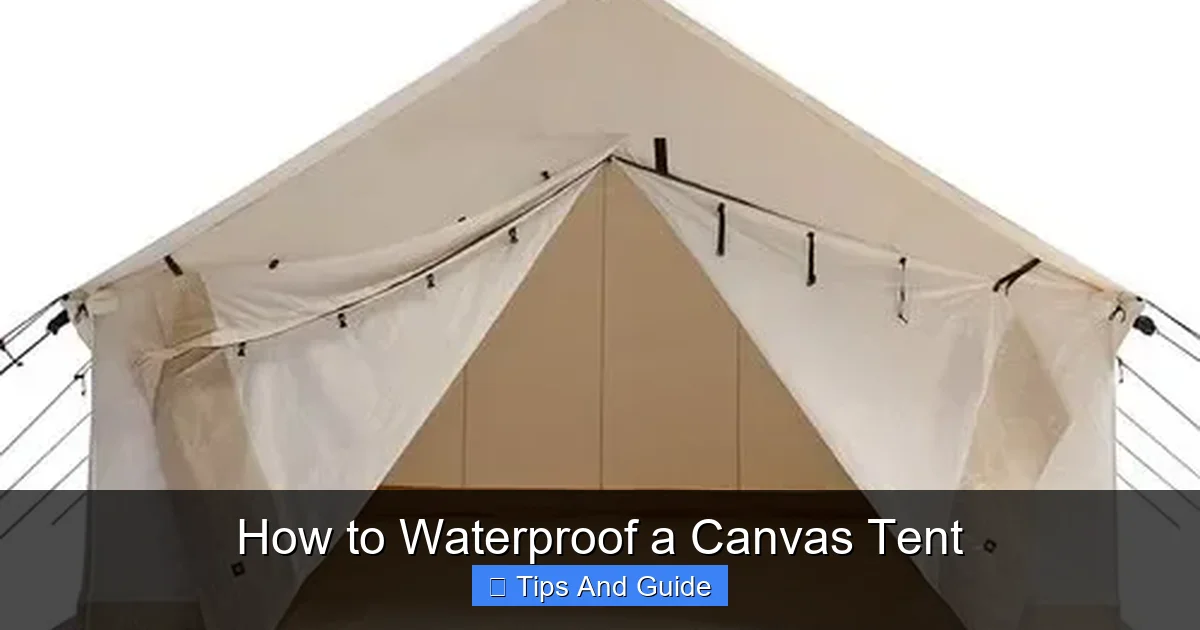
Learn how to waterproof your canvas tent to ensure dry and enjoyable camping trips. This guide covers everything from choosing the right waterproofing treatment to the step-by-step application process. By following these tips, you can significantly extend the life of your tent and maintain its performance in various weather conditions.
Are you ready for your next outdoor adventure, but a little worried about the weather? A canvas tent can be a fantastic shelter, offering durability and a classic camping feel. However, to truly enjoy your time under the stars, your tent needs to keep you dry. This is where waterproofing comes in. In this comprehensive guide, we’ll walk you through everything you need to know about how to waterproof a canvas tent, ensuring your shelter remains a dry and cozy haven no matter what the skies throw at you.
We’ll cover why waterproofing is essential, the different types of treatments available, and a detailed, step-by-step process for applying them. By the end, you’ll be confident in your ability to protect your investment and enhance your camping experience.
Key Takeaways
- Choose the Right Waterproofing Product: Select a treatment specifically designed for canvas and suitable for your tent’s intended use and material.
- Prepare Your Tent Thoroughly: A clean and dry tent is crucial for effective waterproofing. This involves washing, rinsing, and ensuring it’s completely dry before application.
- Apply Evenly and Generously: Proper application is key. Ensure complete coverage without any missed spots for maximum protection.
- Allow Adequate Drying Time: Patience is vital. Let the waterproofing treatment dry completely, often for 24-48 hours, to ensure it properly bonds with the canvas.
- Reapply Regularly: Waterproofing is not a one-time fix. Regular reapplication, typically every one to three years depending on usage and conditions, is necessary to maintain protection.
- Ventilate Properly: Even after waterproofing, good ventilation is essential to prevent condensation inside the tent.
Why Waterproof Your Canvas Tent?
Canvas tents are beloved for their strength and breathability. However, untreated canvas can absorb water, leading to a host of problems:
- Leaks: The most obvious issue is water seeping through the fabric, leaving you damp and uncomfortable.
- Mildew and Mold: Stored wet, canvas is highly susceptible to mildew and mold growth, which can damage the fabric and create unpleasant odors.
- Increased Weight: Waterlogged canvas becomes significantly heavier, making the tent harder to set up, pack, and transport.
- Reduced Lifespan: Constant exposure to moisture without proper protection can degrade the canvas fibers over time, shortening the tent’s overall lifespan.
Regular waterproofing acts as a barrier, repelling water and preventing these issues. It’s an essential maintenance task for any canvas tent owner.
Choosing the Right Waterproofing Treatment
Not all waterproofing treatments are created equal. The best choice for your canvas tent depends on its material, age, and how you use it.
Types of Waterproofing Treatments
There are several main categories of waterproofing treatments for canvas:

Visual guide about How to Waterproof a Canvas Tent
Image source: rusticaly.com
- Silicone-Based Sprays and Liquids: These create a flexible, breathable, and durable water-repellent finish. They are generally easy to apply and good for most types of canvas.
- Wax-Based Treatments: Often used for heavier-duty canvas or older tents, wax treatments provide robust waterproofing and can add a bit of stiffness to the fabric. They can be more labor-intensive to apply.
- PFC-Free Treatments: As environmental awareness grows, many manufacturers are offering PFC- (perfluorinated compound) free options. These are more eco-friendly alternatives that still offer excellent water repellency.
- Dedicated Canvas Waterproofing Products: Many brands specialize in products formulated specifically for canvas tents, often combining water repellency with UV protection and mildew resistance.
Factors to Consider When Choosing
- Tent Material: Ensure the product is compatible with your tent’s canvas type. Some treatments might be too harsh for certain blends.
- Intended Use: For heavy-duty camping in extreme conditions, you might need a more robust treatment. For occasional use, a standard spray might suffice.
- Ease of Application: Sprays are typically the easiest for DIY application, while liquids or waxes might require brushes or rollers.
- Environmental Impact: If you’re concerned about the environment, opt for PFC-free or natural-based treatments.
When in doubt, check your tent manufacturer’s recommendations or consult with outdoor gear specialists.
Step-by-Step Guide to Waterproofing Your Canvas Tent
This is where the magic happens! Follow these steps carefully to ensure your canvas tent is properly waterproofed.
Step 1: Inspect and Clean Your Tent
Before you can waterproof, you need a clean canvas. Any dirt, debris, or old treatments will prevent the new waterproofing from adhering properly.
H3: Remove Loose Debris
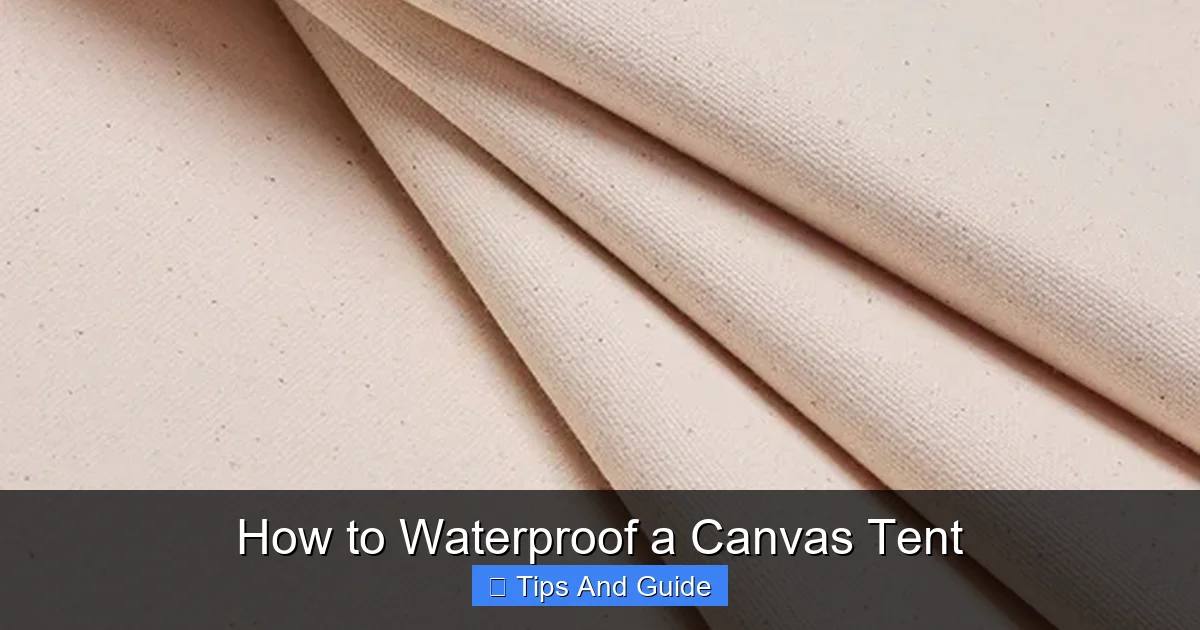
Set up your tent in a well-ventilated area, ideally outdoors. Use a soft brush or a vacuum cleaner with a brush attachment to remove all loose dirt, leaves, cobwebs, and any other debris from both the inside and outside of the tent.
Visual guide about How to Waterproof a Canvas Tent
Image source: rusticaly.com
Visual guide about How to Waterproof a Canvas Tent
Image source: cdn11.bigcommerce.com
H3: Wash the Canvas (If Necessary)
If the tent is particularly dirty, you may need to wash it. Use cool to lukewarm water and a mild, bleach-free soap specifically designed for outdoor gear or canvas. Avoid harsh detergents, as they can strip away natural oils and damage the fabric. Scrub gently with a soft brush or sponge.
H3: Rinse Thoroughly
This is a critical step. Rinse the tent multiple times with clean water until absolutely no soap residue remains. Soap residue can attract dirt and compromise the effectiveness of the waterproofing treatment.
H3: Check for Damage
While cleaning, inspect the tent for any rips, tears, or seam damage. Address these issues before waterproofing, as small problems can become big ones quickly. You can use seam sealer for stitching and patches for larger tears.
Step 2: Ensure the Tent is Completely Dry
Applying waterproofing to a damp tent is counterproductive. Moisture trapped beneath the treatment can lead to mildew and reduce the treatment’s effectiveness.
Hang the tent or drape it over multiple lines to allow for maximum airflow. Allow at least 24-48 hours of drying time in a dry, well-ventilated environment. Avoid direct, intense sunlight for prolonged periods, as this can also degrade canvas. Feel the fabric to ensure there are no damp spots, especially in seams and hems.
Step 3: Set Up for Application
Proper setup makes application much easier and ensures even coverage.
H3: Choose Your Location
Select a spacious, flat, and well-ventilated area. Outdoors is best, but avoid direct sunlight and windy conditions. A large driveway, a spacious backyard, or even a clean garage with the doors open can work.
H3: Set Up the Tent
Pitch your tent as you normally would. This allows the fabric to stretch taut, revealing all surfaces and making it easier to apply the waterproofing evenly.
H3: Gather Your Supplies
Have everything you need within reach:
- Your chosen waterproofing product (spray, liquid, or wax)
- Applicators (e.g., clean sponges, rollers, or brushes if not using a spray)
- Gloves to protect your hands
- A mask if working with strong-smelling or aerosol products
- Drop cloths or old sheets to protect the ground and surrounding areas
- Clean cloths for wiping away drips
Step 4: Apply the Waterproofing Treatment
This is the core of the process. Even application is key to effective waterproofing.
H3: Read Product Instructions
Always, always, always read and follow the specific instructions on your chosen waterproofing product. Different formulations have different application methods and drying times.
H3: Apply to the Exterior
Most waterproofing treatments are applied to the exterior of the tent. This is the side that will face the weather.
H3: Even Application Techniques
- For Sprays: Hold the can about 6-8 inches away from the fabric. Apply in long, overlapping strokes, ensuring an even mist covers the entire surface. Work systematically, section by section, to avoid missing any areas. Don’t oversaturate any one spot.
- For Liquids/Waxes: If using a liquid or wax treatment that requires brushing or rolling, apply it evenly with your chosen applicator. Work it into the fabric fibers to ensure good penetration. Again, work in sections and overlap your strokes.
H3: Pay Attention to Seams and Stress Points
Seams are often the first place to leak. Make sure you apply the waterproofing thoroughly along all stitched seams. Also, pay extra attention to areas that experience more stress, such as around zippers, guy-out points, and pole sleeves.
H3: Consider Both Sides (Optional but Recommended)
While the exterior is the primary focus, some people choose to apply a lighter coat to the interior as well, especially for older tents or if extreme conditions are expected. This can add an extra layer of protection. However, ensure this doesn’t compromise the tent’s breathability too much, which can lead to condensation. For most modern treatments, exterior application is sufficient.
H3: Wipe Away Drips and Runs
As you apply the treatment, promptly wipe away any noticeable drips or runs with a clean cloth. These can leave uneven patches or streaks.
Step 5: Allow for Proper Drying
This step requires patience, but it’s crucial for the waterproofing to bond effectively with the canvas.
Let the tent dry completely according to the manufacturer’s instructions. This can take anywhere from 24 to 72 hours, depending on the product and environmental conditions. Keep it in a well-ventilated area, out of direct sunlight and rain. Ensure the fabric is completely dry and no longer feels tacky or damp before you pack it away.
Step 6: Test and Reapply as Needed
Once dry, it’s a good idea to test your work.
H3: The Water Test
After the tent is fully dry, take a hose and lightly spray the tent with water. Watch for any beading or sheeting off. If water starts to soak into the fabric, you may have missed a spot or the treatment may not have bonded perfectly. Reapply to those areas.
H3: Regular Reapplication
The effectiveness of waterproofing treatments diminishes over time due to UV exposure, abrasion, and washing. Reapply the treatment every one to three years, or more often if you notice water no longer beads up on the surface. Regular maintenance is key to keeping your canvas tent in top condition.
Tips for Maintaining Your Waterproofed Tent
Keeping your tent waterproofed involves more than just applying a treatment.
- Ventilation is Key: Even with waterproofing, canvas can “breathe” to some extent. Good ventilation helps prevent condensation buildup inside the tent, which can still lead to dampness and mildew. Open vents when possible, especially in humid conditions.
- Proper Storage: Always store your tent completely dry in a cool, dry place. Avoid storing it in damp basements or garages.
- Gentle Cleaning: When cleaning, use mild soaps and avoid abrasive brushes. Never machine wash or dry your canvas tent.
- Repair Seams: Regularly inspect and re-seal seams as needed. Seam sealants are available and easy to apply.
- Consider a Ground Tarp: While not directly waterproofing the tent, a good ground tarp (like a camping mat for your tent) can prevent moisture from seeping up from the ground, adding another layer of dryness.
Troubleshooting Common Waterproofing Issues
Problem: Water is still soaking through after treatment.
Solution: You may have missed a spot during application, or the treatment wasn’t fully cured. Reapply the treatment to the affected areas, ensuring complete and even coverage. Ensure you followed all drying instructions.
Problem: The canvas feels stiff or less breathable.
Solution: Some heavier-duty treatments, particularly wax-based ones, can affect the fabric’s feel. Ensure you used the correct product for your tent type and followed dilution instructions if applicable. Gentle use and time may help it soften.
Problem: Mildew or mold develops despite waterproofing.
Solution: Waterproofing repels external water, but internal condensation can still cause mildew. Ensure adequate ventilation. If mildew appears, clean the affected area with a specialized canvas cleaner and reapply waterproofing to that spot if needed.
Conclusion
Waterproofing your canvas tent is a vital part of its care and ensures you stay dry and comfortable on all your camping excursions. By understanding the importance of a clean, dry tent, choosing the right products, and meticulously following the application steps, you can significantly enhance your tent’s performance and longevity. Remember that regular maintenance and reapplication are key to sustained protection. So, gather your supplies, follow this guide, and get ready to enjoy many more dry and memorable adventures under your expertly waterproofed canvas tent! This process not only protects your gear but also promises a more pleasant and worry-free camping experience, especially when you’re looking for a pop-up tent for rain or any kind of weather.
