PCT Pro Picks: 1 Expert-Chosen Best Tent
Hitting the Pacific Crest Trail (PCT) is an epic adventure, and having the right gear can make all the difference. When it comes to shelter, your tent is your sanctuary against the elements. You need something lightweight enough to carry for miles but durable enough to withstand varying weather conditions, from scorching sun to sudden downpours. We’ve scoured the market to find the best tents that hikers trust for their PCT journeys, focusing on durability, weight, ease of setup, and overall comfort. Let’s dive into our top picks!
Quick Product Comparison
| Product | Image | Check Price |
|---|---|---|
| 1. EVER ADVANCED Blackout Cabin Tent | 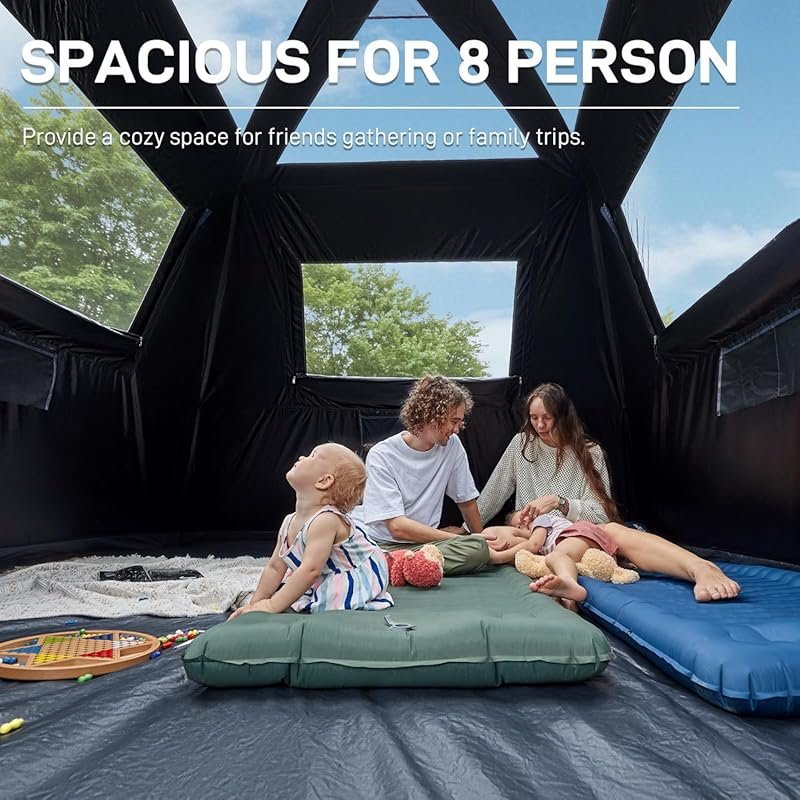 |
Check Price |
Our Top 1 Best Tent For Pct Reviews – Expert Tested & Recommended
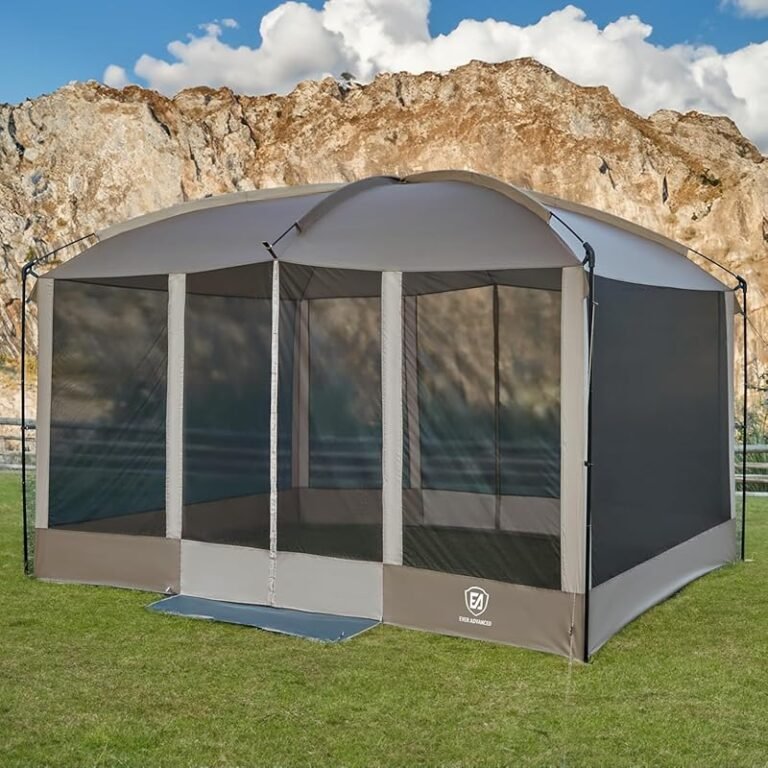
1. EVER ADVANCED Blackout Cabin Tent
Rating: ★★★★☆ 4.2/5
The EVER ADVANCED Blackout Cabin Tent is a robust and feature-rich option designed for comfort and convenience. It boasts a spacious interior and blackout technology to ensure restful sleep, even in bright daylight. This tent is a great choice for those who prioritize a dark sleeping environment and a comfortable camping experience.
Key Features That Stand Out
- ✓ Blackout Design: Significantly reduces light for better sleep.
- ✓ Spacious Interior: Comfortably fits up to 8 people with ample headroom.
- ✓ Multi-Room Capability: Dividable space for enhanced privacy.
- ✓ Durable Construction: Built for reliability and longevity.
Why We Recommend It
We recommend the EVER ADVANCED Blackout Cabin Tent because it excels in providing a dark and quiet sleeping environment, which is crucial for recovery after a long day on the trail. Its generous space and thoughtful features make it a comfortable home away from home.
Best For
This tent is ideal for backpackers who value sleep quality above all else and for group camping trips where privacy is a consideration.
Pros and Cons
Pros:
- Excellent light-blocking capabilities for uninterrupted sleep.
- Generous space allows for comfortable movement and gear storage.
- Versatile multi-room setup enhances privacy for different occupants.
- Sturdy build quality suggests good durability for multiple trips.
Cons:
- While spacious, it might be on the heavier side for ultralight backpackers.
- Setup can be a bit more involved for a single person.
Customer Reviews
Customer Review: “Nice tent, but we were looking something that would be easier to put up for someone who is in a wheelchair. This tent is not easy to be put up by someone that cannot walk.”
Customer Review: “WOW….What a spacious tent that unpacks, sets up, tears down, and packs very easily. I tried to complete the setup on my own, but I ran into some problems with the rain cover. It is much easier with a partner. Tear down is much easier with a partner, too. Especially when it comes to the final steps.”
Complete Buying Guide for Best Tent for PCT
Essential Factors We Consider
When choosing a tent for the PCT, several critical factors come into play. Weight is paramount; every ounce counts when you’re carrying your home on your back for hundreds of miles. We look for tents that offer a good balance of durability and low weight, often achieved with advanced materials like ripstop nylon or Dyneema Composite Fabric. Durability is also non-negotiable; the tent needs to withstand constant setup and takedown, exposure to UV rays, and potential wind and rain. Ease of setup and takedown is another crucial element, especially after a long day of hiking or when facing challenging weather. A tent that can be pitched quickly and efficiently saves precious time and energy. Finally, weather resistance, including waterproofness and wind stability, ensures you stay dry and protected from the elements, making your PCT experience more enjoyable.
Budget Planning
The cost of a high-quality PCT tent can range significantly. While ultralight and premium materials often come with a higher price tag, investing in a reliable tent is crucial for safety and comfort on a long-distance trail. Consider your budget and prioritize features that are most important to you. Sometimes, a slightly heavier but more affordable option might suffice if you’re on a tighter budget, but always ensure it meets the minimum standards for durability and weather protection. Keep an eye out for sales or consider slightly older models that still offer excellent performance.
Final Thoughts
Selecting the best tent for PCT involves a careful assessment of your personal needs and the demands of the trail. While the EVER ADVANCED Blackout Cabin Tent is a fantastic choice for its comfort and blackout features, remember to weigh its benefits against your specific backpacking style and weight considerations. For long-distance hikers, every gear decision, especially for shelter, needs to be deliberate. Don’t forget to consider other essential gear that enhances your camping comfort, such as a camping mattress for a good night’s sleep and camping lights to illuminate your campsite after dark.
Frequently Asked Questions
Q: What is the average weight of a PCT-friendly tent?
A: PCT-friendly tents typically aim to be under 3 pounds, with many ultralight options falling between 1.5 to 2.5 pounds. The focus is on minimizing weight for long-distance carrying.
Q: How important is waterproofing for a PCT tent?
A: Waterproofing is extremely important. The PCT traverses diverse climates, and you’ll likely encounter rain. A tent with a high waterproof rating (measured in mm) and taped seams is essential to stay dry and comfortable.
Q: Should I choose a single-wall or double-wall tent for the PCT?
A: Double-wall tents offer better ventilation and reduce condensation, which is a common issue in humid environments. Single-wall tents are often lighter but can be more prone to condensation. For the PCT, many hikers prefer double-wall tents for their comfort, though some ultralight enthusiasts opt for single-wall designs.
Q: Do I need a tent footprint for the PCT?
A: A tent footprint (or ground cloth) protects your tent floor from abrasion and moisture, extending its lifespan. While it adds a little weight, many hikers find it a worthwhile investment for protecting their gear, especially on rocky or abrasive terrain. Some tents can be pitched without the inner tent, using just the fly and footprint, saving weight.
Q: How do I maintain my tent for a long trek like the PCT?
A: Regular maintenance is key. Always dry your tent thoroughly before storing it, clean off dirt and debris after each use, and inspect for any rips or tears that need patching. Properly caring for your tent will ensure it lasts throughout your entire journey.
Choosing the right tent is a foundational step in preparing for your Pacific Crest Trail adventure. While we’ve highlighted the EVER ADVANCED Blackout Cabin Tent as our top pick for its comfort and light-blocking capabilities, remember that the “best” tent is ultimately the one that best suits your individual needs, budget, and hiking style. Take the time to research, consider your priorities, and invest in a shelter that will be your reliable companion through thousands of miles of breathtaking scenery. Happy trails!