How to Wash Camping Tent
Keeping your camping tent clean is essential for its lifespan and your comfort. This comprehensive guide provides step-by-step instructions on how to wash your camping tent, from initial preparation to proper drying and storage. Following these steps will help preserve your tent’s waterproof capabilities and prevent mildew, ensuring it’s ready for your next adventure.
Your camping tent is your home away from home when you’re exploring the great outdoors. It shelters you from the elements and provides a comfortable space to rest. Just like any piece of gear, your tent needs care and maintenance to perform its best and last for years to come. One of the most important aspects of tent care is knowing how to wash it properly.
Over time, your tent can accumulate dirt, grime, mildew, and even unwelcome guests like bugs. Washing your camping tent isn’t just about making it look good; it’s about preserving its waterproof features, preventing damage, and ensuring a healthy environment for your future camping trips. This guide will walk you through everything you need to know to effectively wash your camping tent.
Key Takeaways
- Prepare Your Tent for Washing: Before you begin washing, empty the tent completely. Remove all dirt, debris, and stakes. Check all seams and zippers for damage.
- Choose the Right Cleaning Method: Gentle washing is key. Use a mild soap or a specialized tent cleaner. Avoid harsh chemicals or abrasive materials that can damage the fabric.
- Washing Process: Whether by hand in a bathtub or using a large-capacity washing machine, ensure gentle agitation and thorough rinsing. Agitate gently to avoid stressing the seams and fabric.
- Drying is Crucial: Always air dry your tent completely. Never use a machine dryer, as the heat can damage waterproof coatings. Ensure no moisture remains to prevent mold and mildew.
- Waterproofing and Storage: After cleaning and drying, reapply a waterproofing treatment if necessary. Store the tent loosely in a cool, dry place to maintain its condition.
Why Washing Your Camping Tent Matters
You might be wondering why you can’t just leave your tent as is. Here’s why a good cleaning is crucial:
- Extends Lifespan: Dirt and debris can act like sandpaper, slowly wearing down the tent fabric over time. Regular cleaning removes these abrasive particles.
- Maintains Waterproofing: Soil, sunscreen, bug spray, and other residues can degrade the tent’s waterproof coatings. Cleaning helps to remove these substances.
- Prevents Mildew and Mold: Even a small amount of moisture left in the tent can lead to the growth of mold and mildew, which are not only unsightly but also damaging to the fabric and can cause unpleasant odors.
- Ensures a Healthy Environment: A clean tent is a more pleasant and hygienic place to sleep. Removing dirt and potential allergens contributes to a healthier camping experience.
- Improves Performance: A clean tent, especially its zippers and poles, functions more smoothly and effectively.
Step-by-Step Guide to Washing Your Camping Tent
Washing a tent can seem like a big task, but by breaking it down into manageable steps, it becomes much easier.
Step 1: Empty and Inspect Your Tent
Before you even think about water, you need to get your tent ready.
H3: Remove All Contents
Take everything out of your tent. This includes sleeping bags, pads, clothes, cooking gear, and any trash. Don’t forget to check all the pockets and corners.
H3: Shake Out Loose Debris
Once empty, lay your tent out on a clean surface. Give it a good shake to get rid of any loose dirt, leaves, sand, or other debris. Pay attention to the floor of the tent, as this is where most dirt accumulates.
H3: Inspect for Damage
While the tent is laid out, take this opportunity to inspect it thoroughly. Look for any tears, holes, or loose seams. Check the zippers to ensure they are functioning correctly and not snagging. Make note of any repairs you might need to make before or after washing.
Step 2: Choose Your Washing Method
There are a couple of primary ways to wash your tent, depending on its size and your resources.
H3: Hand Washing (Recommended for Most Tents)
This is the gentlest and most recommended method for most camping tents.
H3: Using a Bathtub
If you have a bathtub that you can use, this is an ideal spot for hand washing. Ensure the tub is clean before you start.
H3: Using a Large Bucket or Container
For smaller tents or if a bathtub isn’t available, a large bucket or a clean plastic storage bin can work. You’ll need to fill it with enough water to submerge at least a portion of the tent at a time.
H3: Machine Washing (Use with Extreme Caution)
Some manufacturers allow machine washing for their tents, but it’s crucial to check your tent’s care label first. If you do machine wash, follow these guidelines strictly:
- Use a large-capacity, front-loading washing machine. Top-loading machines with agitators can be too rough and damage the tent fabric or seams.
- Wash on a gentle or delicate cycle.
- Use cold or cool water.
- Do not use fabric softener or bleach.
Machine washing is generally not recommended for delicate or highly specialized tents.
Step 3: Prepare the Cleaning Solution
The type of cleaner you use is critical for preserving your tent’s fabric and coatings.
H3: Mild Soap or Detergent
A small amount of mild dish soap (like Dawn) or a gentle laundry detergent designed for outdoor gear is usually sufficient. Avoid detergents with harsh chemicals, bleach, or fabric softeners, as these can strip away waterproof coatings.
H3: Specialized Tent Cleaners
There are many excellent tent cleaners available on the market that are specifically formulated to clean camping tents without damaging them. These are often the safest bet if you’re unsure.
Step 4: The Washing Process
Now it’s time to get your tent clean.
H3: Hand Washing in a Bathtub or Large Container
Fill your bathtub or container with enough cool or lukewarm water to comfortably work with. Add a small amount of your chosen mild soap or tent cleaner. Swish it around to create suds.
Visual guide about How to Wash Camping Tent
Image source: png.pngtree.com
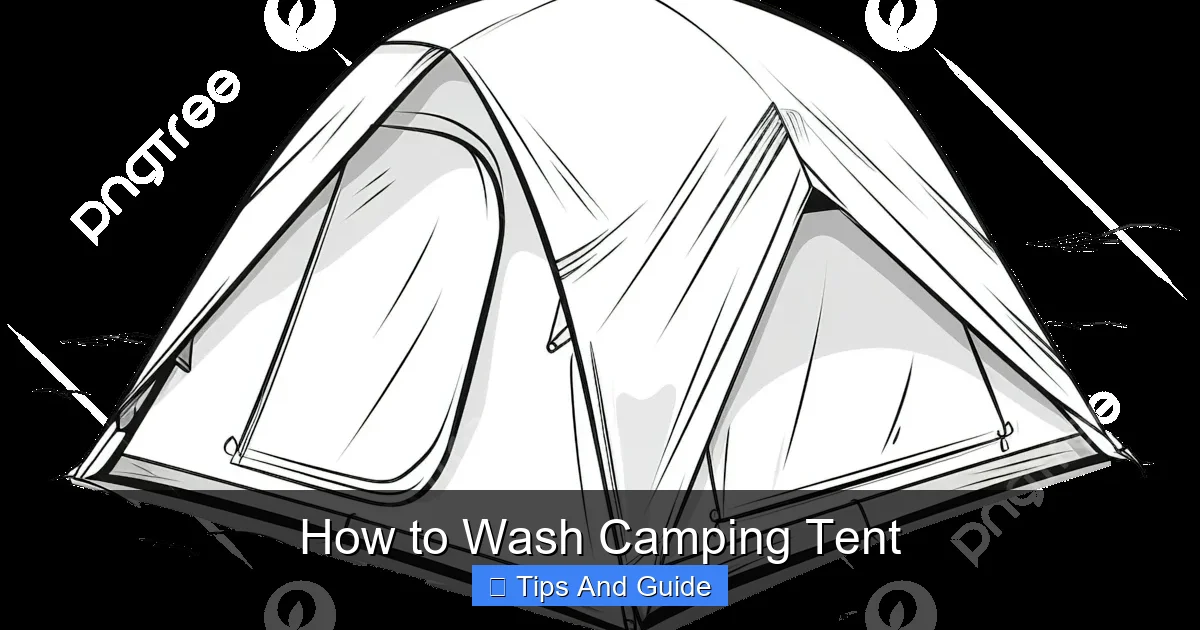
Visual guide about How to Wash Camping Tent
Image source: png.pngtree.com
Visual guide about How to Wash Camping Tent
Image source: m.media-amazon.com
Submerge sections of your tent into the soapy water. Gently scrub the fabric with a soft brush or a sponge. Focus on areas that are particularly dirty, like the floor or areas where you might have spilled food. Be gentle and avoid aggressive scrubbing, which can damage the fabric.
Pay special attention to the mesh windows and doors. You can use a soft-bristled toothbrush to gently clean these areas.
H3: Rinsing Thoroughly
This is a critical step. You need to remove all traces of soap.
H3: Draining and Refilling (Bathtub)
Drain the soapy water from the bathtub. Refill it with clean, cool water. Gently press and swish the tent around to rinse out the soap. Repeat this draining and refilling process several times until no suds remain.
H3: Rinsing with a Hose (Outdoor)
If you’re washing outside, you can use a hose with a gentle spray to rinse the tent. Ensure you rinse from all angles to remove all soap residue.
H3: Machine Washing (If Applicable)
If you’ve opted for machine washing, add your mild detergent according to the product instructions. Select the gentle cycle and cold water setting. Ensure you include an extra rinse cycle to remove all detergent.
Step 5: Drying Your Tent
Proper drying is just as important as washing. Improper drying can lead to mildew and damage.
H3: Air Dry Only
Never put your tent in a clothes dryer. The heat from a dryer can melt coatings, damage seams, and ruin the waterproof properties of your tent.
H3: Hang or Lay Flat
Find a clean, dry, and well-ventilated area to dry your tent.
- Hang it up: If possible, hang your tent from a clothesline or a sturdy railing. Ensure it’s not exposed to direct, intense sunlight for prolonged periods, as this can also degrade the fabric over time.
- Lay it flat: If hanging isn’t an option, lay the tent flat on a clean surface, like a tarp or a clean patch of grass.
H3: Ensure Complete Dryness
This is where patience is key. Your tent needs to be completely dry before you pack it away. Even a little residual moisture can lead to mold and mildew growth.
- Rotate and Flip: Periodically flip and rotate your tent to ensure all sides and all parts of the fabric dry evenly.
- Check Seams and Pockets: Pay extra attention to seams, corners, and pockets where moisture can linger.
- Ventilation: Ensure good air circulation around the tent. Open doors and windows if possible.
Drying can take anywhere from several hours to a full day or more, depending on humidity and temperature.
Step 6: Reapply Waterproofing (Optional but Recommended)
Over time, the DWR (Durable Water Repellent) coating on your tent can wear off. Washing can sometimes help to reactivate it, but applying a new coat is often beneficial.
H3: Check Water Repellency
After your tent is dry, sprinkle some water on it. If the water beads up and rolls off, your DWR is still good. If the water soaks into the fabric, it’s time to reapply.
H3: Use a Tent Waterproofing Spray or Sealer
There are many excellent waterproofing products available specifically for tents and outdoor gear. Follow the product’s instructions carefully for application. Typically, you’ll spray it onto the clean, dry tent fabric and allow it to cure.
Step 7: Proper Storage
How you store your tent can significantly impact its longevity.
H3: Store Loosely
Never store your tent crammed into its stuff sack for extended periods. This can create permanent creases and stress the fabric. Instead, fold or loosely roll it and store it in its original storage bag or a larger breathable sack.
H3: Choose a Cool, Dry Place
Store your tent in a cool, dry environment, away from direct sunlight, heat sources, and pests. A basement, closet, or attic (if it doesn’t get too hot) can be good options.
H3: Keep Poles Separate (Optional)
Some people prefer to store tent poles separately from the tent fabric to prevent any potential scratching or damage.
Troubleshooting Common Tent Washing Issues
Even with the best intentions, you might encounter a few hiccups.
H3: Stubborn Stains
For tough stains like grease or sap, you might need a specialized stain remover for outdoor fabrics. Test it on an inconspicuous area first. You can also try making a paste of baking soda and water and gently working it into the stain.
H3: Mildew Odor
If your tent has a lingering mildew smell, try washing it with a solution of equal parts white vinegar and water. Vinegar is a natural disinfectant and deodorizer. Ensure you rinse thoroughly afterward. You can also leave the tent to air out in the sun for a day (but be mindful of UV damage).
H3: Zippers are Stiff or Sticking
Clean the zippers with a soft brush and mild soap. Once dry, lubricate them with a silicone-based zipper lubricant or a specialized zipper treatment. Avoid using petroleum-based lubricants, as they can attract dirt.
Conclusion
Washing your camping tent might seem like an extra chore, but it’s an investment in its future. By following these steps, you’re ensuring your tent remains waterproof, durable, and a comfortable sanctuary on all your adventures. A well-maintained tent means more enjoyable camping trips and a reliable shelter for years to come. So, next time you pack away your tent, remember to give it a good clean – your future self will thank you!