How to Tent Camp Without Electricity
Ready to embrace the wild without the hum of electricity? This guide shows you how to tent camp off-grid. We cover everything from essential gear like efficient lighting and reliable cooking methods to staying comfortable and safe when power outlets are miles away. Learn to plan, pack smart, and enjoy a truly immersive outdoor experience.
How to Tent Camp Without Electricity
Tent camping is an incredible way to disconnect from the hustle and bustle of modern life and reconnect with nature. But what happens when your campsite doesn’t have electricity? Don’t worry! Going “off-grid” for your camping trip is not only possible but can be incredibly rewarding. This guide will walk you through everything you need to know to tent camp without electricity, ensuring a comfortable, safe, and memorable adventure.
We’ll cover essential gear, planning strategies, cooking techniques, and how to stay comfortable and illuminated without plugging in. Get ready to embrace the freedom of the outdoors!
Key Takeaways
- Embrace Simplicity and Self-Sufficiency: Camping without electricity means relying on manual methods for light, cooking, and comfort, fostering a deeper connection with nature.
- Prioritize Essential Gear: Invest in battery-powered lights, portable stoves, water filters, and comfortable sleeping solutions to ensure a functional and enjoyable trip.
- Master Off-Grid Cooking: Learn to prepare delicious meals using camp stoves, Dutch ovens, or even campfire cooking techniques.
- Smart Lighting Solutions: Rely on LED lanterns, headlamps, and solar-powered lights to illuminate your campsite after dark.
- Comfort is Key: Proper insulation, a good sleeping pad or mattress, and appropriate clothing are crucial for staying warm and dry.
- Safety First: Always have a first-aid kit, navigation tools, and know how to handle unexpected weather.
Planning Your Electricity-Free Camping Trip
The key to successful electricity-free tent camping lies in thoughtful planning. Before you even pack your bags, consider these crucial aspects.
Choosing the Right Location
The location you choose will significantly impact your experience. Some campgrounds offer designated “primitive” sites with no hookups, which is perfect for this type of camping. Backcountry camping inherently means no electricity. Research campgrounds and their amenities to ensure they fit your needs. If you’re new to this, starting with a campground that has some basic facilities (like potable water sources and restrooms) can be a good idea. You might also want to consider proximity to hiking trails or other natural attractions. For some great options, check out our guide to best campgrounds for tent camping.
Weather Preparedness
Electricity provides climate control. Without it, you’re at the mercy of the elements. Check the weather forecast thoroughly before your trip and pack accordingly. This means layers of clothing, rain gear, and potentially extra blankets if cold weather is expected. Understanding how to stay warm or cool without electricity is a vital skill.
Duration of Your Trip
The longer your trip, the more supplies you’ll need to carry, especially for power-independent items like batteries for your lights or fuel for your stove. For shorter trips, you can get away with fewer, more concentrated supplies.
Essential Gear for Electricity-Free Camping
Visual guide about How to Tent Camp Without Electricity
Image source: thecampdiary.com
Your gear list will be slightly different when you’re not relying on a power outlet. Focus on items that are self-sufficient or rechargeable via portable means.
The Tent
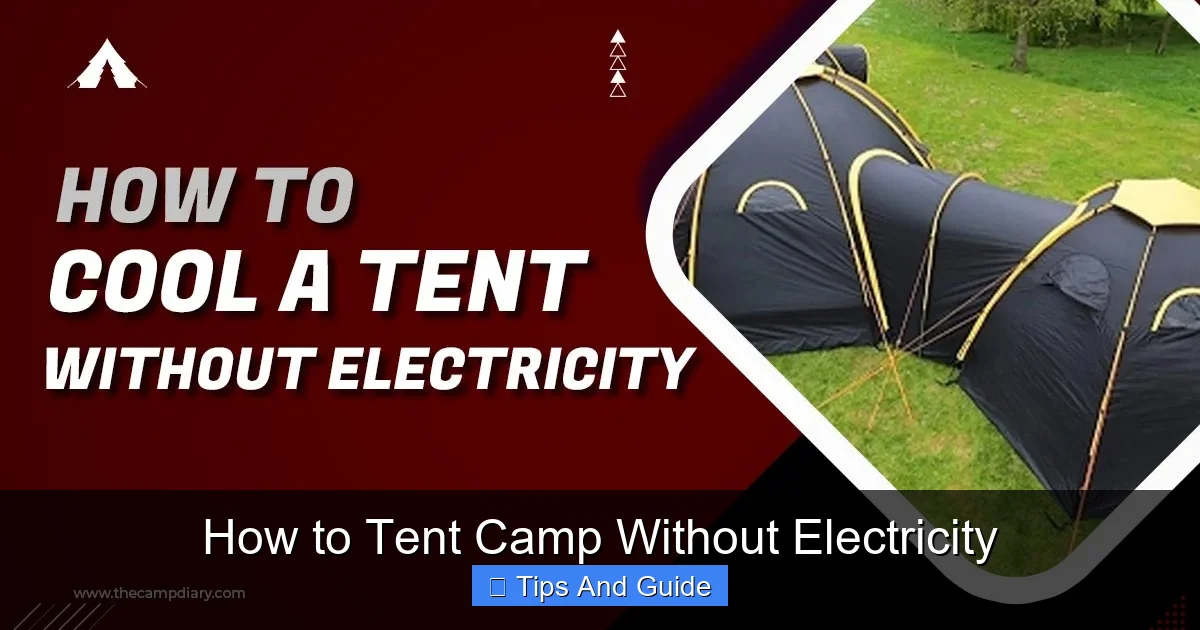
The foundation of your campsite is your tent. You’ll want a reliable, waterproof tent that can withstand the elements. Consider the size based on how many people will be sleeping in it, and think about ventilation. If you’re looking for recommendations, our guide to the best camp tent can help you find a great option. For specific needs, like ease of setup, you might also want to explore best pop up tent reviews.
Sleeping System
Comfortable sleep is non-negotiable. Without electric heaters, you’ll rely on your sleeping bag and sleeping pad.
* Sleeping Bag: Choose a sleeping bag with a temperature rating appropriate for the expected nighttime lows. It’s always better to be slightly too warm and be able to vent, than too cold.
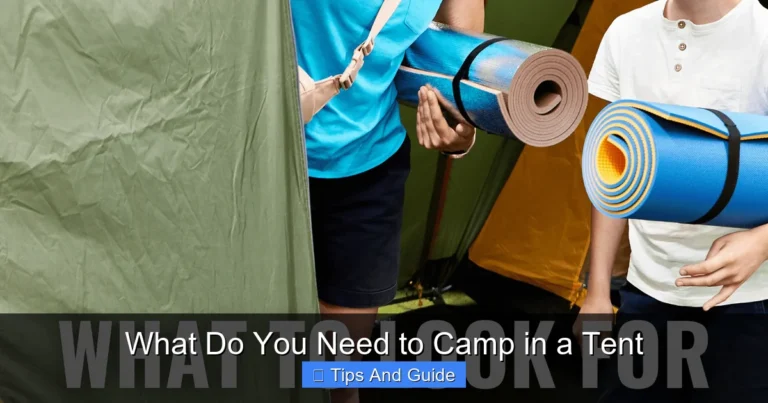
* Sleeping Pad/Mattress: This is crucial for insulation from the cold ground and for comfort. Options include closed-cell foam pads, self-inflating pads, and air mattresses. A good camping mattress for tent can make a huge difference. For more rugged adventures, a camping mat for tent might be more suitable. If you prefer to be off the ground, a camping cot for tent can be a great alternative.
Lighting
This is where electricity usually comes in handy. Fortunately, there are excellent battery-powered and rechargeable options.
* Headlamps: A headlamp is indispensable for hands-free light, whether you’re setting up camp, cooking, or navigating in the dark. Make sure to pack extra batteries or a way to recharge.
* LED Lanterns: These provide ambient light for your tent or campsite. Many are battery-powered, and some are even solar-rechargeable. Look for models with adjustable brightness settings. Our guide to the best camping lights for tent has excellent suggestions.
* Solar-Powered Lights: These are a fantastic sustainable option. They charge during the day and provide light at night. Consider string lights for ambiance or small garden-style lights for pathways.
* Backup: Always bring a backup light source, like a small flashlight with fresh batteries, just in case.
Cooking and Food Preparation
Cooking without electricity requires different tools.
* Portable Camp Stove: A propane or butane stove is the easiest way to cook meals. Make sure you have enough fuel canisters for the duration of your trip.
* Fuel: Pack more fuel than you think you’ll need. Running out of fuel can be a major inconvenience.
* Cookware and Utensils: Bring a pot, pan, plates, bowls, cutlery, and any other cooking tools you might need.
* Cooler and Ice: For perishable food, a good cooler packed with ice or ice packs is essential. Consider freeze-dried meals or non-perishable items to simplify food storage.
* Water Filter or Purification Tablets: If you’re not camping at a site with potable water, you’ll need a way to make natural water sources safe to drink. A water filter is a reliable option.
Powering Your Devices (Optional but Recommended)
While you’re camping without electricity, you might still want to charge essential devices like your phone or a camera.
* Portable Power Banks: A high-capacity power bank can store a significant charge and recharge your devices multiple times.
* Solar Chargers: These can be slow but are a sustainable option for topping up devices during daylight hours.
Other Essentials
* First-Aid Kit: Always have a well-stocked first-aid kit.
* Navigation Tools: A map, compass, or GPS device is crucial, especially if you plan on hiking.
* Multi-tool or Knife: Incredibly useful for countless tasks.
* Trash Bags: Pack it in, pack it out. Leave no trace.
* Toiletries: Biodegradable soap, toothbrush, toothpaste, etc. Consider a camp shower tent if you want privacy for washing.
Setting Up Your Electricity-Free Campsite
Visual guide about How to Tent Camp Without Electricity
Image source: campingthecamp.com
Once you arrive, setting up camp is your first priority.
Choosing Your Tent Site
Select a flat, well-drained spot for your tent. Avoid setting up in a ditch or under dead branches. Ensure you have some protection from the wind if possible.
Pitching Your Tent
Follow the manufacturer’s instructions for pitching your tent. Make sure it’s securely staked down, especially if wind is a possibility.
Organizing Your Gear
Once the tent is up, organize your gear logically. Keep your sleeping area clear, your cooking area accessible, and your essentials within easy reach.
Cooking and Eating Without Electricity
Visual guide about How to Tent Camp Without Electricity
Image source: beingnomadic.com
This is one of the most enjoyable aspects of electricity-free camping.
Camp Stove Cooking
Your portable camp stove is your kitchen.
* Pre-trip Practice: If you’re new to using a camp stove, practice setting it up and cooking a simple meal at home.
* Meal Planning: Plan simple, one-pot meals. Think pasta, stews, or foil packet meals.
* Cleanup: Wash dishes away from water sources using biodegradable soap.
Campfire Cooking (Where Permitted)
If you have a designated fire pit and fires are allowed, campfire cooking adds a rustic charm.
* Safety First: Ensure the fire is completely extinguished before leaving it unattended or going to bed.
* Dutch Ovens: These cast-iron pots are versatile for baking, roasting, and stewing over coals.
* Foil Packet Meals: Wrap ingredients in heavy-duty foil and place them directly in the embers.
Food Storage
Proper food storage is crucial to keep wildlife away.
* Bear Canisters: If you’re in bear country, use a bear canister or hang your food bag properly from a tree.
* Sealed Containers: Use airtight containers to prevent odors from attracting animals.
Staying Comfortable and Warm
Without electric heaters, you need to be smart about managing your body temperature.
Layering Clothing
This is the golden rule of staying comfortable outdoors. Wear layers made of moisture-wicking materials (like synthetics or wool) that you can add or remove as your activity level and the temperature change. Cotton is generally a poor choice for base layers as it holds moisture.
Warming Up Your Tent
* Hot Water Bottle: Fill a sturdy water bottle with hot water (not boiling) and place it in your sleeping bag before you get in.
* Exercise: Do some light exercises like jumping jacks or stretching before bed to get your blood flowing and generate body heat.
* Ventilation: Even when it’s cold, a small amount of ventilation is important to prevent condensation buildup inside your tent.
Staying Dry
Damp clothing and sleeping bags will make you cold.
* Rain Gear: Always have waterproof outer layers.
* Tent Care: Ensure your tent’s rainfly is properly set up and any vents are adjusted for the weather.
* Drying Clothes: If your clothes get wet, try to dry them by the campfire (carefully) or hang them inside your tent during the day if the sun is out.
Staying Safe Without Electricity
Safety is paramount when you’re relying on yourself.
Navigation
Always know where you are and how to get back. Carry a map and compass and know how to use them. A GPS device or smartphone with downloaded offline maps is a good backup, but don’t rely solely on electronics.
First Aid
Be prepared for minor injuries. Your first-aid kit should include bandages, antiseptic wipes, pain relievers, blister treatment, and any personal medications. Knowing basic first aid is also beneficial.
Wildlife Awareness
Research the wildlife in the area you’re visiting. Learn how to store food properly to avoid attracting animals and what to do if you encounter any.
Emergency Communication
If you have cell service, your phone is your lifeline. However, many remote areas have no service. Consider a satellite messenger or personal locator beacon (PLB) for true wilderness adventures.
Troubleshooting Common Issues
* **Dampness/Condensation:** Open tent vents to allow airflow. Wipe down the inside of the tent with a cloth.
* **Cold Nights:** Add more layers to your sleeping system. Use the hot water bottle trick. Eat a warm meal before bed.
* **Running Out of Fuel:** Plan meals carefully. Consider bringing non-cook options like sandwiches and trail mix as a backup.
* **No Light:** Use your backup flashlight. Conserve battery power on your remaining lights.
Conclusion
Tent camping without electricity is an adventure that offers a unique and immersive experience in the natural world. By planning carefully, packing the right gear, and employing smart strategies for cooking, lighting, and staying comfortable, you can have an incredibly fulfilling trip. It’s about embracing simplicity and rediscovering your self-reliance. So, gather your supplies, head out into the wilderness, and enjoy the peace and quiet that only an electricity-free camping trip can provide! Happy camping!