How to Tent Camp in Winter
Embrace the magic of winter camping by tenting! This guide covers everything you need for a comfortable and safe experience. Learn about selecting the right gear, including a robust tent and warm sleeping system, and master essential techniques for site selection, setup, and staying warm. From layering clothing to managing condensation, we’ll help you conquer the cold and enjoy the tranquility of a winter wonderland.
How to Tent Camp in Winter
Winter tent camping offers a unique and breathtaking experience. The snow-covered landscapes, the quiet serenity, and the starry nights are unlike anything you’ll find in other seasons. However, winter camping demands more preparation and specific gear than its warmer counterparts. But don’t let the cold deter you! With the right knowledge and equipment, you can enjoy a safe and comfortable winter adventure. This comprehensive guide will walk you through everything you need to know to tent camp successfully in the winter.
Key Takeaways
- Choosing the Right Tent: Opt for a four-season tent designed to withstand snow load and strong winds, with good ventilation to manage condensation.
- Warmth is Paramount: Invest in a high-quality, sub-zero rated sleeping bag and an insulated sleeping pad to prevent heat loss to the frozen ground.
- Layering Your Clothing: Employ the three-layer system (base, mid, and outer) using moisture-wicking, insulating, and waterproof/windproof materials to stay dry and warm.
- Site Selection and Setup: Choose a sheltered spot, consider snow depth, and use techniques to create a windbreak and insulate your tent floor.
- Staying Warm Inside: Utilize a reliable camp heater (with proper ventilation), wear warm sleepwear, and consider hot water bottles for extra warmth.
- Managing Condensation: Proper ventilation is crucial to prevent moisture buildup, which can lead to a cold and damp interior.
- Safety First: Be prepared for emergencies with a first-aid kit, navigation tools, and knowledge of winter survival basics.
Why Tent Camp in Winter?
Before we dive into the how-to, let’s touch on the “why.” Winter camping provides an escape from the crowds, allowing you to experience nature in its most pristine and peaceful state. The crisp air invigorates, and the silence is profound. You’ll witness a different side of familiar landscapes, blanketed in snow and ice, offering stunning photographic opportunities and a true sense of solitude. It’s a chance to challenge yourself and discover a new level of self-reliance.
Choosing the Right Winter Tent
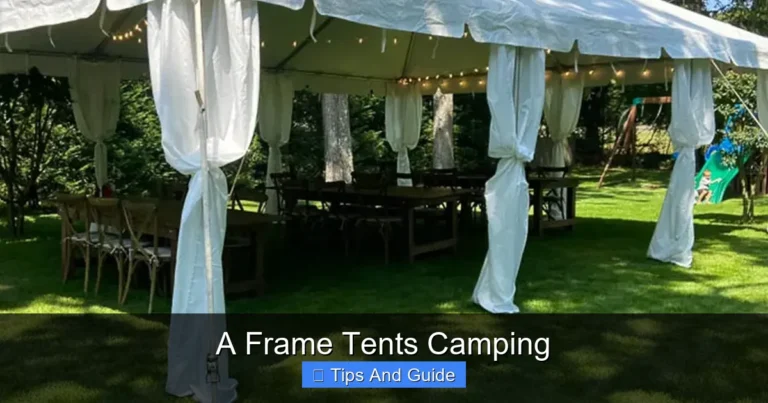
Visual guide about How to Tent Camp in Winter
Image source: i.pinimg.com
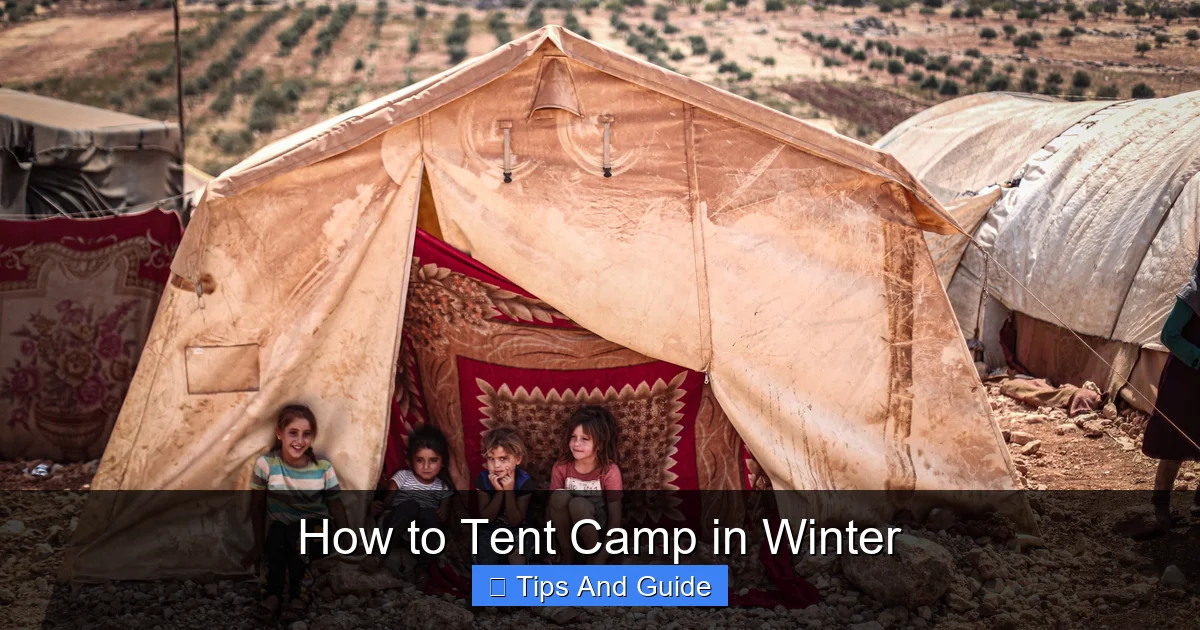
Your tent is your sanctuary in the winter. It needs to be robust, warm, and well-ventilated. Not all tents are created equal when it comes to cold weather.
Four-Season Tents: Your Best Friend
For true winter camping, a four-season tent is highly recommended. These tents are designed with:
- Stronger Poles: They use more robust pole systems to withstand heavy snow loads and high winds.
- Durable Fabric: They are made from thicker, more resilient materials to endure harsh weather conditions.
- Full Coverage Flysheet: The rainfly extends closer to the ground, offering better protection from wind and snow.
- Reinforced Seams and Guy-Out Points: These features ensure the tent remains stable even in severe weather.
While a good three-season tent *might* suffice for mild winter conditions, a dedicated four-season tent provides peace of mind and superior protection when the mercury really drops. If you’re looking for a good all-around option, consider reading about the best pop up tent for winter, as some models are designed with cold weather in mind.
Ventilation is Key
This might sound counterintuitive, but good ventilation in a winter tent is crucial. Your body heat and breathing will create moisture inside the tent. Without proper ventilation, this moisture will condense on the tent walls and then freeze, turning your cozy shelter into a damp, cold icebox. Look for tents with multiple vents that can be adjusted to control airflow.
Essential Gear for Winter Tent Camping
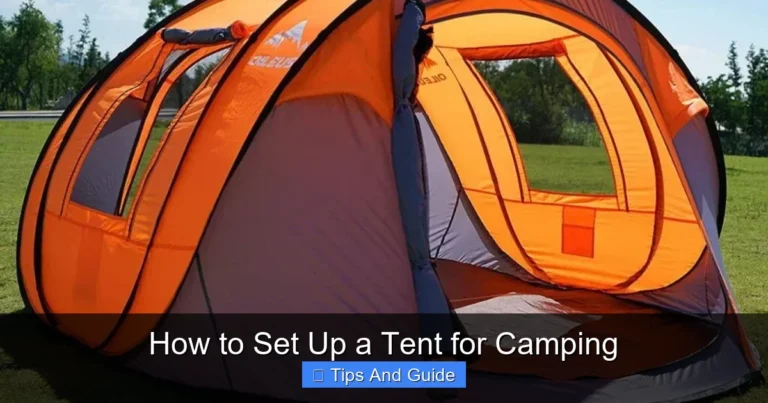
Visual guide about How to Tent Camp in Winter
Image source: png.pngtree.com
Beyond the tent itself, your gear needs to be winter-rated. Every item plays a role in keeping you warm and safe.
Sleeping Bag: Your Winter Cocoon
Your sleeping bag is your primary source of warmth when you sleep. For winter camping, you’ll need a bag rated significantly lower than the expected overnight temperatures.
- Temperature Rating: Aim for a bag rated at least 10-20 degrees Fahrenheit (-12 to -7 degrees Celsius) below the lowest anticipated temperature. A 0-degree Fahrenheit (-18 degrees Celsius) bag is a good starting point for many winter conditions.
- Down vs. Synthetic: Down-filled bags are lighter and offer superior warmth-to-weight ratio but lose their insulating properties when wet. Synthetic bags are bulkier but retain some warmth even when damp. For consistently damp winter environments, synthetic might be a better choice.
Sleeping Pad: The Ground Barrier
Don’t underestimate the importance of your sleeping pad. Cold ground can suck the heat right out of your body.
- R-Value: Look for sleeping pads with a high R-value, indicating better insulation. For winter, an R-value of 4.0 or higher is recommended.
- Inflatable vs. Foam: Inflatable pads offer more comfort and insulation. Many winter campers use a combination: a closed-cell foam pad underneath an inflatable pad for maximum insulation and a backup in case of leaks. A good camping mattress for your tent can make a huge difference in comfort and warmth.
Clothing: The Art of Layering
The key to staying comfortable in the cold is layering. Avoid cotton, as it absorbs moisture and stays wet, making you cold.
- Base Layer: This is your first layer, worn directly against your skin. It should be made of moisture-wicking material like merino wool or synthetic fabrics to draw sweat away from your body.
- Mid Layer: This layer provides insulation. Fleece, down, or synthetic puffy jackets are excellent choices. You might wear multiple mid-layers depending on the temperature.
- Outer Layer: This is your protective shell. It should be waterproof and windproof to shield you from the elements while allowing some breathability. A good hardshell jacket and pants are essential.
- Extremities: Don’t forget warm socks (wool or synthetic), insulated gloves or mittens (mittens are generally warmer), a warm hat that covers your ears, and a neck gaiter or balaclava.
Footwear: Warm and Dry
Insulated, waterproof winter boots are a must. Make sure they are not too tight, as this can restrict blood flow and make your feet colder. Wear good wool or synthetic socks. Bring extra pairs of socks!
Stove and Fuel: Cooking in the Cold
Cooking in the cold requires a reliable stove.
- Liquid Fuel Stoves: These generally perform better in freezing temperatures than canister stoves because the fuel pressure isn’t as affected by the cold.
- Canister Stoves: If using a canister stove, opt for winter-specific fuel blends and keep the fuel canister warm (e.g., in your sleeping bag at night).
Always check the manufacturer’s recommendations for cold-weather use. A camp tent heater can also be a lifesaver for keeping your tent warm, but ensure it’s safe and properly ventilated.
Lighting: Brighten Your Nights
Winter days are shorter. Headlamps are essential for navigating in the dark, and camp lanterns can make your tent feel more inviting. LED lights are energy-efficient.
Other Essentials
- Water Bottles: Insulated water bottles or wide-mouth Nalgene bottles are good. You can also sleep with a full bottle to prevent freezing and have warm water in the morning.
- Sunscreen and Sunglasses: Snow reflects sunlight, increasing your risk of sunburn and snow blindness.
- First-Aid Kit: A comprehensive kit is crucial, especially in remote winter locations.
- Navigation Tools: Map, compass, and GPS device. Know how to use them!
- Trekking Poles: Helpful for walking on snow and ice.
- Snow Shovel: Useful for clearing snow around your tent and for digging a snow pit for a windbreak.
- Fire Starter: Waterproof matches, lighter, and tinder.
- Repair Kit: Duct tape, cordage, tent pole splint, patch kit.
Planning Your Winter Camping Trip
Visual guide about How to Tent Camp in Winter
Image source: hfcsharjah.com
Preparation is key to a successful winter camping trip.
Choose Your Location Wisely
Consider the weather forecasts and the accessibility of your chosen spot.
- Shelter: Look for natural windbreaks like dense evergreen trees or hillsides. Avoid camping in open, exposed areas.
- Snow Depth: Be aware of avalanche danger if you are in mountainous terrain. Check local conditions and advisories.
- Water Sources: Plan how you will melt snow for drinking water.
For specific recommendations, you might research the best campground in Yosemite for tent camping, though winter access and conditions vary greatly.
Inform Someone of Your Plans
Always tell a friend or family member where you are going, your expected return time, and who to contact if you don’t check in.
Setting Up Your Winter Camp
The setup process in winter has a few extra considerations.
Clearing Your Tent Site
Once you’ve chosen your spot, clear away any loose snow. If the snow is deep, you may need to dig down to the ground or pack the snow down firmly to create a stable platform for your tent. This also helps insulate your tent floor.
Pitching Your Tent
Cold weather can make fabric stiff and zippers difficult to operate.
- Practice: If possible, practice setting up your tent in cold weather before your trip.
- Keep It Warm: Try to keep your tent and poles inside your warm home or car until just before setting up.
- Stake It Down: Use snow stakes or bury your regular stakes in the snow and pack snow around them for a secure hold. You can also use rocks or logs if available.
- Orient Your Tent: Position your tent door away from the prevailing wind.
Creating a Windbreak
If natural shelter isn’t sufficient, consider digging a trench or building a snow wall around your tent to block the wind. This will significantly reduce heat loss from your tent.
Staying Warm in Your Winter Tent
Keeping warm inside your tent is a multi-faceted approach.
Layer Up for Sleep
Even though you’re in a sleeping bag, wearing dry, warm layers to bed is crucial.
- Base Layer: A clean, dry base layer is essential.
- Insulating Layers: Add a fleece or down layer if needed.
- Warm Hat: Your head loses a lot of heat.
- Clean Socks: Never sleep in the socks you wore during the day.
Utilize a Camp Heater (with Caution)
A small, safe propane heater can make a big difference in tent comfort. However, **safety is paramount**.
- Ventilation: Always ensure your tent is well-ventilated when using a heater to prevent carbon monoxide buildup. Never run a heater while sleeping unattended.
- Fire Safety: Keep flammable items away from the heater.
- CO Detector: Consider bringing a battery-operated carbon monoxide detector.
Researching the best camping heater for tent use is a wise investment for winter campers.
Hot Water Bottles
Fill a sturdy water bottle (like a Nalgene) with hot (not boiling) water. Wrap it in a sock or cloth and place it in your sleeping bag before you go to sleep. It’s a simple but effective way to warm up your bag.
Eat and Drink Well
Your body needs fuel to generate heat. Eat calorie-rich foods and stay hydrated. Warm drinks are also comforting and help with internal warmth.
Managing Condensation
As mentioned, condensation is a major enemy in winter camping.
- Ventilate: Open your tent vents, especially in the morning.
- Wipe It Down: Use a towel or sponge to wipe down the inside of your tent walls in the morning to remove moisture.
- Avoid Breathing Directly on Walls: Try to keep your breath directed towards the tent ceiling vents.
Troubleshooting Common Winter Camping Issues
Even with the best preparation, things can go wrong.
Frozen Zippers
If your tent zipper freezes shut, try gently warming the zipper with your hands. Sometimes a bit of graphite pencil lead rubbed on the teeth can help prevent future freezing.
Frozen Water Bottles
Keep your water bottles inside your sleeping bag at night or upside down (if they have wide mouths). You can also keep them in your jacket pocket during the day.
Cold Feet
Ensure your boots aren’t too tight. Wear dry, warm socks. You can also do some light exercises, like wiggling your toes, to improve circulation.
Conclusion
Winter tent camping is an incredibly rewarding experience that offers a unique connection with nature. By understanding the specific challenges of cold-weather camping and preparing with the right gear and knowledge, you can transform a potentially harsh environment into a comfortable and memorable adventure. From selecting the perfect four-season tent to mastering the art of layering and staying warm, this guide provides the foundation for your winter camping success. Embrace the challenge, respect the elements, and you’ll discover the quiet beauty and profound peace that only a winter wonderland can offer. Happy camping!