How to Tent Camp in the Rain
Don’t let rain cancel your camping trip! This guide teaches you how to tent camp successfully in wet weather. We’ll cover essential gear choices, smart packing strategies, and proven techniques for setting up your campsite and tent to stay dry. Learn how to create a cozy, waterproof haven, even when the skies open up.
How to Tent Camp in the Rain
Rainy camping trips can be some of the most memorable, offering a unique and peaceful atmosphere. The sound of raindrops on your tent can be incredibly soothing, and the scent of the earth after a shower is refreshing. However, if you’re not prepared, a rainy camping trip can quickly turn into a miserable, soggy ordeal. This guide is designed to equip you with the knowledge and practical tips needed to tent camp successfully, even when the weather isn’t cooperating. We’ll cover everything from selecting the right gear to setting up your campsite for maximum dryness and comfort. Get ready to embrace the elements and have an amazing time, rain or shine!
Key Takeaways
- Choose the Right Tent: Opt for a tent with a high waterproof rating and excellent ventilation. A good rainfly is crucial for keeping water out.
- Waterproof Everything: Pack your gear in waterproof bags or use sturdy dry sacks. Consider a waterproof tarp for extra ground protection and a gear shelter.
- Strategic Campsite Selection: Pick a spot on higher ground, away from potential runoff areas and under sturdy trees if possible, but not directly under dead branches.
- Proper Tent Setup: Always pitch your tent with the rainfly attached and taut. Ensure the guy lines are secured to prevent water from pooling.
- Create a Dry Interior: Use a ground tarp inside your tent to protect your sleeping area. Keep wet gear in the vestibule and dry clothes separate.
- Stay Warm and Dry: Layering clothing is key. Bring quick-drying materials and consider a portable heater if conditions are very cold and damp.
- Embrace the Experience: Shift your mindset to appreciate the unique atmosphere rain camping offers, from the sound of the rain to the fresh, clean air.
Preparation is Key: Gear and Packing
The foundation of a successful rainy camping trip is meticulous preparation. This means selecting the right equipment and packing it smartly to ensure everything stays as dry as possible.
Choosing the Right Tent
Your tent is your primary shelter, so its performance in the rain is paramount. Look for a tent that is specifically designed for wet weather.
* Waterproof Ratings: Tents are rated for their waterproofness, usually indicated by a hydrostatic head (HH) rating in millimeters (mm). For reliable rain protection, aim for a tent with an HH rating of at least 3,000mm for the fly and 5,000mm for the floor. Some brands offer excellent options; for instance, checking out the best pop-up tent for rain can give you a starting point.
* Rainfly Coverage: A good tent will have a full-coverage rainfly that extends all the way to the ground. This provides a crucial barrier against rain and wind. Some tents have partial rainflies, which are less ideal for heavy rain.
* Sealed Seams: Ensure the tent seams are factory-sealed or taped. This is where water is most likely to penetrate.
* Ventilation: While keeping water out is essential, so is ventilation. Proper ventilation prevents condensation buildup inside the tent, which can make your sleeping area damp even if the rain isn’t directly hitting it. Look for tents with mesh panels and vents that can be opened or closed.
* Vestibules: A vestibule is a covered area outside the main tent door, formed by the rainfly. This is an invaluable space for storing wet boots, muddy gear, or even cooking if absolutely necessary and safe to do so.
When considering specific types, a good cabin tent can offer ample space, and some are built with heavy-duty waterproofing. You might find the best cabin tent for wind and rain to be a worthy investment for family camping in inclement weather.
Waterproof Your Gear
Even with a great tent, your gear needs to be protected. Think of your backpack and individual items as needing their own raincoats.
* Waterproof Bags and Dry Sacks: Invest in high-quality dry sacks for sensitive items like electronics, sleeping bags, and extra clothes. These come in various sizes and are essential for keeping contents bone dry.
* Backpack Rain Cover: Most larger backpacks have an integrated rain cover or have one available as an accessory. Make sure it fits snugly to prevent water from seeping into the pack’s seams.
* Stuff Sacks: Even regular stuff sacks can offer some water resistance. Line them with a heavy-duty plastic bag for an extra layer of protection.
* Sealed Compartments: Use Ziploc bags or smaller waterproof containers for toiletries, first-aid supplies, and snacks.
Essential Rain-Specific Gear
Beyond your tent and waterproof bags, a few extra items can make a world of difference.
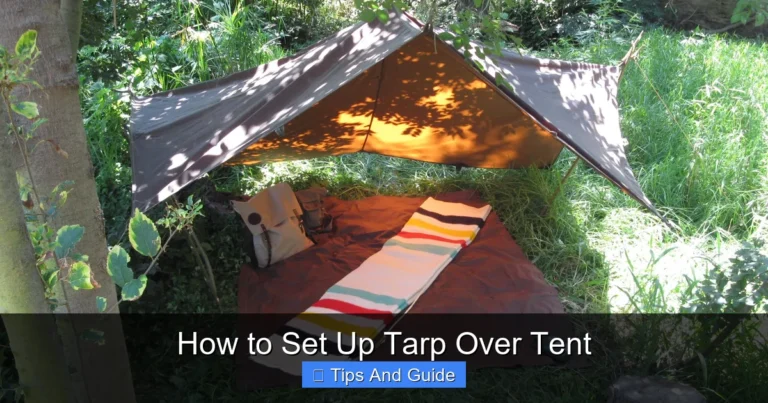
* Tarp: A large, durable tarp is incredibly versatile. You can use it as an extra ground cloth under your tent, to create a sheltered cooking or seating area, or to cover gear.
* Extra Stakes and Guy Lines: The ground can become soft and muddy in the rain, making it harder for stakes to hold. Bring extra, sturdy stakes and plenty of rope or cord for securing your tent and tarp.
* Waterproof Footwear: Waterproof hiking boots or sturdy rubber boots are a must. Having a separate pair of camp shoes (like Crocs or sandals) that can get wet is also a good idea.
* Quick-Drying Clothing: Avoid cotton, as it absorbs water and stays wet for a long time. Opt for synthetic materials or wool, which wick away moisture and dry faster.
* Extra Socks: You can never have too many dry socks in the rain. Pack several pairs!
Setting Up Your Rainy Campsite
Visual guide about How to Tent Camp in the Rain
Image source: beyondthetent.com
Where you set up your tent is just as important as the tent itself. Smart site selection can prevent a lot of potential problems.
Choosing Your Campsite Wisely
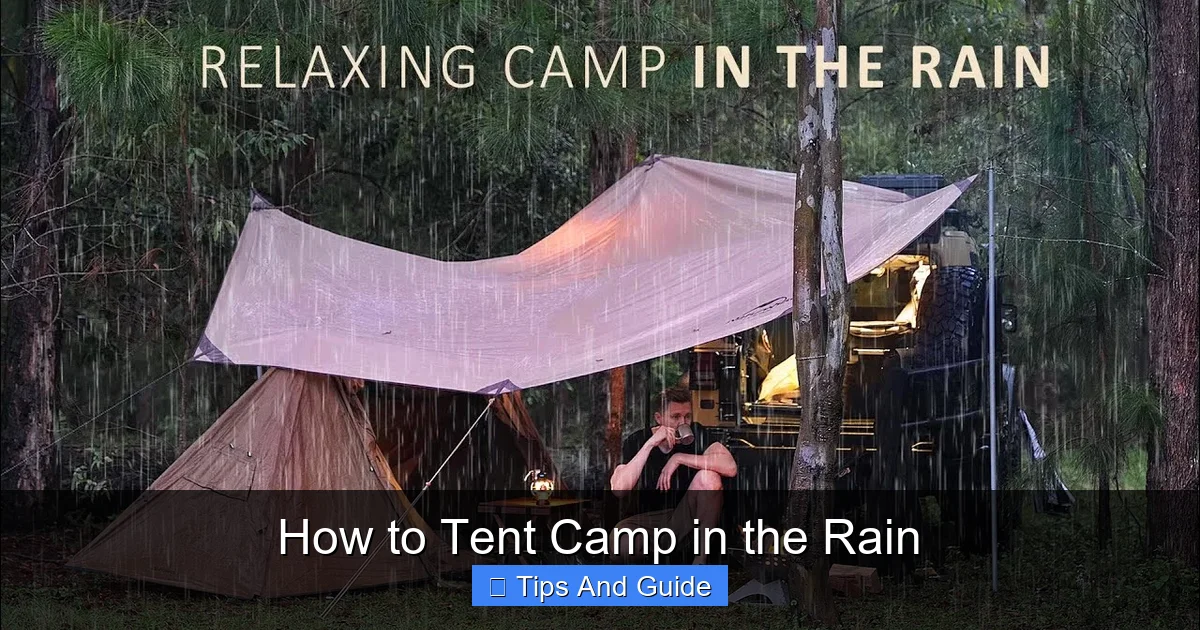
Visual guide about How to Tent Camp in the Rain
Image source: i.ytimg.com
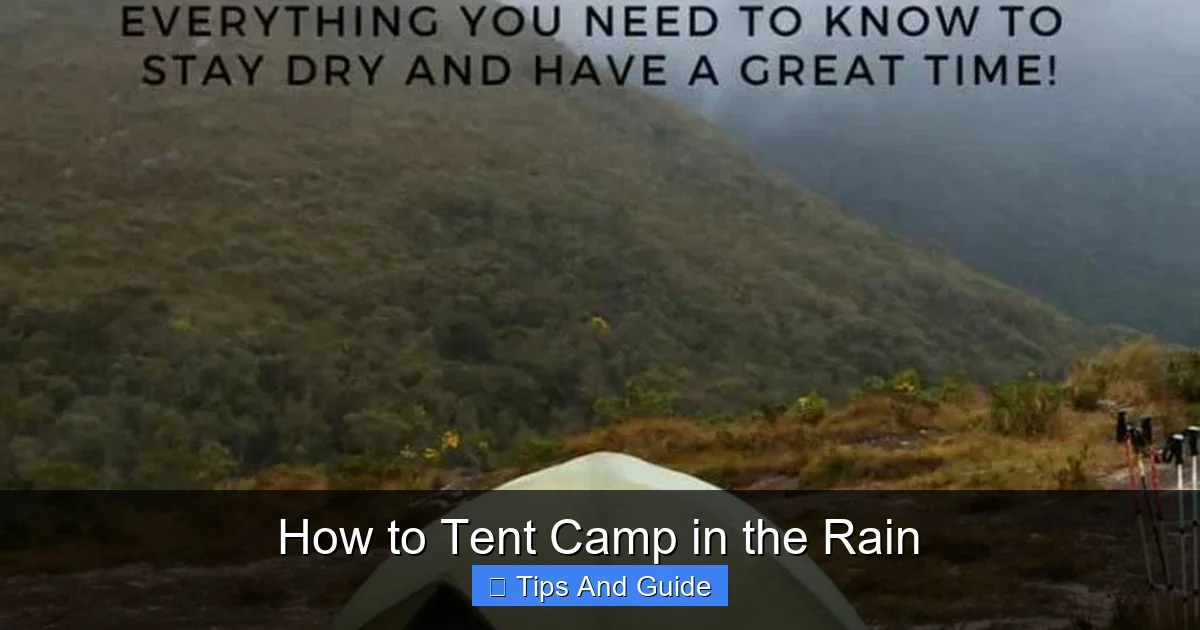
When the weather is wet, your campsite choice becomes critical for staying dry and comfortable.
Find Higher Ground
* Avoid Low-Lying Areas: Water naturally flows downhill. Setting up in a ditch, depression, or at the bottom of a slope is a recipe for a flooded tent. Look for the highest, flattest spot available.
* Observe Runoff Patterns: If it’s already raining, observe how water is flowing across the landscape. Avoid areas where puddles are forming or water is actively running.
Consider Natural Shelter (with caution)
* Under Trees: Trees can offer some protection from light rain, reducing the direct impact on your tent. However, be extremely cautious.
* Avoid Dead Branches: Never pitch your tent directly under dead trees or large, overhanging dead branches (widowmakers). A strong gust of wind or heavy rain can bring them down.
* Avoid Dense Undergrowth: While trees offer cover, dense bushes can trap moisture and make your tent groundsheet wetter from below.
Proximity to Water Sources
* Stay Away from Streams and Rivers: While being near water is often desirable, in rainy conditions, streams and rivers can rise quickly and unexpectedly. Camp at a safe distance.
Pitching Your Tent for Maximum Dryness
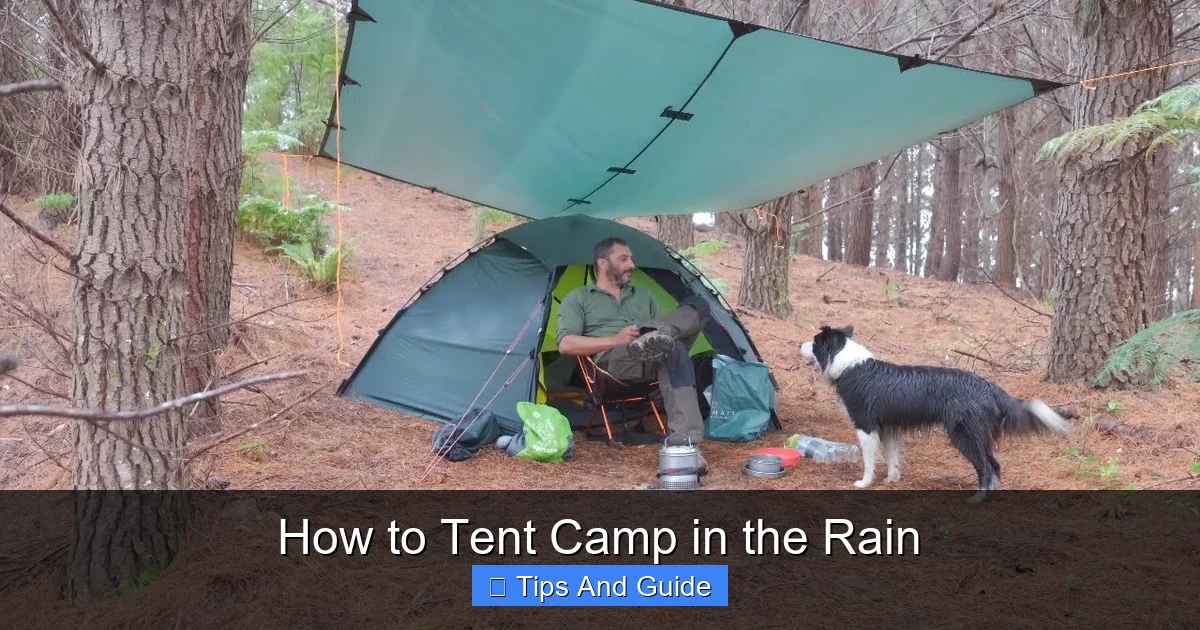
Visual guide about How to Tent Camp in the Rain
Image source: i.ytimg.com
Once you’ve chosen your ideal spot, the way you pitch your tent can significantly impact its ability to withstand the rain.
Use the Ground Tarp (Footprint) Correctly
* Under the Tent: Place your tent’s footprint or a separate tarp *under* the tent. It should be the same size or slightly smaller than the tent’s floor.
* **Prevent Water Pooling:** Ensure the edges of the ground tarp do not extend beyond the tent’s rainfly. If they do, they will catch rain and channel it directly under your tent floor.
Pitch with the Rainfly Attached
* Pre-Attachment: For most modern tents, the rainfly attaches to the tent poles and main body. Pitch your tent with the rainfly already connected. This saves you from trying to attach a potentially wet and unwieldy fly over a damp tent.
* **Keep it Taut:** Once the rainfly is on, pull it out and stake it down securely using the guy lines. A taut rainfly prevents water from pooling and dripping inside. Ensure there’s a good air gap between the rainfly and the tent body for ventilation.
Secure with Guy Lines
* Anchor Firmly: Use all available guy line points. These lines are designed to extend the rainfly away from the tent body, create tension, and anchor the tent against wind.
* **Use Extra Stakes:** In soft ground, your standard stakes might not hold. Use longer, stronger stakes, or consider using rocks to anchor the guy lines if available.
Create a Dry Entryway
* Vestibule Management: Keep the vestibule door zipped open just enough for you to enter, but closed enough to keep rain out. Use the vestibule as your primary gear storage area.
* **Door Mat Trick:** Place a small, absorbent towel or a piece of old carpet outside your tent door. This acts as a makeshift doormat to wipe your feet before stepping inside.
Staying Dry and Comfortable Inside Your Tent
Once your tent is pitched and the rain is falling, the focus shifts to maintaining a dry and comfortable interior.
Managing Interior Moisture
* Ventilation is Crucial: Even in the rain, you need ventilation. Open vents slightly, or crack the rainfly zipper just a tiny bit to allow moist air to escape. This combats condensation.
* Avoid Touching Tent Walls: Do not let sleeping bags, clothes, or any other gear touch the inside walls of the tent, especially the rainfly. This can create a wick for moisture to enter.
* Absorbent Towels/Cloths: Keep a few absorbent towels or microfiber cloths handy to wipe down any condensation that forms on the tent walls or ceiling.
Organizing Your Gear Inside
* Separate Wet and Dry: Designate the vestibule as your “wet zone” for muddy boots, rain gear, and wet packs. Keep your sleeping area and clothes strictly “dry zone.”
* Use Dry Sacks: Store your sleeping bag and clean clothes in waterproof dry sacks, even if they are inside the tent. This is a last line of defense.
* Elevate Your Sleeping Setup: Using a sleeping pad or an inflatable mattress can help insulate you from the cold, damp ground. A good camping mattress for your tent can make a huge difference. Consider a camp bed for your tent to elevate you further.
Keeping Warm
* **Layering Clothing:** Wear multiple layers of quick-drying clothing. This allows you to adjust your body temperature effectively.
* Warm Sleepwear: Have dedicated dry sleepwear that you only wear inside the tent.
* Hot Water Bottle: Fill a sturdy, leak-proof water bottle with hot (not boiling) water and place it inside your sleeping bag before you go to sleep. This is a simple but effective way to warm up.
* Tent Heater (Use with Extreme Caution): If you are camping in very cold, wet conditions, a portable tent heater might be an option. However, these require extreme caution due to fire and carbon monoxide risks. Always ensure adequate ventilation, follow manufacturer instructions precisely, and never leave a heater unattended. For an overview of options, you can explore the best camp tent heater options.
Activities and Mindset for Rainy Camping
Camping in the rain isn’t just about survival; it can be a fantastic experience with the right attitude and some planned activities.
Embrace the Atmosphere
* **Listen to the Rain:** The sound of rain on a tent can be incredibly peaceful. Take a moment to relax and enjoy it.
* **Read or Play Games:** Bring books, card games, or travel board games to entertain yourself inside the tent.
* **Photography:** Rainy landscapes can be stunning. If you have waterproof gear or protection, consider capturing the mood.
Cooking in the Rain
* **Sheltered Cooking Area:** If you have a separate camping kitchen tent or a large, well-pitched tarp, you can create a sheltered cooking space.
* **Simple Meals:** Opt for meals that are easy to prepare and require minimal cleanup. One-pot meals or pre-prepared foods work well.
* **Safety First:** Never cook inside your tent unless it is specifically designed for it and you are following all safety protocols for ventilation. The risk of carbon monoxide poisoning and fire is too high.
Troubleshooting Common Rainy Camping Issues
Even with the best preparation, you might encounter a few hiccups.
Mildew and Mold
* Prevention: The best way to combat mildew is to ensure everything is thoroughly dry before packing it away. If you know it’s going to rain, dry your tent and gear as soon as you get home.
* Treatment: If you discover mildew, clean the affected area with a mild soap and water solution or a specialized tent cleaner. Ensure the tent dries completely afterward.
Leaky Tent Seams
* Identify the Source: During a downpour, carefully inspect your tent for any dripping.
* Temporary Fix: You can often use seam sealer or waterproof tape to temporarily patch small leaks from the inside. Always carry a small repair kit.
Muddy Tent Interior
* **Wipe Down:** Regularly wipe down the inside walls and floor with absorbent cloths.
* **Footwear Management:** Be strict about keeping wet and muddy footwear in the vestibule.
Conclusion
Tent camping in the rain doesn’t have to be a daunting prospect. With careful planning, the right gear, and a positive attitude, you can transform a potentially challenging situation into a rewarding adventure. By focusing on waterproofing your equipment, selecting a strategic campsite, pitching your tent correctly, and managing your interior space effectively, you can create a cozy and dry sanctuary amidst the downpour. So, the next time the forecast calls for rain, don’t pack away your tent – pack your waterproof gear and embrace the unique beauty and tranquility of a wet-weather camping trip. Happy camping!