How to Tent Camp in Snow
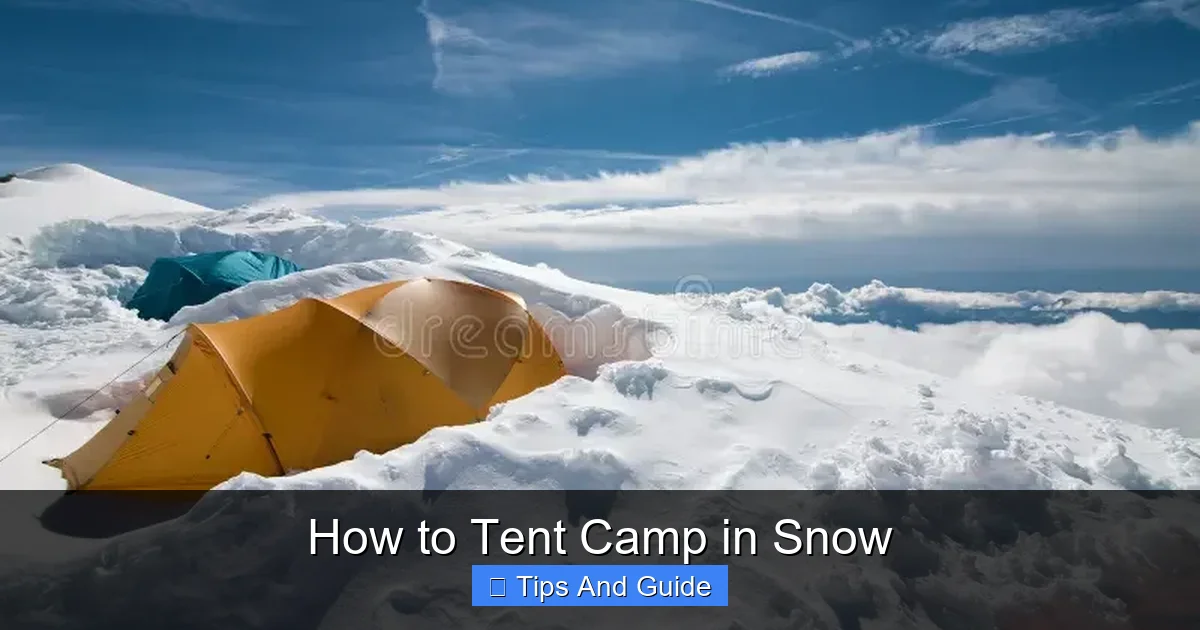
Tent camping in snow can be an incredibly rewarding experience, offering solitude and stunning winter landscapes. This guide provides essential tips for staying safe and comfortable, focusing on proper gear, site selection, and warmth strategies. Learn how to prepare for a successful snow camping trip and embrace the beauty of winter outdoors.
How to Tent Camp in Snow
Winter camping offers a unique and serene escape into nature. The quiet beauty of a snow-covered landscape, the crisp air, and the feeling of accomplishment after a night under the stars can be incredibly rewarding. However, tent camping in snow presents its own set of challenges, requiring careful preparation and specific gear. This comprehensive guide will walk you through everything you need to know to enjoy a safe and comfortable snow camping experience.
Tent camping in winter is not for the faint of heart, but with the right knowledge and equipment, it’s an adventure well within reach. We’ll cover selecting the right tent, choosing a campsite, staying warm and dry, cooking in the cold, and essential safety considerations. Get ready to embrace the magic of winter camping!
Key Takeaways
- Choose the Right Tent: Opt for a 4-season tent designed to withstand snow loads and strong winds, with a robust pole system and ample ventilation to prevent condensation.
- Site Selection is Crucial: Camp on a flat, open area away from avalanche zones or potential snowdrifts, ideally with some natural windbreak. Digging a snow pit can also help level your site.
- Layer Up Your Clothing: Use a multi-layer system of moisture-wicking base layers, insulating mid-layers, and a waterproof/windproof outer shell to manage body heat effectively.
- Stay Warm Inside the Tent: Invest in a well-insulated sleeping bag rated for sub-zero temperatures and a high R-value sleeping pad. Consider a battery-powered tent heater for added comfort.
- Manage Moisture: Condensation is your enemy in snow camping. Ventilate your tent properly, keep wet gear outside if possible, and dry out gear inside when you can.
- Food and Hydration are Key: Eat calorie-dense foods and stay hydrated. Melting snow for water is essential but requires fuel and time.
- Safety First: Always inform someone of your plans, carry essential safety gear like a first-aid kit and navigation tools, and be aware of weather conditions and potential hazards.
1. Choosing the Right Tent for Snow Camping
Your tent is your shelter from the elements, and in winter, it’s your lifeline. Not all tents are created equal when it comes to snow. You’ll need a tent designed for harsh conditions.
The 4-Season Tent Advantage
A 4-season tent is specifically engineered to handle heavy snow loads and strong winds that are common in winter conditions. These tents typically feature:
- Stronger Poles: Made from robust materials like aluminum alloys, they can withstand the pressure of snow accumulating on the fabric.
- Sturdier Fabric: The fabric is often heavier and more durable to resist tearing from wind and abrasion from snow.
- Steeper Walls: Steeper walls help snow slide off the tent instead of accumulating and potentially collapsing it.
- Full-Coverage Fly: A fly that extends almost to the ground provides excellent protection against wind and blowing snow.
- More Ventilation: While it might seem counterintuitive, good ventilation is crucial to manage condensation. 4-season tents have strategically placed vents to allow airflow without letting in excessive cold.
While 3-season tents are great for milder weather, they are generally not suitable for snow camping. If you’re serious about winter adventures, investing in a quality 4-season tent is paramount. For those looking for a tent that can handle varied conditions, exploring options like the best pop-up tent for winter can be a good starting point, although dedicated 4-season tents will always offer superior performance in heavy snow.
Tent Footprints and Groundsheets
A footprint or groundsheet is essential for protecting the bottom of your tent from abrasion and moisture. When camping on snow, it also provides an extra layer of insulation between your tent floor and the cold ground. Make sure it’s the correct size for your tent.
2. Selecting Your Campsite
Where you set up your tent can make a huge difference in your comfort and safety. Snow camping requires more careful site selection than summer camping.
Finding a Flat and Protected Spot
Look for a spot that is:
- Flat: A level surface will make sleeping much more comfortable.
- Protected from Wind: Natural windbreaks like dense trees (but not directly under dead branches that could fall with snow load) can significantly reduce wind chill.
- Away from Hazards: Avoid camping in gullies or low-lying areas where cold air settles or where snowdrifts can form. More importantly, stay clear of avalanche paths or areas prone to cornice fall. If you’re unsure about avalanche risk, consult local knowledge or avalanche forecasts.
- Durable Surface: Try to find a spot that isn’t too deep with fresh powder, as setting up will be harder. Compacted snow or a few inches of powder is ideal.
Preparing the Tent Site
Once you’ve chosen your spot, you’ll need to prepare it for your tent.
Digging a Snow Platform
If the ground is uneven or covered in deep snow, you’ll want to create a level platform.
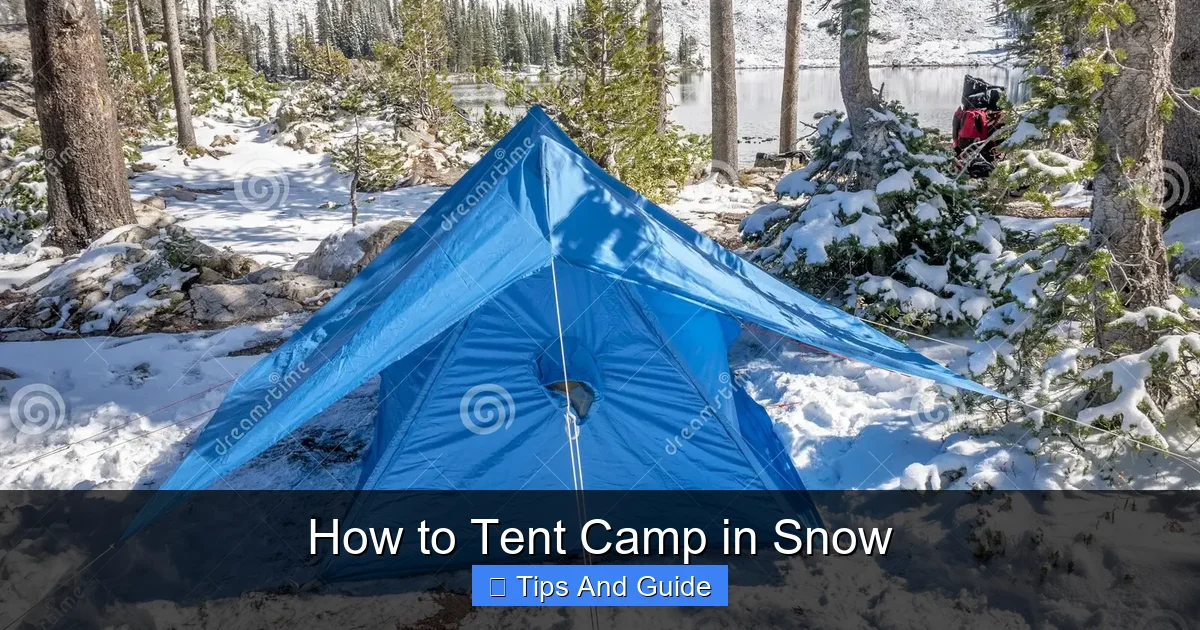
Step 1: Use your snow shovel to dig down until you reach a firmer snow layer or even the ground. This removes loose, deep powder.
Visual guide about How to Tent Camp in Snow
Image source: thumbs.dreamstime.com
Step 2: Create a flat, compacted area large enough for your tent. This often involves stomping down the snow or using the flat side of your shovel to smooth it out.
Step 3: Consider digging a small trench around your tent platform. This trench will collect any melting snow and prevent it from flowing into your tent.
Setting Up Your Tent in Snow
Setting up a tent in cold, snowy conditions can be challenging.
Step 1: Lay out your footprint or groundsheet on the prepared platform.
Step 2: Assemble the tent poles according to the manufacturer’s instructions. It’s a good idea to practice this at home before your trip.
Step 3: Insert the poles into the tent sleeves or attach them to the clips, raising the tent structure.
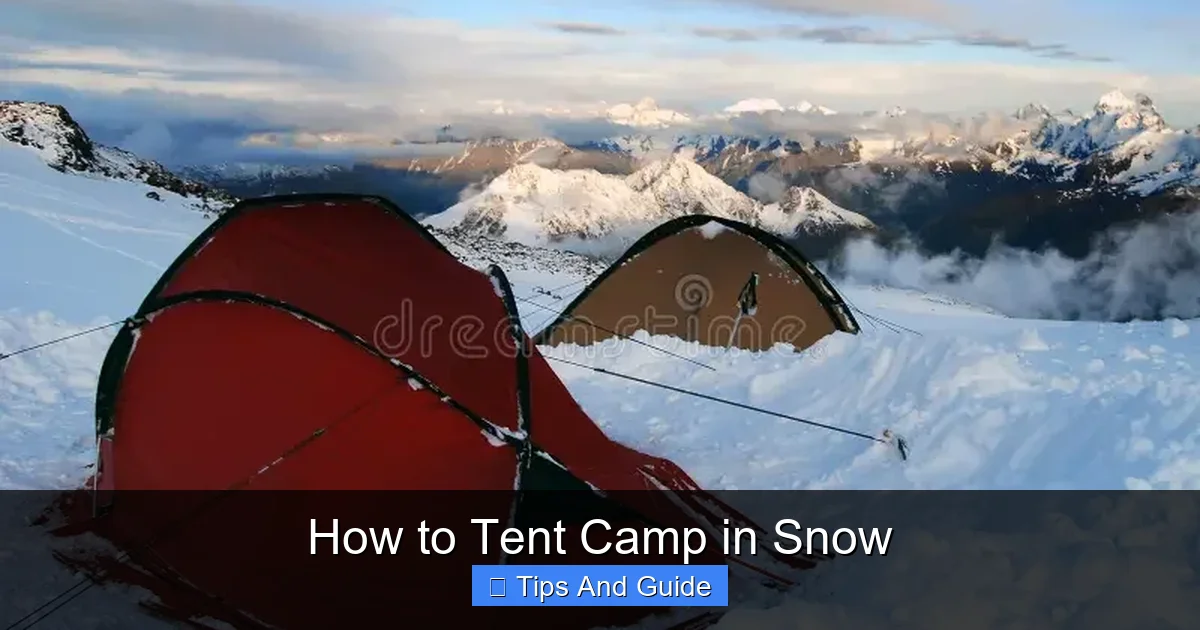
Step 4: Stake down your tent. Standard tent stakes are often useless in snow. You’ll need snow stakes, which are wider and flatter to provide better holding power. Alternatively, you can use natural anchors like rocks or logs, or even bury stuff sacks filled with snow or rocks under the tent fabric and then anchor your guylines to them.
Step 5: Attach the rainfly and secure all guylines. Ensure the guylines are taut to maximize the tent’s stability and shedding ability for snow.
Step 6: Use your shovel to build up snow berms around the base of your tent. This helps to block wind and further insulate your shelter.
3. Staying Warm and Dry
Warmth and dryness are paramount for a comfortable and safe winter camping experience. This involves both your gear and your personal habits.
Layering Your Clothing
The key to staying warm is a good layering system. Avoid cotton, as it holds moisture and will make you cold.
- Base Layer: This is your next-to-skin layer, designed to wick moisture away from your body. Synthetic materials like polyester or merino wool are excellent choices.
- Mid Layer: This layer provides insulation. Fleece, down, or synthetic puffy jackets are good options. You might need more than one mid-layer depending on the temperature.
- Outer Layer: This is your waterproof and windproof shell. A good quality hardshell jacket and pants will protect you from the elements.
Don’t forget warm, waterproof gloves or mittens, a warm hat that covers your ears, and insulated, waterproof boots. Having a spare set of base layers is a good idea in case your first set gets damp.
Sleeping Gear Essentials
Your sleeping bag and pad are your primary sources of warmth at night.
- Sleeping Bag: Choose a sleeping bag rated for temperatures well below what you expect to encounter. A 0-degree Fahrenheit or -20-degree Fahrenheit bag is often necessary for snow camping. Look for bags with a mummy shape, which conserves heat better.
- Sleeping Pad: This is just as important as your sleeping bag. It insulates you from the cold ground. You need a pad with a high R-value (ideally 4 or higher). Many campers use two pads: a closed-cell foam pad for durability and insulation, and an inflatable insulated pad on top for extra comfort and warmth. A good camping mat for tent use can make a significant difference. For ultimate comfort, consider a camping mattress for tent if space and weight allow.
- Camp Bed: While not strictly necessary, a camp bed for tent can elevate you slightly off the snow and provide an extra layer of insulation, especially when combined with a good sleeping pad.
Managing Condensation
Condensation is the enemy of warmth in a winter tent. It forms when warm, moist air from your breath and body comes into contact with the cold tent fabric.
- Ventilate: Keep your tent vents open, even when it’s cold. This allows moist air to escape.
- Avoid Breathing into Your Sleeping Bag: This will saturate your bag with moisture, reducing its loft and insulating power.
- Store Wet Gear Outside: If possible, keep wet boots and clothing in your vestibule, not inside your sleeping area.
- Dry Gear Inside: On sunny days, air out your sleeping bag and other gear inside the tent.
Heating Your Tent
For added comfort, consider a tent heater.
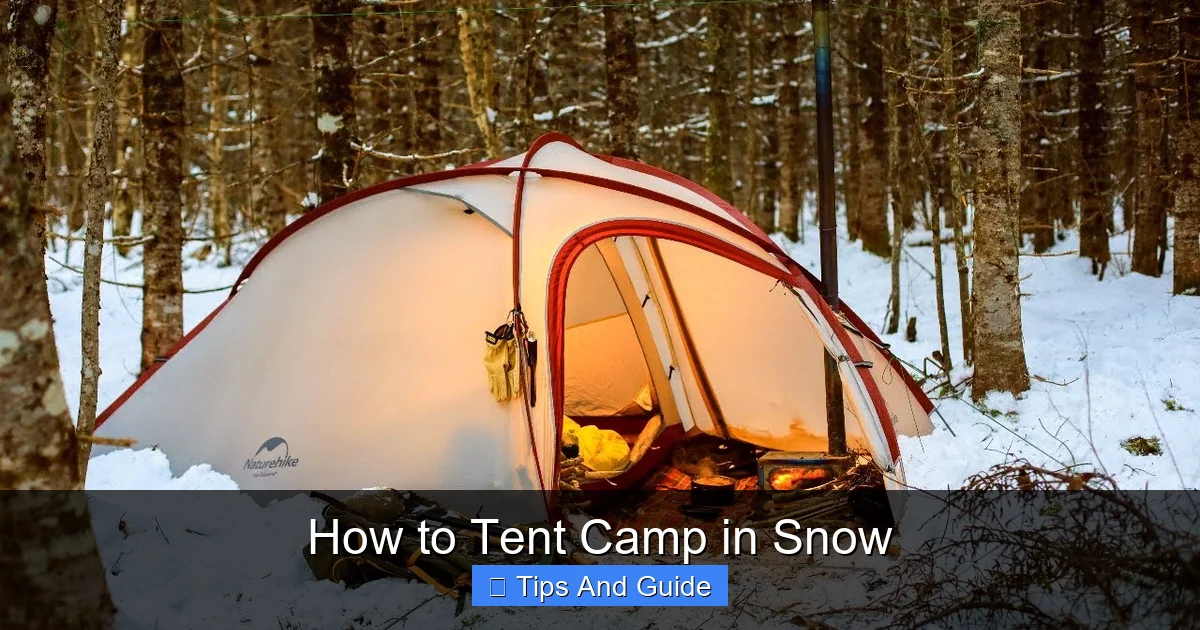
Always choose a heater designed for tent use and ensure it has safety features like an automatic shut-off. A good camp tent heater or a dedicated camping heater for tent can significantly enhance your experience. Always follow the manufacturer’s instructions and ensure proper ventilation to avoid carbon monoxide poisoning. Never leave a heater running unattended.
Visual guide about How to Tent Camp in Snow
Image source: i.ytimg.com
4. Cooking and Food in the Cold
Visual guide about How to Tent Camp in Snow
Image source: thumbs.dreamstime.com
Eating well is crucial for maintaining energy and body heat in cold weather.
Fueling Up
Focus on high-calorie, easy-to-digest foods.
- Hot Meals: Warm meals are not only nutritious but also help raise your body temperature.
- Snacks: Keep energy-rich snacks like nuts, dried fruit, and energy bars readily accessible.
Cooking with Your Stove
Cold temperatures affect how your stove performs.
- Stove Choice: Liquid fuel stoves generally perform better in extreme cold than canister stoves, as the fuel doesn’t get as cold.
- Insulate Your Fuel: Keep your fuel canister in your sleeping bag overnight to prevent it from getting too cold.
- Melt Snow for Water: You’ll need to melt snow for drinking water. This uses a lot of fuel, so plan accordingly. A wide pot will melt snow faster.
Consider using a camping kitchen tent to create a sheltered cooking and dining area, keeping you out of the wind and snow while you prepare your meals.
5. Safety and Emergency Preparedness
Winter camping can be dangerous if you’re not prepared. Safety should always be your top priority.
Essential Safety Gear
Always carry a well-stocked first-aid kit and know how to use it.
- Navigation: A map, compass, and GPS device are essential. Make sure you know how to use them.
- Communication: A fully charged cell phone is useful, but in remote areas, consider a satellite messenger or personal locator beacon (PLB).
- Light Sources: Carry extra batteries for your headlamp and consider a backup light source like camping lights for tent.
- Fire Starter: Waterproof matches, a lighter, and fire starters are crucial for emergencies.
- Repair Kit: Duct tape, cordage, and a multi-tool can fix many gear issues.
Inform Someone of Your Plans
Before you leave, always leave a detailed itinerary with a trusted friend or family member. Include your planned route, expected return time, and who to contact if you don’t check in.
Be Aware of the Weather
Winter weather can change rapidly. Monitor forecasts before and during your trip. Be prepared to alter your plans or turn back if conditions become unsafe. Hypothermia and frostbite are serious risks. Know the signs and how to prevent them.
6. Practice and Preparation
The best way to ensure a successful snow camping trip is to practice.
Practice at Home
Set up your tent in your backyard on a snowy day. This will help you familiarize yourself with the process and identify any gear issues before you’re in the wilderness. Test your stove and practice your layering system.
Start Small
If you’re new to snow camping, start with a single overnight trip at a developed campground that allows winter camping. This allows you to have access to facilities and support if needed. Many campgrounds offer stunning winter scenery, similar to the beauty you might find in places like best campground in Yosemite for tent, but with potentially easier access and amenities.
Conclusion
Tent camping in snow is an incredible way to experience the beauty and solitude of winter. While it requires more planning and specialized gear than summer camping, the rewards are immense. By focusing on a suitable tent, careful site selection, effective layering, proper sleeping gear, and safety precautions, you can create a comfortable and memorable winter adventure. Embrace the challenge, prepare thoroughly, and enjoy the magic of sleeping under a blanket of stars in a snowy wonderland. Happy camping!