How to Tent Camp in Cold Weather
Ready to embrace winter camping? This guide reveals how to tent camp in cold weather. We cover essential gear, smart tent setup, and strategies for a warm, comfortable night’s sleep. Don’t let the chill stop your adventure; learn the secrets to enjoying the beauty of the outdoors even when temperatures drop.
How to Tent Camp in Cold Weather
Tent camping in cold weather might sound like an extreme sport, but with the right preparation and gear, it can be an incredibly rewarding and surprisingly comfortable experience. Imagine waking up to a silent, snow-covered landscape, the crisp air invigorating your senses. It’s a side of nature many miss out on by staying indoors. This guide will equip you with the knowledge to confidently head out and enjoy a winter wonderland from the comfort of your tent. We’ll cover everything from selecting the ideal shelter to mastering the art of staying warm while you sleep.
Key Takeaways
- Choose the Right Tent: Opt for a four-season tent or a robust three-season tent designed to withstand snow and wind. Look for features like a strong pole structure and good ventilation to prevent condensation.
- Layer Your Clothing: Dress in multiple layers of synthetic or wool fabrics that wick away moisture and provide insulation. Avoid cotton, as it loses its insulating properties when wet.
- Master Your Sleeping System: A warm sleeping bag (rated for the temperatures you expect), an insulated sleeping pad, and a sleeping bag liner are crucial for a comfortable night. Consider bringing a sleeping pad with a high R-value.
- Proper Tent Setup is Key: Pitch your tent in a sheltered spot, away from wind and potential snow drifts. Ensure the rainfly is taut and properly staked to prevent wind from entering.
- Stay Hydrated and Nourished: Drink plenty of fluids, even if you don’t feel thirsty. Warm foods and high-calorie snacks provide essential energy to keep your body warm.
- Manage Condensation: Proper ventilation is vital to minimize condensation inside your tent. Use vents, and consider a small tent heater if appropriate and safe.
- Prioritize Safety: Always check the weather forecast, inform someone of your plans, and carry essential safety gear like a first-aid kit, navigation tools, and a headlamp.
Why Tent Camp in Cold Weather?
Many people associate camping with warm, sunny days. However, the off-season offers unique advantages. Campsites are often less crowded, providing a more solitary and peaceful experience. The landscape transforms into a serene, often beautiful, spectacle. Plus, the challenge of adapting to the elements can be incredibly satisfying. With the right approach, cold weather tent camping is accessible and enjoyable.
1. Choosing the Right Tent
Visual guide about How to Tent Camp in Cold Weather
Image source: huntingsage.com
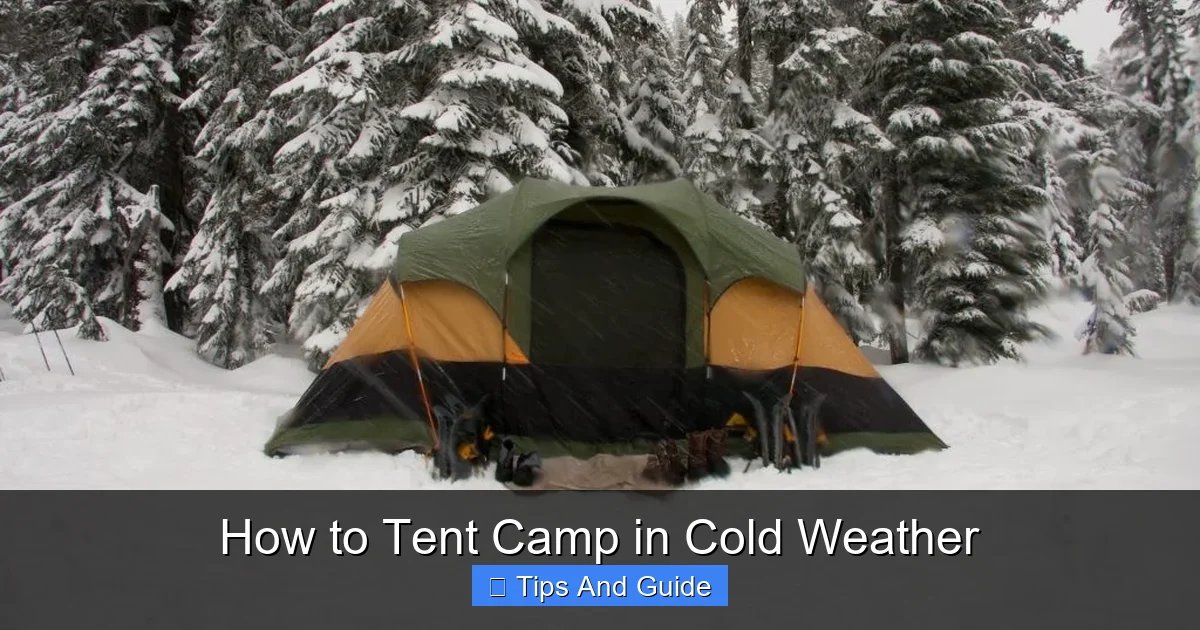
Your tent is your primary shelter, and in cold weather, it needs to be more than just a roof over your head; it needs to be a warm refuge.
Four-Season vs. Three-Season Tents
Four-Season Tents
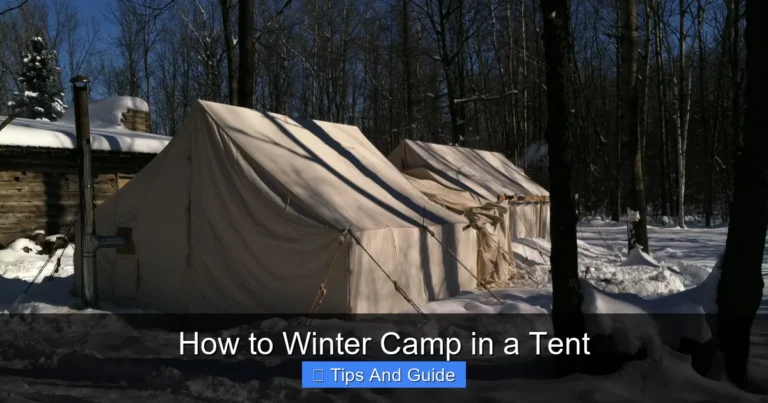
These are built specifically for harsh winter conditions. They feature stronger poles to withstand heavy snow loads and high winds, thicker fabrics, and multiple guy-out points for stability. Their design minimizes condensation by allowing for controlled ventilation. If you plan on frequent winter camping in exposed or severe conditions, a four-season tent is a worthwhile investment.
Three-Season Tents (with caveats)
A robust three-season tent can be used for cold weather camping, especially in milder winter conditions or if you prioritize lighter weight. Look for tents with a durable pole structure, a good quality rainfly, and ample mesh for ventilation. You’ll need to be extra mindful of pitching and managing conditions. For the absolute best in cold weather, explore options like best cabin tents for cold weather, though their design might differ from traditional backpacking tents. The most important factor for any tent is its ability to withstand the elements. Whether you are looking for the best camp tent, or a specialized one, ensure it can handle cold.
Tent Features to Look For
- Pole Structure: Strong, flexible poles (like aluminum) are essential for holding up against wind and snow.
- Fabric Denier: Higher denier fabrics are generally more durable and resistant to tears.
- Rainfly Coverage: A full-coverage rainfly protects against wind and snow.
- Ventilation: Crucial for managing condensation. Look for adjustable vents at the top and bottom.
- Vestibules: Extra space outside the main tent body where you can store wet gear or boots.
2. Selecting Your Sleeping Gear
Visual guide about How to Tent Camp in Cold Weather
Image source: cdn11.bigcommerce.com
Your sleeping bag and pad are arguably the most critical components for staying warm at night.
The Sleeping Bag
Temperature Rating
This is paramount. Sleeping bags are rated by temperature. A bag rated for 0°F (-18°C) is generally suitable for temperatures down to around 20°F (-7°C) for comfort, as these ratings are often based on survival, not comfort. It’s always better to have a bag that’s too warm and can be unzipped than one that’s too cold. Consider bags designed for winter camping.
Fill Type
- Down: Lightweight, highly compressible, and offers the best warmth-to-weight ratio. However, it loses its loft and insulating ability when wet. Down bags are best for dry, cold conditions.
- Synthetic: More affordable, retains insulation even when damp, and dries faster than down. It’s heavier and less compressible than down but a reliable choice for wet or humid cold.
The Sleeping Pad
R-Value
This measures a pad’s resistance to heat flow. For cold weather camping, you need a pad with a high R-value, ideally 4 or higher. The ground will suck heat from your body relentlessly, so an insulated pad is non-negotiable.
Types of Sleeping Pads
- Closed-cell foam: Inexpensive, durable, and won’t deflate. However, they are bulky and offer less comfort.
- Self-inflating: A good balance of comfort, insulation, and packability.
- Inflatable: Offer the most comfort and can have very high R-values with insulated air chambers. They are susceptible to punctures.
It’s often recommended to use two pads: a closed-cell foam pad as a base layer for durability and insulation, topped with an inflatable pad for comfort and added warmth. A good camping mat for your tent is essential, and in winter, it needs to be a specialized one.
Sleeping Bag Liner
A sleeping bag liner adds a few degrees of warmth and helps keep your sleeping bag clean. Silk or thermal liners are excellent options.
3. Layering Your Clothing
Visual guide about How to Tent Camp in Cold Weather
Image source: odditymall.com
The key to staying warm is managing your body temperature by layering your clothing. Avoid cotton at all costs, as it absorbs moisture and loses its insulating properties, leaving you cold and potentially hypothermic.
Base Layer
This is the layer closest to your skin. It should be made of moisture-wicking material like merino wool or synthetic fabrics (polyester, polypropylene). Its job is to pull sweat away from your body.
Mid Layer
This layer provides insulation. Fleece, down (if conditions are dry), or synthetic insulated jackets and pants are good choices. You might wear one or more mid-layers depending on the temperature.
Outer Layer
This is your shell layer, designed to protect you from wind and precipitation. Look for waterproof and breathable materials like Gore-Tex. This layer should be loose enough to allow for other layers underneath.
Extremities
Don’t forget your hands, feet, and head!
- Head: A warm hat is crucial, as a lot of heat is lost through your head.
- Hands: Wear insulated gloves or mittens. Mittens are generally warmer than gloves because your fingers share warmth. Consider liner gloves for dexterity.
- Feet: Wool or synthetic socks are a must. Bring multiple pairs and change them if they get damp. Avoid tight socks that restrict circulation.
4. Tent Setup and Site Selection
Where you pitch your tent can make a significant difference in your comfort and safety.
Choosing a Location
- Shelter from Wind: Look for natural windbreaks like dense trees or hillsides. Avoid exposed ridges or open fields.
- Avoid Low-Lying Areas: Cold air sinks, so pitching your tent in a hollow can lead to colder temperatures.
- Sun Exposure: If possible, choose a spot that gets morning sun to help melt snow and warm up your tent.
- Snow Considerations: If camping in deep snow, you might need to clear a large area and potentially build a snow wall for wind protection.
Pitching Your Tent
- Clear the Ground: Remove any sharp objects, rocks, or branches that could damage your tent floor or make sleeping uncomfortable.
- Stake It Down: Use sturdy stakes designed for snow or frozen ground. In deep snow, you might need snow anchors or to bury rocks/logs to secure your tent.
- Rainfly Tension: Ensure the rainfly is pulled taut and properly staked. This prevents wind from getting underneath and creating drafts, and also helps shed snow.
- Footprint: Use a footprint or ground tarp to protect your tent floor from abrasion and moisture.
5. Staying Warm Inside Your Tent
Beyond your sleeping gear, there are several strategies to keep your tent cozy.
Ventilation is Crucial
It might seem counterintuitive, but proper ventilation is essential in cold weather. Your body exhales moisture, and so does your cooking. Without ventilation, condensation will form on the inside of your tent, freeze, and then melt, making everything damp. Open your tent vents, even if it’s freezing. A slight draft is far better than a condensation-soaked sleeping bag.
Hot Water Bottle
Fill a sturdy, leak-proof water bottle with hot (not boiling) water, screw the lid on tightly, and place it in your sleeping bag before you go to sleep. It acts as a wonderfully warm companion.
Exercise Before Bed
Do some light exercises like jumping jacks or squats just before you climb into your sleeping bag. This will warm your body up and generate residual heat. Don’t overexert yourself to the point of sweating.
Small Tent Heater (Use with Extreme Caution)
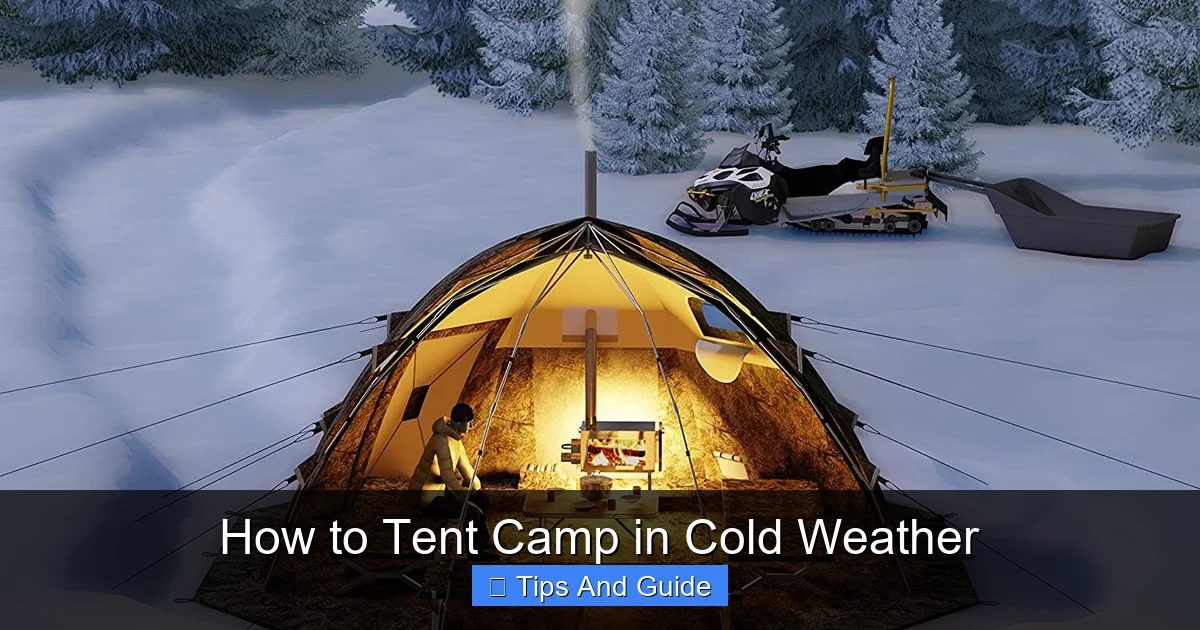
If you are using a propane heater, ensure it is specifically designed for tent use and that you have adequate ventilation. Never use a heater that produces carbon monoxide inside a sealed tent. Always follow the manufacturer’s instructions and have a carbon monoxide detector. For safety, consider alternatives to direct heating, such as a best camp tent heater that is well-ventilated or a safe external heating option.
Cooking and Eating
Eating high-calorie foods before bed gives your body fuel to burn and generate heat through digestion. Warm meals are also incredibly comforting. A camping kitchen tent can provide a more comfortable cooking space in harsh weather.
6. Food and Hydration
Your body needs fuel to stay warm. Eating and drinking properly are vital.
Stay Hydrated
It’s easy to forget to drink when it’s cold, but dehydration can make you feel colder and impair your body’s ability to regulate temperature. Drink plenty of water throughout the day. Keep your water bottles inside your tent at night, as they can freeze. You can also use insulated water bottles.
Eat Well
Focus on calorie-dense foods. Fats and complex carbohydrates provide sustained energy. Think nuts, dried fruits, granola bars, pasta, and hearty stews. Warm drinks like hot chocolate or tea are also great for internal warmth.
7. Essential Cold Weather Gear Checklist
Here’s a list to get you started. Adapt it based on your specific trip and expected conditions.
Shelter and Sleeping
- Four-season tent (or robust three-season)
- Tent footprint/ground tarp
- Sturdy tent stakes/snow anchors
- Warm sleeping bag (rated for expected temperatures)
- Insulated sleeping pad (high R-value)
- Sleeping bag liner
- Inflatable pillow (optional)
Clothing
- Moisture-wicking base layers (top and bottom)
- Insulating mid-layers (fleece, down/synthetic jacket)
- Waterproof and windproof outer shell jacket and pants
- Warm hat
- Insulated gloves or mittens
- Wool or synthetic socks (multiple pairs)
- Warm camp shoes/slippers
Cooking and Food
- Camp stove and fuel
- Cookware and utensils
- Food (high-calorie, easy to prepare)
- Insulated water bottles or hydration reservoir with insulated hose
- Hot water bottle
Safety and Navigation
- Headlamp/flashlight with extra batteries
- First-aid kit
- Navigation tools (map, compass, GPS device)
- Multi-tool or knife
- Fire starter (waterproof matches, lighter, tinder)
- Sunscreen and lip balm (snow reflects UV rays)
- Whistle
- Communication device (fully charged phone, satellite messenger if in remote areas)
Other Essentials
- Toiletries (biodegradable soap, toothbrush, toothpaste)
- Trash bags (pack it in, pack it out)
- Trowel for digging catholes (if necessary)
- Duct tape (for repairs)
- Book or other entertainment
8. Safety First!
Cold weather camping carries inherent risks. Always prioritize safety.
Check the Weather
Before you go, and even during your trip if possible, check the weather forecast. Be prepared for sudden changes.
Inform Someone
Always tell a trusted person where you are going, your expected return time, and who to contact if you don’t check in.
Know Your Limits
Don’t push yourself beyond your comfort zone or experience level. Start with shorter trips and milder conditions.
Hypothermia and Frostbite
Be aware of the symptoms of hypothermia (shivering, confusion, drowsiness) and frostbite (numbness, pale or grayish skin). Know how to treat them and take preventative measures.
Troubleshooting Common Cold Weather Camping Issues
* Frozen Water Bottles: Store them upside down, as the ice forms from the top. Keep them inside your sleeping bag.
* Condensation Build-up: Ensure all vents are open. Wipe down the inside of the tent with a towel if necessary. Avoid breathing directly onto the tent walls.
* Getting the Tent Up in Wind/Snow: Wear gloves. Work quickly. Have your stakes ready. Use larger snow stakes or improvise anchors.
* Cold Feet at Night: Make sure your sleeping bag is not compressed under your feet. Wear a clean, dry pair of dedicated sleeping socks. Do some light exercises to warm up before bed.
Conclusion
Tent camping in cold weather is an adventure that offers unparalleled beauty and tranquility. By understanding the unique challenges and preparing diligently, you can ensure a safe, comfortable, and unforgettable experience. Focus on choosing the right gear, layering effectively, and prioritizing safety. With the knowledge gained from this guide, you’re ready to embrace the winter outdoors and discover the magic of cold-weather camping. So, pack your warmest layers, your most insulated sleeping bag, and head out to experience the world in a whole new light!