How to Tent Camp Comfortably
Tent camping can be an amazing way to connect with nature, but comfort is key to enjoying the experience. This comprehensive guide will teach you how to tent camp comfortably, from selecting the perfect tent and setting up a cozy sleeping area to managing temperature and ensuring a good night’s sleep. Follow these steps, and you’ll be well on your way to memorable and comfortable outdoor adventures.
Tent camping is a fantastic way to immerse yourself in nature, breathe fresh air, and create lasting memories. However, for many, the idea of sleeping on the ground conjures images of discomfort and sleepless nights. The good news is that tent camping can be incredibly comfortable with the right preparation and know-how. This guide will walk you through everything you need to know to ensure your next camping trip is a cozy and enjoyable one. We’ll cover choosing the right gear, setting up your campsite for maximum comfort, and getting a great night’s sleep under the stars.
Key Takeaways
- Choose the Right Tent: The foundation of comfortable camping is selecting a tent that fits your needs, considering size, season rating, and features. Researching the best camp tents is a great starting point.
- Invest in a Quality Sleeping Setup: A comfortable sleeping pad or air mattress is crucial for insulation and cushioning, making a huge difference in your overall sleep quality. Consider looking into the best camping mattresses for tents.
- Layer Your Clothing and Bedding: Dressing in layers and using a sleeping bag appropriate for the expected temperatures, supplemented with extra blankets, will help you stay warm and regulate your body temperature.
- Proper Site Selection and Setup: Choosing a flat, well-drained campsite and setting up your tent correctly are vital for a comfortable and dry night’s sleep.
- Manage Temperature Effectively: Be prepared for temperature fluctuations by using ventilation, a good sleeping bag, and potentially a tent heater if conditions warrant. Explore the best camp tent heaters for colder nights.
- Pack Smart for Comfort: Don’t forget essentials like a pillow, comfortable camp chairs, and lighting to enhance your overall camping experience.
1. Selecting Your Comfortable Canvas Home: Choosing the Right Tent
The tent is your primary shelter, so its suitability for comfort is paramount. A good tent will protect you from the elements and provide a secure, inviting space.
H3: Size Matters
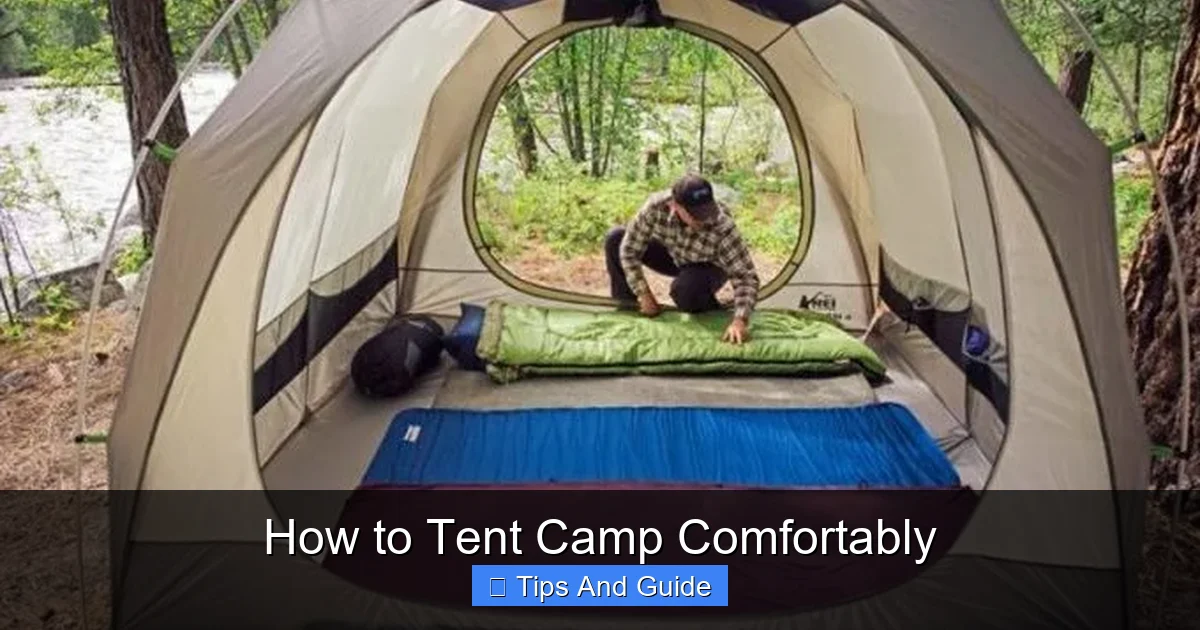
When it comes to comfort, tent size is crucial. While a tent might be advertised for “2 people,” it often means two people with minimal gear. For a comfortable experience, especially if you’re car camping, opt for a tent that’s one size larger than you think you need. This extra space allows for movement, storage of gear inside the tent, and a less cramped feeling. If you plan on bringing chairs inside during bad weather, more space is definitely a plus. For families, consider a tent with multiple rooms or a larger single space.
H3: Seasonality and Durability
Tents are often rated for different seasons. A 3-season tent is suitable for spring, summer, and fall, offering good ventilation and protection from rain and wind. A 4-season tent is designed for harsh winter conditions, with stronger poles and less mesh to retain heat. For most casual camping, a good 3-season tent is perfect. Also, consider the tent’s material and construction. Ripstop nylon is durable and resistant to tears. Look for tents with sturdy zippers and reinforced seams. Exploring the best camp tents can give you a good overview of popular and reliable options.
H3: Ease of Setup
Especially if you’re new to camping or planning a trip with frequent moves, a tent that’s easy to set up is a huge comfort factor. Many modern tents feature color-coded poles and clips, making assembly straightforward. Some tents, like pop-up tents, can be set up in seconds, offering instant shelter and convenience. For those who prefer more space and headroom, looking into the best pop-up tents you can stand up in might be a great option.
2. Building Your Cozy Sanctuary: Campsite Selection and Setup
Visual guide about How to Tent Camp Comfortably
Image source: listoutdoor.com
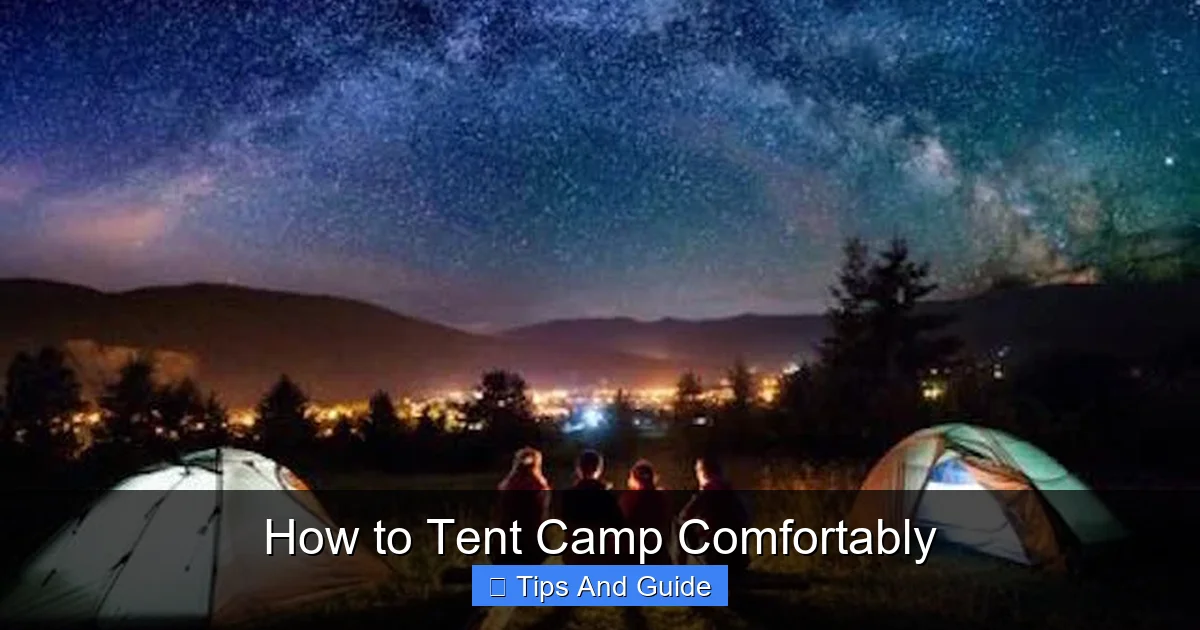
Where you pitch your tent significantly impacts your comfort. A well-chosen and properly set-up site can prevent a multitude of discomforts.
H3: Finding the Ideal Spot
* **Level Ground:** Always seek out the flattest ground available. Sleeping on a slope is incredibly uncomfortable, causing you to slide down in your sleeping bag.
* **Drainage:** Avoid low-lying areas that might collect water if it rains. Look for slightly elevated spots.
* **Shelter from Wind:** Natural windbreaks like trees or large rocks can make a big difference in your comfort, especially on windy nights. Be mindful of dead branches above you, though!
* **Proximity to Amenities:** Consider how close you want to be to restrooms, water sources, and the main camp area. Convenience can contribute to comfort.
* **Shade and Sun:** In summer, some morning shade can be a blessing, helping to keep your tent cooler. In cooler months, a spot that gets morning sun can help warm up your tent.
H3: Preparing the Ground
Before pitching your tent, clear the area of any sharp rocks, sticks, or debris that could poke through the tent floor or make sleeping uncomfortable. You can use a ground tarp or footprint (a custom-fit sheet for your tent’s floor) to add an extra layer of protection and insulation. Ensure the ground tarp doesn’t extend beyond the tent’s rainfly, as this can direct rainwater under your tent.
H3: Pitching Your Tent Correctly
Follow the manufacturer’s instructions. Secure all stakes firmly into the ground, ensuring the tent is taut. This prevents flapping in the wind and helps water run off effectively. If you have a rainfly, make sure it’s properly attached and tensioned. Proper ventilation is key to preventing condensation buildup inside the tent, which can make you feel damp and cold. Most tents have vents that you can open or close.
3. The Key to Sweet Dreams: Your Sleeping System
Visual guide about How to Tent Camp Comfortably
Image source: pretravels.com
This is arguably the most critical element for comfortable tent camping. Prioritizing your sleep setup will pay dividends in your overall enjoyment.
H3: The Foundation: Sleeping Pad or Air Mattress
Sleeping directly on the ground, even with a sleeping bag, is cold and uncomfortable. A sleeping pad or air mattress provides crucial insulation from the cold ground and cushioning for your body.
* **Sleeping Pads:** These range from simple closed-cell foam pads to inflatable insulated mats. Foam pads are durable and inexpensive but offer less comfort. Inflatable pads are much more comfortable and often provide excellent insulation. Look for an R-value (insulation rating) that suits the expected temperatures.
* **Air Mattresses:** These offer the most comfort, akin to sleeping on your bed at home. Ensure you have a reliable pump and consider bringing a patch kit. Some higher-end air mattresses have built-in pumps. For a luxurious sleep, explore the best camping beds for tents.
* **Camping Cots:** Another excellent option for comfort is a camping cot, which lifts you off the ground entirely, providing both insulation and comfort. Many are surprisingly lightweight and easy to set up. Discover the best camping cots for tents.
H3: The Cozy Cocoon: Sleeping Bag Selection
Your sleeping bag is your personal microclimate. Choose one with a temperature rating appropriate for the coldest temperatures you anticipate. It’s always better to have a bag that’s too warm and can be unzipped than one that’s too cold.
* **Temperature Ratings:** These are typically a “comfort rating” (for women) and a “limit rating” (for men). Go by the comfort rating for your best bet.
* **Fill Type:** Down is lightweight and highly compressible but loses insulating ability when wet. Synthetic fill is bulkier but insulates even when damp and is generally more affordable.
* **Shape:** Mummy bags are warmer and more form-fitting, while rectangular bags offer more room to move.
H3: The Extra Comfort: Pillows and Blankets
Don’t underestimate the power of a good pillow! A deflated camping pillow, a rolled-up jacket, or even a stuff sack filled with clothes can make a world of difference. Bringing an extra blanket or quilt can add warmth on chilly nights or serve as a cozy throw for sitting around the campfire.
4. Staying Warm and Cozy: Temperature Management
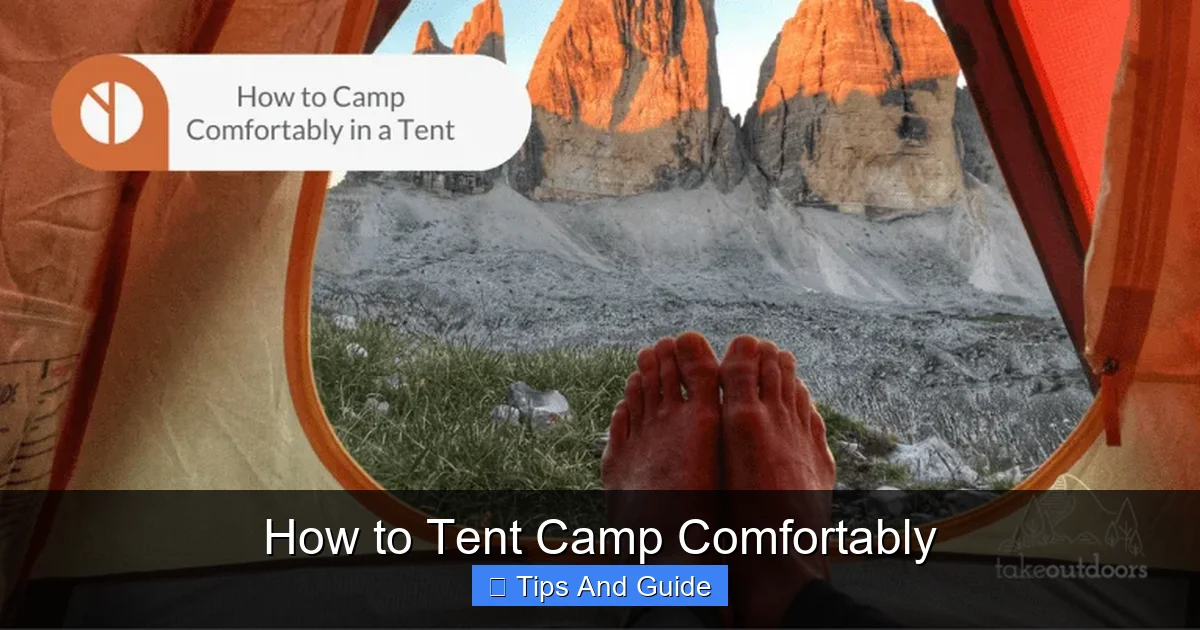
Visual guide about How to Tent Camp Comfortably
Image source: takeoutdoors.com
Maintaining a comfortable temperature inside your tent is crucial for a good night’s sleep.
H3: Layering is Key
* **For Sleeping:** Wear moisture-wicking base layers (synthetics or wool, avoid cotton) to manage sweat. Add an insulating layer (like fleece) if it’s cold. You can always shed layers if you get too warm.
* **In the Tent:** Keep your sleeping clothes separate from your day clothes. Having a dry, dedicated set of pajamas can greatly improve comfort.
H3: Ventilation and Condensation
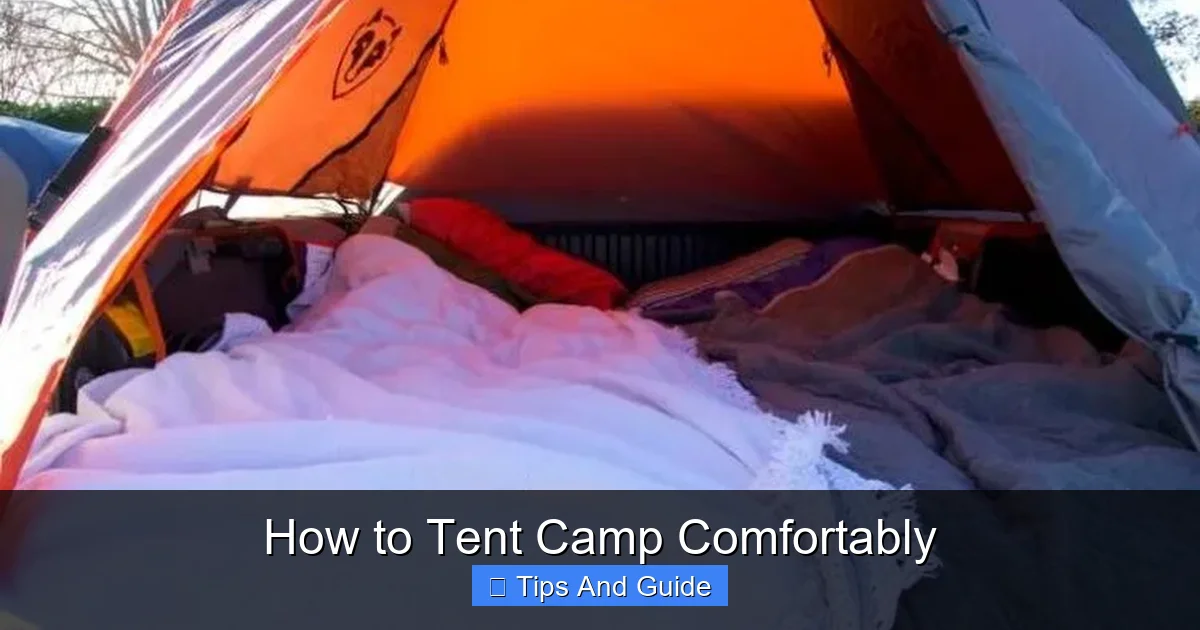
Even in cold weather, some ventilation is necessary. Condensation forms when warm, moist air inside your tent meets the cooler tent walls. Open your tent’s vents, or crack open a window slightly. If condensation becomes a problem, it can make your sleeping bag damp and cold.
H3: Heating Your Tent (Use with Caution)
For very cold conditions, a tent heater might be considered. However, safety is paramount.
* **Propane Heaters:** These are powerful but must be used with extreme caution due to the risk of carbon monoxide poisoning and fire. Always ensure adequate ventilation and never sleep with a propane heater running unattended. Read reviews and understand the safety features of the best camp tent heaters.
* **Electric Heaters:** If you have access to electricity (e.g., at a campground with hookups), electric heaters can be a safer option.
* **Alternative Methods:** Hot water bottles (filled with hot water, not boiling) placed in your sleeping bag can provide a cozy warmth for hours.
5. Packing for Comfort: Beyond the Essentials
Comfort isn’t just about sleeping. A few extra items can elevate your tent camping experience from basic to blissful.
H3: Camp Chairs
Having a comfortable place to sit outside your tent is a game-changer. Camp chairs come in various styles, from basic folding chairs to luxurious reclining models. They allow you to relax, read, or enjoy the scenery without being confined to the ground.
H3: Lighting
Good lighting transforms your tent into a cozy haven after dark.
* **Headlamps:** Essential for hands-free tasks like setting up camp or navigating at night.
* **Lanterns:** Battery-powered or rechargeable lanterns provide ambient light for inside the tent or around your campsite. Look for options with dimming features for a more relaxed atmosphere. Explore the best camping lights for tents for various options.
H3: Entertainment and Ambiance
* **Books or E-readers:** For quiet evenings or rainy days.
* **Portable Speaker:** For enjoying music (be considerate of neighbors!).
* **Cards or Games:** For group entertainment.
H3: Personal Comfort Items
* **Eye Mask and Earplugs:** If you’re sensitive to light or noise.
* **Moisturizer and Lip Balm:** The dry air can be tough on your skin.
* **A Small Rug or Mat:** For the entrance of your tent to keep dirt out.
Troubleshooting Common Comfort Issues
* **”I’m too cold!”**
* Add more layers.
* Ensure your sleeping pad is providing enough insulation.
* Fill a water bottle with hot water and place it in your sleeping bag.
* Eat a warm meal or snack before bed.
* Do some light exercise to warm up.
* **”I’m too hot!”**
* Ventilate your tent more.
* Sleep with your sleeping bag unzipped or just use a liner.
* Consider a battery-powered camping fan.
* **”My back hurts!”**
* Ensure you have a good sleeping pad or air mattress that provides adequate cushioning.
* Try to find the flattest spot to pitch your tent.
* **”My tent is damp!”**
* Increase ventilation.
* Ensure your rainfly is properly set up to direct water away.
* Avoid breathing directly onto tent walls.
Conclusion
Tent camping doesn’t have to be a test of endurance. By investing in the right gear, planning your campsite thoughtfully, and paying attention to the details of your sleeping setup and temperature management, you can transform your outdoor experience into one of pure comfort and relaxation. Remember that practice makes perfect. The more you camp, the better you’ll understand your needs and preferences. So, pack your bags, embrace the adventure, and get ready to enjoy the great outdoors in cozy contentment!