How to Tent a Pie
Learn how to tent a pie and achieve a perfectly cooked, golden-brown crust. This guide covers everything from preparing your dough to crimping and baking. Discover how to create vents that allow steam to escape, preventing soggy bottoms and blowouts. Mastering the pie tent is key to a beautiful and delicious homemade pie.
## How to Tent a Pie
There’s nothing quite like a homemade pie. The flaky crust, the sweet or savory filling – it’s a classic for a reason. But sometimes, pies can be a little… temperamental. You might have had a pie where the crust turned out soggy, or worse, the filling bubbled up and escaped, making a mess in your oven. The good news is, there’s a simple yet crucial technique that can help you avoid these pie-related woes: **tenting your pie**.
In this comprehensive guide, we’ll walk you through everything you need to know about how to tent a pie. From understanding why it’s so important to mastering different venting techniques, you’ll be baking picture-perfect pies in no time. We’ll cover the basics, dive into decorative options, offer helpful tips, and even troubleshoot common issues. So, let’s get started on your journey to pie-making perfection!
### Why Is Tenting a Pie So Important?
Before we get to the “how,” let’s understand the “why.” When you bake a pie, especially one with a fruit or custard filling, heat causes the moisture within the filling to turn into steam. If this steam has no escape route, it builds up pressure. This pressure can lead to several undesirable outcomes:
*
Soggy Bottom Crust: Trapped steam condenses back into liquid, making the bottom crust soft and damp instead of crisp and flaky.
*
Cracked or Blown-Out Crust: The pressure can force the top crust to crack open in unsightly ways, letting filling ooze out.
*
Uneven Baking: Trapped steam can prevent the filling from cooking through properly.
Tenting, or creating vents in the top crust, provides a pathway for this steam to escape. This allows the crust to bake up beautifully golden and crisp, and the filling to cook evenly.
### Preparing Your Pie Dough for Tenting
The success of your tenting technique starts with the dough itself. Whether you’re using a homemade recipe or store-bought dough, a few key points will make the process smoother.
#### Choosing the Right Dough
For most pies, a flaky pastry dough is ideal. You want a dough that’s tender but strong enough to hold its shape.
#### Handling the Dough
It’s crucial that your pie dough is well-chilled but not so cold that it becomes brittle. Dough that is too cold will crack when you try to cut or shape vents. Dough that is too warm will be sticky and difficult to handle, and may not hold its crimped edges.
-
Chilling is Key: Always ensure your dough has been properly chilled, usually for at least 30 minutes to an hour in the refrigerator, and often an additional 15-30 minutes after it’s been fitted into the pie plate.
-
Gentle Handling: When you’re ready to create your vents, handle the dough gently. Avoid stretching or tearing it.
### Basic Pie Tenting Techniques: Simple and Effective
These methods are perfect for beginners and for pies where functionality is more important than elaborate decoration.
#### 1. The Simple Slit Method
This is the most straightforward way to vent a pie. It’s quick, easy, and effective.
Steps:
-
Prepare Your Top Crust: After you’ve placed your top crust over the filling and sealed the edges, take a sharp knife or a small pastry blender.
-
Make the Cuts: Cut 4-6 slits in the top crust. Aim for slits that are about 1-2 inches long. You can make them straight, curved, or even in a star pattern.
-
Consider Placement: Space the slits evenly across the top crust. Avoid cutting too close to the edge, as this can compromise the seal.
Tip: If you’re making a fruit pie, you can arrange the slits in a pattern that complements the fruit, like radiating outwards from the center.
#### 2. The Cut-Out Method
This method adds a touch of flair to your pie without being overly complicated. It’s great for using cookie cutters.
Steps:
-
Prepare Your Top Crust: Lay your top crust over the pie filling.
-
Use Cookie Cutters: Select small to medium-sized cookie cutters (stars, leaves, circles, hearts). Press them firmly into the top crust to cut out shapes.
-
Remove the Cut-Outs: Carefully remove the dough shapes. You can discard them, bake them separately for a garnish, or re-roll them if you’re feeling ambitious.
-
Ensure Enough Openings: Make sure you have enough cut-outs to allow ample steam to escape. Aim for coverage similar to the simple slit method.
Tip: Mini cookie cutters are perfect for smaller pies or for creating a decorative border of cut-outs.
#### 3. The Lattice Top
A lattice top is a classic and beautiful way to tent a pie. It’s slightly more involved but offers excellent ventilation and visual appeal.
Steps:
-
Prepare Your Dough: You’ll need enough dough for your bottom crust, and then extra for the lattice strips. Roll out the extra dough and cut it into even strips. The width of the strips can vary, from 1/2 inch to 1 inch.
-
Lay the First Set of Strips: Place about half of your strips vertically and evenly spaced across the pie filling. Don’t worry about sealing them yet.
-
Weave the Second Set: Take the remaining strips and weave them over and under the vertical strips. Start by lifting every other vertical strip, laying a horizontal strip across, then putting the lifted strips back down. Repeat this process, alternating which vertical strips you lift for each horizontal strip.
-
Trim and Seal: Once woven, trim the ends of the lattice strips so they align with the edge of the pie crust. Fold the bottom crust’s overhang over the ends of the lattice strips and crimp everything together to create a secure seal.
Tip: For a cleaner lattice, ensure your dough is firm. If it gets too soft while weaving, pop it in the fridge for a few minutes.
### Decorative Tenting Techniques
Want to elevate your pie to a showstopper? These decorative techniques add an extra layer of artistry.
#### 1. Decorative Edges and Cut-Outs
Combine the simple slit or cut-out methods with decorative crimping for a professional finish.
Steps:
-
Create Your Vents: Use your chosen method (slits or cut-outs) for the main ventilation.
-
Decorate the Edges: Use a fork, a pastry wheel, or your fingers to create a decorative crimped edge. You can also use small cookie cutters to make tiny shapes along the outer edge of the crust.
Tip: For a rustic look, press the tines of a fork around the entire perimeter of the pie.
#### 2. The Full Decorative Top Crust
This involves cutting out shapes from a full top crust and arranging them artfully.
Steps:
-
Roll Out Your Dough: Roll out your top crust dough to the desired thickness.
-
Cut Out Shapes: Use various cookie cutters to create an array of shapes. Think about how they will fit together.
-
Arrange and Seal: Place the shapes onto the pie filling, overlapping them slightly to create a visually appealing mosaic. Brush the edges of the shapes that will touch the bottom crust with egg wash or water and press them onto the bottom crust to seal.
Tip: This method works best with thicker fillings that won’t spread too much, like apple or pecan pie.
### Practical Tips for Perfect Pie Tenting
Beyond the basic steps, a few extra tips can make a big difference.
-
Egg Wash for Shine: Before baking, brush your top crust and vents with an egg wash (one egg beaten with a tablespoon of water or milk). This gives the crust a beautiful golden-brown sheen.
-
Sugar for Sweetness and Crunch: Sprinkle a little coarse sugar (like turbinado or sanding sugar) over the egg wash for added sweetness and a delightful crunch.
-
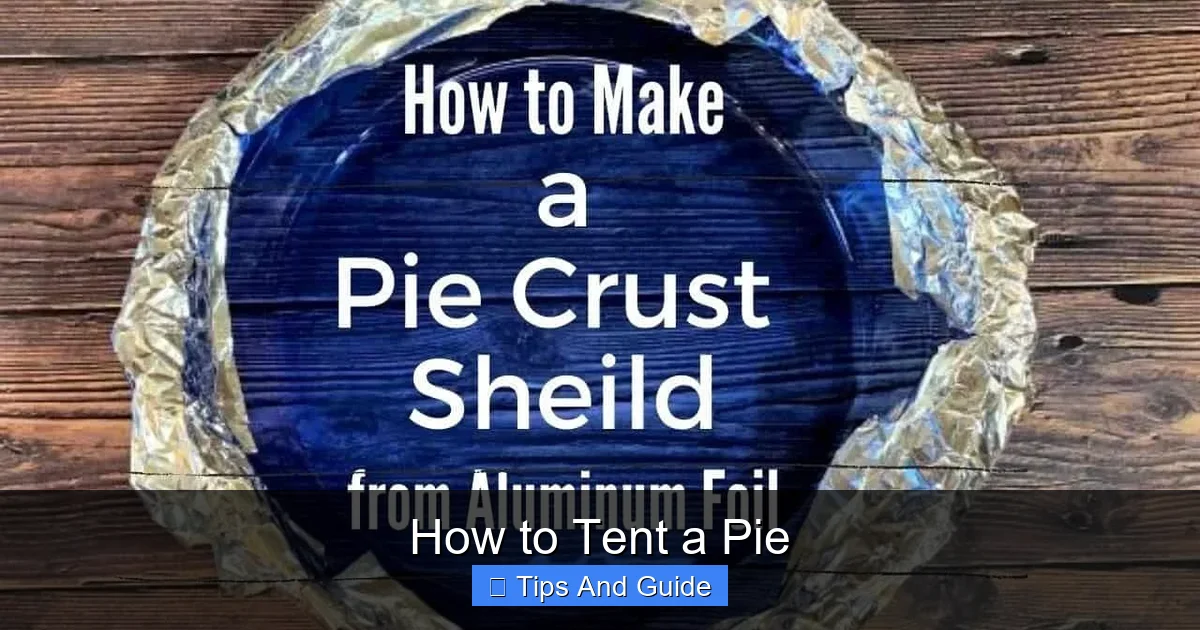
Prevent Over-Browning: If your crust edges or vents start to brown too quickly, you can loosely tent them with aluminum foil. This protects them while the rest of the pie finishes baking.
-
Consider Your Filling: The type of filling will influence how much ventilation you need. Wet fillings like berries or custards require more generous venting than drier fillings like meat or some fruit pies.
-
Dough Thickness Matters: A pie crust that is too thin might tear when you’re cutting vents. A crust that is too thick can be difficult to cut through cleanly.
-
Pre-bake if Necessary: For very wet fillings, you might consider a partial pre-bake of the bottom crust (blind baking) before adding the filling and the top crust. This helps ensure a crisp bottom, even with generous venting.
### Troubleshooting Common Pie Tenting Issues
Even with the best intentions, you might encounter a few common pie problems. Here’s how to fix them:
#### Issue: Soggy Bottom Crust
Cause: Insufficient steam escape, under-baking, or a filling that’s too wet.
Solution:
-
Ensure Adequate Vents: Double-check that your vents are large enough and plentiful.
-
Bake Longer: Sometimes the pie just needs more time in the oven. If the top is browning too fast, cover it with foil.
-
Lower Oven Temperature: If your oven runs hot, lowering the temperature slightly for the latter half of baking can help cook the bottom crust through.
-
Consider Blind Baking: For very wet fillings, blind baking the bottom crust first is a lifesaver.
#### Issue: Filling Leaking Out
Cause: Vents are too large, dough is not sealed properly, or the filling is too full.
Solution:
-
Seal Edges Tightly: Ensure you’ve crimped the edges firmly to create a good seal.
-
Control Filling Level: Don’t overfill your pie. Leave a little space at the top for the filling to expand slightly.
-
Repair Small Leaks: If a small leak occurs, you can try to patch it with a small piece of dough while the pie is still warm, or simply embrace the rustic charm!
-
Use Foil: If leaks are significant, place a baking sheet on the rack below your pie to catch drips.
#### Issue: Crust Browning Too Quickly
Cause: Oven temperature too high, or sugar content in the crust or filling.
Solution:
-
Use Foil: As mentioned, loosely tent the edges or the entire pie with aluminum foil once they reach your desired color.
-
Lower Oven Temp: Adjust your oven temperature if it consistently runs hot.
-
Reduce Sugar (if possible): If your recipe has a lot of sugar in the crust or filling, it can contribute to faster browning.
#### Issue: Cracking Dough When Venting
Cause: Dough is too cold and brittle, or you’re using too much force.
Solution:
-
Let Dough Warm Up: Allow the dough to sit at room temperature for a few minutes until it’s pliable but still cool.
-
Gentle Pressure: Use a sharp knife or tool and apply steady, even pressure rather than forcing it.
### Conclusion
Mastering how to tent a pie might seem like a small detail, but it’s one of the most effective ways to ensure a beautiful, delicious, and perfectly baked pie every single time. Whether you opt for simple slits or a stunning lattice, the goal is the same: to allow steam to escape, leading to a crisp crust and a perfectly cooked filling.
So, the next time you bake a pie, remember to vent it! With a little practice and these tips, you’ll be creating pies that are as delightful to look at as they are to eat. Happy baking!
- Why Tent Your Pie: Tenting a pie involves creating vents or openings in the top crust to allow steam to escape during baking. This prevents the crust from becoming soggy and avoids blowouts.
- Types of Pie Tents: From simple slits to decorative cutouts and full lattice tops, there are various ways to tent a pie depending on your desired aesthetic and the pie’s filling.
- Preparing the Dough: Use a good quality pie dough that is chilled but pliable. Overworking or too-cold dough can crack when you try to vent it.
- Cutting and Shaping Vents: Whether using a knife, cookie cutters, or a pizza wheel, ensure your vents are large enough to allow sufficient steam release without letting too much filling escape.
- Crimping for Seal: Properly crimping the edges not only seals the pie but also helps hold the top crust in place, especially important when creating decorative vents.
- Baking to Perfection: Always bake your tented pie at the correct temperature, often starting high and then lowering it, to ensure both the crust and filling cook evenly.
- Troubleshooting Common Issues: Address common problems like soggy bottoms, over-browning, or filling leaks with simple adjustments to your tenting and baking techniques.