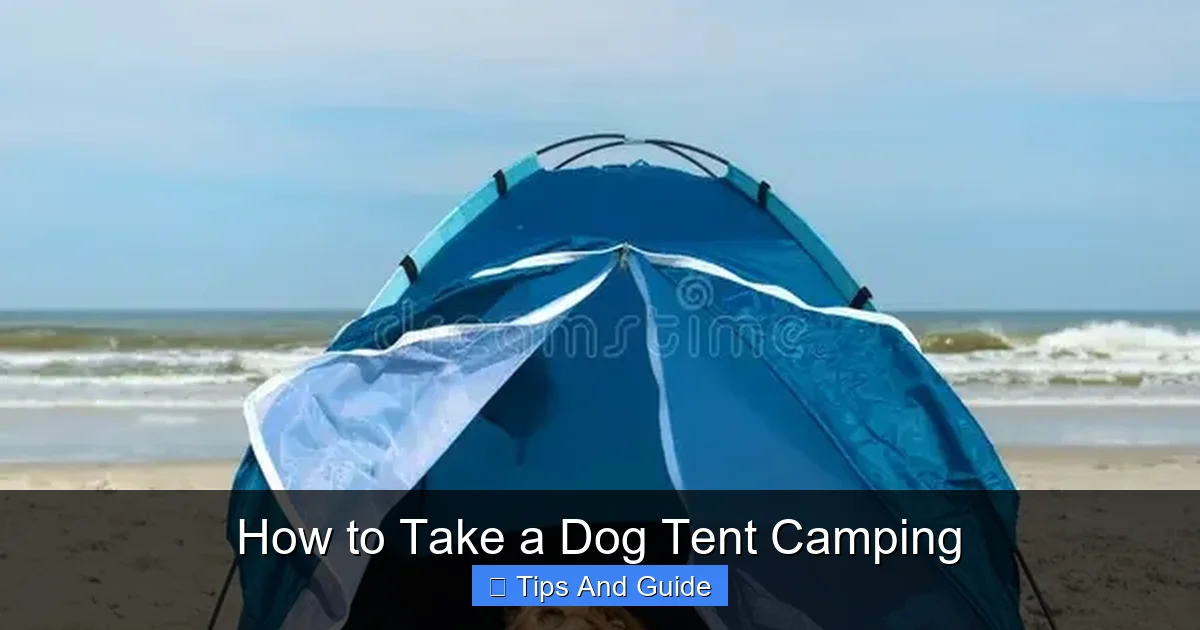
How to Take a Dog Tent Camping
Taking your dog tent camping can be a rewarding experience for both of you. This guide covers everything from choosing the right gear and preparing your dog to setting up camp and ensuring their safety. Embrace the outdoors with your canine companion and create lasting memories.
# How to Take a Dog Tent Camping
Camping with your dog can be one of the most rewarding adventures you can share. The fresh air, the new sights and smells, and the chance to explore together create bonds that last a lifetime. However, taking your canine companion on a camping trip requires careful planning and preparation to ensure everyone stays safe, comfortable, and happy. This comprehensive guide will walk you through everything you need to know about taking a dog tent camping, from initial planning to packing and setting up camp.
## 1. Research and Choose Dog-Friendly Locations
The first and most crucial step is to find a place where your dog is welcome. Not all campgrounds allow dogs, and some may have specific restrictions on breed, size, or where they can go.
### H3: Finding Dog-Friendly Campgrounds
* Online Resources: Websites like the National Park Service, state park systems, and private campground directories often have filters or sections dedicated to pet-friendly accommodations. Look for campgrounds that explicitly state “dogs welcome.”
* Check Campground Websites: Once you’ve identified potential campgrounds, visit their official websites. Look for their pet policy section. This will detail any restrictions, fees, and rules.
* Call Ahead: Don’t hesitate to call the campground directly. This is the best way to get the most up-to-date information and ask any specific questions you might have about camping with your dog.
* Consider the Environment: Think about the terrain and activities available. Are there good hiking trails nearby? Is the area safe for your dog? Are there water sources available if needed? For example, if you’re looking for a seaside escape, exploring options for a best beach tent for dog can be a good starting point for protecting them from the sun.
### H3: Understanding Campground Rules
Most dog-friendly campgrounds will have rules in place to ensure the safety and comfort of all campers. These typically include:
* Leash Laws: Dogs must be kept on a leash at all times when outside your tent or vehicle. This is for their safety and to prevent them from disturbing other campers or wildlife.
* Vaccination Records: Some campgrounds may require proof of vaccinations. It’s wise to carry your dog’s vaccination records with you.
* Waste Disposal: You are responsible for cleaning up after your dog immediately. Be prepared to carry out all waste.
* Noise Control: Excessive barking can be a nuisance. Try to keep your dog quiet, especially during quiet hours.
* Supervision: Dogs should never be left unattended at the campsite.
## 2. Prepare Your Dog for Camping
Your dog’s temperament and training play a significant role in how successful your camping trip will be.
### H3: Assess Your Dog’s Temperament
* Socialization: Is your dog comfortable around new people and other dogs? Camping can expose them to many new stimuli.
* Anxiety: Does your dog experience separation anxiety or fear of loud noises? Camping can involve unfamiliar sounds and being away from their usual routine.
* Energy Levels: Consider if your dog has the stamina for hiking and exploring.
### H3: Basic Training and Obedience
* “Come” and “Stay” Commands: These are essential for safety, especially if your dog ever gets off-leash unexpectedly.
* “Leave It”: This command is vital for preventing your dog from eating something harmful in the wild.
* House Training: Ensure your dog is reliably house-trained and understands where to go to the bathroom.
### H3: Acclimatize Your Dog to the Tent and Gear
Before you head out, let your dog get used to the camping gear.
* The Tent: Set up your tent in your backyard or living room a few days before your trip. Let your dog explore it. You can even feed them treats or their meals inside to create positive associations.
* The Sleeping Area: Introduce them to their dog bed or mat. If you plan on using a best camping mat for tent for them, let them sleep on it at home.
* Car Travel: If your trip involves driving, ensure your dog is comfortable with car travel.
## 3. Essential Gear for Your Dog
Packing the right gear is crucial for your dog’s comfort and safety.
### H3: Sleeping Arrangements
* Dog Bed or Mat: A comfortable, portable dog bed or mat will make them feel at home in the tent. Consider a waterproof option if your dog is prone to accidents. Look for something durable and easy to clean.
* Blankets: Familiar blankets from home can provide extra comfort and warmth.
### H3: Food and Water
* Food Bowls: Collapsible bowls are great for saving space. Bring enough of their regular dog food for the entire trip, plus a little extra.
* Water Bowls: Ensure access to fresh water at all times. Consider a portable water dispenser.
* Water Source: Plan how you will access fresh water for drinking and for your dog.
### H3: Safety and Health
* Leash and Collar: A sturdy leash and a well-fitting collar with an ID tag are non-negotiable. Ensure your dog’s microchip information is up-to-date.
* Harness: A comfortable harness can be better for hiking and preventing neck strain.
* First-Aid Kit: Pack a dog-specific first-aid kit. Include items like antiseptic wipes, gauze, bandages, tick remover, tweezers, and any personal medications your dog might need. Knowing how to use these items is important.
* Poop Bags: Bring plenty of biodegradable poop bags. You’ll be picking up after your dog frequently.
* Light: A small light for your dog’s collar can help you see them in the dark and make them visible to others. Consider a best camping light for tent that might also serve as a collar light.
* Protection from Pests: Depending on your location, you might need flea, tick, and mosquito repellent for your dog. Consult your veterinarian for safe options.
### H3: Comfort and Entertainment
* Toys: Bring a few of their favorite toys to keep them entertained and reduce boredom. Chew toys are excellent for helping them settle down.
* Towel: A towel is useful for drying off a wet dog, cleaning up messes, or even as an extra layer of bedding.
## 4. Setting Up Your Campsite with Your Dog
Once you arrive at your campsite, setting up a comfortable and safe space for your dog is essential.
### H3: Choosing the Right Tent Spot
* Level Ground: Find a level spot for your tent to ensure a comfortable night’s sleep for both you and your dog.
* Shade: If possible, set up your tent in a shaded area, especially during warmer months, to prevent overheating inside the tent.
* Away from Hazards: Avoid setting up near steep drop-offs, ant hills, or areas with lots of thorny bushes.
### H3: Creating a Den Inside the Tent
* Dog Bed Placement: Place your dog’s bed or mat in a designated spot inside the tent.
* Familiar Items: Having their favorite blanket or toy in their sleeping area will make them feel more secure.
* Ventilation: Ensure good ventilation in the tent. Open windows or use a best camping fan for tent if it gets warm. Proper airflow is crucial for both you and your dog.
### H3: Securing Your Dog
* Leash and Tie-Out: Use a long leash or a stake and tie-out system to give your dog some freedom while ensuring they stay within the campsite boundaries.
* Supervision: Even with a tie-out, always supervise your dog.
## 5. During Your Camping Trip: Keeping Your Dog Safe and Happy
Your dog’s well-being is paramount while you’re out in nature.
### H3: Hiking and Exploring
* Leash Up: Always keep your dog on a leash when hiking, even on trails where dogs are allowed off-leash. You never know what you might encounter, from wildlife to other dogs.
* Hydration: Carry plenty of water for your dog and offer it frequently, especially during strenuous activity.
* Paw Protection: Rocky or hot terrain can hurt your dog’s paws. Consider dog booties if needed. Check their paws regularly for cuts or abrasions.
* Know the Flora and Fauna: Be aware of poisonous plants or dangerous animals in the area. Teach your dog the “leave it” command to avoid them investigating something harmful.
### H3: Campsite Etiquette
* Respect Other Campers: Keep your dog from bothering other campers. This includes barking, jumping, or wandering into their sites.
* Wildlife Awareness: Never feed or approach wild animals. Your dog should also be kept away from them.
* Cleanliness: Clean up after your dog immediately. Don’t leave any messes behind.
### H3: Nighttime in the Tent
* Potty Breaks: Take your dog out for a potty break right before bed and first thing in the morning.
* Comfort: Ensure they have their comfortable sleeping spot and are not too hot or too cold. If the temperature drops, consider using extra blankets. For colder nights, you might look into a best camping heater for tent, but always use them with extreme caution and ensure proper ventilation and safety.
* Sounds: Some dogs get spooked by nighttime noises. Speak to them calmly and reassuringly.
## 6. Troubleshooting Common Issues
Even with the best planning, things can sometimes go awry.
### H3: Excessive Barking
* Identify the Cause: Is your dog barking at wildlife, other campers, or just feeling anxious?
* Solutions: Try to redirect their attention with a toy or treat. Speak calmly. If it’s due to anxiety, work on positive reinforcement. Sometimes, a best camping fan for large tent can help circulate air and create a more comforting environment.
### H3: Destructive Behavior
* Boredom: Ensure your dog has enough mental and physical stimulation. Provide plenty of chew toys.
* Anxiety: If your dog is chewing due to stress, try to desensitize them to being alone or in new environments.
### H3: Escape Attempts
* Secure Leash and Tie-Out: Double-check that leashes are secure and tie-out stakes are firmly in the ground.
* Fencing: Some campsites offer or allow temporary portable dog fencing.
## 7. Leave No Trace with Your Dog
Adhering to Leave No Trace principles is vital for preserving the natural beauty of the places you visit.
### H3: Pack It In, Pack It Out
* Waste: This applies to both your trash and your dog’s waste. Always carry out what you carry in.
* Food Scraps: Do not leave any food scraps behind, as they can attract wildlife and create dependency.
### H3: Respect Wildlife
* Maintain Distance: Keep your dog under control and at a safe distance from all wildlife.
* Minimize Noise: Avoid loud noises that can disturb animals.
### H3: Stay on Trails
* Protect Vegetation: Keep your dog on marked trails to avoid damaging fragile ecosystems.
## Conclusion
Taking your dog tent camping can be an incredibly rewarding experience, fostering a deeper connection with your canine companion and the great outdoors. By planning ahead, packing the right gear, and being mindful of your dog’s needs and the environment, you can ensure a safe, enjoyable, and memorable adventure for everyone. So, leash up your best friend, pack your tent, and hit the trail – a world of adventure awaits!
Key Takeaways
- Plan Ahead: Research dog-friendly campgrounds and check their specific rules regarding pets.
- Gear Up Appropriately: Ensure you have essential items like a dog bed, leash, food and water bowls, and waste bags.
- Acclimatize Your Dog: Introduce your dog to the tent and camping environment gradually before your trip.
- Prioritize Safety: Keep your dog leashed, supervise them at all times, and be aware of potential hazards like wildlife and plants.
- Comfort is Key: Make the tent a cozy den for your dog with familiar bedding and toys.
- Leave No Trace: Always clean up after your dog and minimize your impact on the environment.