How to Stay Warm Tent Camping in Winter
Don’t let cold weather deter your camping adventures! This comprehensive guide provides all the knowledge you need to stay warm and comfortable while tent camping in winter. We’ll cover everything from choosing the right tent and sleeping gear to dressing in layers and setting up your campsite effectively. With these tips, you can enjoy the beauty of winter camping and have a safe and memorable experience.
How to Stay Warm Tent Camping in Winter
Winter tent camping offers a unique and beautiful experience. The quiet snow-covered landscapes, crisp air, and starry nights are incredibly rewarding. However, staying warm and comfortable in sub-freezing temperatures is crucial for safety and enjoyment. This guide will walk you through everything you need to know to conquer winter camping like a pro.
Key Takeaways
- Choose the Right Tent: Opt for a four-season tent with a sturdy frame, ample snow-load capacity, and good ventilation to prevent condensation.
- Invest in Quality Sleeping Gear: A high-temperature rated sleeping bag and an insulated sleeping pad are crucial for retaining body heat overnight.
- Layer Your Clothing Wisely: Utilize a three-layer system (base, mid, and outer) made of moisture-wicking, insulating, and waterproof materials.
- Master Campsite Selection and Setup: Choose a sheltered spot, set up your tent on a level surface, and use snow or windbreaks to your advantage.
- Warm Your Tent Interior: Techniques like using a hot water bottle, a safe camping heater (with proper ventilation), or even body heat can significantly boost interior warmth.
- Stay Hydrated and Fueled: Consuming warm liquids and calorie-dense foods helps your body generate heat from the inside out.
- Prepare for the Unexpected: Always pack extra warm layers, emergency supplies, and a reliable communication device.
Understanding Winter Camping Challenges
Before we dive into solutions, let’s briefly touch on why winter camping is different. The primary challenge is the extreme cold. Your body loses heat much faster in low temperatures, and moisture can become a significant enemy, making you feel even colder. Condensation inside your tent can freeze, adding to the chill. Wind can also drastically lower the effective temperature. Successfully tackling these challenges requires preparation, the right gear, and smart techniques.
Choosing the Right Tent for Winter Conditions
Your tent is your primary shelter, so choosing the right one is paramount for winter camping.
Four-Season Tents: Your Winter Sanctuary
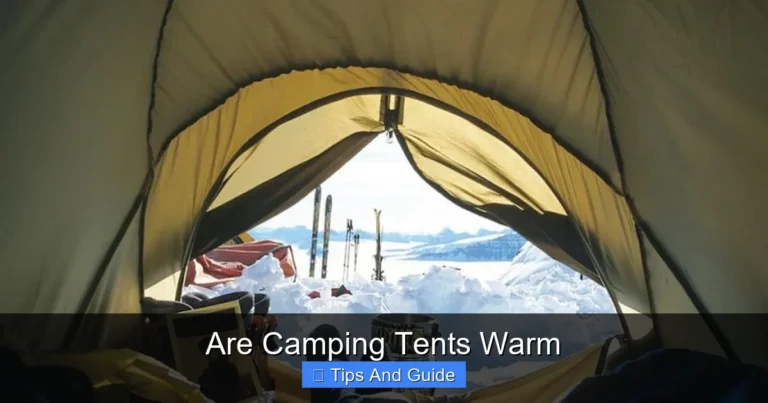
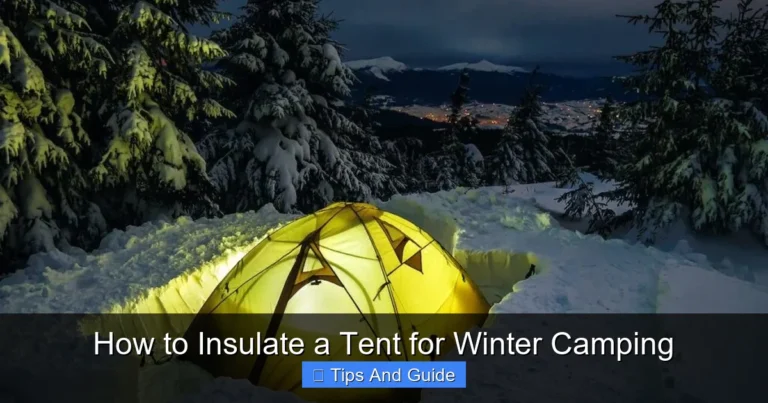
For serious winter camping, a four-season tent is highly recommended. These tents are specifically designed to withstand harsh weather, including heavy snow loads and strong winds.
Visual guide about How to Stay Warm Tent Camping in Winter
Image source: beyondthetent.com
- Sturdy Frame: They have robust pole structures that can handle significant weight.
- Snow Load Capacity: The design allows them to shed snow effectively, preventing collapse.
- Full Coverage Fly: The rainfly extends closer to the ground, providing better protection against wind and snow.
- Ventilation: While seemingly counterintuitive, good ventilation is key to managing condensation. Four-season tents usually have vents that can be adjusted to allow airflow without letting in too much cold air.
If you’re looking for a pop-up tent for winter, ensure it’s specifically rated for these conditions. Many pop-up tents are designed for fair weather and won’t hold up to snow or wind. Researching the best pop up tent for winter will be a worthwhile endeavor.
Tent Placement and Setup
Where you pitch your tent makes a big difference.
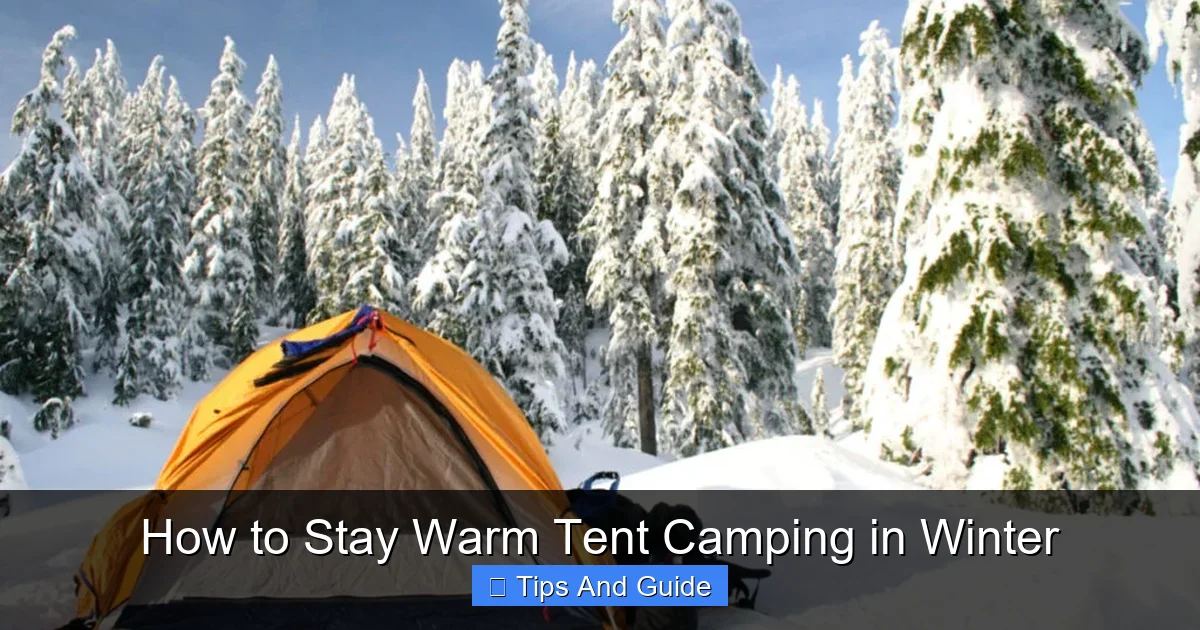
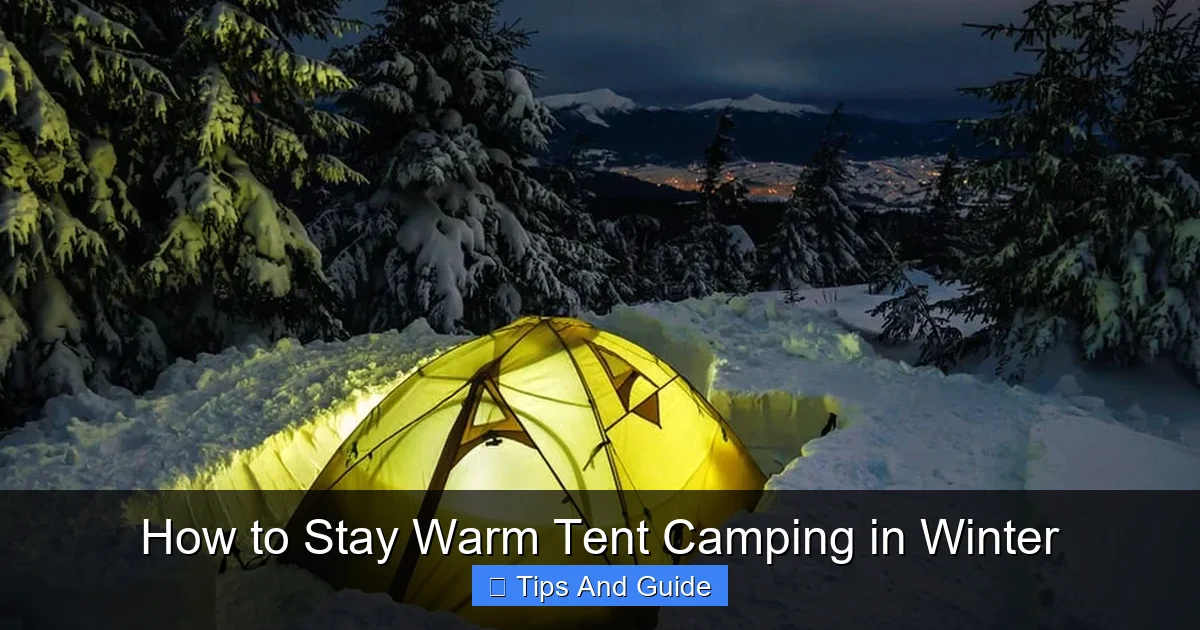
- Shelter is Key: Look for natural windbreaks like evergreen trees, large rocks, or hillsides. Avoid pitching your tent in an open, exposed area.
- Level Ground: Always try to pitch your tent on a flat, level surface. This helps prevent body heat from naturally flowing downwards and away from you.
- Snow Considerations: If camping in snow, pack down the snow where you’ll pitch your tent to create a firm base. You can also create a snow wall on the windward side of your tent for added protection.
- Guy Lines: Properly tension all guy lines to keep your tent taut and able to withstand wind.
Essential Sleeping Gear for Arctic Nights
Your sleeping system is your personal haven from the cold. Don’t skimp here!
The Sleeping Bag: Your Personal Cocoon
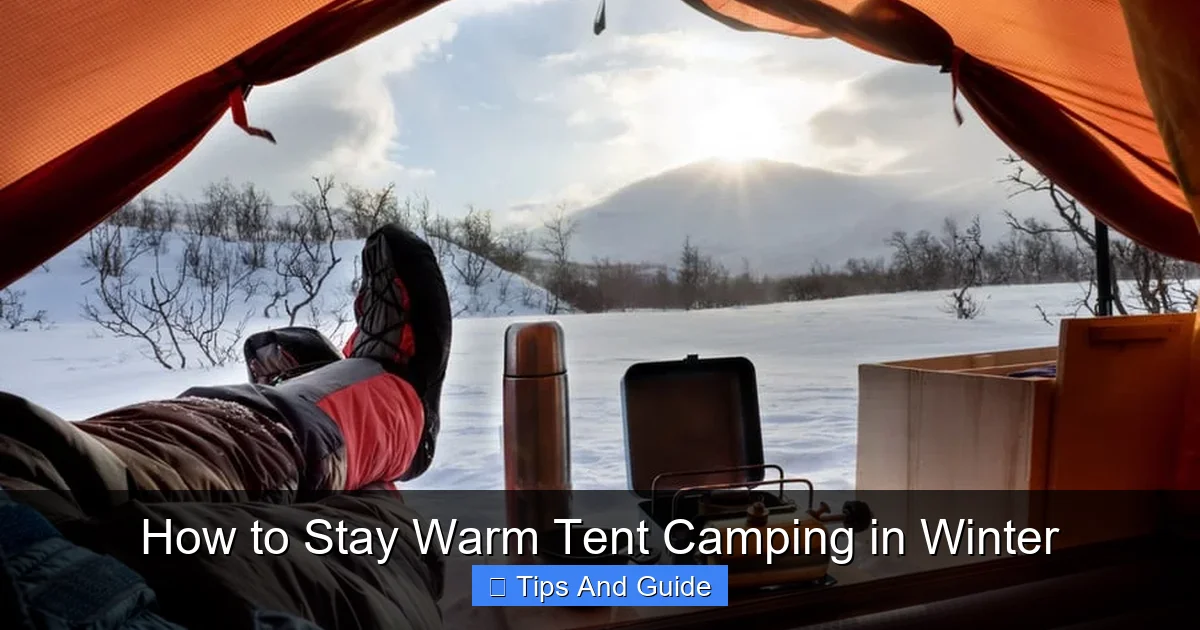
A sleeping bag rated for temperatures significantly below what you expect to encounter is non-negotiable. Look for bags with a temperature rating that is at least 10-20 degrees Fahrenheit lower than the coldest temperature you anticipate.
Visual guide about How to Stay Warm Tent Camping in Winter
Image source: beyondthetent.com
- Synthetic vs. Down: Down bags are lighter and more compressible but lose their insulating power when wet. Synthetic bags are bulkier but retain some warmth even when damp. For general winter camping, synthetic can be a more forgiving option.
- Shape Matters: Mummy-style sleeping bags are more efficient at trapping heat because they are designed to fit your body shape closely.
- Baffles: Look for well-constructed baffles (the stitched sections that hold the insulation) to prevent cold spots.
- Zipper Protection: A draft tube along the zipper is crucial to prevent heat loss.
The Sleeping Pad: Your Insulated Foundation
Many people underestimate the importance of a sleeping pad, but it’s vital for winter camping. Your sleeping bag insulates you from above, but your sleeping pad insulates you from the cold ground. Ground temperature can sap your body heat very quickly.
- R-Value: Look for sleeping pads with a high R-value, which indicates their resistance to heat flow. For winter camping, an R-value of 4 or higher is recommended. Consider using two pads: a closed-cell foam pad on the bottom for durability and insulation, topped with an inflatable insulated pad for extra comfort and warmth.
- Types of Pads:
- Closed-Cell Foam: Durable, inexpensive, and won’t deflate. Excellent as a base layer.
- Inflatable Insulated Pads: Offer more comfort and are often warmer but can be punctured.
- Self-Inflating Pads: A good balance of comfort and insulation, but can also be punctured.
Investing in the best camping mat for tent use, especially an insulated one with a high R-value, will make a world of difference in your winter camping comfort. Many campers find that a good sleeping pad is just as critical as a warm sleeping bag. If you’re looking for maximum comfort, consider the best camping mattress for tent that offers good insulation.
Dressing for the Cold: The Art of Layering
Your clothing system is your second line of defense against the cold. Proper layering is key to managing your body temperature and staying dry.
The Three-Layer System
- Base Layer (Wicking): This is the layer closest to your skin. It should be made of synthetic materials (like polyester or polypropylene) or merino wool. Avoid cotton at all costs! Cotton absorbs moisture and holds it, making you cold. The base layer’s job is to wick sweat away from your body.
- Mid Layer (Insulation): This layer traps body heat. Fleece, down, or synthetic fill jackets and pants are excellent choices. You might use one or more mid-layers depending on how cold it is.
- Outer Layer (Protection): This is your waterproof and windproof shell. A good quality waterproof and breathable jacket and pants will protect you from the elements while allowing moisture to escape.
Essential Winter Clothing Items
- Insulated Hat: You lose a lot of heat through your head. A warm, insulated hat is a must.
- Warm Socks: Wool or synthetic socks are essential. Bring several pairs!
- Gloves or Mittens: Mittens are generally warmer than gloves because they keep your fingers together. Bring waterproof outer gloves or mittens and warm liners.
- Neck Gaiter or Balaclava: Protects your face and neck from wind and cold.
Heating Your Tent and Maintaining Warmth
Even with great gear, sometimes you need a little extra help to stay toasty.
Safe Heating Methods
- Hot Water Bottle: A classic and effective method. Fill a sturdy, leak-proof water bottle with hot (not boiling) water and place it in your sleeping bag before you go to bed.
- Body Heat: Your own body generates heat. Cuddling with a partner can significantly increase warmth.
- Chemical Hand Warmers: These can be a lifesaver for cold hands and feet. Place them in your sleeping bag or boots.
- Safe Camping Heaters: If you choose to use a portable camping heater, research options like propane or catalytic heaters. Crucially, never use a fuel-burning heater inside a tent without proper ventilation. Carbon monoxide poisoning is a serious risk. Ensure the heater is designed for tent use and follow all manufacturer instructions meticulously. Read up on the best camping heater for tent options and understand their safety requirements.
Managing Condensation
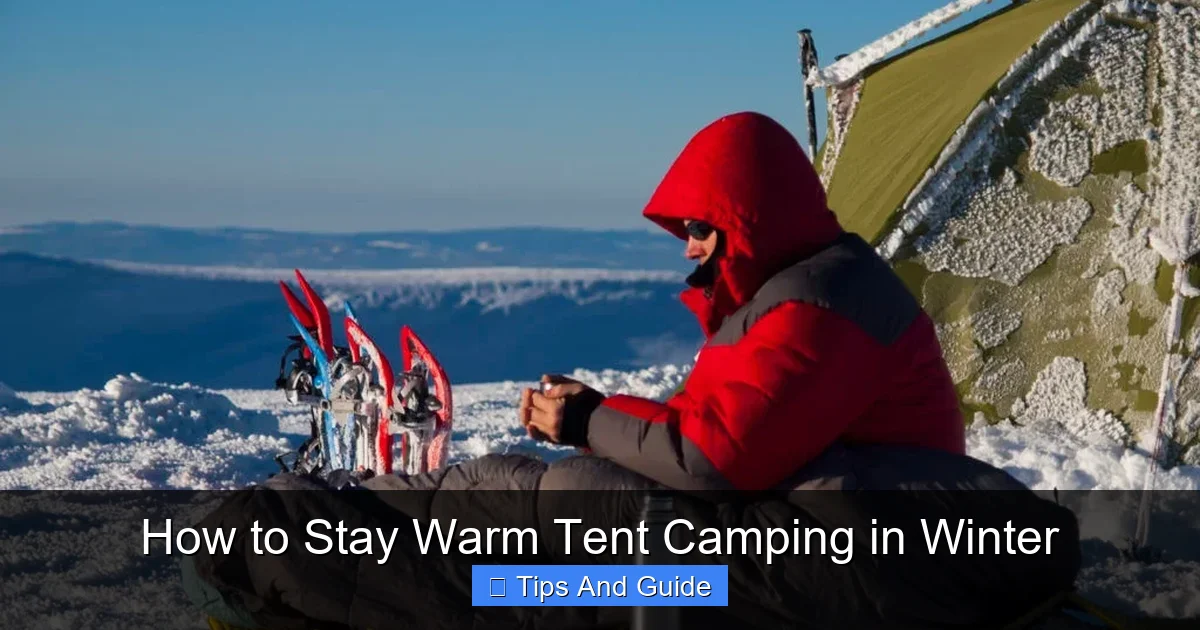
Condensation forms when warm, moist air inside your tent meets the cold tent fabric. It can freeze, making your tent feel damp and cold.
Visual guide about How to Stay Warm Tent Camping in Winter
Image source: beyondthetent.com
- Ventilation: Open tent vents, even in cold weather. This allows moist air to escape.
- Minimize Moisture: Avoid breathing directly on the tent walls. Don’t cook inside your tent. Hang wet gear outside the tent if possible.
- Wipe it Down: If you notice condensation, wipe it down with a small towel or sponge.
Food and Hydration: Fueling Your Inner Furnace
What you eat and drink plays a vital role in your body’s ability to generate heat.
Warm Foods and Drinks
Your body burns calories to produce heat. Eating calorie-dense foods, especially those with healthy fats and complex carbohydrates, will help.
- Hot Meals: Think stews, soups, and chili.
- Warm Beverages: Herbal teas, hot chocolate, or even just hot water can help warm you from the inside.
- Trail Mix and Nuts: High in calories and fat, perfect for snacking.
- Avoid Alcohol and Caffeine Before Bed: While they might make you feel warm initially, they can actually cause your body to lose heat.
Stay Hydrated
Dehydration can make you more susceptible to the cold. Drink plenty of water, even if you don’t feel thirsty. It’s harder to drink cold water in the winter, so consider a thermos for hot water. Remember to keep your water bottles insulated to prevent them from freezing.
Campsite Comfort and Safety
A few extra steps can make your winter campsite much more comfortable and safer.
Lighting
Winter days are shorter. Having reliable lighting is important for setting up camp, cooking, and navigating around the campsite.
- Headlamps: Essential for hands-free use.
- Lanterns: Consider battery-powered LED lanterns. If you are looking for the best camping lights for tent, opt for those with adjustable brightness and long battery life.
Emergency Preparedness
Winter camping can be unpredictable. Always be prepared for the unexpected.
- First-Aid Kit: Ensure it’s well-stocked, including items for cold-related injuries like frostbite.
- Navigation Tools: Map, compass, and GPS device.
- Communication: Fully charged cell phone, satellite messenger, or personal locator beacon (PLB).
- Extra Layers: Always pack more warm clothing than you think you’ll need.
- Fire Starter: Waterproof matches, lighter, and tinder.
Troubleshooting Common Winter Camping Problems
* My sleeping bag isn’t warm enough: Try adding a fleece liner to your bag, wearing a warm hat and base layers to bed, or putting a hot water bottle inside.
* My tent is freezing: Double-check your sleeping pad’s R-value. Ensure your tent is pitched in a sheltered location. Use snow or natural features as windbreaks.
* My water bottles are freezing: Keep them inside your sleeping bag overnight, or wrap them in extra layers.
* I’m waking up cold: Do some light exercises in your sleeping bag to generate heat. Ensure you’re not sleeping in damp clothing.
Conclusion
Tent camping in winter is an incredibly rewarding experience, but it requires careful planning and the right approach. By selecting appropriate gear, dressing in layers, mastering campsite setup, and prioritizing warmth and safety, you can transform a potentially miserable trip into a comfortable and unforgettable adventure. Embrace the challenge, prepare diligently, and enjoy the serene beauty that winter camping has to offer.