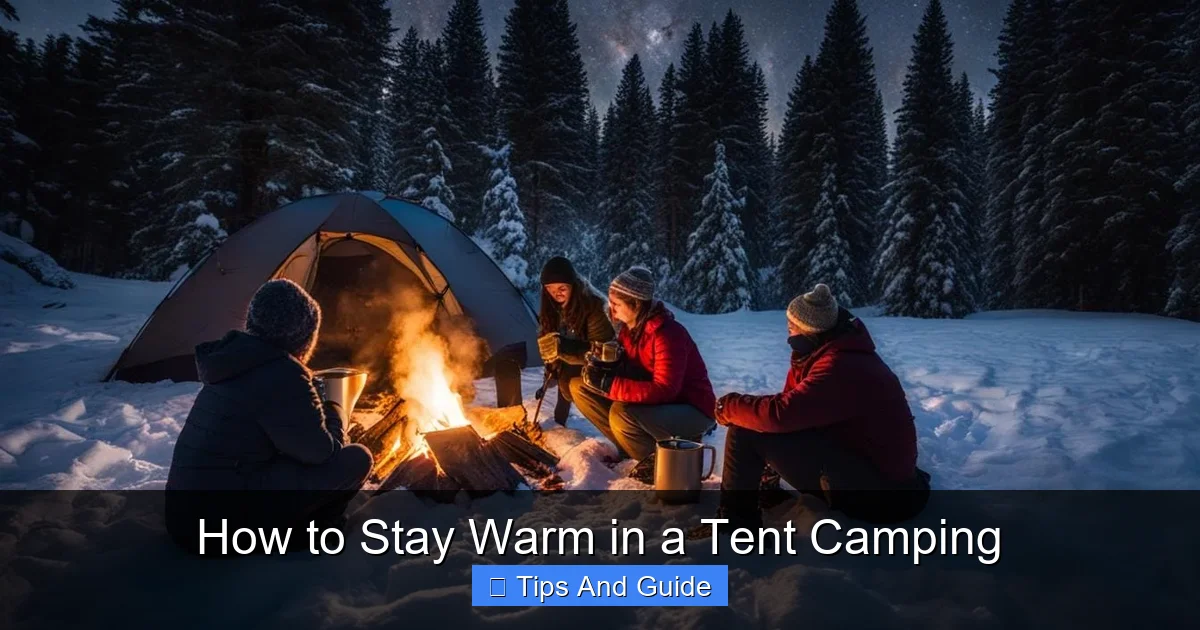
How to Stay Warm in a Tent Camping
Don’t let the cold cut your camping trip short! This guide provides essential strategies to keep you warm and cozy in your tent. We’ll cover everything from selecting the right gear, like a quality sleeping bag and the best camping mat for tent, to smart layering and harnessing your own body heat. Master these techniques and enjoy your outdoor adventures, no matter the temperature.
How to Stay Warm in a Tent Camping
Camping is a fantastic way to connect with nature and escape the hustle of everyday life. However, when the temperatures drop, staying warm in a tent can become a serious challenge. Nothing ruins a camping trip faster than shivering through the night, unable to sleep. But don’t worry! With the right preparation and techniques, you can enjoy your tent camping adventures even in chilly weather. This guide will walk you through everything you need to know to stay toasty and comfortable, ensuring your next cold-weather camping trip is a success.
Key Takeaways
- Choose the Right Gear: Invest in a four-season tent, a sleeping bag rated for lower temperatures, and an insulated sleeping pad.
- Layer Up Smartly: Wear moisture-wicking base layers, insulating mid-layers, and a windproof/waterproof outer shell. Avoid cotton.
- Maximize Insulation: Use a sleeping pad and consider a sleeping bag liner for extra warmth.
- Seal Your Tent: Properly pitch your tent, use a footprint, and consider a small tarp for added wind protection.
- Harness Body Heat: Eat warm, high-calorie foods, stay hydrated, and do light exercises before bed.
- Ventilate Properly: Even in the cold, some ventilation is crucial to prevent condensation buildup.
- Prepare for the Worst: Pack extra warm clothing, a hot water bottle, and backup heat sources.
1. Choose the Right Tent and Campsite
Your tent is your primary shelter, and its suitability for cold weather is crucial. Where you pitch it also plays a significant role.
Selecting a Cold-Weather Tent
While most tents can offer some protection, a four-season tent is specifically designed for harsh conditions. These tents are built with stronger poles, more robust fabrics, and better insulation. They typically have fewer mesh panels and more solid fabric to keep wind and cold out. If you don’t have a four-season tent, ensure your three-season tent is well-constructed and offers good wind resistance. The best camping backpacking tent might also be a good option if you need something lightweight yet durable for various conditions.
Picking the Ideal Campsite
Location, location, location! Even with the best gear, pitching your tent in the wrong spot can lead to a miserable night.
- Seek Shelter from the Wind: Always try to pitch your tent behind natural windbreaks like large rocks, dense trees, or hills. Avoid open, exposed areas where the wind can whip around your tent.
- Consider Sun Exposure: In colder months, a campsite that gets morning sun can be a lifesaver. It will help warm your tent naturally as the day begins.
- Avoid Low-Lying Areas: Cold air is denser than warm air and sinks. This means valleys and depressions can become frost pockets, making them significantly colder than higher ground.
- Check for Water Sources: While you want to avoid pitching too close to a lake or river (which can add humidity and coolness), being within a reasonable distance is convenient for water.
2. Master Your Sleeping System
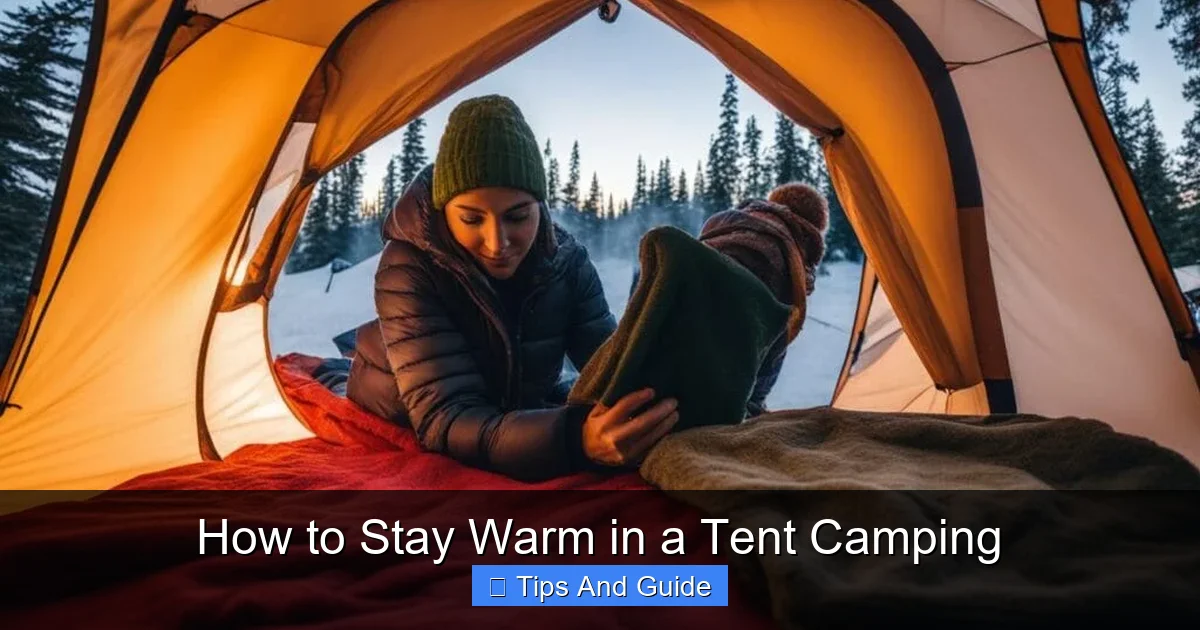
Visual guide about How to Stay Warm in a Tent Camping
Image source: verdanttraveler.com
Your sleeping bag and sleeping pad are your personal micro-climate. They are arguably the most critical pieces of equipment for staying warm.
The Importance of a Good Sleeping Bag
Your sleeping bag’s temperature rating is key. Look for bags rated for temperatures significantly lower than you expect to encounter. A “three-season” bag might be fine for fall, but for true cold, you’ll want a “four-season” bag or one with a comfort rating of 0°F (-18°C) or below.
- Understand Temperature Ratings: Manufacturers usually provide a “comfort,” “limit,” and “extreme” rating. Aim for the “comfort” rating to be at least 10-15°F (5-8°C) below the lowest temperature you anticipate.
- Down vs. Synthetic Fill: Down insulation is lighter and more compressible, offering excellent warmth-to-weight ratio. However, it loses insulating power when wet. Synthetic fill is heavier and bulkier but retains warmth better when damp. For most cold-weather camping, a quality down bag is preferred, but consider synthetic if you anticipate very wet conditions.
The Unsung Hero: Your Sleeping Pad
Many campers underestimate the importance of their sleeping pad. It’s not just for comfort; it’s for insulation. The ground can suck the warmth right out of you.
- R-Value is Key: Sleeping pads have an R-value, which measures their resistance to heat flow. For cold weather, you’ll want a pad with an R-value of 4 or higher. Many three-season pads have R-values between 1.5 and 3.
- Types of Pads:
- Closed-cell foam pads: These are inexpensive and durable but offer less insulation and comfort.
- Self-inflating pads: These offer a good balance of comfort and insulation.
- Inflatable air pads: These are the most comfortable and can offer high R-values, but they are prone to punctures. Some brands offer insulated versions for added warmth.
- Double Up: For extreme cold, consider using both a closed-cell foam pad underneath an inflatable pad. This provides excellent insulation and a backup if your inflatable pad fails. Check out our guide on the best camping mat for tent to find suitable options.
Consider a Sleeping Bag Liner
A sleeping bag liner can add several degrees of warmth to your sleeping bag. They are lightweight, packable, and come in various materials like fleece, silk, or synthetic blends, each offering different levels of warmth.
3. Dress for Success: Layering is Everything
Visual guide about How to Stay Warm in a Tent Camping
Image source: battlbox.com
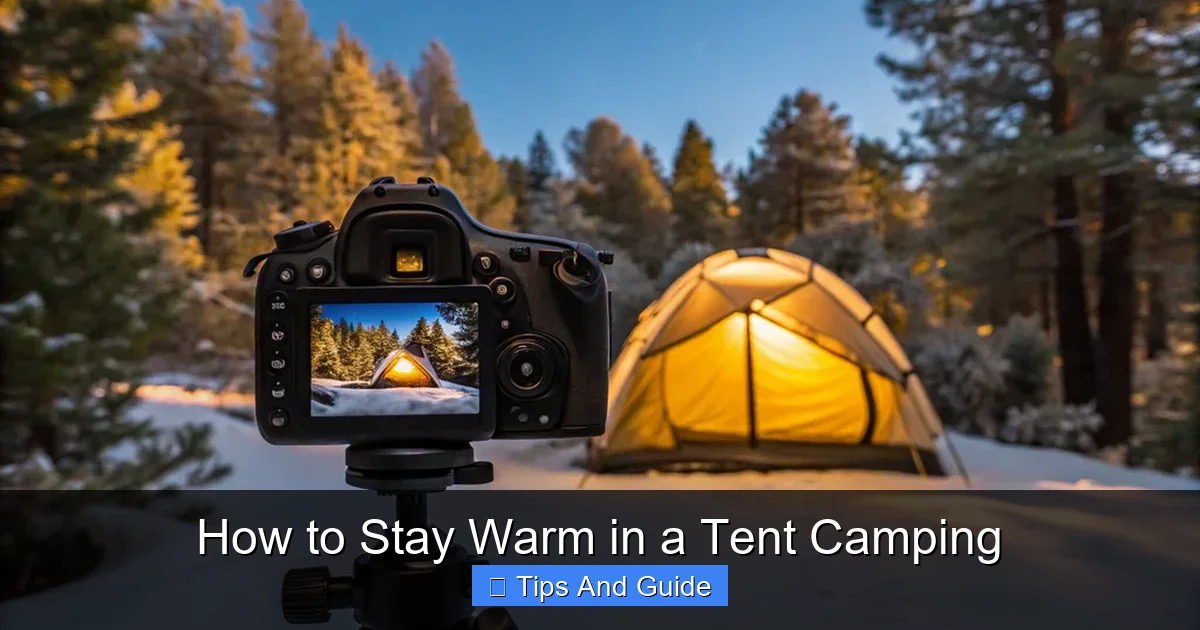
The key to staying warm is managing your body heat effectively. This is achieved through smart layering. The goal is to trap air, which acts as an insulator, and to wick away moisture.
The Base Layer: Wicking Away Moisture
This is the layer closest to your skin. Its primary job is to draw sweat away from your body.
- Material Matters: Opt for moisture-wicking materials like merino wool or synthetic fabrics (polyester, polypropylene).
- Avoid Cotton: Cotton absorbs moisture and holds onto it, making you feel cold and damp. Never wear cotton base layers in cold weather.
The Mid Layer: Insulation
This layer traps body heat. You might use one or more mid-layers depending on how cold it is.
- Fleece and Down: Fleece jackets, vests, and synthetic puffy jackets are excellent insulating mid-layers. Down-filled vests or jackets are incredibly warm but lose their insulation when wet.
- Wool: Wool sweaters and base layers are also great insulators.
The Outer Layer: Protection from the Elements
This is your shell. It needs to protect you from wind and moisture.
- Waterproof and Windproof: A good quality waterproof and breathable jacket and pants (like Gore-Tex or similar materials) are essential. They keep rain and wind out while allowing some moisture vapor to escape.
- Consider a Rain Suit: For very wet or windy conditions, a full rain suit can provide excellent protection.
Don’t Forget Your Extremities!
Your head, hands, and feet lose heat quickly.
- Head: A warm hat is crucial. Consider a fleece or wool beanie.
- Hands: Insulated gloves or mittens are a must. Mittens are generally warmer than gloves because your fingers can share heat.
- Feet: Wool or synthetic socks are essential. Bring multiple pairs so you always have dry ones. Avoid tight socks, which can restrict circulation.
4. Seal Your Tent and Minimize Heat Loss
Visual guide about How to Stay Warm in a Tent Camping
Image source: verdanttraveler.com
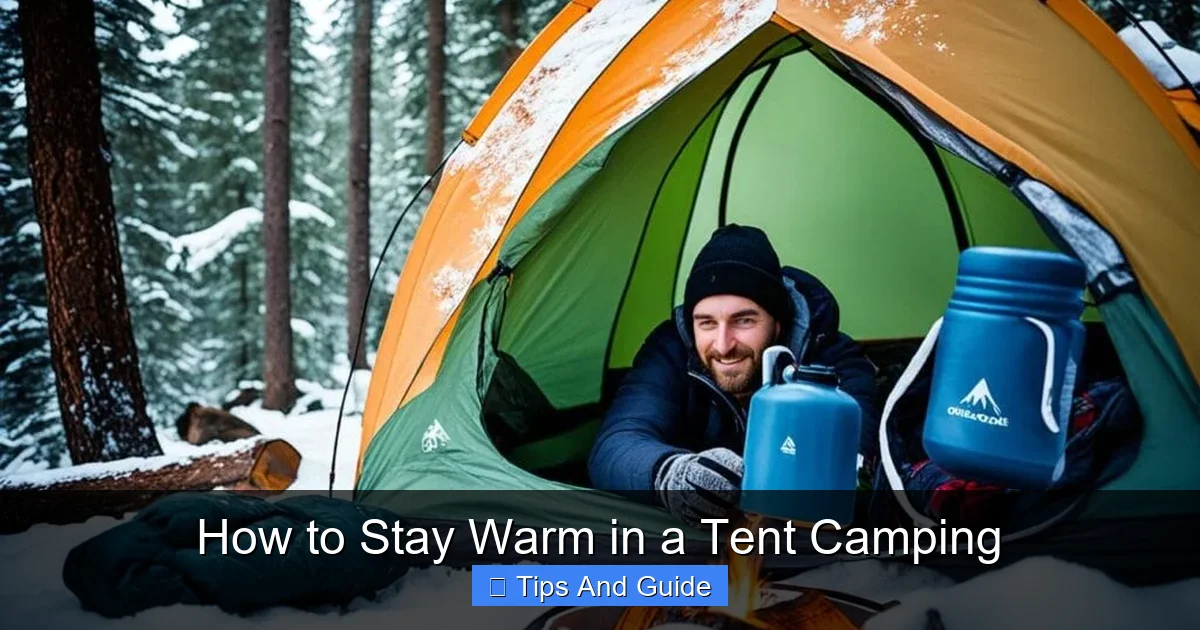
Once inside your tent, you want to create a warm micro-environment and prevent heat from escaping.
Proper Tent Pitch and Footprint
Ensure your tent is pitched tautly, with no gaps where cold air can enter. Use a footprint or tarp under your tent. This not only protects your tent floor but also adds an extra layer of insulation from the cold ground.
Ventilation is Still Important
It might seem counterintuitive, but you need to ventilate your tent, even in the cold. Breathing releases moisture, and without ventilation, condensation will build up inside your tent. This condensation can freeze, coating your tent in frost, and making everything damp.
- Crack a Vent: Open a small vent or slightly unzip a window to allow for air exchange. Aim for cross-ventilation if possible.
- Manage Condensation: Wipe down the inside of your tent with a small towel in the morning to remove any accumulated moisture.
Minimize Entry and Exit
Every time you open the tent door, a blast of cold air rushes in, and precious warm air escapes.
- Be Efficient: Have everything you need ready before you go in or out.
- Keep the Door Zipped: Make sure the door is zipped up as quickly as possible.
5. Harness Your Body Heat
Your body is a natural heat generator. You can use this to your advantage.
Eat and Drink Warmly
- Warm Meals: Eat hot, calorie-dense meals before bed. Your body uses energy to digest food, generating heat in the process. Think hearty stews, soups, or pasta dishes.
- Warm Drinks: Sip on warm, non-caffeinated beverages like herbal tea or hot chocolate. Avoid alcohol, as it can actually make you feel warmer temporarily but leads to heat loss.
- Hydration: Staying hydrated is important for metabolism and heat regulation.
Gentle Exercise Before Bed
Doing a few light exercises like jumping jacks or squats right before getting into your sleeping bag can raise your body temperature. Just be sure to do this in your warm clothes and get into your sleeping bag immediately afterward to trap the heat.
The Hot Water Bottle Trick
Fill a sturdy, leak-proof water bottle (like a Nalgene) with hot (not boiling) water. Place it in your sleeping bag before you go to sleep. It acts like a natural hot water bottle, providing a consistent source of warmth.
Sleep with Your Worn Clothes
The clothes you wore during the day will have absorbed some of your body heat. Before you go to sleep, change into clean, dry base layers. Then, put on another dry layer of clothing over your sleeping bag to act as an extra insulator. Some people even sleep with their next day’s clothes inside their sleeping bag to warm them up.
6. Additional Tips for Staying Warm
Sometimes, a few extra tricks can make all the difference.
Use a Sleeping Bag Liner
As mentioned earlier, a sleeping bag liner adds an extra layer of insulation, often adding 5-15°F (3-8°C) to your bag’s warmth.
Bring Extra Warm Layers
Pack a few extra pairs of warm socks, a fleece hat, and a pair of insulated mittens. It’s better to have them and not need them than to be cold and wish you did.
Consider a Small Tent Heater (with Extreme Caution!)
For some situations, particularly in larger tents or car camping setups, a small propane tent heater might be considered. However, these come with significant safety risks, including carbon monoxide poisoning and fire hazards.
- Always use a heater designed for tent use.
- Ensure proper ventilation.
- Never leave a heater running while sleeping.
- Have a carbon monoxide detector.
If you’re considering this, research extensively and understand all the risks involved. You can find reviews for the best camping heater for tent online, but prioritize safety above all else.
Hand and Foot Warmers
Disposable chemical hand and foot warmers can provide a welcome burst of heat when you’re feeling particularly chilled. You can even place them in your gloves or socks.
Warm Up Your Sleeping Bag Before Bed
Wear your insulated layers, hat, and gloves inside your sleeping bag for 15-30 minutes before you plan to sleep. This pre-warms the bag and makes it more comfortable when you first get in.
Troubleshooting Common Cold Camping Problems
Problem: Waking up freezing in the middle of the night.
Solution: Try drinking some warm water, eating a high-calorie snack, or doing a few quick exercises (jumping jacks, push-ups) to generate body heat before returning to your sleeping bag. Make sure your sleeping pad is providing enough insulation.
Problem: Condensation on tent walls.
Solution: Open your tent vents slightly. If it’s very humid, you may need to wipe down the inside walls with a small towel in the morning. Ensure you’re not breathing directly onto the tent walls.
Problem: Cold feet.
Solution: Ensure you’re wearing dry, non-restrictive wool or synthetic socks. Never sleep in socks that are too tight. You can also put a hot water bottle in your sleeping bag near your feet or use chemical foot warmers.
Problem: Feeling cold even with multiple layers.
Solution: Your problem might be moisture. Ensure all your layers are dry. If your base layers are damp, change into a dry set. Also, check that your outer shell is effectively blocking wind.
Conclusion
Staying warm in a tent while camping doesn’t have to be a battle. By selecting the right gear, dressing in smart layers, preparing your campsite wisely, and employing a few key strategies, you can ensure a cozy and enjoyable experience. Remember that preparation is key; the more you plan ahead, the more comfortable you’ll be. Embrace the challenge, pack your warm layers, and get ready to experience the magic of camping, even when the temperatures dip. Happy and warm camping!