

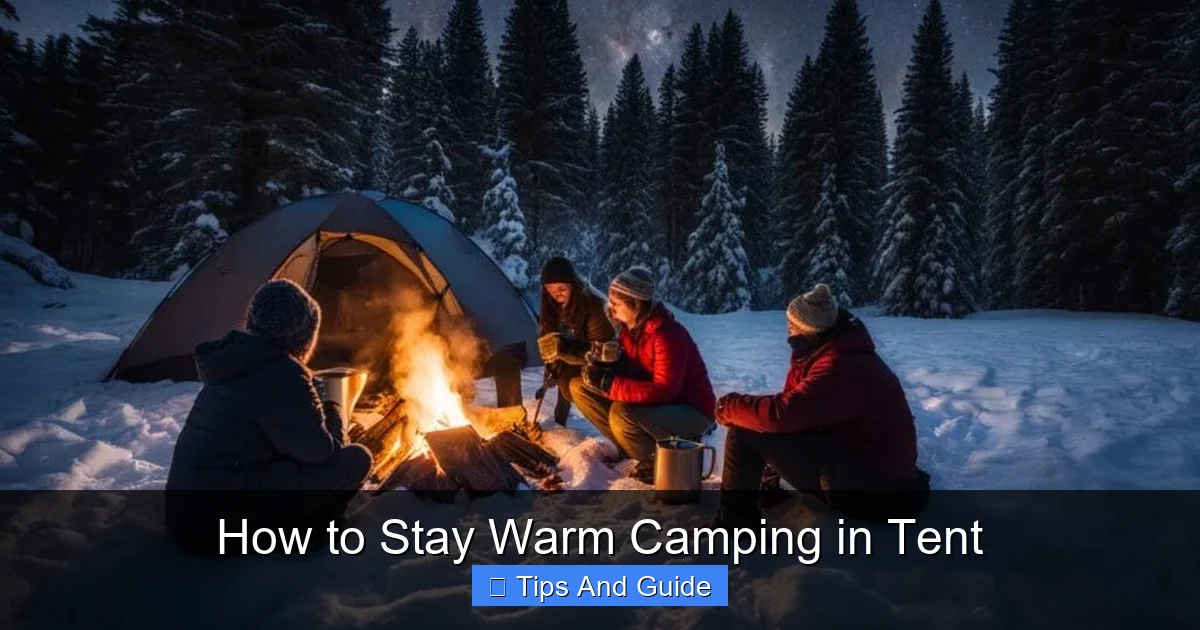
Don’t let cold weather ruin your camping trip! This comprehensive guide provides actionable strategies to ensure you stay warm and comfortable in your tent. We cover everything from choosing the right gear and clothing layers to optimizing your campsite and body heat. With these tips, you’ll be ready for a cozy and enjoyable tent camping experience, no matter the temperature.
# How to Stay Warm Camping in Tent
Camping is an incredible way to connect with nature, but a chilly night can quickly turn an adventure into an uncomfortable ordeal. Many people think camping in cooler weather means sacrificing comfort, but that’s not true! With the right preparation and knowledge, you can stay toasty warm and enjoy your tent camping experience even when temperatures drop. This guide will walk you through everything you need to know to conquer the cold and have a cozy night’s sleep under the stars. We’ll cover selecting the right gear, dressing for success, optimizing your campsite, and a few clever tricks to maximize your body heat. Get ready to transform your cold-weather camping from miserable to memorable!
Key Takeaways
- Layering is King: Wear multiple thin layers of synthetic or wool clothing instead of one bulky item to trap heat effectively.
- Insulation from the Ground Up: A good sleeping pad is crucial for blocking cold seeping from the ground, significantly impacting your warmth.
- Seal Your Tent: Minimize drafts by properly pitching your tent, using a footprint, and sealing any potential air leaks.
- Stay Hydrated and Fed: Proper nutrition and hydration fuel your body’s internal furnace, helping you generate heat.
- Harness Your Body Heat: Simple tricks like wearing a hat to bed and doing light exercises before sleep can boost your core temperature.
- Consider a Tent Heater (with caution): For extreme cold, a safe, specifically designed tent heater can be a lifesaver, but always prioritize ventilation.
1. Choosing the Right Tent for Cold Weather
While this guide focuses on staying warm inside any tent, the tent itself plays a role. A tent designed for three or four seasons will offer better insulation and wind resistance than a lightweight summer tent. Look for tents with:
Durable and Wind-Resistant Materials
Tents made with thicker denier fabrics are more robust and can withstand colder, windier conditions better. A good quality tent is an investment in your comfort.
Good Ventilation Options
This might sound counterintuitive when trying to stay warm, but proper ventilation is crucial. It prevents condensation from building up inside your tent. When warm, moist air from your breath hits the cold tent walls, it turns into water droplets, making everything damp and cold. Ensure your tent has mesh windows and vents that can be adjusted.
A Full Rainfly
A rainfly that extends all the way to the ground provides an extra layer of insulation and protection from wind. This outer layer creates a buffer zone between you and the cold outside air.
2. Master the Art of Layering Your Clothing
This is arguably the most critical aspect of staying warm. Forget piling on one heavy sweater. The secret is to wear multiple thin layers.
Base Layer: Wick Away Moisture
Your base layer is what touches your skin. Its primary job is to wick away sweat. Cotton is a big no-no here, as it absorbs moisture and stays wet, making you feel cold. Opt for synthetic materials like polyester or merino wool. These materials will keep you dry even if you sweat.
Visual guide about How to Stay Warm Camping in Tent
Image source: i.pinimg.com
Mid Layer: Insulate and Trap Heat
This layer is all about trapping your body heat. Fleece jackets, down vests, or insulated synthetic jackets are excellent choices. You can adjust this layer by adding or removing pieces as your activity level changes.
Outer Layer: Protection from the Elements
Your outer shell should protect you from wind and rain. A waterproof and windproof jacket and pants are essential. This layer doesn’t necessarily need to be heavily insulated, as your mid-layer is doing that work. However, it needs to block the wind from penetrating your insulation.
Important Tips for Layering:
- Avoid Cotton: We can’t stress this enough. Cotton kills warmth when wet.
- Adjust as You Go: If you’re hiking or setting up camp, you’ll generate a lot of heat. Start with fewer layers and add them as you cool down.
- Don’t Overdress: Sweating excessively will make you colder later.
- Bring Extra Socks: Cold feet can make your whole body feel cold. Have dry wool or synthetic socks ready.
3. Insulate Yourself from the Cold Ground
The ground is a massive heat sink, meaning it will constantly pull warmth away from your body. This is where your sleeping setup becomes vital.
The Importance of a Sleeping Pad
A sleeping pad isn’t just for comfort; it’s for insulation. A good sleeping pad creates a barrier between you and the cold ground. There are two main types:
Visual guide about How to Stay Warm Camping in Tent
Image source: beyondthetent.com
- Closed-cell foam pads: These are durable, inexpensive, and won’t deflate. They offer good insulation but can be bulky.
- Inflatable pads: These offer more comfort and can be highly insulating. Look for pads with a high R-value (a measure of thermal resistance) for colder weather. If you’re looking for the best camping mat for tent, focus on its R-value and thickness.
For colder conditions, consider using both a foam pad and an inflatable pad for maximum insulation. You can also explore the best camping mattress for tent options, but ensure it has good insulation properties.
Choose a Warm Sleeping Bag
Your sleeping bag is designed to trap the heat your body generates. Look for sleeping bags with a temperature rating appropriate for the conditions you expect. Remember:
- Temperature Ratings: These are usually a guideline. It’s often better to have a bag that’s a little warmer than you think you’ll need.
- Fill Material: Down offers excellent warmth-to-weight ratio but loses insulating properties when wet. Synthetic fill is more forgiving in damp conditions.
- Sleeping Bag Liner: Adding a fleece or silk liner can significantly boost your sleeping bag’s warmth by several degrees.
4. Optimize Your Campsite Setup
Where you set up your tent and how you organize your space makes a difference.
Choose Your Location Wisely
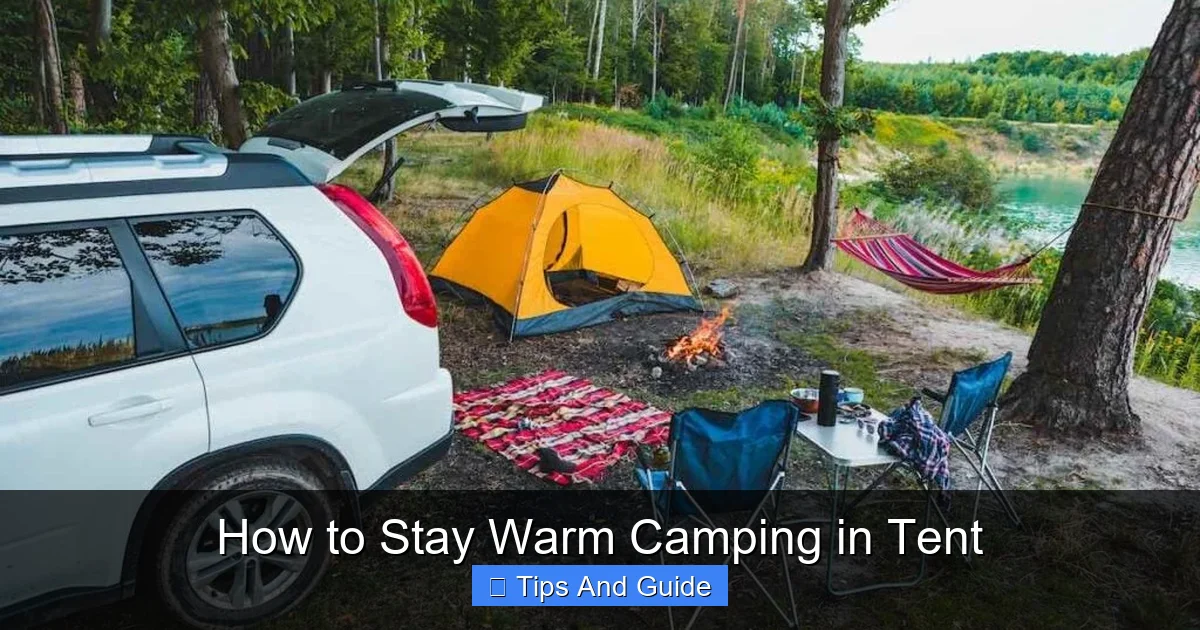
Avoid Windy Spots: Set up your tent in a sheltered area, perhaps behind a cluster of trees or a natural windbreak. If you’re car camping, your vehicle can also act as a wind barrier.
Visual guide about How to Stay Warm Camping in Tent
Image source: campingtentexpert.com
Avoid Low-Lying Areas: Cold air is denser than warm air and settles in low spots. Try to set up on slightly higher ground.
Pitch Your Tent Correctly
Ensure your tent is pitched taut and properly staked. This minimizes gaps where cold air can enter. If your tent has an inner and outer tent, make sure the outer fly is fully deployed and covers the inner tent as much as possible to trap air.
Minimize Drafts
Once inside, ensure zippers are fully closed. If there are mesh panels that aren’t necessary for ventilation, consider covering them with the tent’s built-in storm flaps or even a small tarp if the weather is extreme. Some tents, like many best pop-up tents for camping, can be more prone to drafts if not set up perfectly.
5. Maximize Your Body Heat
Your body is a heat-generating machine. Learn to use it to your advantage!
Eat and Drink Wisely
Warm Meals: A hot meal before bed can significantly warm you up from the inside out. Soups, stews, and hot beverages are great choices.
Hydration: Staying hydrated is important for your body to regulate temperature effectively. Drink plenty of fluids, but try to avoid excessive caffeine or alcohol, which can dehydrate you.
Bedtime Snack: Eating a small, energy-rich snack (like nuts, a granola bar, or even a piece of fruit) just before bed can give your body fuel to generate heat throughout the night.
Hot Water Bottle Trick
Fill a sturdy, leak-proof water bottle (like a Nalgene) with hot (not boiling) water. Wrap it in a sock or a small towel and place it in your sleeping bag near your core. This is a fantastic way to pre-warm your sleeping bag before you get in, or to provide sustained warmth during the night.
Wear a Hat to Bed
You lose a significant amount of heat through your head. Wearing a warm beanie or wool hat to bed can make a big difference in your overall comfort.
Move Before Bed
Do some light exercises like jumping jacks or a brisk walk just before you settle into your sleeping bag. This will get your blood flowing and raise your core body temperature. Be sure to cool down a bit before getting into your bag so you don’t sweat.
Don’t Sleep in Your Day Clothes
The base layers you wear during the day can become damp from sweat. Change into a clean, dry set of base layers specifically for sleeping. This will feel much warmer and more comfortable.
6. Consider a Tent Heater (with Extreme Caution)
For truly cold conditions, a tent heater might be an option. However, safety is paramount.
Types of Tent Heaters
- Propane Heaters: These are powerful but produce carbon monoxide. They require constant ventilation and should never be used while sleeping unless specifically designed with safety shut-offs and ventilation needs.
- Electric Heaters: These are safe but require a reliable power source, which is often not available when camping.
Safety First!
If you choose to use a tent heater, you MUST:
- Ensure Adequate Ventilation: Always keep at least one vent or door slightly open to allow for fresh air circulation.
- Never Sleep with it On: Only use a heater when you are awake and alert.
- Install a Carbon Monoxide Detector: This is a non-negotiable safety measure for any enclosed space with fuel-burning appliances.
- Follow Manufacturer Instructions Precisely: Read and understand all safety warnings and operational guidelines.
A best camping heater for tent can be a game-changer, but the risks associated with improper use are severe. Always prioritize safety and know your limits.
Troubleshooting Common Cold Camping Issues
My Feet are Freezing!
Solution: Ensure you’re wearing clean, dry wool or synthetic socks to bed. Stuff your wet socks from the day into the bottom of your sleeping bag to dry them out and warm your feet slightly. Avoid wearing too many socks inside your boots, as this restricts circulation.
My Sleeping Bag Feels Cold
Solution: Make sure your sleeping bag is fully lofted (give it a good shake). Ensure your pad is providing enough insulation. Try adding a liner or wearing a hat and dry base layers to sleep in.
Condensation is Making My Tent Damp
Solution: Open your tent vents slightly to improve airflow. Wipe down any excess condensation with a towel in the morning.
Conclusion
Staying warm while tent camping in cooler weather is entirely achievable with the right knowledge and preparation. By focusing on smart layering, effective ground insulation, smart campsite choices, and utilizing your body’s natural heat, you can transform cold nights into comfortable ones. Remember that practice makes perfect, so don’t be discouraged if your first cold-weather trip isn’t absolutely perfect. Each trip will teach you more about what works best for you. So, gear up, pack smart, and embrace the beauty of camping in every season. Happy and warm camping!
