How to Stay Cool While Tent Camping
Don’t let the heat ruin your camping trip! This guide provides practical strategies for staying cool in your tent. We’ll cover everything from selecting the ideal campsite and tent to optimizing airflow and staying hydrated. With these tips, you can enjoy the outdoors comfortably, even on the hottest days.
How to Stay Cool While Tent Camping
Summer camping is fantastic! The long days, warm evenings, and abundance of outdoor activities make it a prime time for adventure. However, when the mercury rises, tent camping can quickly become an uncomfortable, sweaty ordeal. A poorly managed campsite can feel like an oven, making it hard to relax, sleep, or even enjoy the scenery. But fear not, fellow campers! Staying cool while tent camping is entirely achievable with the right knowledge and preparation.
This comprehensive guide will equip you with everything you need to know to beat the heat. We’ll delve into smart site selection, tent choices that promote airflow, essential hydration strategies, and clever ways to create a cool sanctuary within your tent. Get ready to transform your summer camping experience from sweltering to serene.
Key Takeaways
- Choose the Right Tent Location: Prioritize shady spots and areas with natural breezes to minimize direct sun exposure and maximize airflow.
- Ventilation is Key: Maximize airflow by strategically opening tent vents, doors, and windows, considering mesh panels for bug protection.
- Tent Material Matters: Opt for tents made from breathable fabrics like ripstop nylon or polyester with a good denier rating for durability and ventilation.
- Stay Hydrated and Eat Smart: Drink plenty of water and consume cooling foods. Avoid heavy, dehydrating meals.
- Cooling Gear and Accessories: Utilize battery-powered fans, damp cloths, and cooling towels to actively lower your body temperature.
- Timing Your Activities: Schedule strenuous activities for cooler parts of the day, like early mornings or late evenings, to avoid overheating.
1. Strategic Campsite Selection
The first and perhaps most crucial step to staying cool is choosing the right spot for your tent. Even the most well-ventilated tent will struggle if it’s baking in direct sunlight all day.
Find the Shade
This is your number one priority. Look for natural shade from trees. Dappled shade is better than no shade, but dense canopy cover is ideal. Aim to position your tent so that it will be shaded during the hottest parts of the day, typically from late morning to mid-afternoon. If natural shade is scarce, consider using a tarp or a canopy as an additional shade structure over your tent.
Embrace the Breeze
Airflow is your best friend. Look for campsites that are not sheltered by dense undergrowth or hills. Open meadows, areas near a lake or river (the water can have a cooling effect on the air), or higher elevations often experience more consistent breezes. Position your tent so that it faces the prevailing wind direction. This will help create a natural cross-breeze inside your tent.
Avoid Heat Traps
Certain areas can become heat traps. Paved surfaces, large rocks, or dark soil can absorb and radiate heat long after the sun goes down. Try to camp on grass or dirt that hasn’t been intensely heated by the sun all day.
Consider Your Surroundings
While shade is vital, be mindful of potential hazards. Avoid camping directly under dead trees or branches (widowmakers) or in areas prone to flooding if there’s a chance of rain. The perfect spot balances cooling elements with safety.
2. Choosing the Right Tent for Warm Weather
Not all tents are created equal when it comes to heat management. The materials and design of your tent play a significant role in how well it breathes.
Prioritize Breathable Materials
Look for tents made from lightweight, breathable fabrics like ripstop nylon or polyester. These materials allow some air to pass through, which helps prevent that stuffy, humid feeling inside the tent. A higher denier rating (the thickness of the fabric threads) generally means a more durable tent, but extremely high denier counts can sometimes reduce breathability, so a good balance is key.
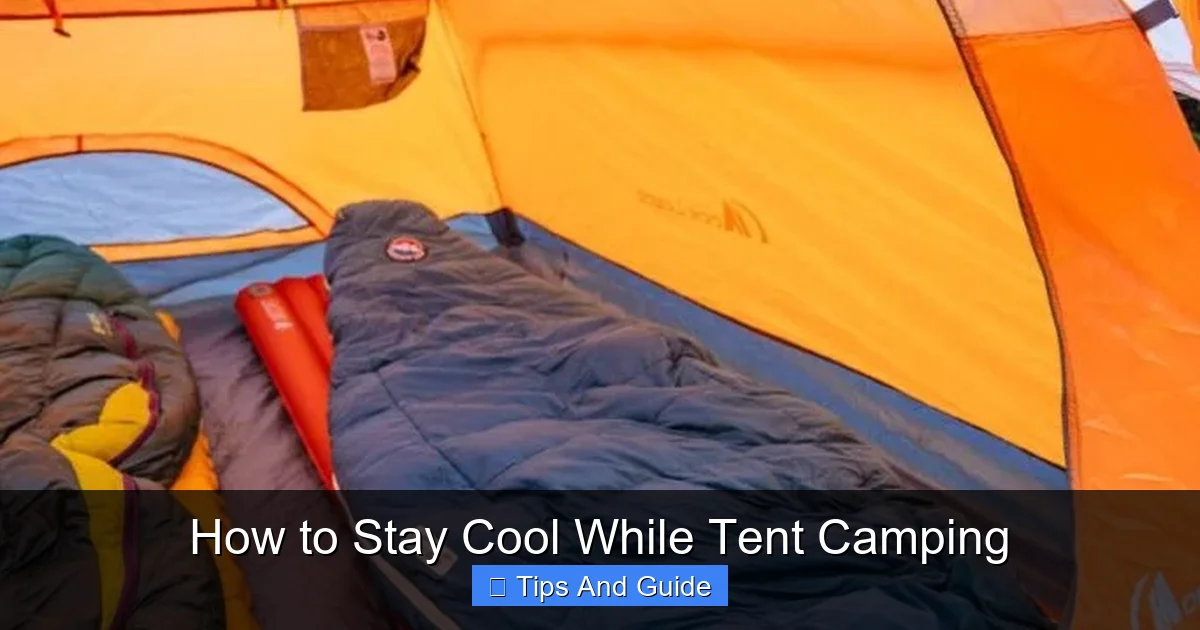
Visual guide about How to Stay Cool While Tent Camping
Image source: madelyneonthemove.com
Mesh is Your Friend
Tents with large mesh panels on the doors, windows, and even parts of the fly are excellent for warm weather camping. These allow for maximum ventilation while keeping insects out. Many tents have a full mesh inner tent for optimal airflow. If your tent doesn’t have extensive mesh, consider how you can maximize the open areas.
Tent Design Matters
Dome tents and tunnel tents with good airflow design are generally better for heat management than cabin-style tents, which can sometimes trap heat. Look for tents with multiple doors and windows that can be opened independently to create cross-ventilation. Some tents are specifically designed for hot weather with features like large mesh “windows” that can be opened for maximum airflow. If you’re looking for a larger setup, a camping gazebo tent can also provide a shaded, airy communal space.
Consider a Separate Fly and Inner Tent
Many tents have a separate inner tent and an outer rainfly. On hot, dry nights, you can often pitch just the inner tent (which is usually mesh) for maximum airflow. The rainfly can then be used for shade during the day, or pitched separately if there’s a chance of dew or light rain.
3. Maximizing Tent Ventilation
Once your tent is pitched, it’s crucial to manage its internal environment. Proper ventilation is key to keeping the air circulating and the temperature down.
Open Everything (When Possible)
During the day, if insects aren’t an issue, open all doors and windows. If your tent has a separate fly and inner, consider pitching the fly a good distance away from the inner tent to allow air to circulate between them. If you have a mesh inner, simply opening the doors will let in a lot of air.
Visual guide about How to Stay Cool While Tent Camping
Image source: i.pinimg.com
Utilize Vents Strategically
Most tents have built-in vents. Learn where yours are and how to use them effectively. Often, vents are designed to be opened even when the rainfly is on, allowing for ventilation even in light rain. Position your tent so that prevailing winds can flow through these vents.
Create Cross-Ventilation
The goal is to have air entering one side of the tent and exiting the other. Open doors, windows, and vents on opposite sides of the tent to create a “tunnel” effect. This continuous airflow will help push out warm, stagnant air.
Dampen Things (Carefully)
In very dry heat, you can sometimes create a cooling effect by lightly dampening a towel or bandana and hanging it in front of a vent or fan. As the water evaporates, it will cool the air passing through. Be careful not to over-saturate, as this can lead to condensation and mold issues.
4. Staying Hydrated and Eating Smart
Your body’s internal temperature regulation is just as important as managing your tent’s. Hydration and diet play a huge role.
Drink, Drink, Drink!
This cannot be stressed enough. Drink more water than you think you need, and do so consistently throughout the day. Carry plenty of water with you, or know where you can refill your supply. Electrolyte drinks can also be beneficial for replacing lost salts.
Visual guide about How to Stay Cool While Tent Camping
Image source: bestcampcook.com
Cooling Foods
Opt for foods with high water content. Fruits like watermelon, cantaloupe, and berries are excellent choices. Fresh vegetables like cucumbers and bell peppers are also refreshing. Salads are a great meal option.
Avoid Dehydrating Foods and Drinks
Limit your intake of caffeine and alcohol, as these can dehydrate you. Salty snacks can also make you feel thirstier. Try to stick to simple, easy-to-digest meals that won’t require a lot of heavy cooking or leave you feeling sluggish.
Chilled Snacks
Pack a cooler with ice packs to keep your fruits, vegetables, and drinks chilled. A cold snack can be incredibly refreshing on a hot day. Consider freezing some water bottles to use as ice packs that will melt into drinking water later.
5. Cooling Gear and Accessories
There are several gadgets and simple items that can significantly enhance your comfort in a hot tent.
Battery-Powered Fans
A small, battery-powered fan can make a world of difference. Place it strategically to direct airflow where you need it most, perhaps near your sleeping area. There are many options available, from clip-on fans to larger desk-style ones. Check out our guide to the best camping fans for tents for some great choices.
Cooling Towels and Bandanas
These specially designed fabrics stay cool when wet and can be draped around your neck, forehead, or wrists for instant relief. They are lightweight and easy to pack.
Damp Cloths
Even a simple damp washcloth can provide temporary cooling relief when placed on pulse points like your wrists or neck. Keep a supply of them in a ziplock bag.
Reflective Tarps or Ground Cloths
During the day, a reflective tarp or ground cloth placed over your tent can block direct sunlight and reduce heat absorption. Ensure there’s still airflow underneath to prevent heat buildup.
Consider Your Sleeping Setup
Instead of a thick, insulated sleeping pad, opt for a thinner, more breathable one. A sleeping bag liner can also be a great alternative to a full sleeping bag on very warm nights. For ultimate comfort, consider a good camping mat for tent or a camping mattress for tent designed for warmer weather.
6. Timing Your Activities
Consciously planning your day can help you avoid overheating.
Morning and Evening is Prime Time
Schedule your most strenuous activities, like hiking or setting up camp, for the cooler parts of the day – early morning or late evening. Spend the hottest part of the day relaxing in the shade, reading, or playing quiet games.
Nap Strategically
If you need to rest during the day, try to do so in a shaded, breezy spot. A midday nap can help you conserve energy and feel more refreshed for cooler evening activities.
Troubleshooting Common Heat Issues
* Problem: My tent is still too hot.
Solution: Double-check your ventilation. Are all vents, doors, and windows open? Can you create more airflow by repositioning your tent or adding a tarp for shade? Are you drinking enough water? Consider using a portable fan.
* Problem: It’s difficult to sleep at night.
Solution: Ensure good airflow. Open all vents and doors. Use a cooling towel. Try sleeping with minimal layers or just a liner. If it’s a very dry climate, lightly misting the inside of your tent (away from electronics) can offer temporary relief.
* Problem: Condensation is building up.
Solution: Condensation usually means there’s not enough ventilation or too much moisture inside the tent (e.g., from breathing or damp gear). Open vents and doors more widely. Try to dry out any damp gear before storing it in the tent.
Conclusion
Tent camping in warm weather doesn’t have to be an uncomfortable experience. By implementing these strategies – from selecting the perfect shady and breezy campsite to optimizing your tent’s ventilation and staying well-hydrated – you can create a cool and comfortable haven. Embrace the outdoors with confidence, knowing you’re prepared to beat the heat and enjoy every moment of your summer camping adventures. Happy, cool camping!