

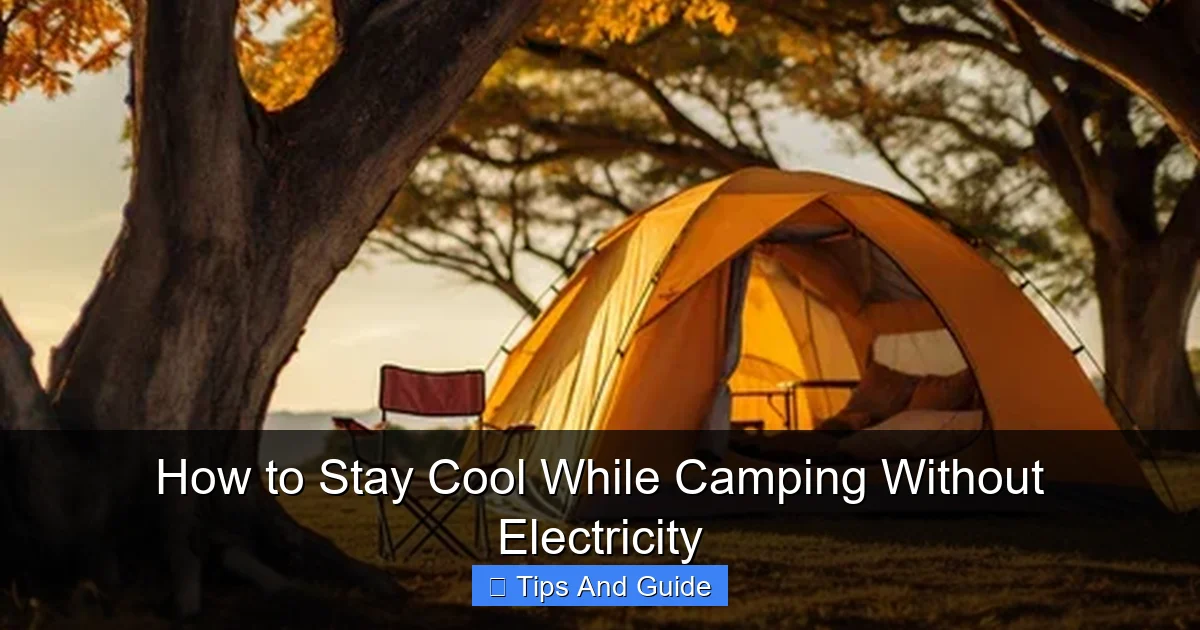
Don’t let the heat ruin your camping trip! This guide offers practical, electricity-free strategies to stay cool. From choosing the right campsite and tent to utilizing natural cooling methods and smart gear choices, you’ll learn how to make your summer camping experience comfortable and enjoyable. Beat the heat with these essential tips.
How to Stay Cool While Camping Without Electricity
Camping is an incredible way to connect with nature, but when the mercury rises, especially without the luxury of electricity, it can become a sweaty, uncomfortable ordeal. Don’t let the heat deter you from enjoying the great outdoors! This comprehensive guide is packed with practical, electricity-free strategies to help you stay cool and comfortable on your next camping adventure. We’ll cover everything from campsite selection and shelter choices to clever cooling techniques and essential gear. Get ready to beat the heat and make your summer camping trips a dream, not a sweatfest!
Key Takeaways
- Strategic Campsite Selection: Prioritize shady spots, proximity to water, and good airflow when choosing your campsite.
- Ventilated Shelter: Opt for tents with ample mesh windows and consider pop-up tents designed for airflow.
- Natural Cooling Techniques: Utilize water, shade, and evaporative cooling to lower your body temperature.
- Smart Hydration and Nutrition: Drink plenty of water and eat cooling foods to stay hydrated from the inside out.
- Appropriate Clothing and Gear: Wear light, breathable fabrics and bring portable cooling devices like fans or cooling towels.
- Nighttime Strategies: Maximize cooler nighttime temperatures by sleeping with tent openings wide and using airflow.
1. Choose Your Campsite Wisely
The battle against the heat often begins before you even set up your tent. Where you pitch your camp makes a significant difference.
Seek Natural Shade
The most obvious and effective way to stay cool is to find shade.
- Look for mature trees: Large, leafy trees offer the best protection from direct sunlight. An overhead canopy can reduce the ambient temperature around your campsite considerably.
- Consider the sun’s path: Observe where the sun is throughout the day. You want shade during the hottest parts of the afternoon. If you have to choose between morning sun and afternoon sun, aim for afternoon shade.
- Utilize natural features: Hillsides or rock formations that cast shadows can also provide much-needed relief.
Proximity to Water
Water is a natural coolant.
- Rivers, lakes, or streams: Camping near a body of water offers not only a pleasant ambiance but also opportunities for cooling dips. The water also tends to keep the air temperature slightly cooler in its vicinity.
- Avoid damp, buggy areas: While water is good, don’t set up camp right on the edge of a swamp. Find a spot with good drainage and a pleasant breeze.
Embrace the Breeze
Airflow is your best friend in hot weather.
- Open terrain: While trees offer shade, too much density can block breezes. Look for a spot that offers a balance – shade with an opening for wind to pass through.
- Higher elevations: Sometimes, higher ground offers better airflow than valleys, which can trap heat.
2. Optimize Your Tent for Ventilation
Visual guide about How to Stay Cool While Camping Without Electricity
Image source: beezzly.com
Your tent is your shelter, but in hot weather, it can also become a hot box. Proper tent selection and setup are crucial.
Tent Features for Cool Camping
Not all tents are created equal when it comes to staying cool.
- Mesh panels and windows: Look for tents with large mesh windows and doors. These allow for maximum airflow, turning your tent into a screened-in porch at night. For a great balance of space and ventilation, consider exploring options among the best pop-up tents for camping.
- Multiple doors: Two doors can create a cross-breeze when both are open, enhancing airflow.
- Good ventilation design: Some tents are specifically designed with ventilation in mind, featuring vents at the top and bottom to promote natural convection.
- Light-colored fabrics: Darker tents absorb more heat. Lighter colors reflect sunlight better, keeping the interior cooler.
Strategic Tent Placement
Even with a well-ventilated tent, placement matters.
- Orient for the breeze: Position your tent so that open windows and doors face the prevailing breeze.
- Elevate if possible: If the ground is radiating heat, consider using a ground tarp or a camping mat to create a slight buffer.
Consider Alternative Shelters
For extreme heat, sometimes a traditional tent isn’t the best option.
- Screen houses or gazebos: These offer protection from insects while allowing maximum airflow. They are excellent for communal areas. Check out the best camping gazebo tent options for an open-air living space.
- Hammock tents: If you’re camping in a wooded area, a hammock tent can keep you off the hot ground and allow for excellent airflow.
3. Embrace Natural Cooling Methods
Visual guide about How to Stay Cool While Camping Without Electricity
Image source: i.ytimg.com
Leverage the power of nature to keep your body temperature down.
The Power of Water
Water is your greatest ally against the heat.
- Cool showers or dips: If you have access to a lake, river, or even a portable shower, take advantage of it. A quick dip or shower can dramatically lower your body temperature.
- Wet cloths: Keep a damp cloth or bandana handy. Placing it on your neck, wrists, or forehead provides instant relief through evaporation.
- Spray bottles: A simple spray bottle filled with cool water can be a lifefan. Mist yourself periodically.
- Foot soaks: Soaking your feet in cool water can cool your entire body.
Utilize Shade and Air Movement
Even without electricity, you can create cooling zones.
- Tarps and overhangs: Set up a tarp to create an additional shaded area outside your tent. This can be your main hangout spot during the hottest part of the day.
- Camp chairs with airflow: Choose camping chairs that allow air to circulate around you.
4. Hydration and Smart Nutrition
Visual guide about How to Stay Cool While Camping Without Electricity
Image source: beezzly.com
What you consume directly impacts your body’s ability to regulate temperature.
Stay Hydrated: The Golden Rule
Dehydration is dangerous and exacerbates heat discomfort.
- Drink water constantly: Don’t wait until you’re thirsty. Sip water throughout the day.
- Electrolytes are key: Replenish lost salts and minerals. Consider electrolyte powders or sports drinks.
- Avoid dehydrating drinks: Limit caffeine and alcohol, as they can dehydrate you.
- Carry extra water: Always have more water than you think you’ll need. Store it in shaded areas or insulated containers.
Cooling Foods
Certain foods can help your body feel cooler.
- Fruits and vegetables: Watermelon, cucumbers, berries, and oranges are high in water content and have a cooling effect.
- Light meals: Opt for salads, cold soups, and light, easy-to-digest meals rather than heavy, hot dishes.
- Frozen treats: Freeze some fruit or juice boxes the night before for a refreshing treat during the day.
5. Smart Clothing and Essential Gear
Your choice of attire and a few key accessories can make a world of difference.
Dress for the Heat
Lightweight, breathable clothing is non-negotiable.
- Lightweight, moisture-wicking fabrics: Cotton can hold moisture and feel heavy. Opt for synthetic materials like polyester or nylon, or natural fibers like linen.
- Loose-fitting clothes: Allow air to circulate against your skin.
- Light colors: Reflect sunlight rather than absorbing it.
- Wide-brimmed hats: Protect your face and neck from direct sun exposure.
- Sunglasses: Protect your eyes.
Portable Cooling Devices
Even without electricity, some portable solutions exist.
- Battery-powered fans: Small, portable fans can provide a surprising amount of relief. Make sure to pack extra batteries or a rechargeable camping light with a fan function if you are looking for multi-purpose gear.
- Cooling towels: These specialized towels stay cool for hours when wet and can be draped around your neck or head.
- Ice packs: If you have a good cooler, frozen ice packs can be used to keep drinks cold and can also be applied to pulse points for personal cooling.
6. Mastering the Night
Nighttime is when you can really recharge and cool down.
Maximize Airflow Inside Your Tent
Take advantage of the cooler evening air.
- Open everything: As soon as the sun starts to dip, open all tent windows, doors, and vents.
- Create cross-ventilation: Position your tent so that breezes can flow through it.
- Sleep low to the ground: Warm air rises, so sleeping closer to the ground can be cooler.
Cooling Your Sleeping Area
Make your sleeping setup as comfortable as possible.
- Lightweight sleeping bag or just a liner: You might not need a full sleeping bag. A simple liner or a light blanket can be enough.
- Breathable bedding: Consider a camping mattress or camping pads made of breathable materials.
- Cooling pillow: Some camping pillows are designed with cooling gels or breathable fabrics.
- Dampen your sheets (carefully): A lightly dampened sheet can create an evaporative cooling effect as you sleep. Ensure it’s not too wet, as this can make you clammy.
Troubleshooting Common Heat Issues
Even with the best preparation, you might encounter challenges.
Problem: My tent is like an oven!
Solution: Re-evaluate your campsite for more shade. Ensure all vents are open. If possible, create an additional shade structure outside your tent. Consider setting up a tarp to cover your tent during the hottest part of the day if you’ll be away from camp.
Problem: I’m constantly thirsty, even though I’m drinking water.
Solution: You might be losing electrolytes. Supplement your water intake with electrolyte drinks or tablets. Also, check your food choices – are you eating too much salty or processed food? Focus on fruits and vegetables.
Problem: I’m getting bitten by bugs because I have to keep my tent open.
Solution: This is where a good quality screen house or pop-up screen tent for camping comes in handy. It provides a bug-free environment with excellent ventilation. Alternatively, use insect repellent and wear long, light clothing when sitting outside.
Conclusion
Staying cool while camping without electricity is entirely achievable with the right knowledge and preparation. By strategically selecting your campsite, optimizing your tent for airflow, employing natural cooling methods, staying hydrated, dressing appropriately, and leveraging smart gear, you can transform a potentially sweltering trip into a refreshing outdoor experience. Remember, a little planning goes a long way in ensuring your comfort and safety, allowing you to fully enjoy the beauty of the natural world, no matter the temperature. Embrace the heat with these tips, and happy camping!
