How to Stay Cool Tent Camping in Summer
Summer tent camping doesn’t have to be a sweat-fest! This comprehensive guide will equip you with essential strategies to stay cool and comfortable. Learn about choosing the right tent, maximizing ventilation, finding shade, and staying hydrated to make your summer camping adventures enjoyable, not sweltering.
# How to Stay Cool Tent Camping in Summer
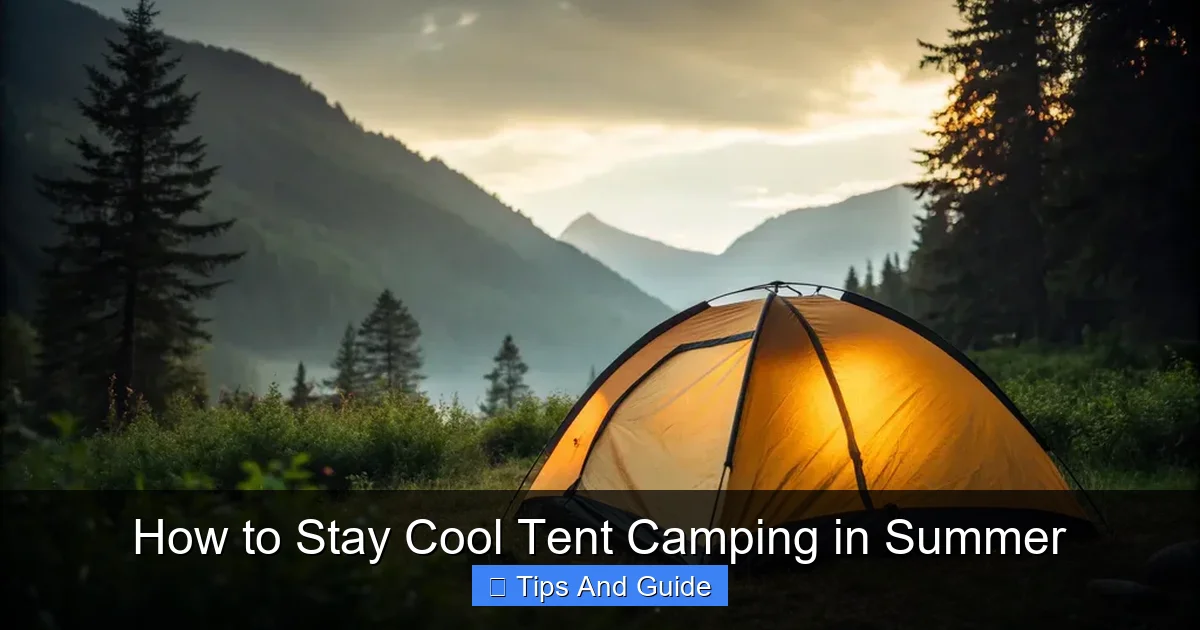
Summer camping is fantastic! The days are long, the weather is usually warm, and the outdoor adventures are plentiful. However, when the mercury rises, tent camping can quickly turn from blissful to unbearable if you’re not prepared for the heat. The good news is that with the right strategies, you can stay cool and comfortable even on the hottest summer days. This guide will walk you through everything you need to know to beat the heat and enjoy your summer tent camping trips to the fullest.
We’ll cover how to select the ideal tent for hot weather, smart campsite selection, maximizing airflow, staying hydrated, and other essential tips to keep you feeling refreshed. By the end of this guide, you’ll be equipped with the knowledge to transform your sweltering summer camping experience into a cool and enjoyable one.
## 1. Choose the Right Tent for Summer Camping
Your tent is your primary shelter, and its design plays a huge role in how cool you stay inside. Not all tents are created equal when it comes to summer heat.
### 1.1 Look for Excellent Ventilation
This is the most crucial factor. Tents designed for summer should have plenty of mesh panels. Mesh allows air to flow freely, which is essential for preventing heat buildup.
* **Mesh Walls and Ceilings:** More mesh means better airflow. Some tents have full mesh inner tents for maximum ventilation.
* **Multiple Doors and Windows:** These allow you to create cross-breezes by opening them strategically.
* **Vents:** Look for tents with adjustable vents at the top and bottom. These help create a chimney effect, drawing cool air in from the bottom and pushing warm air out the top.
### 1.2 Consider Tent Color
The color of your tent material can significantly impact how much heat it absorbs.
* **Light Colors are Best:** White, light gray, beige, or pastel colors reflect sunlight rather than absorbing it. Darker colors, like navy blue or forest green, will heat up considerably faster and hold that heat.
* **Reflective Materials:** Some high-end tents incorporate reflective coatings on the fly, which can help bounce sunlight away.
### 1.3 Tent Size and Shape Matter
While you might want a spacious tent, a smaller, more compact design might be cooler if it’s designed well for airflow.
* **Dome Tents:** Often have a good balance of ventilation and wind resistance. Many of the best camping dome tents are designed with summer in mind.
* **Cabin Tents:** Can offer more headroom but might trap heat if ventilation isn’t top-notch. If you’re considering a larger tent, ensure it has ample mesh.
### 1.4 Material Quality
Breathable materials can help. While most tents are made of nylon or polyester, some use ripstop fabrics that can be more breathable. The coating on the fabric also plays a role; breathable coatings are better for heat management.
## 2. Strategic Campsite Selection
Where you pitch your tent is almost as important as the tent itself. A little planning can make a world of difference in staying cool.
### 2.1 Seek Out Natural Shade
This is your best defense against direct sun.
* **Trees:** Pitch your tent under the shade of large, mature trees. Be mindful of falling branches, especially in windy conditions. Also, avoid pitching directly under fruit-bearing trees that might attract animals.
* **Natural Overhangs:** If you’re in a rocky area, look for rock overhangs that can provide shade.
* **Time of Day:** Remember that the sun moves. A spot that is shaded in the morning might be exposed in the afternoon. Try to position your tent so it’s shaded during the hottest part of the day (typically 10 AM to 4 PM).
### 2.2 Proximity to Water
Being near a lake, river, or stream can offer a natural cooling effect due to evaporation.
* **Cooler Air:** Water bodies can create a slightly cooler microclimate.
* **Easy Access:** It’s also convenient for cooling off or refilling water bottles.
* **Be Aware of Bugs:** However, areas near water can also be more prone to mosquitos and other insects. Using a good bug tent for camping might be essential.
### 2.3 Open vs. Sheltered Locations
While you want shade, you also want air movement.
* **Avoid Depressions:** Don’t pitch your tent in a low-lying area where hot air can get trapped.
* **Look for Breezy Spots:** If possible, choose a spot that’s slightly elevated or has some open space around it to catch any available breeze.
## 3. Maximize Ventilation and Airflow Inside Your Tent
Once your tent is pitched, you need to ensure air is moving through it.
### 3.1 Open Everything Up (When Safe)
* **Tent Doors and Windows:** Keep as many openings as possible unzipped and unrolled, especially overnight and during cooler parts of the day.
* **Rainfly Management:** If the weather is clear, consider pitching your rainfly further away from the tent body using guy lines to allow for maximum airflow between the inner tent and the fly. Some tents have designs that allow the rainfly to be rolled up partially or fully.
### 3.2 Use a Battery-Powered Fan
A small, portable fan can be a lifesaver. These are incredibly effective at circulating air and making the temperature feel significantly lower.
* **Types of Fans:** Look for battery-operated or rechargeable fans. Some are designed specifically for camping, with clips to attach to tent poles or built-in lights. Check out reviews for the best camping fan for a tent or even the best camping fan for a large tent if you have one.
* **Placement:** Position the fan to blow air across your sleeping area.
### 3.3 Create Cross-Ventilation
If your tent has multiple doors or windows on opposite sides, open them up to create a flow of air through the entire tent.
## 4. Hydration and Cooling Strategies
Keeping your body cool from the inside out is just as important as managing the tent’s temperature.
### 4.1 Drink Plenty of Water
Dehydration can exacerbate the effects of heat.
* **Sip Constantly:** Don’t wait until you’re thirsty. Drink water regularly throughout the day.
* **Electrolytes:** Consider adding electrolyte powders or tablets to your water, especially if you’re sweating a lot.
* **Avoid Dehydrating Drinks:** Limit alcohol and caffeine, as they can contribute to dehydration.
### 4.2 Eat Hydrating Foods
Incorporate foods with high water content into your diet.
* **Fruits:** Watermelon, cantaloupe, strawberries, oranges.
* **Vegetables:** Cucumbers, celery, bell peppers.
* **Cool Meals:** Opt for salads, cold sandwiches, or chilled soups rather than heavy, hot meals.
### 4.3 Use Water to Cool Down
Apply water directly to your skin to help lower your body temperature.
* **Wet Cloths:** Keep a damp washcloth or bandana handy to place on your neck, forehead, or wrists.
* **Spray Bottle:** A simple spray bottle filled with water can provide instant relief. Mist yourself periodically.
* **Cool Showers/Swims:** If you have access to a lake, river, or campground shower, take advantage of it to cool off.
### 4.4 Pack Smart Sleeping Gear
Your sleeping setup can either help or hinder your ability to stay cool.
* **Breathable Sheets:** Use lightweight, cotton or bamboo sheets instead of synthetic materials.
* **Cooling Sleeping Pads:** Consider investing in a sleeping pad designed for warmer weather. Some offer cooling technology, or you can opt for a thinner, more breathable mat. Check out guides on the best camping pads for tents or best camping mat for a tent for options. A comfortable sleeping surface is crucial, and a good camping mattress for your tent should also be breathable.
* **Lightweight Sleeping Bag or Blanket:** Instead of a heavy winter bag, bring a lightweight summer-weight sleeping bag or just a quilt or blanket.
### 4.5 Freeze Water Bottles
Freeze some water bottles the night before. They can serve as ice packs in your cooler, and as they melt, you’ll have cold drinking water. You can also place a frozen bottle near your sleeping bag for a cooling effect.
## 5. Utilize Shade Structures Outside the Tent
Extend your cool zone beyond the tent itself.
### 5.1 Tarps and Canopies
A separate shade structure is incredibly useful.
* **Daytime Lounging:** Set up a tarp or canopy attached to your tent or freestanding to create a shaded area for relaxing, eating, or cooking. This keeps the direct sun off your tent for longer periods.
* **Versatile Options:** Consider a camping canopy tent or a simple tarp that can be configured in various ways to maximize shade throughout the day. A camping gazebo tent can also offer substantial shade and protection.
### 5.2 Strategic Placement
Position your shade structure to block the sun from hitting your tent’s most vulnerable spots during the hottest hours.
## 6. Adjust Your Activity Schedule
Be smart about when you exert yourself.
### 6.1 Plan for Cooler Times
* **Early Mornings:** Hike, explore, or set up camp in the cooler hours of the early morning.
* **Late Evenings:** Engage in activities after the sun has started to set and the air begins to cool.
* **Midday Siesta:** Use the hottest part of the day for rest, reading, or napping inside your shaded tent or under your canopy.
### 6.2 Avoid Strenuous Activity in Direct Sun
If you must do something physical during the day, try to do it in a shaded area.
## 7. Additional Tips for Staying Cool
Here are a few more tricks to add to your arsenal:
* **Ventilate Your Car:** If you arrive in your car, open all the windows and doors for a while to let out the stored heat before you start setting up.
* **Pack Light-Colored Clothing:** Wear loose-fitting, light-colored clothing made from breathable fabrics like cotton or linen.
* **Cooling Towels:** These special towels stay cool for hours when wet and can be draped around your neck or head.
* **Consider Your Sleeping Surface:** A sleeping bag can sometimes feel too warm. Opt for a lightweight liner or just a sheet. If you’re using a sleeping pad, ensure it’s not overly insulated and will help keep you cool. Check out the best campgrounds for tent camping or specific regional guides like the best California tent camping options to find cooler climates.
## Troubleshooting Hot Tent Camping
**Problem:** My tent is still too hot, even with ventilation.
**Solution:** Ensure all vents and doors are fully open. Use a battery-powered fan to force air circulation. Try to create shade over your tent with a tarp or canopy. Drink plenty of cold water and use cooling cloths on your skin.
**Problem:** I’m waking up in the middle of the night because I’m too hot.
**Solution:** Lighten your sleeping gear. Use only a sheet or a very lightweight sleeping bag. Ensure your sleeping pad isn’t trapping heat. Try placing a frozen water bottle near your sleeping area.
**Problem:** Bugs are a problem when I open the tent for ventilation.
**Solution:** Ensure your tent has good mesh screens. Consider using a bug net over your sleeping area. Use bug repellent and consider a pop up screen tent for camping if you plan to spend a lot of time outdoors.
## Conclusion
Tent camping in the summer doesn’t have to be a struggle against the heat. By being mindful of your tent choice, campsite location, ventilation, hydration, and activity levels, you can create a comfortable and enjoyable outdoor experience. Implementing these strategies will help you stay cool, refreshed, and ready to embrace all the fun summer camping has to offer. So, pack smart, plan ahead, and get ready to enjoy your cool summer adventures under the stars!
Key Takeaways
- Choose the Right Tent: Opt for tents with excellent ventilation, mesh panels, and lighter colors to reflect sunlight.
- Strategic Campsite Selection: Prioritize shaded spots, especially during the hottest parts of the day, and consider proximity to water.
- Maximize Ventilation: Keep tent doors and windows open whenever possible and use fans to circulate air.
- Stay Hydrated and Cool: Drink plenty of water, eat hydrating foods, and use cool cloths or spray bottles to manage body temperature.
- Lighten Your Gear Load: Avoid dark-colored, heavy fabrics and opt for lightweight, breathable materials for sleeping gear.
- Utilize Shade Structures: Set up tarps or canopies to create additional shaded areas outside your tent.
- Timing is Everything: Plan strenuous activities for cooler parts of the day like early morning or late evening.