How to Stay Clean While Camping
Staying clean while camping is achievable with the right preparation and techniques. This guide covers essential strategies for personal hygiene, dishwashing, and waste management in the outdoors. By following these tips, you can enjoy your camping trip without sacrificing cleanliness and ensure a more comfortable and healthy experience.
How to Stay Clean While Camping
Camping is a fantastic way to disconnect from the everyday hustle and connect with nature. However, the wilderness doesn’t always come with running hot water and pristine bathrooms. This can leave many wondering, “How do I stay clean while camping?” The good news is that with a little planning and the right strategies, you can maintain a comfortable level of hygiene throughout your outdoor adventure. This guide will walk you through everything you need to know to stay fresh and clean, from personal care to managing your campsite.
Key Takeaways
- Plan Ahead: Pack essential hygiene items like biodegradable soap, a portable shower, hand sanitizer, and quick-dry towels before you leave.
- Master Hand Washing: Frequent hand washing is crucial. Use biodegradable soap and water, or hand sanitizer when water isn’t readily available.
- Embrace the Sponge Bath: Utilize a portable shower or a wash basin with soap and water for effective personal cleaning away from developed facilities.
- Manage Waste Responsibly: Pack out all trash and dispose of greywater properly to protect the environment and maintain campsite cleanliness.
- Keep Your Tent Tidy: Designate a “dirty” area outside your tent for wet or muddy gear and use a doormat to minimize dirt tracked inside.
Why is Staying Clean Important While Camping?
Beyond just comfort, maintaining good hygiene while camping is crucial for several reasons. Firstly, it helps prevent the spread of germs and potential illnesses, especially when sharing a campsite with others or interacting with the environment. Secondly, it significantly enhances your overall enjoyment of the trip. Feeling clean and refreshed makes a huge difference in how you experience nature. Finally, practicing good hygiene demonstrates respect for the environment, ensuring you leave your campsite as pristine as you found it.
Pre-Trip Preparation: Packing Your Hygiene Kit
The key to staying clean while camping starts before you even set foot in the woods. Packing the right items makes all the difference.
Essential Personal Hygiene Items
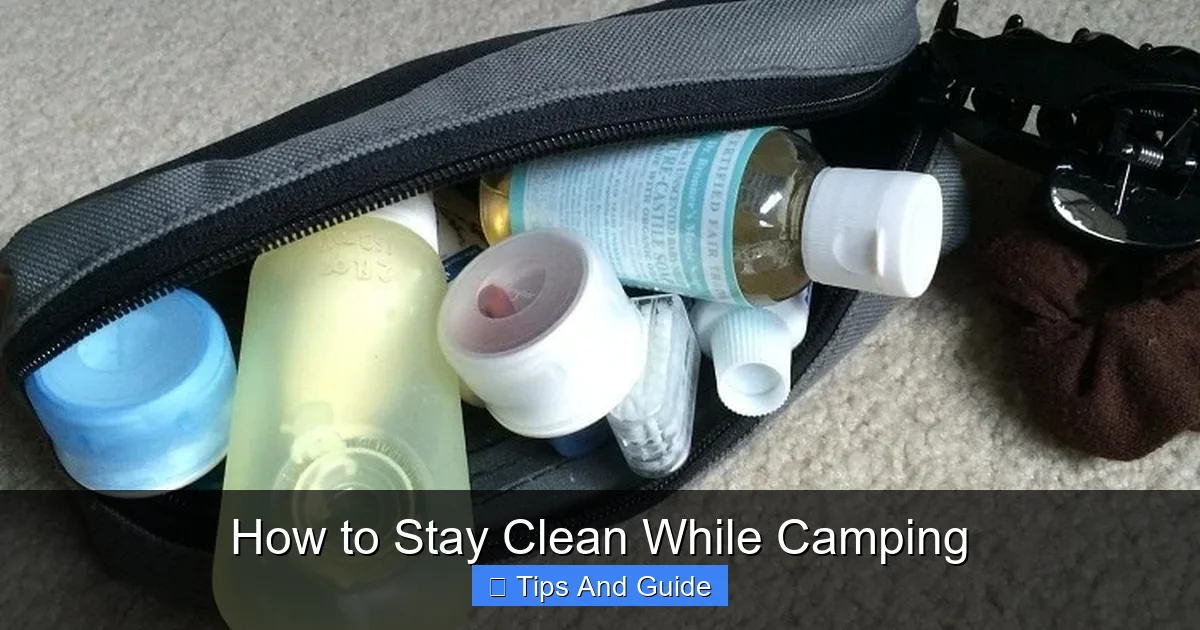
Assemble a dedicated hygiene kit. Here’s what you should include:
Visual guide about How to Stay Clean While Camping
Image source: campingforge.com
- Biodegradable Soap: Choose soaps specifically designed for outdoor use. These break down naturally and are gentler on the environment.
- Hand Sanitizer: A high-alcohol content hand sanitizer is your best friend when soap and water aren’t immediately accessible.
- Quick-Dry Towels: Lightweight, compact, and fast-drying towels are a lifesaver. Pack at least one for personal use and maybe another for dishes.
- Toothbrush and Biodegradable Toothpaste: Maintain your oral hygiene just like you would at home.
- Toilet Paper: Pack more than you think you’ll need, and store it in a waterproof bag.
- Small Trowel/Shovel: For properly burying human waste if you’re in a backcountry setting without facilities.
- Wipes: Biodegradable wet wipes can be incredibly useful for quick clean-ups.
- Lip Balm with SPF: Protect your lips from sun and wind.
- Sunscreen: Essential for protecting your skin from UV rays.
- Insect Repellent: Keep biting insects at bay to avoid itchy bites.
Water-Based Cleaning Solutions
If you have access to water or plan on carrying a good supply, consider these:
- Portable Camp Shower: These can range from simple gravity-fed bags to solar-heated options or even battery-powered pumps. They provide a more thorough cleaning experience.
- Wash Basin or Collapsible Sink: Useful for washing hands, faces, or dishes.
- Water Filter or Purification Tablets: Ensure you have a safe way to access potable water for drinking and cleaning.
Clothing and Footwear Considerations
Pack moisture-wicking fabrics that dry quickly. Consider bringing extra socks, as damp feet can lead to discomfort and blisters. A good pair of waterproof boots will keep your feet dry and clean.
Personal Hygiene at the Campsite
Once you’ve arrived, establishing good personal hygiene habits is paramount.
Mastering Hand Washing
This is arguably the most important hygiene practice. Wash your hands frequently, especially before eating, after using the “restroom,” and after touching shared surfaces.
Visual guide about How to Stay Clean While Camping
Image source: outforia.com
- When Water is Available: Use your biodegradable soap and clean water from a designated water source (not directly from lakes or streams).
- When Water is Scarce: Rely on your hand sanitizer. Rub it thoroughly over all surfaces of your hands and fingers until dry.
The Art of the Sponge Bath
When a full shower isn’t possible, a sponge bath is your best option for a refreshing clean.
- Using a Portable Shower: Set up your camp shower in a private area. You can use a tarp for added privacy or find a secluded spot. Enjoy a few minutes of warm water if your shower allows.
- Using a Wash Basin: Fill your basin with warm water (you can heat water over your camp stove if needed). Use a washcloth with biodegradable soap to clean your body. Rinse with clean water.
- Concentrate on Key Areas: If you’re short on time or water, focus on washing your face, underarms, and groin area for maximum freshness.
Maintaining Oral Hygiene
Don’t neglect your teeth! Brush your teeth at least twice a day. Spit toothpaste away from water sources and campsites.
Caring for Your Feet
Clean feet are happy feet. Wash and dry your feet thoroughly, especially if they’ve gotten wet or sweaty. Change into clean socks to prevent blisters and infections.
Keeping Your Campsite Clean
A clean campsite is a more enjoyable and safer campsite. It also minimizes your impact on the environment.
Dishwashing Strategies
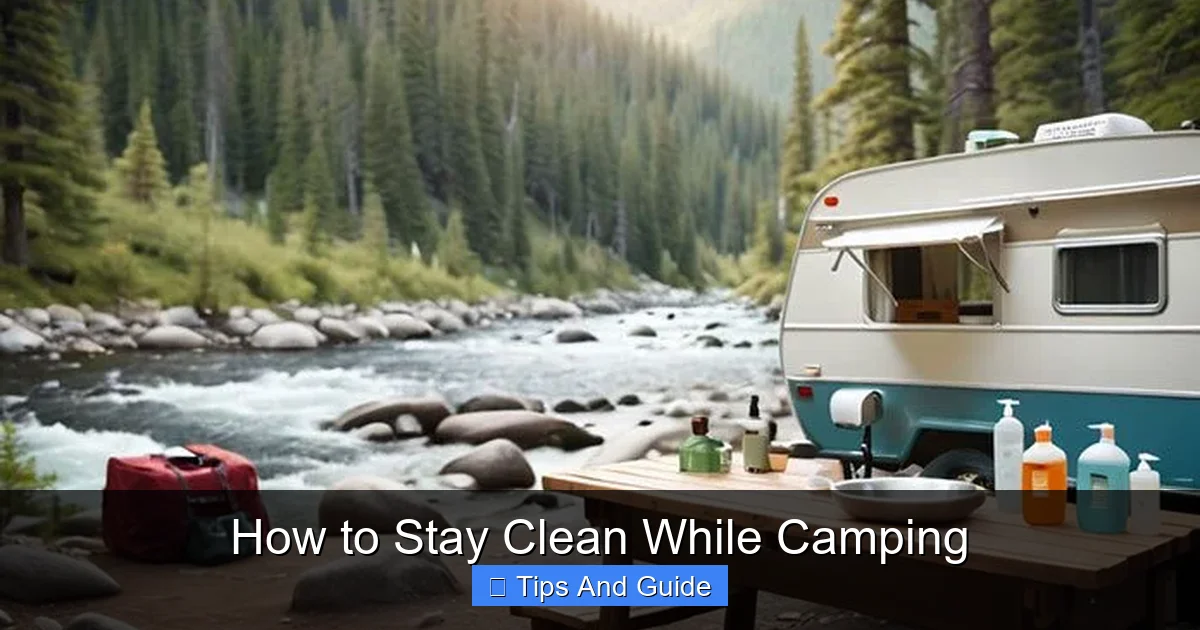
Proper dishwashing prevents attracting animals and avoids spreading germs.
Visual guide about How to Stay Clean While Camping
Image source: img.balleck.com
- The Three-Pot Method: If you have access to multiple pots and water, this is the most effective method.
- Wash Pot: Fill with hot water and biodegradable soap. Scrub dishes thoroughly.
- Rinse Pot: Fill with clean hot water to rinse off the soap.
- Sanitize Pot: Fill with clean hot water and a small amount of bleach (if permitted and safe for your wastewater disposal plan) or very hot water to kill remaining germs.
Use a scrub brush or sponge. Strain food scraps from the wash water into a trash bag to pack out.
- Wipe Down Method: If water is extremely limited, you can scrape off food scraps, then wipe down dishes with a damp cloth and biodegradable soap, followed by a dry cloth.
- Greywater Disposal: Dispose of greywater (dishwater) at least 200 feet away from water sources and campsites. Scatter it widely to help it soak into the ground. Check local regulations for specific rules.
Managing Trash and Waste
This is critical for Leave No Trace principles.
- Pack It In, Pack It Out: Everything you bring into the campsite must leave with you. This includes food scraps, packaging, and all other waste.
- Use Bear-Resistant Containers: If camping in bear country, proper food storage is essential. Use designated bear boxes or bear-resistant canisters.
- Designated Trash Bags: Keep your trash organized in sturdy, leak-proof bags. Double-bag if necessary.
Toilet Etiquette (Backcountry and Campground)
Proper toilet use is vital for sanitation and environmental protection.
- In Campgrounds with Restrooms: Use the provided facilities and keep them clean for others.
- Backcountry:
- Dig a Cat Hole: Find a spot at least 200 feet from water sources, trails, and campsites. Dig a hole about 6-8 inches deep.
- Use Toilet Paper Sparingly: Pack out used toilet paper in a sealed bag. Alternatively, bury it in the cat hole if absolutely necessary and local regulations allow.
- Natural Alternatives: Consider using leaves or smooth stones if you don’t have toilet paper, but always pack out anything non-natural you bring in.
- Wastewater: Dispose of urine at least 200 feet from water sources.
Keeping Your Tent and Living Space Clean
Your tent is your sanctuary. Keep it as clean as possible.
- Designated “Dirty” Area: Set up a mat or tarp outside your tent entrance for muddy boots and wet gear. This acts as a doormat for your tent.
- Shake it Out: Before entering, shake off dirt, leaves, and debris from your clothes and gear.
- Regular Sweep: If you have a small broom or brush, sweep out your tent periodically to remove dirt and debris.
- Proper Gear Storage: Store food items securely in sealed containers to prevent attracting pests. Consider using a camping furniture storage solution to keep items organized and off the floor.
Troubleshooting: Common Camping Hygiene Challenges
Even with the best planning, challenges can arise.
Dealing with Mud and Dirt
Mud happens! Have a designated spot for muddy shoes and gear. Use a wet cloth or wipes to clean off excess mud before it gets into your tent.
Managing Odors
Sweaty clothes and gear can create odors. Air out damp items whenever possible. Store smelly items in a sealed bag, perhaps with a sachet of baking soda.
Cold Weather Hygiene
Staying clean in cold weather can be tougher, but not impossible.
- Warm Water: Heat water for sponge baths or washcloth cleanings.
- Wipes and Sanitizer: These become even more valuable in the cold.
- Layering: Wear moisture-wicking base layers to manage sweat. Change them when they become damp.
Lack of Privacy
Finding a private spot for personal hygiene can be a concern. Look for natural screens like trees or bushes. A portable privacy screen or a strategically placed tarp can also be very effective. Some pop-up tents are designed with features that offer better privacy.
Conclusion
Staying clean while camping is an essential part of having a safe, comfortable, and enjoyable outdoor experience. It’s not about replicating your home bathroom routine, but about adopting smart habits and using the right tools to manage your hygiene in a wilderness setting. By preparing thoughtfully, practicing good personal and campsite hygiene, and being ready to adapt to challenges, you can embrace the beauty of nature without compromising your cleanliness. So, pack your biodegradable soap, embrace the sponge bath, and leave your campsite better than you found it. Happy camping!