

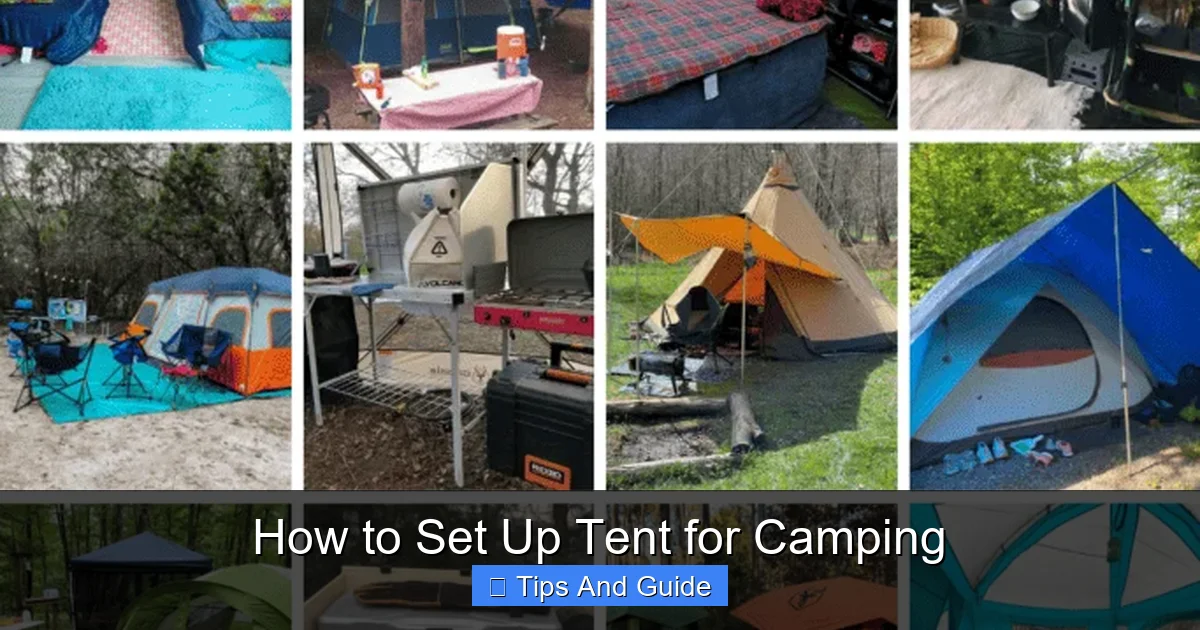
Setting up your camping tent is a crucial skill for any outdoor adventure. This guide provides clear, step-by-step instructions to help you erect your tent quickly and correctly. By following these simple steps, you’ll be able to enjoy your campsite with confidence, ensuring a comfortable and secure shelter for your trip.
Welcome, fellow adventurers! One of the most satisfying parts of preparing for a camping trip is knowing you can confidently set up your shelter. A well-pitched tent is your cozy haven in the wilderness, protecting you from the elements and providing a comfortable space to rest. But if you’re new to camping or just need a refresher, the process might seem a little daunting. Don’t worry! This comprehensive guide will walk you through every step of setting up your tent for camping. We’ll cover everything from choosing the perfect spot to making those final, crucial adjustments. By the end, you’ll be a tent-setting pro!
## Before You Begin: Preparation is Key
The secret to a smooth tent setup is preparation. A little bit of planning before you even leave home and right when you arrive at your campsite can save you a lot of time and frustration.
### 1. Unpack and Inspect Your Tent
When you first get your tent, or before you pack it for your trip, take it out of its bag. Lay out all the components: the tent body, the rainfly, the poles, the stakes, and any guylines. Check for any rips, tears, or missing parts. If anything is damaged, contact the manufacturer. Knowing your tent’s parts beforehand makes setup much easier.
### 2. Read the Instructions
This might sound obvious, but every tent is slightly different. Your tent likely came with specific instructions. While this guide offers general advice, always refer to your tent’s manual for unique features or assembly methods.
### 3. Gather Essential Tools and Accessories
Besides what comes with your tent, consider bringing a small mallet or hammer for stakes and a ground tarp or footprint. A footprint is a custom-fit piece of material that goes under your tent to protect its floor from abrasion and moisture.
## Step-by-Step Tent Setup: Your Campsite is Calling!
Now that you’re prepared, let’s get that tent up!
## Step 1: Choose Your Campsite Wisely
Selecting the right spot for your tent is more important than you might think. It affects your comfort, safety, and even the longevity of your tent.
### Scout the Area
When you arrive at your campsite, take a moment to survey the available areas. Look for a spot that is:
*
Flat and Level: This is crucial for a good night’s sleep. Sleeping on a slope can lead to you sliding down, and water can pool in low spots.
*
Clear of Debris: Remove any rocks, sticks, pinecones, or sharp objects that could puncture your tent floor or make sleeping uncomfortable. Clear a larger area than the tent itself.
*
Sheltered from Wind: Natural windbreaks like bushes or larger rocks can help protect your tent from strong gusts. However, avoid setting up directly under large trees with dead branches (widowmakers) that could fall.
*
Away from Water Sources: While being near a lake or stream is convenient, setting up too close can mean dealing with mosquitoes and potential flooding if it rains heavily. Check the high-water marks.
*
Consider Drainage: Avoid setting up in a natural depression or gully where water might collect if it rains. Look for slightly higher ground.
### Consider Sun and Shade
Think about the sun’s path throughout the day. If you’re camping in hot weather, morning shade can make a big difference. In cooler weather, morning sun can help warm up your tent.
## Step 2: Lay Out Your Tent Components
Once you’ve found your perfect spot, it’s time to get organized.
### Unpack Everything
Carefully unpack your tent from its stuff sack. Spread out the tent body on the ground in the exact position you want it to be. This is much easier to do now than after the poles are in place. Ensure the floor is completely flat and free of wrinkles.
### Position the Footprint (Optional but Recommended)
If you’re using a footprint or ground tarp, lay it down on your chosen spot first. Make sure it’s oriented correctly according to its shape. The footprint should be slightly smaller than your tent floor, or at least not extend beyond the edges. If it extends beyond, it can channel rainwater under your tent.
## Step 3: Assemble the Tent Poles
Tent poles are usually color-coded or have a specific way they connect.
### Connect the Segments
Most modern tent poles are shock-corded, meaning they have an elastic cord running through them. Simply pull each segment apart slightly and let them snap together. Ensure each section is fully seated into the next to create a strong, continuous pole.
### Identify Pole Types
Some tents have different types of poles (e.g., main poles, brow poles). Familiarize yourself with which pole goes where by looking at the tent’s instruction manual or by noting any color-coding on the poles or the tent sleeves/grommets.
## Step 4: Erect the Tent Body
This is where your tent starts to take shape!
### Insert Poles into Sleeves or Attach to Clips
Tents use different systems for attaching poles to the tent body.
* Sleeves: Some tents have fabric sleeves that the poles slide through. Gently push or pull the poles through the sleeves. It’s often easiest to have one person feeding the pole while another guides it from the other end.
* Clips: Many modern tents use plastic clips that attach around the poles. Once the poles are assembled, you’ll attach these clips to the poles. This is generally faster than sleeves.
* Grommets: At the corners of the tent, you’ll find grommets (small metal rings). The ends of the poles will often fit into these.
### Bend and Secure Poles
As you insert the poles, you’ll notice they start to bend. Gently flex the poles and insert their ends into the corresponding grommets or clips at the tent corners. This process requires a bit of pressure, but be careful not to force it too aggressively, which could break a pole. Work slowly and deliberately. Having a second person can make this step much easier, as one person can hold the pole ends while the other bends and secures them.
### Raise the Tent
Once all the poles are in place and secured, the tent body will start to stand up. Gently lift the center of the tent, allowing the poles to fully extend and hold the tent’s shape.
## Step 5: Stake Down Your Tent
Staking is crucial for stability and to prevent your tent from blowing away, especially in windy conditions.
### Position and Angle Stakes
Start with the corners. Drive stakes into the ground at a 45-degree angle, pointing away from the tent. This angle provides the best holding power.
### Use a Mallet (Optional)
While you can often push stakes in with your foot, a rubber mallet or a small hammer makes the job much easier and ensures the stakes are driven in securely.
### Stake Out All Points
Go around the entire perimeter of your tent. Stake down all the loops, tie-out points, and guylines. Ensure the tent fabric is taut and wrinkle-free. This also helps with ventilation and water runoff.
## Step 6: Attach the Rainfly
The rainfly is your tent’s primary defense against rain and dew.
### Orient the Rainfly
Locate the front and back of the rainfly. They are usually marked or designed to fit only one way. Look for doors and vents. The rainfly typically has buckles or clips that align with corresponding buckles or clips on the tent body.
### Drape and Secure
Drape the rainfly over the tent, ensuring it’s centered and aligned correctly. Connect the buckles or tie the cords from the rainfly to the tent body or stake loops.
### Tension the Rainfly
Once the rainfly is attached, pull it taut. Some rainflies have adjustable straps or Velcro tabs to help you cinch them down. A taut rainfly prevents water from pooling and allows condensation to run off properly. Make sure the rainfly isn’t touching the tent body; there should be a gap for airflow.
## Step 7: Secure Guylines
Guylines are essential for adding stability, especially in windy weather or if you anticipate rain.
### Locate Guylines
Your tent likely came with guylines, which are additional ropes. These attach to loops on the rainfly or tent body.
### Position and Stake
Extend the guylines away from the tent, finding clear spots to stake them down. Use the tensioners on the guylines to adjust their tightness. You want them taut but not so tight that they deform the tent shape.
### Adjust for Wind
In windy conditions, you may need to reposition or add more guylines. Make sure they are staked at an angle that provides maximum resistance to the wind.
## Step 8: Final Touches and Interior Setup
Your tent is now structurally sound, but a few more steps will make it truly comfortable.
### Check for Tension
Walk around your tent and give everything a gentle tug. Ensure all stakes are secure, the rainfly is taut, and the guylines are properly tensioned.
### Set Up Your Sleeping Area
* Ground Mat or Air Mattress: Place your best camping mat for tent or air mattress inside. This provides cushioning and insulation from the cold ground. Ensure it fits comfortably within your tent’s dimensions. If you’re looking for ultimate comfort, check out our guide on the best camping mattress for tent options.
* Sleeping Bag: Unroll your sleeping bag and let it loft up.
* Lighting: Set up your best camping light for tent or lantern to illuminate your space.
* Gear Organization: Use pockets or organizers to keep your gear tidy and accessible.
## Troubleshooting Common Tent Setup Issues
Even with the best preparation, you might encounter a hiccup. Here are a few common problems and how to solve them.
### Problem: Tent Poles Won’t Go Through Sleeves
* Solution: Ensure the pole is fully assembled and straight. Sometimes, a slight twist can help. If a sleeve is bunched up, try to smooth it out before pushing the pole. If it’s a particularly tight fit, ensure you have the correct pole for that sleeve.
### Problem: Stakes Won’t Go Into the Ground
* Solution: If the ground is very hard or rocky, try finding a slightly softer spot nearby if possible. You can also use a rock to gently tap the stake in if you don’t have a mallet. If all else fails, you might need to use larger or different types of stakes designed for tougher terrain.
### Problem: Rainfly Isn’t Fitting Correctly
* Solution: Double-check that you have the rainfly oriented correctly. Look for specific markings or vent placements. Make sure all the buckles or clips are fastened to the correct points on the tent body.
### Problem: Wind is Making Setup Difficult
* Solution: If it’s very windy, it’s best to have at least two people. One person can hold the tent down while the other works on poles and stakes. Stake down one corner firmly, then immediately stake the opposite corner. This creates a more stable base. You can also use heavier rocks to weigh down the base of the tent while you work. For particularly windy situations, consider a tent specifically designed for wind, like a best pop up tent for wind.
### Problem: Condensation Inside the Tent
* Solution: This is a common issue. Ensure your rainfly is taut and not touching the tent body. Make sure vents are open to allow for airflow. Avoid breathing directly onto the tent walls. Using a best camping fan for tent can also help circulate air.
## Conclusion: Your Shelter is Ready!
Congratulations! You’ve successfully set up your tent. You’ve learned the importance of preparation, how to choose the ideal campsite, and the precise steps to erect your shelter. Remember, practice makes perfect. The more you set up your tent, the faster and more efficient you’ll become. Now, relax, enjoy your campsite, and rest easy knowing you have a secure and comfortable home away from home. Happy camping!
Key Takeaways
- Choose the Right Spot: Select a flat, clear area away from hazards like dead trees or water sources.
- Organize Your Gear: Lay out all tent components, poles, stakes, and the rainfly before starting.
- Assemble the Poles: Connect tent poles correctly, ensuring they are fully seated to prevent breakage.
- Insert Poles and Raise the Tent: Carefully thread poles through grommets or sleeves and lift the tent body.
- Secure with Stakes: Drive stakes firmly into the ground at an angle to anchor the tent securely.
- Attach the Rainfly: Position the rainfly correctly and secure it to the tent for weather protection.
- Final Adjustments: Tighten guy lines and check for any loose areas to ensure stability and tension.
