How to Set Up Rei Base Camp 6 Tent
Setting up your REI Base Camp 6 tent is straightforward with our detailed guide. We cover everything from unboxing to final stake-down, ensuring a secure and comfortable shelter. Follow these simple steps to get your spacious tent ready for adventure in no time. Enjoy your camping trip with confidence!
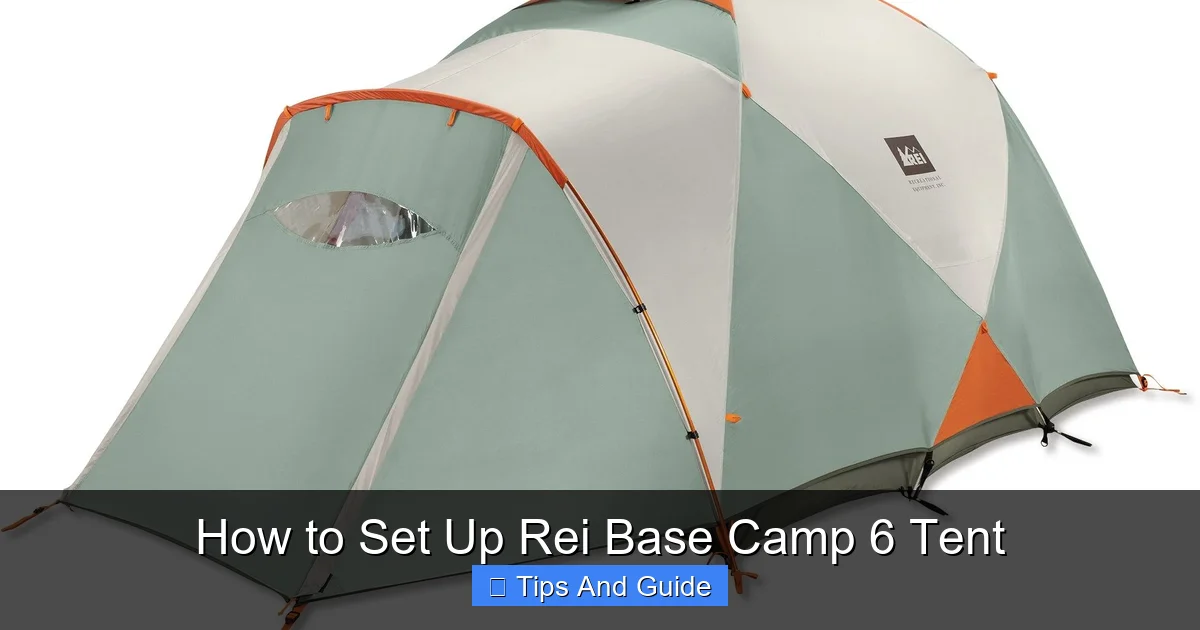
Welcome, campers! So, you’ve got yourself a fantastic REI Base Camp 6 tent. That’s a great choice for family trips, adventures with friends, or even just a roomy escape into nature. This tent is known for its spacious interior, durable construction, and ease of setup, making it a favorite for many outdoor enthusiasts. But like any piece of gear, knowing how to set it up correctly is key to a successful camping trip.
This guide is here to walk you through every step of setting up your REI Base Camp 6 tent. We’ll break down the process into simple, manageable steps, offering practical tips and advice along the way. By the end of this guide, you’ll be a Base Camp 6 setup pro, ready to pitch your tent quickly and confidently, no matter where your adventures take you.
### Preparing to Set Up Your Tent
Before you even start pulling poles out of their bag, a little preparation goes a long way. This ensures a smoother setup process and a more comfortable camping experience.
#### Step 1: Choose the Perfect Campsite
The foundation of a great camping trip starts with a good campsite. Even the best tent needs a suitable location to perform its best.
* **Flat and Level Ground:** Look for a spot that’s as flat and level as possible. This prevents you from rolling out of your sleeping bag in the middle of the night and helps water drain away from the tent.
* **Clear the Area:** Remove any rocks, sticks, pinecones, or debris from the ground where the tent will sit. This protects the tent floor from punctures and provides a more comfortable surface.
* **Consider Drainage:** Avoid low-lying areas where water might pool if it rains. Gently sloping ground is ideal for natural drainage.
* **Check for Hazards:** Look up! Avoid camping directly under dead trees or branches that could fall. Also, be mindful of potential animal trails or insect nests.
* **Sun and Wind:** Think about the sun’s path. Camping in the shade can keep your tent cooler during hot days. Consider prevailing wind direction for ventilation and stability.
#### Step 2: Unpack and Organize Your Gear
Once you’ve found your ideal spot, it’s time to get your tent ready. Laying everything out and making sure you have all the parts before you begin can save you a lot of frustration.
* **Open the Tent Bag:** Carefully open the stuff sack or bag that contains your REI Base Camp 6 tent.
* **Identify Components:** Familiarize yourself with the main parts:
* **Tent Body:** This is the main fabric part of your tent.
* **Rainfly:** The waterproof outer layer that goes over the tent body.
* **Poles:** Usually bundled together, these form the frame of your tent. The Base Camp 6 typically has a color-coded pole system.
* **Stakes:** Used to anchor the tent to the ground.
* **Guylines:** Ropes that attach to the rainfly and stakes for added stability.
* **Footprint (Optional but Recommended):** A ground cloth that protects the tent floor. If you have one, lay it down first.
* **Inspect for Damage:** Quickly check for any tears, broken poles, or missing parts. It’s better to discover issues now than when you’re miles from civilization.
### Assembling the Tent Frame
The poles are the skeleton of your tent. Properly assembling them ensures a strong and stable structure.
#### Step 3: Assemble the Tent Poles
The REI Base Camp 6 tent uses a color-coded pole system, which makes this step incredibly easy.
* **Locate Pole Sections:** Find the bundle of poles. You’ll notice they are segmented.
* **Connect Sections:** Each segment has a shock cord running through it, helping them snap together. Gently pull the ends of two segments together until they fit snugly. The internal shock cord will help guide them.
* **Match Colors:** The REI Base Camp 6 poles are designed with specific color codes that correspond to grommets or sleeves on the tent body and fly. For the main frame, you’ll typically have two longer poles of the same color and one or two shorter ones. Match the colors of the poles to the corresponding points on the tent.
* **Ensure Full Insertion:** Make sure each pole section is fully inserted into the next. You don’t want any gaps, as this can weaken the pole structure. The ends of the poles will have metal or plastic tips.
### Pitching the Tent Body
With the poles ready, it’s time to bring the tent to life.
#### Step 4: Drape the Tent Body Over the Poles
This is where the tent starts to take its familiar shape.
* **Position the Poles:** Lay the assembled poles on the ground in the pattern they will follow to create the tent’s shape. The REI Base Camp 6 has a dome-like structure.
* **Align with Tent Body:** Carefully lift the tent body and drape it over the assembled poles.
* **Insert Pole Tips:** Locate the grommets at each corner of the tent body. These are reinforced holes designed to accept the tips of the tent poles. Insert the pole tips into their corresponding grommets. You might need to apply a little pressure. The shock cords within the poles should help them spring into place.
* **Clip into Place:** The REI Base Camp 6 tent body will have clips along its edges that attach to the poles. Start clipping the tent fabric to the poles. Work your way around the tent, ensuring the fabric is evenly distributed and taut over the frame. This process will naturally lift the tent into its upright position.
### Attaching the Rainfly
The rainfly is crucial for weather protection and adds structure to the tent.
#### Step 5: Attach the Rainfly
This step protects you from the elements and adds the final shape to your tent.
* **Identify Rainfly Orientation:** Before you put the rainfly on, check its orientation. The rainfly will have doors that should align with the tent body’s doors. Look for zippers and any ventilation windows. The REI logo or specific color markings can also help you determine the correct front.
* **Drape the Rainfly:** Carefully lift the rainfly and drape it over the tent body. Make sure the doors and windows align correctly.
* **Secure the Rainfly:** The REI Base Camp 6 rainfly typically attaches to the tent poles or the tent body’s corner connectors using buckles or clips. Find these attachment points and fasten them securely. Ensure the rainfly is pulled taut, creating a clean, smooth surface. This tension is vital for shedding rain and wind effectively.
### Securing Your Tent
Now that your tent is standing, it needs to be firmly anchored to the ground to withstand wind and weather.
#### Step 6: Stake Down the Tent
Staking is essential for stability.
* **Locate Stake Loops:** You’ll find loops or grommets at the base of the tent body and sometimes along the bottom edge of the rainfly.
* **Insert Stakes:** Position the tent so it’s sitting squarely on your chosen spot. Take a stake and push it through a stake loop into the ground. Aim for a 45-degree angle, pushing the stake away from the tent. This angle provides the best holding power.
* **Even Tension:** Stake down all corners and any additional stake points around the base of the tent. Ensure the tent floor is reasonably taut.
#### Step 7: Deploy and Tighten Guylines
Guylines are your tent’s best friends in windy conditions. They significantly increase stability and prevent the rainfly from flapping.
* **Find Guyline Attachment Points:** The rainfly will have loops specifically for guylines. These are usually located on the side panels or near the tent’s peak.
* **Attach Guylines:** Tie or clip the guylines to these attachment points.
* **Stake Guylines:** Extend the guylines away from the tent, creating a tensioned triangle. Stake them into the ground at a distance that allows the guyline to be pulled taut. The ideal placement of guylines often corresponds to reinforcing seams or structural points on the rainfly.
* **Adjust Tension:** Use the tensioners on the guylines to make them snug. The rainfly should be pulled taut, not sagging. This helps create a strong, aerodynamic shape that can resist wind. If it’s windy, you might need to use all available guyline points. For a tent that is as spacious as the REI Base Camp 6, considering its size, robust guylining is paramount for wind resistance. You might even consider adding extra stakes for added security if you anticipate strong winds.
### Final Checks and Tips
You’re almost there! A few final touches ensure your tent is perfectly set up for a comfortable and safe stay.
#### Step 8: Perform Final Checks
* **Zippers:** Open and close all zippers on the doors and windows to ensure they move smoothly.
* **Ventilation:** Open any vents on the rainfly or tent body. This is crucial for reducing condensation inside the tent, especially in cooler or humid conditions. Good ventilation keeps the air fresh and dry.
* **Tent Tension:** Walk around the tent and give it a gentle push. It should feel solid and stable, with no excessive sagging in the fabric.
* **Internal Setup:** Once the exterior is secured, you can move inside to set up your sleeping bags, pads, and gear.
#### Practical Tips for Setting Up Your REI Base Camp 6 Tent
* **Two-Person Job:** While it’s possible to set up a tent this size alone, it’s much easier and faster with two people, especially when handling the rainfly.
* **Practice at Home:** Before your first trip, try setting up the tent in your backyard or a local park. This familiarizes you with the process and allows you to iron out any kinks.
* **Read the Manual:** While this guide is comprehensive, always keep the manufacturer’s instructions handy. They often have specific details or diagrams tailored to your exact tent model.
* **Footprint is Your Friend:** Always use a footprint if you have one. It protects the tent floor from abrasion and punctures, extending the life of your tent. If you don’t have the official footprint, a tarp of the correct size can work.
* **Muddy Conditions:** If setting up in wet or muddy conditions, lay down a tarp or extra ground cloth near the entrance for people to wipe their feet before entering the tent.
* **Hot Weather Tip:** If you’re camping in hot weather, setting up the tent in the shade can make a huge difference. Also, ensure good ventilation by opening all vents. For those looking for a tent that offers ample space and can be used for various outdoor activities, you might find our guides on the best pop up tent for the beach or the best pop up tent for shade helpful.
### Troubleshooting Common Issues
Even with the best preparation, you might encounter minor problems. Here are a few common ones and how to solve them.
* **Tent Sagging:** If the tent fabric is sagging, check that all poles are fully inserted and clipped correctly. Ensure guylines are properly tensioned and staked.
* **Rainfly Not Fitting Tightly:** Make sure you have the rainfly oriented correctly. Double-check that all buckles or clips are fastened and that the tensioners on the guylines are adjusted.
* **Stakes Won’t Go In:** If the ground is very hard, you might need a rock or a sturdy stick to help drive the stakes in. If the ground is too soft, try using larger or longer stakes, or using rocks to anchor the guylines.
* **Condensation:** While not a setup issue, condensation is common. Ensure you have adequate ventilation by opening vents and doors (weather permitting). Avoid touching the tent walls, as this can encourage moisture transfer.
### Conclusion
Setting up your REI Base Camp 6 tent is a rewarding process that leads to a comfortable and secure home away from home. By following these step-by-step instructions, choosing a good location, and taking the time for proper setup, you’ll ensure your tent provides excellent shelter for all your camping adventures. Remember to practice at home, take your time, and enjoy the outdoors! With a well-pitched tent, you’re ready to relax, explore, and make lasting memories. Happy camping!
- Choose the Right Location: Select a flat, clear, and well-drained spot away from potential hazards like dead trees or water runoff.
- Organize Your Gear: Lay out all tent components – poles, tent body, fly, stakes, and guylines – before you begin assembly.
- Assemble the Poles: Connect the color-coded pole sections, ensuring they are fully inserted for a strong, rigid frame.
- Set Up the Tent Body: Drape the tent body over the assembled poles, aligning grommets with pole ends and clipping it into place.
- Attach the Rainfly: Carefully position the rainfly over the tent body, aligning doors and ensuring a snug fit. Secure it using buckles or clips.
- Stake and Guy Out: Anchor the tent firmly to the ground with stakes and use guylines to create tension, improving stability and weather resistance.
- Final Checks: Ensure all zippers are functioning, ventilation is open, and the tent is taut and secure against the elements.